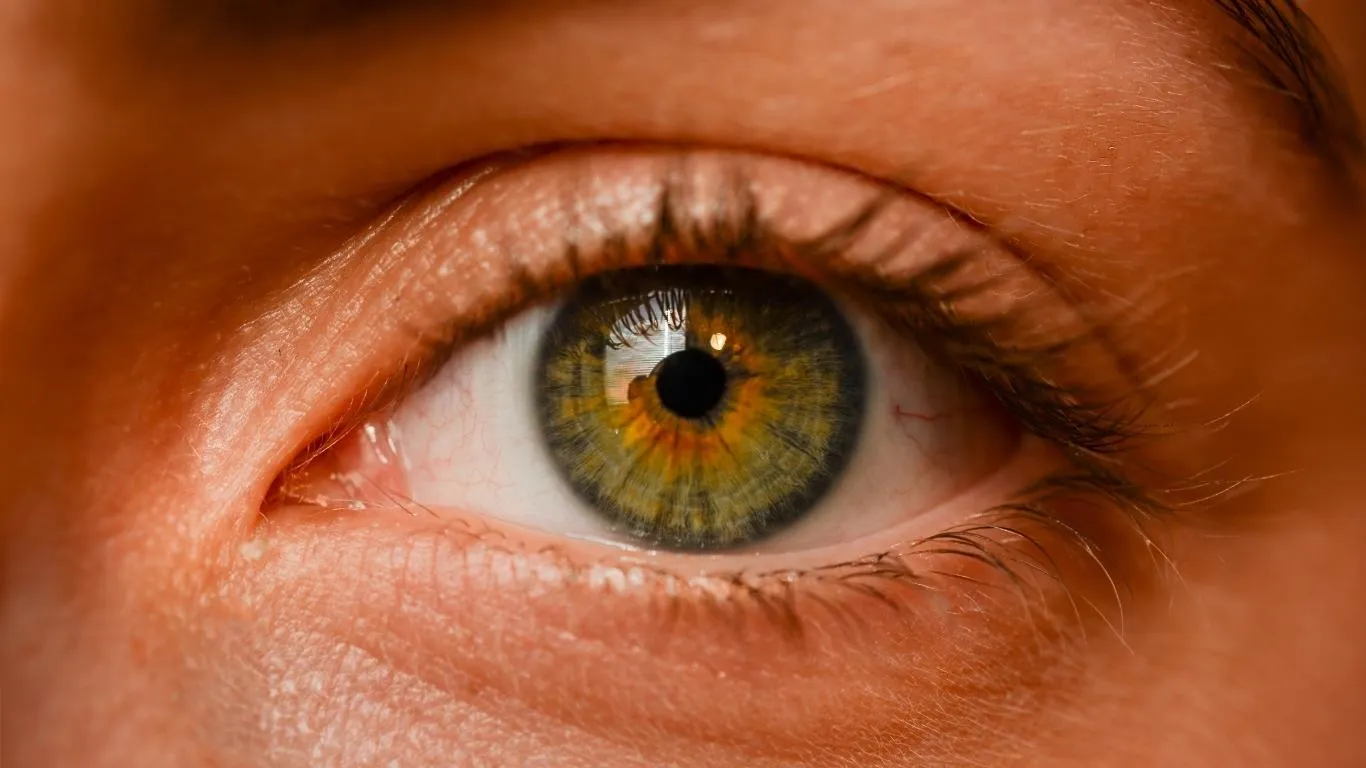
Why Floaters Become Visible During Prayer Or Meditation
If you’ve ever found yourself deep in prayer or lost in a moment of meditation, only to suddenly notice strange squiggly shapes floating across your vision—yeah, I’ve been there too. At first, I thought it was my imagination or maybe even some kind of spiritual vision. Turns out, it was just good ol’ eye floaters making an appearance right when I least expected them. It’s strange how they show up when you’re most still, most focused—and honestly, it got me curious enough to dig deep into what’s actually going on. Here’s what I found.
Why Floaters Become More Noticeable During Prayer or Meditation
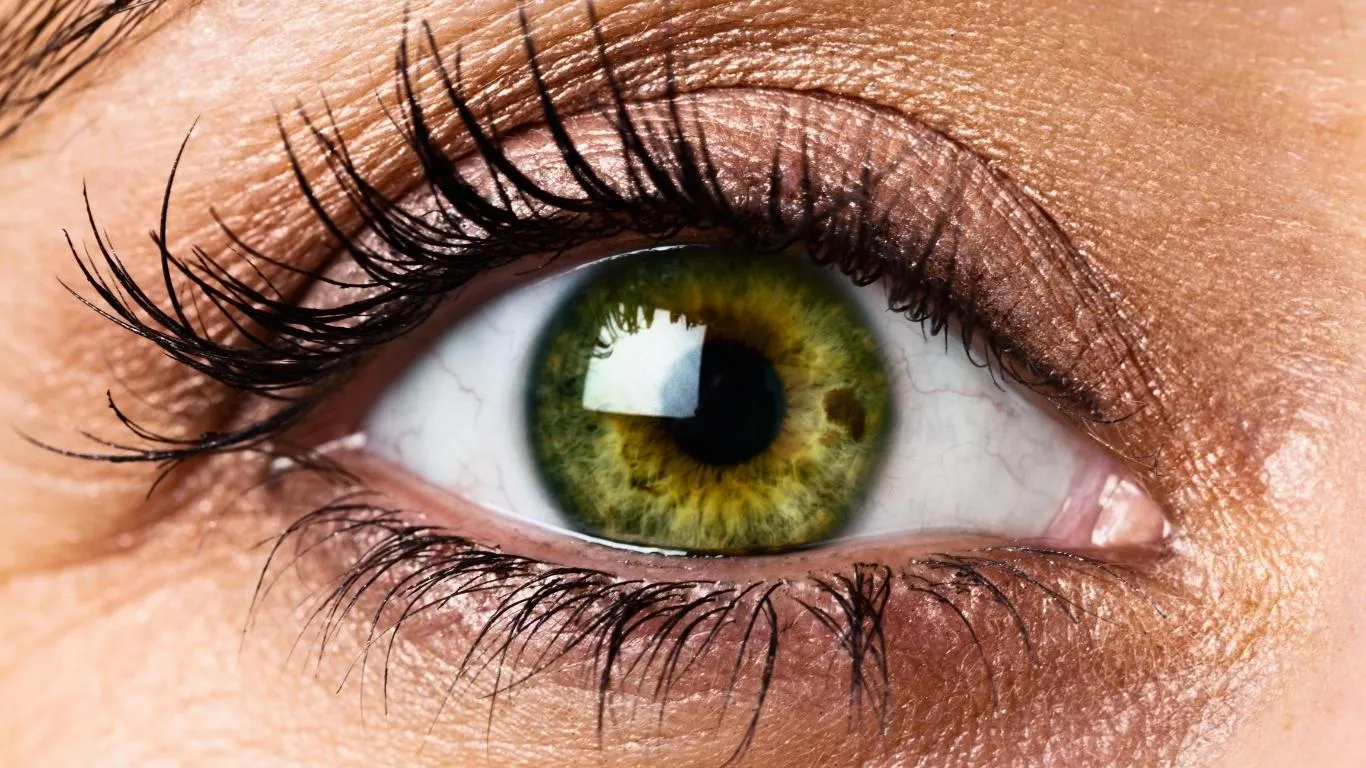
Let’s talk science first. When you’re sitting still, eyes fixed gently ahead, breathing slows, and light levels are often low or indirect—those are prime conditions for floaters to make their debut.
Floaters are actually tiny clumps of collagen or cellular debris drifting within the vitreous gel of your eye. When light enters the eye, these clumps cast shadows on the retina, and that’s what you end up seeing as squiggles, cobwebs, or translucent blobs. In daily life, we’re so busy shifting focus that we don’t always catch them. But during prayer or meditation, your eyes are still—your mind is still. That’s when they show up uninvited.
My Personal Wake-Up Call
During a silent retreat last year, the floaters were practically dancing across my vision. I was seated in a dim meditation room, trying to focus on my breath. I thought something was seriously wrong. Later that evening, I Googled the symptoms and landed on this article—and the dots connected. What I was seeing was totally normal (well, mostly). But it was definitely worth paying attention to.
The Role of Lighting and Eye Positioning
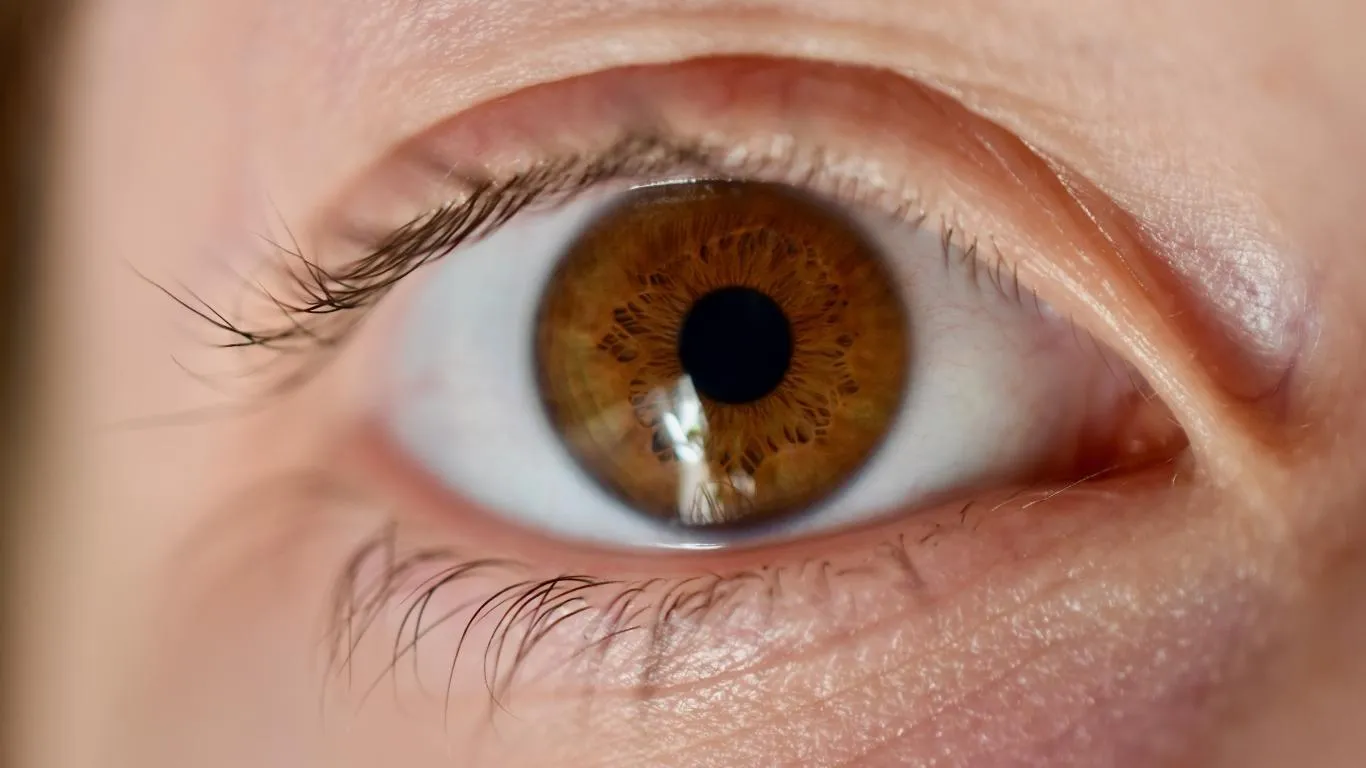
Most places of worship or meditation centers are softly lit. Think candles, filtered sunlight, dim corners. This kind of lighting creates ideal contrast for floaters to stand out. When you look at a clear sky or a plain wall—same thing—you get that smooth, uninterrupted background, which gives floaters the stage to perform their slow-motion show.
Eye positioning matters too. During prayer or deep concentration, your gaze is often directed slightly upward or straight ahead, without much movement. That stillness means floaters don’t shift out of view like they might when you’re darting your eyes around during a conversation or checking your phone.
Physical Stillness, Visual Awareness
Stillness enhances perception. It’s why people with high stress or high screen-time often don’t notice floaters until they finally unplug. Your brain, when not flooded with information, begins to notice subtler signals—including what’s going on inside your own eyes.
Is It Just Floaters or Something Else?
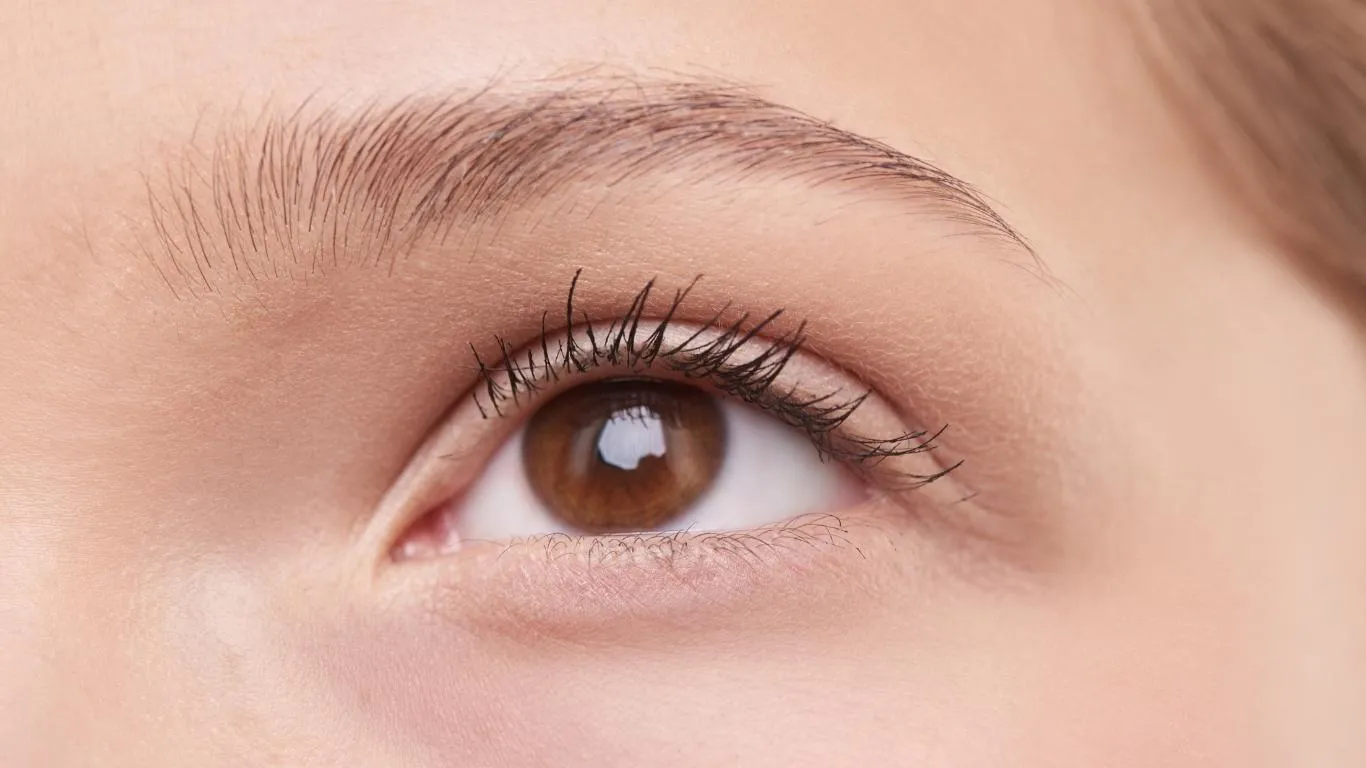
Floaters are usually harmless—but not always. If you’re noticing floaters for the first time during prayer or meditation, and they’re persistent or paired with flashing lights or vision loss, that’s not something to brush off. It could be a sign of a retinal tear or detachment, especially if they appear suddenly and in clusters.
And if you’ve been dealing with chronic floaters for years, but suddenly they seem more frequent during peaceful moments, it’s worth asking whether something else is going on under the surface—like age-related vitreous changes or inflammation.
Here’s what the treatment path generally looks like—ranging from observation to laser treatment or vitrectomy. The important part? Get checked out. The eye doesn’t mess around.
Do Certain Practices Make Them Worse?
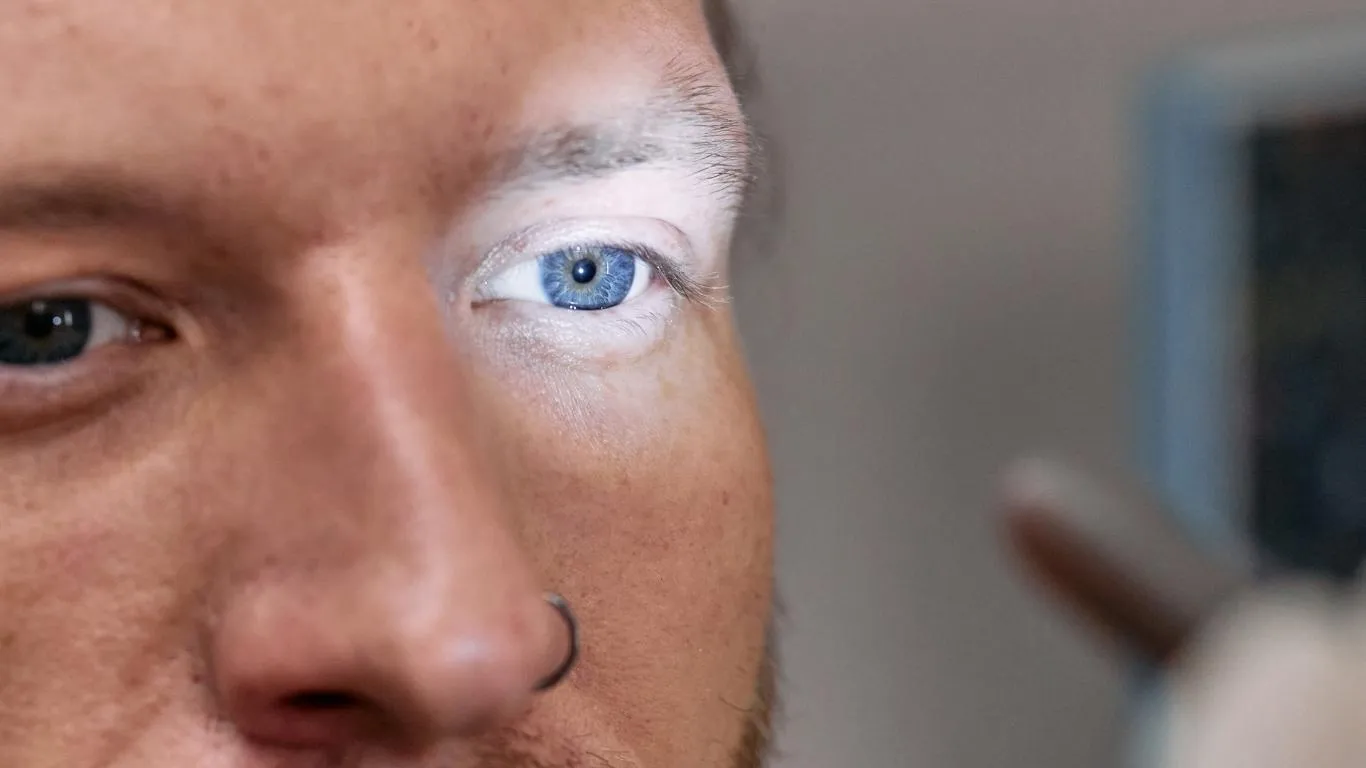
You might wonder: Does something about meditation or prayer actually cause floaters to form? The answer is no—but it does make them more obvious.
- Deep focus reduces eye movement, which makes floaters more visible.
- Low lighting makes them stand out more sharply against your visual field.
- Calm environments quiet the noise, so your brain picks up on visual “background static.”
There are even reports of people mistaking floaters for spiritual visions, especially during silent retreats or long prayer sessions. It’s understandable—when your eyes and mind are tuned inward, every flicker becomes amplified.
When They Get Distracting
If you’re anything like me, once you *see* them, it’s hard to *unsee* them. They become this visual itch. Some people start avoiding meditation or prayer altogether because of it. That’s when it becomes more than just a vision quirk—it becomes a barrier. And that’s not okay.
You don’t have to just live with it. I found tools that helped reduce the distraction—from adjusting my lighting and gaze to using guided meditations with closed eyes. And yes, some people find relief with specific eye exercises too (though results vary wildly).
What Experts Say—and What You Can Do
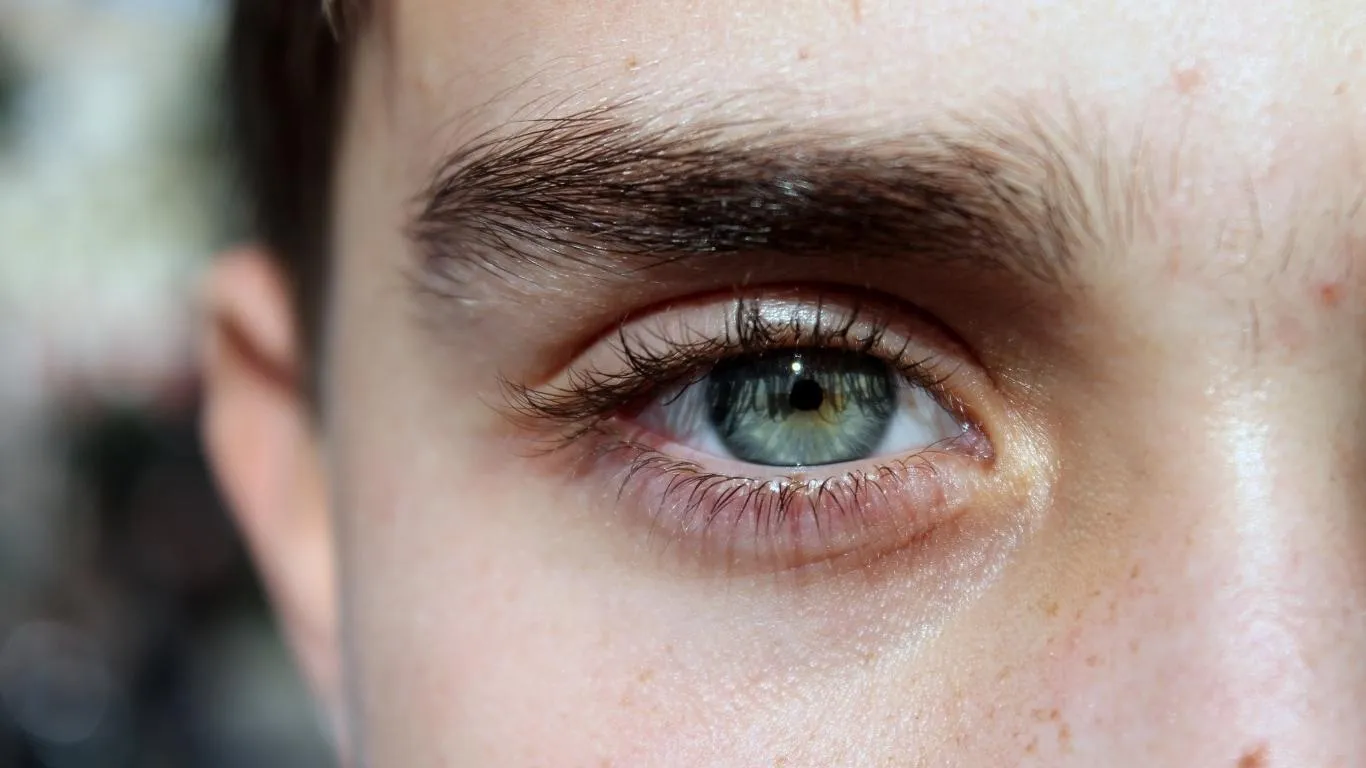
Most ophthalmologists will tell you that if floaters aren’t suddenly increasing or paired with vision problems, they’re benign. But benign doesn’t mean you have to accept them as part of your new normal without questions.
According to American Academy of Ophthalmology, floaters are typically not dangerous, but sudden changes should be evaluated promptly. They recommend keeping track of any new visual disturbances and seeking care if the pattern shifts.
One eye specialist I spoke with mentioned that people who practice mindfulness or extended prayer often become more sensitive to floaters—not because they’re getting worse, but because awareness is sharper. That insight alone changed how I approached the whole situation.
And if you want to get into the nitty-gritty of whether floaters can become a chronic or worsening issue, this comprehensive guide gives a great breakdown of causes, treatments, and long-term management strategies.
For those wondering whether what they’re seeing is even floaters at all—or something else entirely—this post comparing floaters vs other eye issues might help you sort through the confusion.
Can You Reduce Floaters That Show Up During Prayer or Meditation?
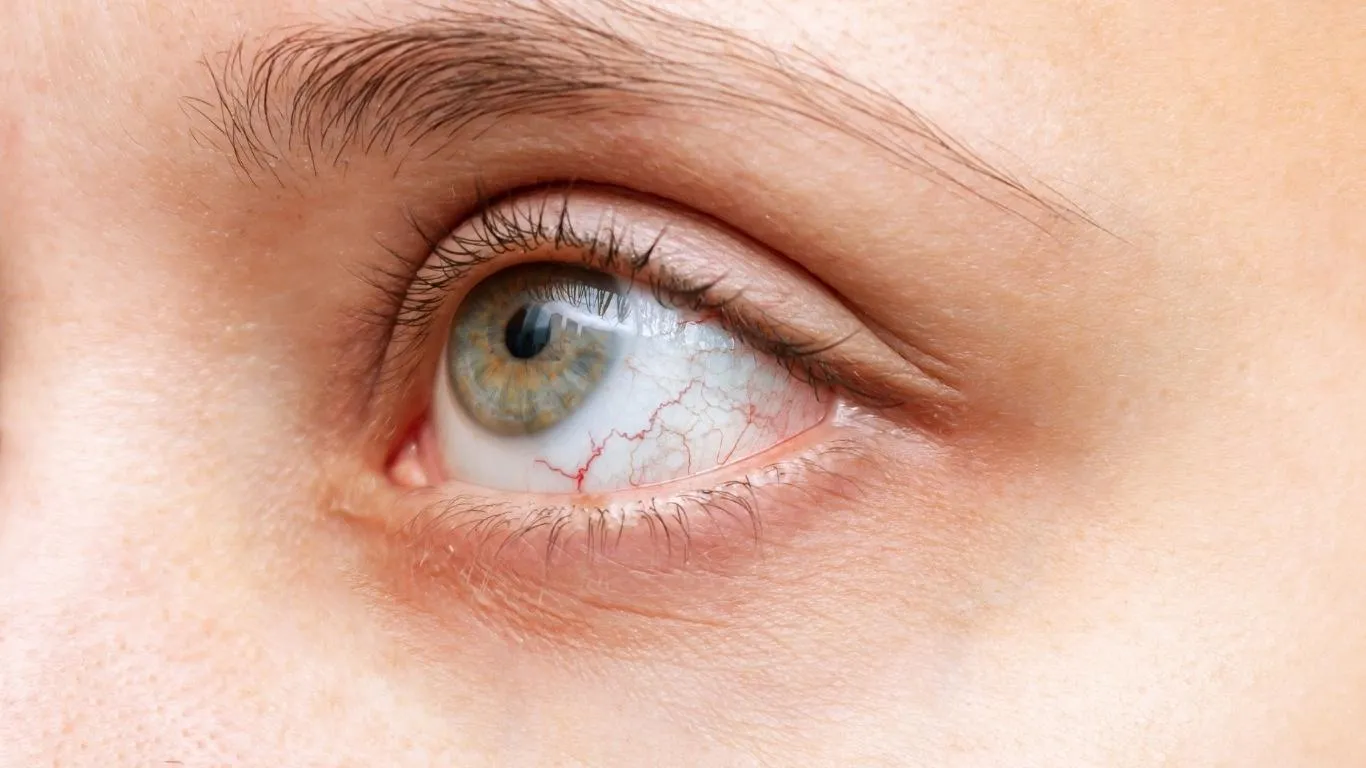
This was my biggest question after weeks of noticing floaters almost every time I meditated. I didn’t want them to ruin what was supposed to be a peaceful, grounding practice. So I started testing different things—some worked, some didn’t, but here’s what’s actually made a noticeable difference for me (and others too).
- Hydration matters more than you think. After reading how dehydration impacts floaters, I started drinking more water before meditation. It wasn’t a miracle fix, but the intensity definitely dropped.
- Soft ambient lighting helps. Harsh lighting made floaters pop out. But a warmer, diffused light softened their appearance. Salt lamps, dim LEDs, even candlelight worked better than direct overhead bulbs.
- Eyes-closed practice. Obvious, maybe—but switching to closed-eye meditations helped me go deeper without being distracted by visual noise.
It’s also worth noting that eye strain plays a role too. After long workdays on the screen, the floaters during my prayer sessions felt more intense. Coincidence? Maybe not. I came across this post on screen use and floaters and, let’s just say, it hit a little too close to home.
When Floaters Start Impacting Mental Stillness
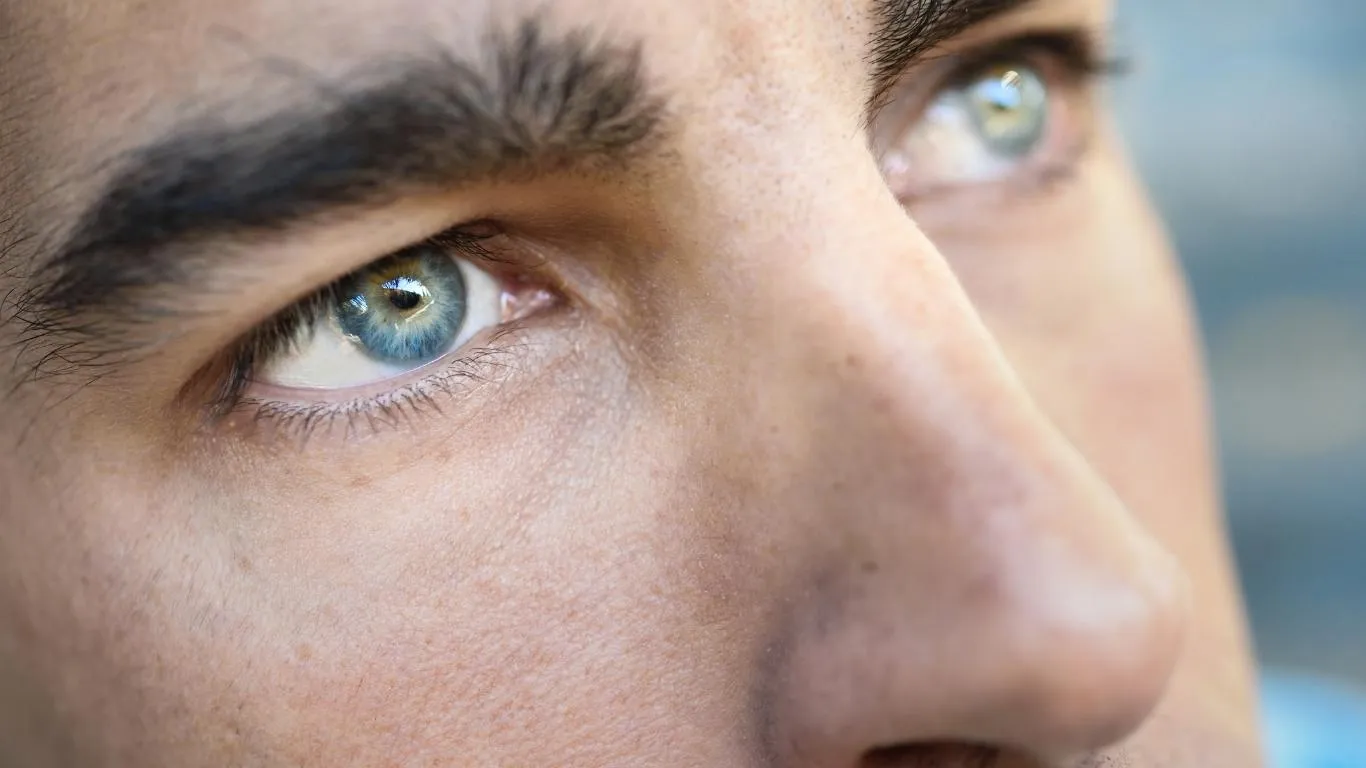
Here’s the part that surprised me most: floaters can actually affect your mental state. I know that sounds dramatic, but if you’re constantly pulled out of your meditative zone by these weird shadows drifting across your field of vision, it can build frustration—quietly, but consistently.
There’s even an article on mental health and floaters that explains this link. I wasn’t imagining it. I wasn’t just “too sensitive.” This stuff can actually wear on your patience and calm, especially when it shows up during moments meant for inner peace.
What I Did That Helped—Mentally
- I started including floaters as part of my meditation. Noticing, labeling, releasing. “Seeing” them instead of fighting them.
- I adjusted expectations. Some days they’re there, some days less so. I stopped seeing them as a problem and more as a signal to check in—hydration, stress, screen use, etc.
- Sometimes, I just switch to a guided session with audio only, letting go of the visual component altogether.
I also explored how floaters interact with mindfulness in specific lighting conditions, like in this fascinating post on floaters in artificial light. It made me rethink how modern environments amplify what might otherwise go unnoticed.
When Should You Talk to a Professional?
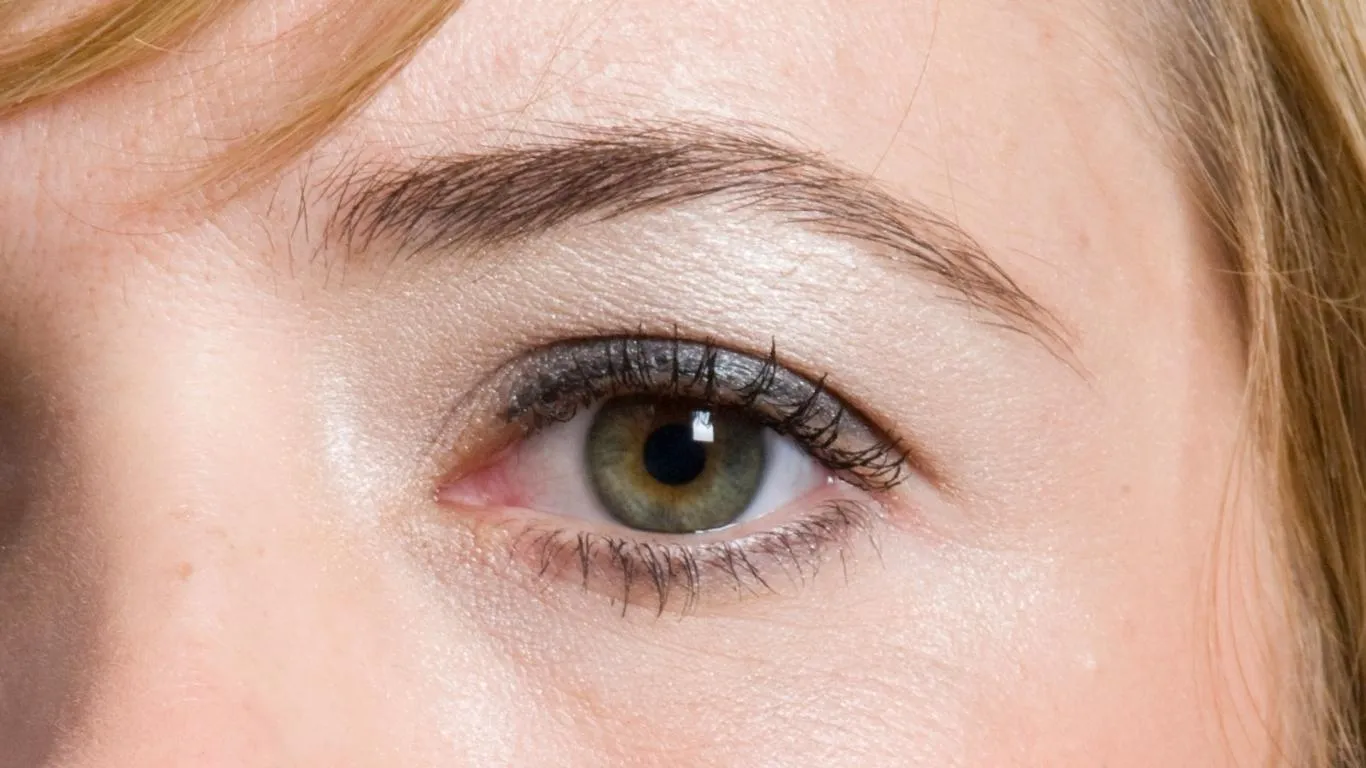
Not every floater is harmless. And just because they seem to only show up during prayer or meditation doesn’t mean you should ignore them. If you notice any of the following, don’t wait it out:
- Sudden onset of multiple floaters
- Flashing lights (like camera flashes in peripheral vision)
- A curtain-like shadow moving across your vision
- Blurred or distorted vision with floaters
Any of those can be signs of something more serious, like a retinal tear or detachment. The key is recognizing when your regular floaters change—either in behavior or frequency.
And don’t fall into the trap of assuming that because it happens during calm moments, it’s “just in your head.” It’s not. Your brain might be more aware then, but that doesn’t make the experience any less real.
Building a New Relationship with Your Floaters

This is going to sound strange, but I’ve come to respect the role floaters have played in helping me pay closer attention to my body. They’re a nuisance, sure. But they’ve also pushed me to be more intentional—to check in more often, to take breaks from the screen, to hydrate, to be present.
They’ve even helped me redefine what stillness looks like. Sometimes, it’s not about the perfect, distraction-free moment. Sometimes, it’s about holding focus despite distraction. Letting the floaters pass through your gaze like clouds across the sky—acknowledged, but not obsessed over.
If you’re going through something similar, just know: you’re not alone, and you’re not imagining it. Floaters visible during prayer or meditation are a real experience shared by many. The good news? You don’t have to let them own your quiet moments. You can work with them, not against them.
For a full breakdown of causes and treatments, this main resource covers it all—from symptoms to long-term care options.
If you’re curious about other potential causes beyond meditation or prayer, explore the common causes of floaters—some might surprise you.

Camellia Wulansari is a dedicated Medical Assistant at a local clinic and a passionate health writer at Healthusias.com. With years of hands-on experience in patient care and a deep interest in preventive medicine, she bridges the gap between clinical knowledge and accessible health information. Camellia specializes in writing about digestive health, chronic conditions like GERD and hypertension, respiratory issues, and autoimmune diseases, aiming to empower readers with practical, easy-to-understand insights. When she’s not assisting patients or writing, you’ll find her enjoying quiet mornings with coffee and a medical journal in hand—or jamming to her favorite metal band, Lamb of God.