Why Schmorl’s Nodes May Be the Hidden Cause of Chronic Back Pain
If you’ve been dealing with chronic back pain and came across the term “Schmorl’s nodes” during a spine exam or MRI report, you’re not alone. I remember staring at my scan results, nodding like I understood what the radiologist meant — when in reality, I had absolutely no idea. It sounded like something out of an old European medical textbook. But here’s the thing: Schmorl’s nodes are way more common than most people realize, and while not always painful themselves, they can absolutely contribute to chronic discomfort when combined with other spine issues.
What Exactly Are Schmorl’s Nodes?

Schmorl’s nodes are essentially small herniations — but not the kind you hear about on late-night infomercials. These are vertical disc herniations, where the disc material pushes up or down into the bony part of your spine (the vertebral body), instead of out sideways like traditional herniated discs. It’s like a tiny pothole in the bone under your disc. Creepy? A little. Common? Very.
They’re typically found in the thoracic or lumbar spine, and while many people have them without symptoms, for some of us, especially those with degenerative disc disease or chronic back pain, these little nodes can stir up a whole world of discomfort.
Why Schmorl’s Nodes Might Be Making Your Back Pain Worse

Here’s what most people don’t realize: while Schmorl’s nodes can be asymptomatic, they often form in areas of the spine already under stress. I’ve had patients and readers tell me the pain flares up after long car rides, awkward twisting, or even from a day of gardening. It’s not the node itself that hurts — it’s the inflammation, micro-fractures, or disc degeneration surrounding it.
Some reasons why Schmorl’s nodes may cause or worsen chronic pain include:
- Endplate Fractures: When the disc pushes through the vertebral endplate, it can cause micro-injuries that trigger inflammation and pain.
- Disc Degeneration: Nodes are often a sign of underlying disc weakening, which itself can be a source of chronic discomfort.
- Spinal Instability: Repetitive stress or minor trauma over time can aggravate Schmorl’s nodes and contribute to instability or altered movement patterns.
A recent overview from ncbi.nlm.nih.gov actually shows that Schmorl’s nodes are more frequently found in patients with long-term lumbar spine pain. That aligns with what many chronic pain sufferers report — including myself, unfortunately.
How Schmorl’s Nodes Are Diagnosed

Diagnosing Schmorl’s nodes isn’t exactly rocket science — but the catch is, they’re not always reported unless the radiologist is specifically looking for them. They’re visible on MRI and CT scans, and often appear as small indentations or irregularities on the vertebral bodies.
What’s important here is context. If you’re dealing with chronic pain, especially if it’s worse at night or when lying down, and you’ve been told you have Schmorl’s nodes, it’s worth digging deeper. Are there signs of disc degeneration? Inflammation? Is the node large or recent? These are the kinds of questions spine-savvy clinicians will explore.
Also worth considering — if you’re being evaluated for back pain, don’t stop at one opinion. I’ve seen cases where nodes were dismissed, only to later find that they were part of a bigger degenerative puzzle.
Real-Life Triggers: When Schmorl’s Nodes Start to Hurt

From personal experience, I noticed my worst flare-ups came after heavy lifting or prolonged standing. But everyone’s trigger is different. Schmorl’s nodes tend to act up when:
- You’re sitting for extended periods (hello, remote work life).
- You perform activities that compress the spine — like jumping or even sneezing violently (not kidding).
- You ignore early signs of inflammation or back strain, leading to further disc pressure.
And if you’re a gym rat or a weekend warrior, beware: improper lifting techniques can seriously aggravate these nodes. For some tips, check out our guide on safe weight lifting with back pain.
Can You Treat Schmorl’s Nodes? Or Are You Stuck With Them?

The good news? Yes, you can manage the symptoms, even if the node itself doesn’t disappear. Since Schmorl’s nodes often form in tandem with other spine issues, treating the “whole picture” is key.
Here’s what’s helped me and many others:
- Anti-inflammatory lifestyle: Reducing systemic inflammation through diet, supplements, and recovery routines can minimize flare-ups.
- Physical therapy & core strengthening: Building muscular support around the spine helps reduce stress on damaged discs and bones.
- Targeted mobility work: Especially in the thoracic and lumbar regions — check out these back stretches that really help open things up.
- Ergonomic support: Chairs with lumbar support or adjustable standing desks can do wonders for daily comfort. See our review of ergonomic office chairs.
Some people also explore options like acupuncture, osteopathic manipulation, or even minimally invasive surgery when things get severe, though that’s not usually a first-line solution.
If your back pain is stubborn and you’ve exhausted the basics, take a deeper dive into our core article on Back Pain Types & Anatomy to understand where Schmorl’s nodes fit into the larger spine puzzle. And for the full spectrum of chronic back pain insights and options, don’t miss our main back pain guide.
Long-Term Management: Living With Schmorl’s Nodes Without Losing Your Mind
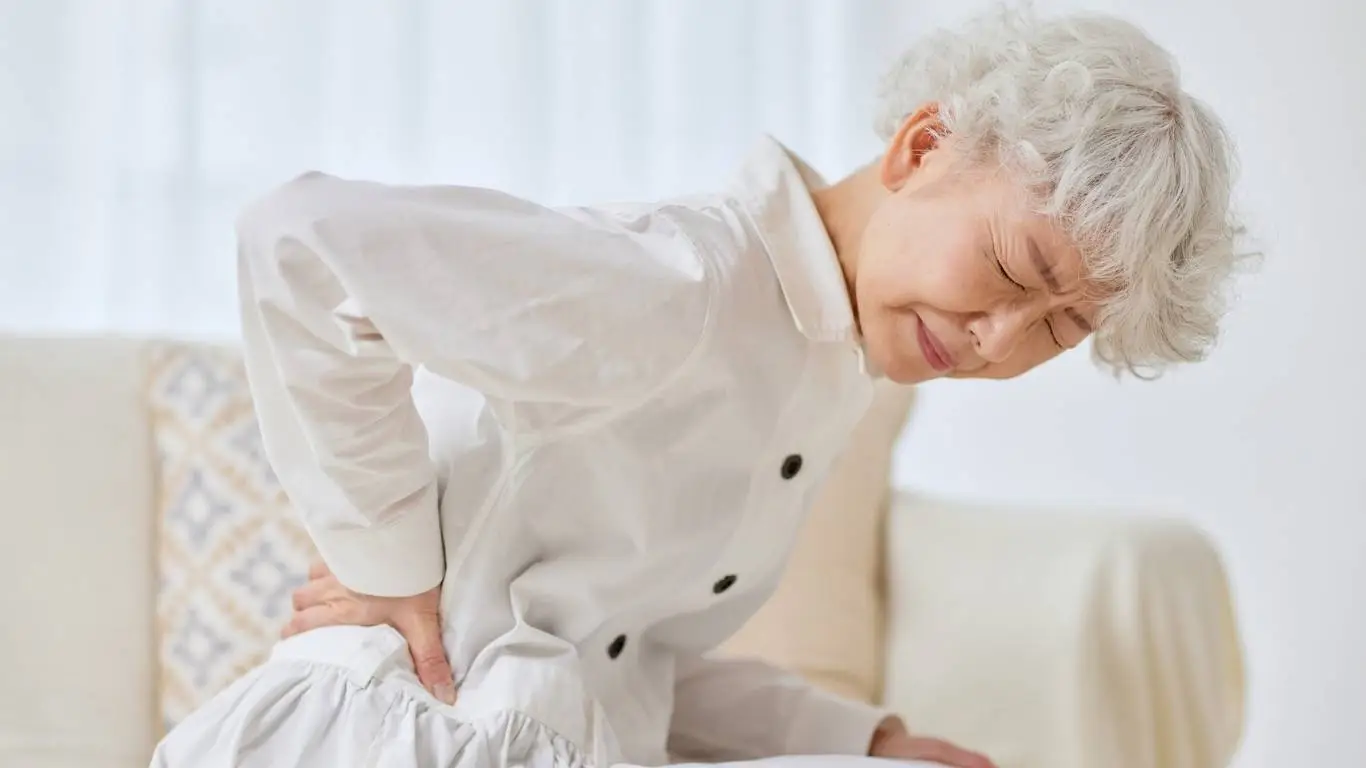
Let me be real with you—living with Schmorl’s nodes when you also have chronic back pain is frustrating. There are days when it feels like your spine has a mind of its own. But over the years, I’ve picked up a few solid strategies that don’t just help, they *change the game*. It’s not about eliminating every bit of pain (though that’d be nice), but learning how to reduce flare-ups and regain control over your routine.
The most effective approach isn’t a one-size-fits-all fix. It’s more like a toolbox you reach into depending on the day.
My Go-To Tools for Long-Term Relief
- Daily micro-movement breaks: Sitting too long? Your spine will remind you. I set a timer to stretch or walk every 30–45 minutes. It’s basic, but it’s magic.
- Morning decompression: I start each morning with a 5-minute spinal decompression stretch and light mobility — it’s my non-negotiable. Here’s a good intro to lying positions that decompress the spine.
- Glute and core strength sessions: Weak glutes? Hello, back strain. Twice a week, I hit targeted strengthening with resistance bands. Trust me, this one makes a difference.
- Posture reset habits: Whether I’m standing in line or cooking dinner, I constantly check in with how I’m holding myself. It becomes second nature after a while.
One thing I had to accept early on: there’s no “hack” around consistency. You want results? You’ve got to show up for your spine daily. Even five minutes helps.
What to Avoid if You Have Schmorl’s Nodes (From Painful Experience)

I’ve learned some lessons the hard way. There are definitely things that can poke the bear, so to speak, and make the pain worse. Here’s what I recommend you skip—or at least be cautious with:
- High-impact cardio: Jumping, sprinting, or fast-paced aerobics can jar the spine and aggravate nodes, especially if your core isn’t rock solid.
- Deep spinal twists: These might feel “good” in the moment, but they often crank the pressure right where you don’t want it.
- Unsupported sleeping positions: The wrong mattress or a flat pillow can turn one bad night into a week of pain. Here’s a guide on better sleep positions.
- Heavy lifting with poor form: You already knew this, but it’s worth repeating: improper technique is a fast track to flare-ups.
Ironically, it’s often not *what* you do but *how* you do it. Even basic activities like vacuuming or loading groceries can wreck your back if your posture’s off.
Natural Relief Techniques That Work (and Some That Didn’t for Me)

I’ve gone down a lot of rabbit holes trying to find natural ways to manage pain. Some were hits. Others… not so much.
What Helped:
- Massage therapy: Targeting the surrounding tight muscles eased my pain more than I expected. Myofascial release especially helps.
- Cupping: Surprisingly effective for decompressing tight spots, especially after long days on my feet.
- Anti-inflammatory diet: Cutting sugar, adding turmeric and omega-3s didn’t *cure* my pain, but it lowered the frequency of flare-ups noticeably.
- CBD topicals: A lifesaver during stressful flare-up weeks. I use a roll-on before bed and it takes the edge off enough to fall asleep comfortably.
What Didn’t Really Do Much (for Me):
- Ice packs after sitting: Everyone swears by this, but for me, it made muscles tighter. Heat worked better in those cases.
- Foam rolling directly on the spine: Big no. Great for glutes and hamstrings, terrible for Schmorl’s node areas.
- Generic stretching routines: Until I followed a customized yoga plan, the results were hit-or-miss.
Bottom line: try things, but pay attention to what *your* body responds to. Everyone’s pain fingerprint is different.
When It’s Time to See a Specialist

If you’ve been in pain for weeks or months and nothing seems to touch it — it’s time. Getting a spine specialist on board was a turning point for me. They looked at my MRI, explained where the node was causing inflammation, and mapped out a plan that didn’t involve just throwing painkillers at the problem.
You might want to ask about:
- Imaging reviews: If your scans are older, updating them can uncover things missed before.
- Targeted injections: Not fun, but they’ve helped reduce inflammation around my most active nodes during bad flare-up seasons.
- Minimally invasive options: This includes radiofrequency ablation or even spinal stimulation for more complex cases.
And sometimes, it’s just about having a pro confirm what you already suspect — that your pain is real, valid, and not just “aging” or “stress.”
Make Your Spine a Daily Priority

The most valuable thing I learned is this: you don’t have to wait for a flare-up to take action. Daily, intentional care — movement, nutrition, ergonomics — keeps your back more resilient. Schmorl’s nodes aren’t the end of the road. They’re a signal to listen closer to your spine’s needs.
If you haven’t already, I highly recommend diving into our guide on Exercise, Rehab & Ergonomics for Back Pain. It’s where I started when I realized I needed to do more than just manage pain — I wanted to improve how I lived with it. And don’t forget our comprehensive Back Pain Hub to explore everything from sleep tips to surgical breakthroughs.

Camellia Wulansari is a dedicated Medical Assistant at a local clinic and a passionate health writer at Healthusias.com. With years of hands-on experience in patient care and a deep interest in preventive medicine, she bridges the gap between clinical knowledge and accessible health information. Camellia specializes in writing about digestive health, chronic conditions like GERD and hypertension, respiratory issues, and autoimmune diseases, aiming to empower readers with practical, easy-to-understand insights. When she’s not assisting patients or writing, you’ll find her enjoying quiet mornings with coffee and a medical journal in hand—or jamming to her favorite metal band, Lamb of God.