CSF Leak And Positional Back Pain Symptoms You Shouldn’t Ignore
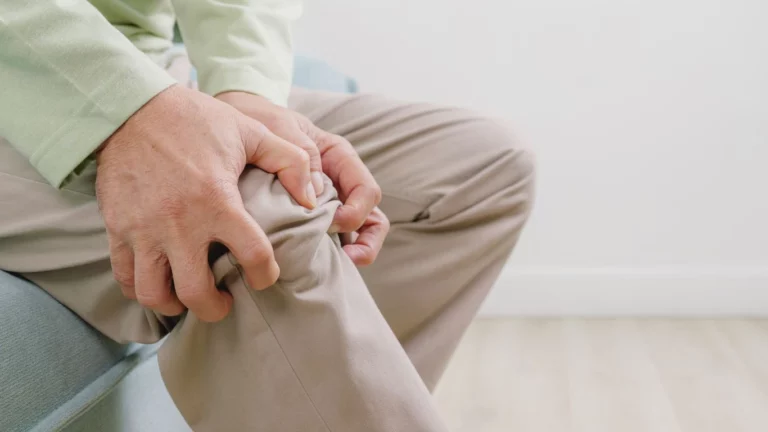
If you’ve never heard of CSF leaks and positional back pain, you’re not alone. Honestly, I didn’t know much about them either—until I experienced the strange, nagging pain that would come and go depending on how I sat or stood. At first, I chalked it up to stress, maybe some poor posture, or just sleeping weird. But the more it happened, the more I realized this wasn’t typical back discomfort. That’s when I stumbled across the topic of cerebrospinal fluid (CSF) leaks and how they can wreak havoc on your spine—and trust me, they deserve way more attention than they get.
What Exactly Are CSF Leaks?

CSF, or cerebrospinal fluid, is like your brain and spinal cord’s personal bodyguard—it cushions, nourishes, and protects the central nervous system. When there’s a leak—usually due to a tear in the dura mater, the outermost layer surrounding the spinal cord—it can reduce pressure within the brain and spinal column, leading to a whole host of bizarre symptoms. One of the standout ones? Positional back pain that flares when you’re standing and oddly gets better when you lie down.
Here’s the kicker: most people associate CSF leaks with intense headaches, but the back pain that tags along—especially lower and mid-back discomfort—is often dismissed or misdiagnosed entirely. In my case, the pain felt like a deep, pulling ache, almost like gravity was working overtime on my spine. When I finally connected the dots, things made a lot more sense.
Why Positional Back Pain Is a Telltale Clue

This isn’t your run-of-the-mill muscle strain. Positional back pain from CSF leaks is directly tied to gravity. When you’re upright, the loss of spinal fluid pressure causes your brain to sag slightly, pulling on nerves and soft tissues. That leads to pain in places you wouldn’t typically associate with fluid pressure. Here’s what I noticed—and what many patients report:
- A strange relief when lying flat, even on hard surfaces
- Increased pain after standing or sitting for long periods
- Spine and neck stiffness that doesn’t improve with stretching
- Sometimes, no headache at all—just back pain
According to Mayo Clinic, spontaneous spinal CSF leaks are underdiagnosed, particularly in people who only experience back pain or subtle neurological symptoms. That’s why understanding this condition can be so empowering—it gives you the vocabulary and insight to advocate for proper imaging and care.
Causes and Risk Factors You Shouldn’t Ignore

Most CSF leaks happen spontaneously, but some are caused by trauma, medical procedures like lumbar punctures, or even connective tissue disorders. What stood out to me was how seemingly minor triggers—like a violent sneeze or an awkward stretch—could be the tipping point for a tear if the dura was already compromised.
Common Triggers:
- Sudden strain or lifting heavy objects improperly
- Whiplash from car accidents
- Spinal injections or epidurals
- Underlying conditions like Marfan syndrome or Ehlers-Danlos
If you’ve ever wondered why back pain after a car accident feels different or lingers longer than expected, a CSF leak might be worth discussing with your doctor. The problem is, unless you’re aware of this possibility, you may just assume it’s muscular.
How It’s Diagnosed (And Why It’s Often Missed)

Let’s be honest—getting a CSF leak diagnosis is no walk in the park. Many physicians first suspect migraines, disc herniation, or even psychosomatic pain. But if you describe symptoms clearly and push for testing, things can move in the right direction.
Helpful Diagnostic Tools:
- MRI with contrast – Can reveal fluid pooling or meningeal enhancement
- CT Myelogram – More invasive but highly detailed
- Spinal tap – Can confirm low CSF pressure levels
One thing that helped in my case was keeping a pain diary. Noting how symptoms changed depending on body position, time of day, and activity level helped pinpoint the positional nature of the pain. I also found this article on diagnostic red flags in back pain incredibly helpful when prepping for appointments.
Conservative Treatments That Can Make a Difference

Fortunately, not every CSF leak needs surgery. Some cases resolve with conservative care, especially if the leak is small and recently developed. Here’s what doctors typically recommend—and what actually helped me:
- Bed rest – Strict, horizontal bed rest for several days to reduce CSF drainage
- Hydration – Drink more fluids than you think you need, especially with added electrolytes
- Caffeine – Yup, coffee and caffeinated drinks can help constrict blood vessels and boost CSF production
- Blood patch procedure – A small amount of your own blood is injected into the leak site to “patch” the tear
Here’s where I really leaned on guidance from the conservative treatments for back pain pillar article. It broke down options in plain language and helped me weigh the risks and benefits of each one. A lot of providers go straight to imaging and procedures, but sometimes, a conservative trial is enough to reset your spine’s balance.
For broader context about CSF leaks within the whole back pain spectrum, it’s worth visiting the main back pain hub. Everything from diagnosis to long-term management is covered there—and trust me, when your spine is involved, knowledge is power.
#LNF

Camellia Wulansari is a dedicated Medical Assistant at a local clinic and a passionate health writer at Healthusias.com. With years of hands-on experience in patient care and a deep interest in preventive medicine, she bridges the gap between clinical knowledge and accessible health information. Camellia specializes in writing about digestive health, chronic conditions like GERD and hypertension, respiratory issues, and autoimmune diseases, aiming to empower readers with practical, easy-to-understand insights. When she’s not assisting patients or writing, you’ll find her enjoying quiet mornings with coffee and a medical journal in hand—or jamming to her favorite metal band, Lamb of God.