How to Support a Sibling Struggling With Anxiety Without Burning Out
When my younger brother started skipping family dinners and avoiding phone calls, I didn’t think much of it at first. But over time, it became clear—he was drowning in something he couldn’t explain. Anxiety isn’t always loud; sometimes it hides behind canceled plans and tired eyes. If you’re wondering how to support a sibling struggling with anxiety, you’re not alone. It’s a challenge wrapped in love, confusion, and a desire to help without overstepping.
Understanding the Signs You Might Be Missing

Before you can offer real support, you have to see what’s really going on. Not every person with anxiety will open up about it. In fact, most don’t. My brother used to say he was just “tired” or “busy” when I invited him out, but there was always something deeper under the surface.
Common behaviors siblings might brush off
- Suddenly becoming withdrawn or irritable
- Canceling plans last minute, especially social ones
- Unusual sleep patterns—either too much or too little
- Obsessing over minor things like a forgotten text or delayed response
- Over-apologizing or avoiding confrontation entirely
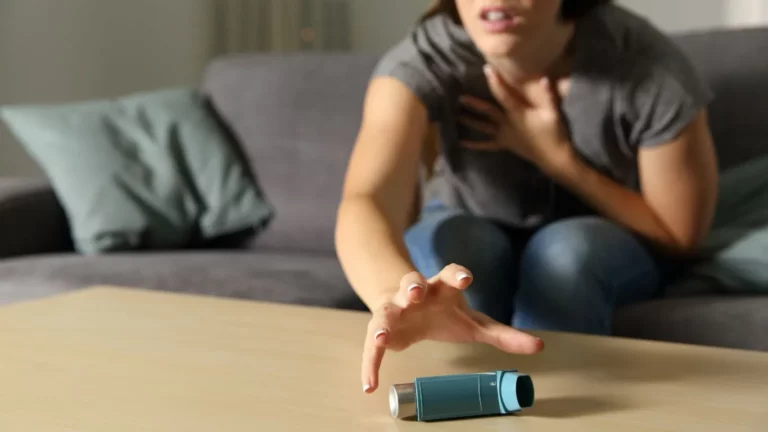
Recognizing these shifts matters. Anxiety can manifest physically too—headaches, nausea, even unexplained chest pain can be linked to anxiety. These aren’t just quirks—they’re signs your sibling might be struggling quietly.
Why Sibling Support Hits Different

Unlike parents or friends, siblings often have a unique mix of closeness and history. You’ve shared holidays, fights over the remote, and maybe even a bedroom. That bond can be both your secret weapon and your biggest challenge.
Don’t try to ‘fix’ them
One of the first things I learned—often the hard way—is that you can’t fix someone else’s mental health. Trying to talk my brother out of his anxiety or telling him to “just breathe” only made him retreat further.
Instead, try this:
- Validate their feelings—don’t minimize them.
- Listen more than you talk.
- Ask how you can help instead of assuming.
Sometimes, the best thing you can do is just be there. Quiet company during a bad day, or sending a meme to say “thinking of you”—these little things add up.
Start with Conversations That Don’t Feel Like Therapy

I learned that the most productive talks didn’t happen during “we need to talk” moments. They happened while driving, walking, or watching a show together. Keep it casual, low pressure, and give them space to lead.
Openers that worked for me:
- “Hey, you’ve seemed a little off—want to grab a coffee and talk?”
- “I’ve been feeling anxious lately. Have you ever felt that way?”
- “No pressure, but if you ever need to vent, I’m here.”
These types of conversations often lead to deeper moments organically. You might learn what triggers their anxiety, or what calms them. And if they don’t open up? That’s okay. Just knowing you’re there can be enough.

Therapy, medication, breathing exercises—there’s a whole world of treatment options. But to someone with anxiety, even finding help can feel like another mountain to climb. This is where siblings can offer real-life backup.
I once helped my brother find a therapist by doing the research he didn’t have the energy to do. I even went with him to his first appointment—not in the room, but in the waiting area. That made a difference.
There are lots of therapy routes. Some respond well to Cognitive Behavioral Therapy (CBT), while others find surprising relief through EMDR or progressive muscle relaxation.
If they’re open to treatment, offer help:
- Find therapists or support groups nearby
- Send over credible resources (not TikTok “life hacks”)
- Be their accountability buddy—check in without pushing
But again, never force it. Some people need more time before they’re ready to seek help. And if they’re already trying, celebrate that effort. It’s not easy.
Protect Your Own Mental Health Too

I’ll be real—it’s draining. Supporting someone with anxiety can start to feel like you’re carrying both your emotional backpack and theirs. That’s why setting boundaries isn’t selfish—it’s necessary.
Keep your cup full
Here’s what helped me stay grounded while helping my brother:
- Seeing my own therapist to process the stress
- Journaling on tough days instead of bottling it up
- Sticking to my own routines, even when he couldn’t
Sometimes I’d feel guilty taking time for myself, but burning out helps no one. Anxiety affects the whole family system. You matter too.
For a broader look at supporting loved ones and lifestyle adjustments, this self-help anxiety pillar guide covers many helpful approaches. And to really understand how anxiety can quietly take over everyday life, the main article here explains that better than I ever could.
Learn Their Triggers—And What Helps Calm Them

One of the most helpful things I ever did was learn my brother’s “early signs” of anxiety creeping in. At first, they weren’t obvious—just subtle changes like texting less or snapping at small things. But over time, patterns emerged.
It wasn’t about walking on eggshells. It was about noticing. When I saw him starting to spiral, I knew offering quiet company, a distraction, or even a specific type of music helped more than a forced conversation.
Ask what works for them—not what you assume works
- “Would it help if we got out of the house for a bit?”
- “Do you want to talk it through, or just hang out in silence?”
- “Want to try that breathing exercise again together?”
Some people genuinely respond to breathing exercises or light movement. Others prefer to write, draw, or just be left alone for a while. The point is—let them lead the way.
Make Their Environment Feel Safe—Even If It’s Just for a Moment

When anxiety is high, even the smallest things can feel overwhelming. I once cleaned my brother’s room when he was spiraling—just to reduce that visual chaos. He didn’t ask, but later told me how much lighter it made him feel.
You can’t fix their world, but you can create safe zones—moments, places, or routines that offer a little peace.
Small things that make a big difference
- Noise-canceling headphones when they feel overstimulated
- Keeping social interactions low-pressure
- Respecting their space without isolating them
- Leaving affirming notes or silly drawings where they’ll find them
There’s science behind this too. The environment plays a massive role in mental health regulation. A cluttered, noisy, or unpredictable setting can quietly worsen anxiety symptoms according to the National Institute of Mental Health.
Normalize Mental Health Like You’d Normalize Physical Health

My brother once told me the hardest part wasn’t the panic attacks—it was feeling like something was “wrong” with him. That stigma hits deep, especially in families that don’t talk about mental health openly.
So I started weaving it into normal conversations. Not making it a “topic,” but a natural part of life. Just like we’d talk about sore muscles or allergies.
Try casually mentioning a family history of anxiety or that your friend tried therapy and loved it. Let your sibling see that struggling doesn’t mean they’re broken—it means they’re human.
Support Looks Different for Every Sibling

I used to think supporting my brother meant deep talks and emotional check-ins. But for him, sometimes support looked like letting him sit beside me and say nothing at all. Or playing a mindless video game together. Or sending him the same cat meme every Monday like a ritual.
Let go of the idea that help has to be dramatic. It’s often subtle, steady, and quiet.
Different siblings need different things:
- Some need you to back off and let them process alone
- Others want constant communication and check-ins
- Some will text when they’re ready—others never will
Pay attention to what they don’t say. Listen to their patterns. And when in doubt, ask. “What helps you when you’re feeling anxious?” is a powerful question, even if the answer changes week to week.
Know When It’s Beyond You—And That’s Okay

As much as we love our siblings, we’re not their therapist. And we shouldn’t try to be. There came a point where I had to step back and encourage my brother to talk to someone trained for this. It wasn’t rejection—it was responsibility.
If your sibling’s anxiety is affecting their ability to function—like skipping work, having panic attacks daily, or isolating completely—it’s time for professional assessment and support.
You can still be their cheerleader. You can still walk beside them. But it’s okay to say, “I want to help—but I think this might be something we bring someone else in on too.” That’s not abandonment. That’s love in action.
And if you’re unsure where to even start, this guide on anxiety counseling options lays out the most realistic and effective therapy routes worth exploring together.
There’s No “Perfect” Way to Support Them—Just a Real One

Supporting a sibling through anxiety isn’t a checklist. It’s a fluid, often messy experience. You’ll get things wrong. You’ll say the wrong thing, or say nothing when you should’ve spoken up. And that’s okay.
The fact that you’re even reading this already makes you the kind of sibling they need—someone who’s trying. Who’s listening. Who sees them, even when they’re trying to hide.
If you take nothing else from this, let it be this: You don’t have to be perfect. Just be present. It matters more than you know.
For more on the deeper causes behind your sibling’s anxiety and how to spot the subtle ways it affects day-to-day life, check this helpful breakdown on hidden anxiety triggers and how anxiety can silently disrupt everything.

Camellia Wulansari is a dedicated Medical Assistant at a local clinic and a passionate health writer at Healthusias.com. With years of hands-on experience in patient care and a deep interest in preventive medicine, she bridges the gap between clinical knowledge and accessible health information. Camellia specializes in writing about digestive health, chronic conditions like GERD and hypertension, respiratory issues, and autoimmune diseases, aiming to empower readers with practical, easy-to-understand insights. When she’s not assisting patients or writing, you’ll find her enjoying quiet mornings with coffee and a medical journal in hand—or jamming to her favorite metal band, Lamb of God.