Osteitis Condensans Ilii In Young Women Can Disrupt Daily Life
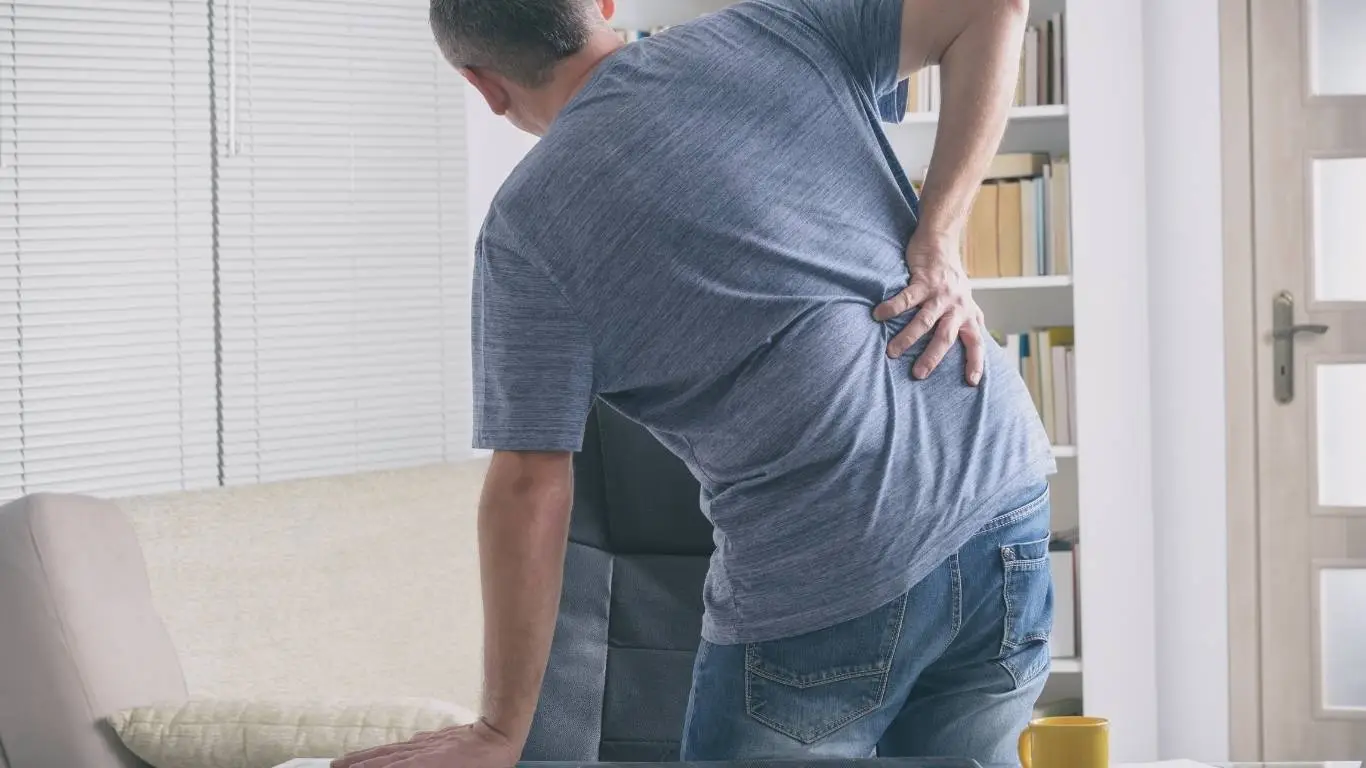
If you’ve been dealing with nagging lower back pain that just won’t go away—especially after pregnancy or while standing for long periods—you might want to look beyond common causes like muscle strain or sciatica. I remember when I kept brushing off my own discomfort, thinking it was just from lifting my toddler wrong. Turns out, I was dealing with something I’d never even heard of: osteitis condensans ilii. And it’s surprisingly common in young women, particularly those who’ve had children.
What Is Osteitis Condensans Ilii, Really?

Osteitis condensans ilii (OCI) is a benign condition that causes sclerotic thickening (hardening) of the ilium, near the sacroiliac (SI) joint. It’s not inflammatory, and it’s not the same as sacroiliitis or ankylosing spondylitis. Yet the symptoms can mimic those conditions: lower back pain, aching near the pelvis, and discomfort when standing or walking for extended periods.
The tricky part? OCI often gets missed on the first few visits to the doctor. Most women just get handed painkillers and sent on their way. And since it’s more common in postpartum women, the symptoms are usually dismissed as “normal new mom aches.” But this condition deserves attention—especially because it can affect your quality of life if not managed properly.
Why Young Women Are Especially Prone to OCI

The pelvic region undergoes intense biomechanical shifts during pregnancy. As the body prepares for childbirth, the pelvis widens, ligaments loosen, and weight distribution shifts—all of which can place abnormal stress on the sacroiliac joints. OCI tends to show up after these changes, especially in women who’ve had multiple pregnancies.
- Hormonal changes (especially relaxin during pregnancy)
- Increased mechanical load on SI joints
- Prolonged standing or poor posture post-delivery
- Pelvic instability or muscular imbalances
What’s wild is that some women don’t even experience symptoms until years after childbirth. I only started noticing my discomfort after I returned to work and began standing for long hours again.
Symptoms That Shouldn’t Be Ignored

OCI symptoms can range from dull to sharp and are typically felt low in the back, just above the buttocks. Unlike nerve-based pain, there’s rarely tingling or numbness. Here’s what to watch for:
- Persistent aching in the lower back or buttocks
- Stiffness, especially after sitting or sleeping
- Worsening pain when standing for long periods
- No pain radiating down the legs (that’s one key way to differentiate it from sciatica)
The pain is often centralized, unlike herniated discs that tend to shoot pain down a limb. In my case, I could point to the exact spot—it felt deep and sore, not sharp or electric.
How It’s Diagnosed (And Often Misdiagnosed)

Because OCI isn’t well-known, it can easily be misdiagnosed as sacroiliitis, mechanical low back pain, or even degenerative disc disease. Diagnosis is typically made using plain radiographs (X-rays), which show a characteristic triangular sclerosis pattern on the iliac side of the SI joint.
Unfortunately, many clinicians don’t connect the dots. You may need to advocate for imaging or even request a second opinion if you’re not getting answers. Here’s a helpful breakdown:
- X-ray: Triangular areas of sclerosis near SI joint
- MRI: Usually unnecessary unless ruling out inflammation
- Labs: Normal inflammatory markers (helps distinguish from autoimmune conditions)
For more insight into accurate diagnosis and why this matters, read red flags in back pain diagnosis.
What You Can Do To Manage It (No, It’s Not Permanent)

The good news? OCI is benign and often self-limiting. That said, living with the pain is no picnic, especially when you’ve got kids, a career, or just a life to get on with. Treatment is mainly conservative:
- Physical therapy – Strengthening the core and glutes can stabilize the pelvis
- Posture correction – Avoid prolonged standing or unsupported sitting
- Heat therapy – Great for easing muscular tension near the SI joint
- NSAIDs – Short-term use during painful flares
Some women benefit from targeted SI joint exercises. Check out these back stretches that actually relieve tension and incorporate them into your daily routine. And don’t skip glute activation—weak glutes are often part of the problem, as this weak glutes and back strain guide explains well.
Other Conditions It Can Be Confused With

OCI can masquerade as other spinal issues, which is why it’s crucial to rule out inflammatory or degenerative causes. Here’s a quick breakdown of what it can be mistaken for:
- Ankylosing spondylitis – But OCI lacks inflammation
- Lumbar radiculopathy – No nerve involvement with OCI
- Piriformis syndrome – Radiates pain into the leg, which OCI doesn’t
Getting the right diagnosis isn’t just about naming the condition—it’s about peace of mind. I wasted months trying generic remedies that weren’t even relevant to what I was experiencing. Once I had a clear diagnosis, everything shifted. I knew what to avoid and what to target.
To get a broader understanding of the many causes of lower back pain in women, you may want to explore this guide on back pain in special populations. You’ll find it eye-opening, especially if you’re postpartum or in your 30s or 40s.
And for a full foundation on how back pain is approached holistically, the main back pain hub is where it all begins—covering everything from causes to treatment strategies that actually work.
How to Stay Active Without Making OCI Worse

One of the hardest things about dealing with osteitis condensans ilii is figuring out how to stay active without aggravating the pain. I remember trying to do a simple Pilates class and instantly regretting it—every hip bridge felt like a punch to my lower back. But with a few adjustments, movement can become your best friend again.
Here’s what worked for me and many others I’ve talked to:
- Low-impact activities like swimming or walking on flat surfaces
- Core stability workouts that avoid deep twisting or forward bending
- Using back braces temporarily during more intense movement days
- Daily resistance band routines to strengthen the hip girdle
Try to avoid anything that compresses the SI joint further—this includes running on hard surfaces, heavy squats, or prolonged stair climbing. Instead, focus on movements that promote pelvic alignment and SI joint stability.
Supportive Tools That Actually Help
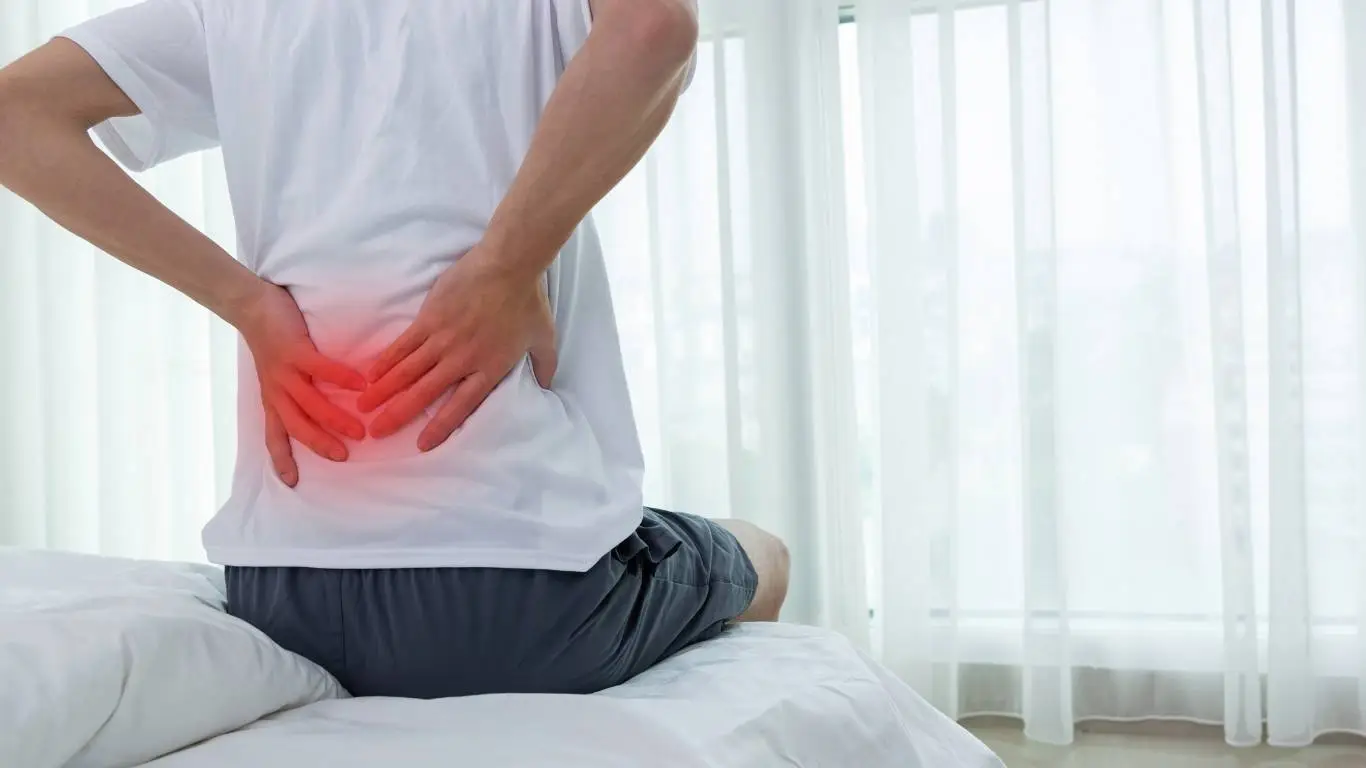
When the pain was at its worst, I relied heavily on a few tools that honestly made day-to-day life bearable. Here are some worth trying:
- Lumbar support cushions for office chairs and car seats
- Proper sleeping positions—side-sleeping with a pillow between knees helped me a lot
- Foam rollers or massage guns for surrounding muscle relief
- Supportive mattresses to maintain spinal alignment overnight
Don’t underestimate the power of micro-adjustments. The way you sit, drive, sleep, and even walk matters a lot with OCI. Small gear changes can lead to big pain reductions over time.
Why Ignoring Pelvic Stability is a Mistake

The SI joint doesn’t act alone—it’s supported by muscles, fascia, and pelvic structure. When one of those is off, your back takes the hit. I learned this the hard way. After months of trying every stretch imaginable, I finally worked with a physical therapist who zeroed in on pelvic instability.
We focused on:
- Glute medius and minimus strengthening
- Transverse abdominis activation
- Pelvic floor integration (yep, those exercises matter more than you think)
Addressing muscle imbalances causing back pain made a bigger difference than any painkiller ever did. You can’t stretch your way out of instability—you need structure and strength.
Mental and Emotional Side of Chronic SI Joint Pain

Chronic pain messes with your head. That’s just real talk. I found myself becoming anxious, short-tempered, and even depressed some days. When you’re in pain constantly, especially when doctors say “there’s nothing seriously wrong,” it chips away at your mental state.
What helped?
- Talking to a counselor about pain-induced anxiety
- Practicing mindfulness meditation and body scans
- Tracking pain patterns in a journal (like these chronic pain journals)
There’s also real science backing the connection between mind and back pain. The benefits of cognitive behavioral therapy (CBT) for chronic back pain have been documented across multiple reputable sources including ncbi.nlm.nih.gov and mayoclinic.org.
When to Seek a Specialist (and What to Ask)

If you’ve tried conservative care for over 3 months with little progress, it’s time to consult a spine or pelvic health specialist. It took me seeing a third orthopedic doctor before OCI was even brought up.
Here’s what to ask during your next appointment:
- “Can we rule out inflammatory sacroiliitis through imaging or bloodwork?”
- “Does my X-ray show triangular sclerosis patterns near the SI joint?”
- “Would pelvic floor therapy or SI joint stabilization benefit my symptoms?”
If your symptoms persist despite care, you might also explore interventional options, though they’re rarely needed. For example, SI joint injections can sometimes confirm or relieve the source of pain.
Looking Ahead With Optimism

The most empowering part of learning about OCI is that it’s not progressive, not dangerous, and you have tools to manage it. It’s about building strength, not just masking pain. It’s about structure, not suffering. And it’s about knowing your body better than anyone else.
For a deeper understanding of how posture, exercise, and ergonomics influence chronic pain recovery, I highly recommend exploring this guide on exercise and ergonomics for back pain. It’s a game changer.
And of course, everything ties back to the bigger picture of back pain—covered comprehensively in the main back pain portal. Bookmark it. You’ll want to come back again and again.

Camellia Wulansari is a dedicated Medical Assistant at a local clinic and a passionate health writer at Healthusias.com. With years of hands-on experience in patient care and a deep interest in preventive medicine, she bridges the gap between clinical knowledge and accessible health information. Camellia specializes in writing about digestive health, chronic conditions like GERD and hypertension, respiratory issues, and autoimmune diseases, aiming to empower readers with practical, easy-to-understand insights. When she’s not assisting patients or writing, you’ll find her enjoying quiet mornings with coffee and a medical journal in hand—or jamming to her favorite metal band, Lamb of God.