Why Vaginal Steaming May Worsen BV Relief and What to Do Instead
Let’s talk about something a little less conventional—but definitely buzzing in wellness circles lately: vaginal steaming. I remember hearing about it from a friend who swore it “balanced everything down there.” Naturally, curiosity got the better of me. But here’s the thing: when you’re dealing with something like bacterial vaginosis (BV), you don’t want to throw your vaginal microbiome into more chaos. So I started digging—Is vaginal steaming actually safe for BV relief?
What Exactly Is Vaginal Steaming?

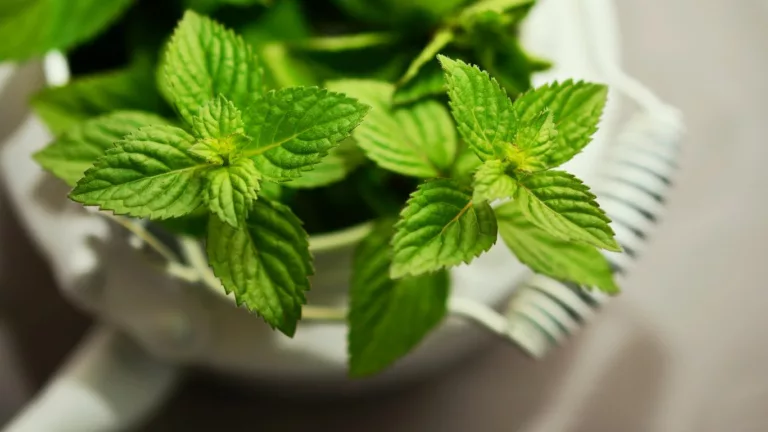
Also known as V-steaming or yoni steaming, vaginal steaming involves sitting or squatting over a pot of hot herbal-infused water, letting the steam rise into the vaginal area. It’s often infused with ingredients like mugwort, rosemary, chamomile, and lavender.
The practice traces its roots back to ancient medicine traditions from Korea, Central America, and parts of Africa. It’s said to cleanse the vagina, improve menstrual cycles, and ease symptoms related to infections or hormonal imbalance. But how much of this is rooted in science?
The Problem with BV: Why You Have to Be Extra Cautious

Bacterial Vaginosis isn’t your average infection. It’s not about “bad bacteria” invading—it’s about the natural bacteria balance getting knocked out of whack. That imbalance often results in discharge, itching, and the signature fishy odor associated with BV.
Because BV is linked to a disturbance in pH and microbiota, doing anything that adds moisture, heat, or disrupts your pH further is risky business. Steaming exposes your delicate vaginal flora to heat and potential irritants, and there’s growing concern it may actually contribute to recurring BV in some people.
Is There Any Scientific Evidence Vaginal Steaming Helps BV?

Not really. Most medical organizations—including ACOG and NHS—advise against vaginal steaming for any medical purpose, including BV. There’s just no substantial clinical data proving it works for this type of infection. In fact, there are reported cases of burns and increased irritation.
One NIH case study even highlighted a patient who suffered second-degree burns due to vaginal steaming. If the goal is soothing BV symptoms, that’s clearly not the outcome you’re looking for.
Why the “Natural” Label Doesn’t Always Mean Safer
It’s easy to fall for the idea that herbs and steam = gentle healing. But “natural” doesn’t always mean non-irritating. Many herbs used in steaming are antibacterial—sounds good, right? Except when you consider they don’t discriminate between harmful bacteria and the good Lactobacillus that keeps your vagina balanced.
If you’re curious about what ingredients to actually avoid or embrace when managing BV, this guide on foods to avoid when prone to BV is worth bookmarking.
What Women Are Saying: Mixed Reviews and Personal Caution

I’ve talked to women who said they felt temporarily “fresher” after steaming. But others experienced itching, more discharge, or a return of symptoms a few days later. My own experience? A slight burn sensation and no real improvement. That was enough for me to back off for good.
While some folks report relief, the inconsistency of results and the lack of scientific backup should raise red flags, especially if you already struggle with chronic or recurring BV.
Steam + Sensitive Tissues = A Risky Combo
Your vaginal tissues are thin, highly absorbent, and susceptible to heat damage. Steaming introduces heat directly to that area, often at temperatures that can’t be precisely controlled. That’s a recipe for disruption—and pain.
Even sitting too long in a hot bath is sometimes discouraged for BV-prone women. So introducing steam with antibacterial herbs? Double-edged sword.
Better Alternatives to Try First

Before turning to steam, consider these safer, science-backed strategies for BV:
- Probiotics – Not all probiotics are created equal, but certain strains can help rebuild vaginal flora. Here’s how to choose the right ones.
- pH-balancing washes – Not douches, but gentle washes formulated for vaginal health can offer relief.
- Supplements – Things like folic acid and Vitamin D are linked to improved vaginal immunity.
- Herbal soaks – If you love the herbal angle, consider a warm sitz bath for external use instead of full-on steaming.
For a more holistic view of natural support for BV, check out this collection of natural remedies and herbal insights that don’t involve direct steaming.
When to Absolutely Skip Steaming
- If you’re pregnant or trying to conceive
- If you have any open sores, irritation, or diagnosed BV
- If you’re recovering from childbirth or surgery
- If you’ve had previous sensitivity to herbal products
The potential risks outweigh the benefits for most women, especially those with active infections or sensitive tissue conditions.
Want a broader understanding of how lifestyle and natural strategies fit into your overall BV journey? This pillar guide on lifestyle, diet, and natural remedies is the best place to start. It’s packed with helpful, non-hype info.
And if you’re still new to the whole BV conversation and want to understand it from the ground up, I’d also recommend skimming through the main overview of BV here to get familiar with causes, types, and symptoms.
What About Traditional Healers and Cultural Perspectives?

In many cultures, vaginal steaming is more than a health trend—it’s a postpartum rite, a method of spiritual cleansing, and part of ancestral wisdom. I totally respect that. In fact, I spoke to an herbalist during a retreat in Bali who was trained in Jamu practices, and she shared how steaming was more about energy release and emotional healing than actual bacterial concerns.
That said, tradition doesn’t always translate to medical safety, especially when dealing with a condition as sensitive as BV. You can appreciate the ritual while also choosing a more evidence-based route for symptom relief. If you’re unsure whether your current symptoms are related to BV or something else, it’s crucial to understand the differences between BV and other vaginal infections before trying DIY methods.
Herbs Used in Steaming—Friend or Foe?

Here’s a breakdown of popular herbs and what they’re said to do versus how they actually interact with BV:
- Mugwort: Believed to stimulate blood flow—dangerous if you have inflammation or active infection.
- Rosemary: Antibacterial, yes, but also drying and potentially irritating for vaginal mucosa.
- Lavender: Calming, smells great—but some women develop contact dermatitis from it.
- Basil: Said to restore hormonal balance, but little evidence it supports vaginal pH balance.
Just because something has benefits doesn’t mean it belongs inside—or even near—your vaginal canal. Probiotics still remain the most promising natural route to support your flora internally.
Better Safe Than Sorry: What Actually Works for BV Relief

If you’re feeling defeated because steaming isn’t the holy grail fix you hoped it’d be, you’re not alone. I’ve been there. Here’s what actually helped me (and what’s supported by research too):
- Hydrogen peroxide rinse – Mild, diluted rinses (per some doctors’ recommendation) can help reduce odor and rebalance flora. But never overdo it or go off-label without professional guidance.
- Vaginal probiotics – Yes, you can take them orally, but some strains designed for vaginal insertion are even more effective. They’re especially great post-antibiotic.
- Boric acid suppositories – If you’re battling recurrent BV, this might be the holy grail. It’s been used for decades in gynecology and can restore pH and prevent relapses.
As someone who dealt with flare-ups nearly every cycle, switching from harsh soaps and pads to pH-neutral washes and cotton-only underwear helped way more than any herb ever did. Underwear choices actually matter a lot more than most realize.
The Psychological Side of BV (and Why That Matters)
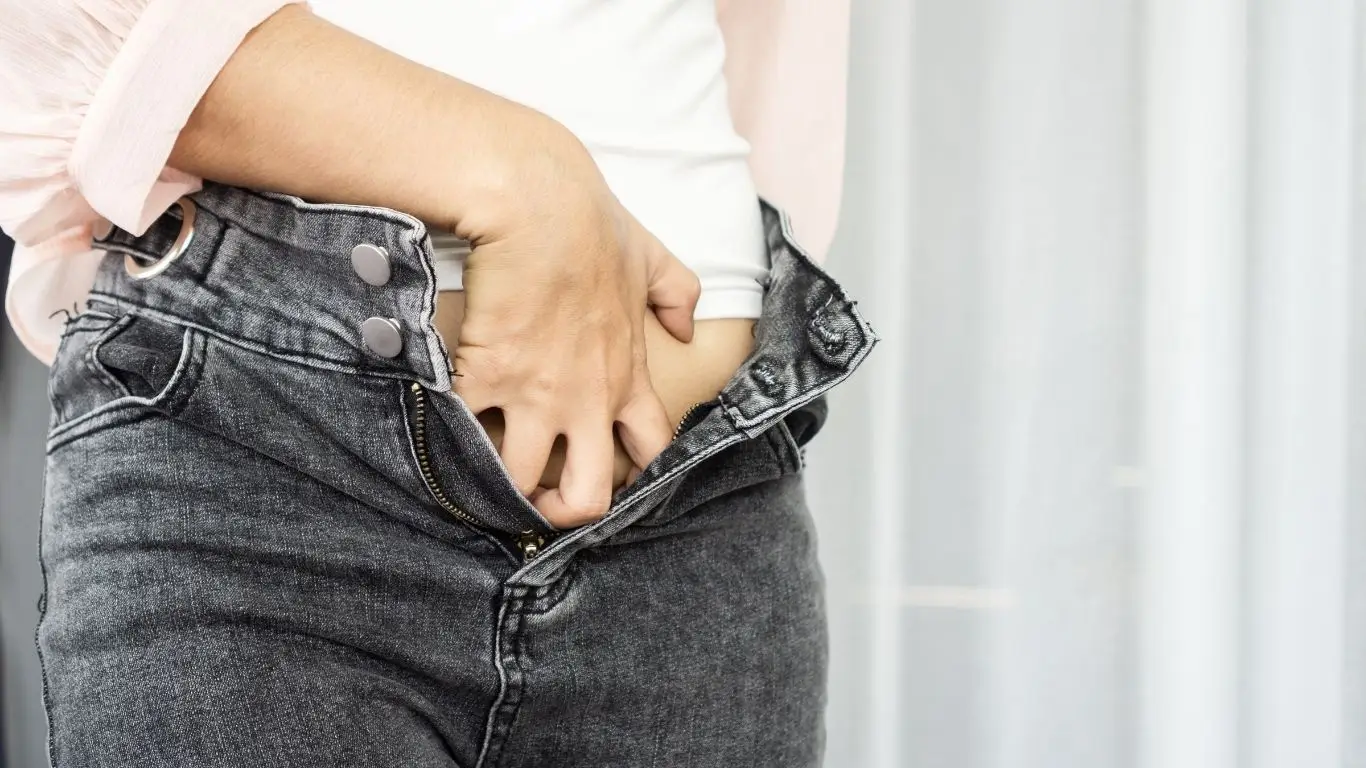
BV doesn’t just show up physically. The emotional toll it takes is real. Feeling embarrassed, stressed, or constantly checking for odor or discharge—I’ve done it all. And guess what? Stress may even worsen BV by disrupting your immune responses and gut-vaginal axis.
If you’re tired of “just dealing with it,” it may help to track symptoms in a journal. I started noting everything—diet, stress, sex, new products—and over time, patterns emerged. It’s a lot easier to treat BV when you understand your personal triggers.
What You Should Definitely Avoid If You Have BV

Aside from steam, here’s what made my symptoms worse (and what most experts agree you should ditch):
- Scented products – Including soaps, pads, and even some toilet papers.
- Bath bombs – Super cute, but terrible for pH balance. Here’s why they’re not BV-safe.
- Douching – Just don’t. It wipes out the good bacteria your vagina needs.
- Tight, synthetic underwear – This is a slow destroyer of healthy flora. Cotton really is queen.
If you’re actively managing BV and still unsure about which products or habits might be undermining your progress, the long-term prevention strategies for BV break it all down in practical steps.
Still Curious About Natural Support?

Nature definitely has a role in healing—just not always in the ways we think. There are solid natural methods to support BV recovery, but it’s all about doing it smart. You might also find this broader look at lifestyle, diet, and natural approaches to BV helpful if you want to support your body gently, without overcomplicating things.
Looking for clarity on how all this fits into your vaginal health journey? Dive deeper into the full BV resource hub to understand how different treatments, causes, and routines work together.

Dr. Gwenna Aazee is a board-certified Internal Medicine Physician with a special focus on hypertension management, chronic disease prevention, and patient education. With years of experience in both clinical practice and medical writing, she’s passionate about turning evidence-based medicine into accessible, actionable advice. Through her work at Healthusias.com, Dr. Aazee empowers readers to take charge of their health with confidence and clarity. Off the clock, she enjoys deep dives into nutrition research, long walks with her rescue pup, and simplifying medical jargon one article at a time.