Best Ways To Manage Odor Between BV Treatments Naturally
Bacterial Vaginosis (BV) has a way of showing up uninvited and sticking around longer than anyone wants. And honestly, it’s not just the infection itself that’s exhausting—it’s the in-between moments, especially when you’re between treatments and the *odor* decides to linger. If you’ve been there, you know exactly what I’m talking about. That awkward moment when you’re fresh out the shower and you still don’t feel… well, fresh. I’ve had my fair share of run-ins with BV, and while I’ve found effective treatments, managing the odor in between has been a learning curve. Here’s everything I’ve learned from real-life experience, expert-backed insights, and a whole lot of trial and error.
Understanding the Why Behind the Odor

First things first: BV odor is a symptom, not the problem itself. It’s your body’s way of signaling that your vaginal flora is off balance. The smell—often described as “fishy” or sour—comes from an overgrowth of anaerobic bacteria. These bacteria release amines, which are responsible for that distinctive scent. And here’s the kicker: even after treatment, it can take a while for your vaginal microbiome to rebalance itself, which is why the odor sometimes lingers or flares back up.
Triggers You May Be Overlooking
- Period aftermath: Blood’s pH can throw off your vaginal balance.
- Post-intercourse changes: Semen is alkaline and can worsen odor temporarily.
- Soaps or wipes: Even the unscented ones can disrupt your pH.
- Stress: Yep, high cortisol levels have a way of messing with your flora too.
Digging deeper into these triggers helped me start treating odor as a manageable symptom, not a mysterious enemy. If you’re curious, here’s a useful breakdown on how stress affects BV and how I learned the hard way that even my emotions were playing a role.
Everyday Tips That Actually Work

Let’s cut the fluff—managing odor between BV treatments means you’ll have to get intentional with your hygiene, your habits, and your choices. I used to believe I needed more cleaning down there, but what I really needed was smarter support.
Rebuild with Probiotics (The Right Way)
Not all probiotics are created equal. After a few disappointments, I found strains like Lactobacillus rhamnosus and reuteri helped most with reducing odor. Some research even backs their role in restoring vaginal flora. The key is consistency—I take them orally and occasionally use vaginal suppositories (but only as recommended).
If you’re just starting out with probiotics, check out this guide to choosing probiotics for BV. It helped me avoid the trial-and-error loop.
Switch to Breathable Everything
- Underwear: Cotton or bamboo, never synthetic
- Pajamas: Skip the tight leggings at night
- Pads or liners: Fragrance-free and changed often
I started using only cotton underwear, and I noticed a real difference. It’s a small change with a big impact.
Instant Odor Fixes (For When You’re Desperate)

Apple Cider Vinegar Rinse
Okay, hear me out—apple cider vinegar won’t cure BV, but a super-diluted rinse (never inserted!) can help neutralize odor. I use about 1 tbsp in a full basin of lukewarm water. It’s a gentle option and shouldn’t replace actual treatment, but when you’ve got an event and need something quick, it’s a trick I swear by. Just be sure to read more about how apple cider vinegar affects BV.
Unscented Feminine Wipes
Not all wipes are created equal. I’ve tested dozens, and the only ones I keep repurchasing are pH-balanced, paraben-free, and completely unscented. Avoid anything with “fragrance” listed—it almost always leads to irritation later. Here’s an honest breakdown on products that actually help without disrupting pH.
Boric Acid (With Caution)
This one isn’t for everyone, but if you’ve cleared your infection and just need help with odor, boric acid can be helpful short-term. It’s been a backup option I turn to maybe 1–2 times a month. Do not overuse it or use it during active infection unless your doctor gives the green light.
Long-Term Habits to Build Resilience

BV odor may feel like a short-term nightmare, but what really helps in the long run is lifestyle. I made a few sustainable changes that helped reduce how often I deal with BV, let alone the odor that tags along.
- Hydration: More water = better mucosal balance.
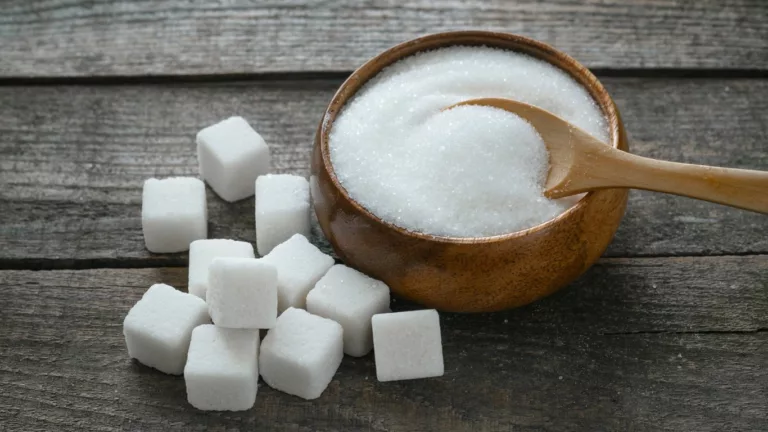
- Low-sugar diet: Sugar feeds the bad guys. This was a game-changer for me.
- Manage stress actively: Journaling, walking, anything that lowers cortisol helps more than you’d think.
And yes, diet matters more than I expected. Here’s a piece on what to avoid when managing BV—I didn’t realize how even my morning smoothie was contributing to my symptoms.
Why It’s Not Just About Odor
When you manage odor well, you’re not just masking a symptom—you’re building habits that support your overall vaginal health. That means fewer flare-ups, fewer treatment cycles, and way more peace of mind. I still check in with long-term solutions to keep things on track.
For a deeper dive into how BV affects your body overall, I’d also recommend checking out the main bacterial vaginosis page as well as this essential guide on vaginal odor linked to BV. If you’re navigating the bigger picture of recurring issues, the recurring BV pillar page ties it all together beautifully.
For a full understanding of vaginal health, hygiene, lifestyle, and natural care, the BV lifestyle and remedy pillar is gold—seriously, bookmark that one.
What Not to Do (Mistakes I Learned the Hard Way)

Managing odor between BV treatments doesn’t just come down to what you should do—it’s also about avoiding what can make it worse. I made almost every mistake in the book at some point, thinking I was helping when I was actually aggravating the situation.
1. Over-washing or Douche Obsession
It’s tempting, I know. That feeling of *I need to scrub everything away* can be overwhelming. But the truth? Douching messes with your pH and wipes out the good bacteria you’re trying so hard to rebuild. I ditched all internal cleansing products and switched to a gentle, pH-balanced external wash—nothing more.
2. Using Scented Pads, Soaps, or Liners
Those floral-scented pads seemed like a good idea when I was trying to “cover up” the odor. But they only made things worse—more irritation, more imbalance. I stick to fragrance-free, breathable options now, and I’m way better off for it.
3. Wearing Tight Clothes for Too Long
Gym leggings all day? Guilty. I had no idea how much tight, non-breathable fabrics could affect airflow and moisture balance. I still wear them to work out, but I change right after and go commando under loose clothing when I can. Game changer.
Natural Products That Genuinely Help

I went down a rabbit hole of natural remedies before finding the few that actually made a difference. Not everything marketed as “natural” is safe or effective, but these have earned a permanent spot on my shelf.
Yogurt (the right kind)
I was skeptical at first, but plain, unsweetened yogurt with live cultures helped me manage odor when I used it as a dietary supplement—not as a DIY remedy. Eating it daily made a noticeable difference in just a week or two. More on how yogurt supports BV recovery here.
Tea Tree Oil
Super potent, so I never used it undiluted. I mixed a couple of drops with coconut oil and used it externally only—never inside. It helped with inflammation and kept odor at bay. It’s not a miracle, but it’s definitely one of the better natural tools I’ve used. Learn more about how tea tree oil works for BV.
Coconut Oil
Speaking of, coconut oil is anti-fungal, anti-bacterial, and incredibly soothing. I apply a small amount externally post-shower and let it absorb before dressing. Keeps moisture in check and odor under control.
Keeping Things Balanced During and After Treatment

One thing I didn’t realize until much later is that managing BV is often more about long-term care than treating the infection itself. Between treatments, you’re laying the groundwork to prevent the next flare-up. That means supporting your vaginal microbiome consistently, not just reacting to symptoms.
Here’s What My Routine Looks Like Now:
- Daily oral probiotic (with specific vaginal strains)
- Plain yogurt or kefir in my diet
- Cotton underwear 100% of the time
- Hydration: at least 2–3 liters of water daily
- Tracking triggers with a simple notes app: foods, period timing, products
This routine helped me cut down my BV recurrences from monthly to maybe once or twice a year, and the odor is practically nonexistent in between. If I start to feel off, I follow my checklist and usually bounce back quickly.
Sex, Partners, and BV: Let’s Talk

Here’s a real talk moment—sex can absolutely be a factor in BV odor between treatments. Semen alters pH, and if you’re not using protection, it can prolong your recovery time or trigger a flare-up. I didn’t realize how much it affected my situation until I started tracking symptoms around intimacy.
Open communication with your partner is crucial. There’s even some evidence that partners might harbor BV-associated bacteria, especially if symptoms keep recurring. Here’s a deeper dive into whether you should treat your partner too.
It’s not about shame—it’s about partnership and health. Once we got aligned, my partner and I built a routine that worked for both of us: showering before and after intimacy, using condoms, and scheduling intimacy away from ovulation and period days when I’m more sensitive.
When It’s More Than Just Odor

Sometimes, persistent odor is your body’s way of saying, “Hey, this is more than just a side effect.” If you’re following every good habit and things still smell off, it could be a sign of chronic or recurring BV. I ignored it for months thinking I just hadn’t nailed my routine, when I really needed a second look at my diagnosis.
BV can overlap with other vaginal infections, including yeast or even trichomoniasis. Here’s how to tell the difference between BV and other issues. Trust your instincts—if something doesn’t feel right, don’t just mask it. Get a swab, not guesswork.
Testing Tips
- Ask your provider for a pH test and whiff test
- Request a full vaginal flora panel if you have frequent symptoms
- Consider at-home BV test kits (some are surprisingly accurate): read this first
Building a Long-Term Game Plan

Managing odor between BV treatments isn’t about just getting through the discomfort—it’s about building a system that works. Mine includes mindful hygiene, better nutrition, and tools like boric acid or ACV when necessary. And honestly? It took a while to get it right. I stumbled, got frustrated, had “why me?” moments… and kept going.
What really helped was understanding that odor was a signal, not something to hide or be ashamed of. When I finally stopped fighting my body and started working with it, things shifted.
BV is common, but that doesn’t mean it has to rule your life. Odor management is just one piece of the puzzle. For the full picture of long-term BV resilience, I highly recommend exploring this cornerstone guide on long-term BV prevention.
And if you’re starting from scratch or need to reset your approach entirely, the main hub on bacterial vaginosis is where I’d begin—it’s grounded, practical, and actually helpful.
Oh—and one last gem? Bookmark this lifestyle page: BV lifestyle and natural remedies. Trust me, you’ll go back to it more than once.

Dr. Gwenna Aazee is a board-certified Internal Medicine Physician with a special focus on hypertension management, chronic disease prevention, and patient education. With years of experience in both clinical practice and medical writing, she’s passionate about turning evidence-based medicine into accessible, actionable advice. Through her work at Healthusias.com, Dr. Aazee empowers readers to take charge of their health with confidence and clarity. Off the clock, she enjoys deep dives into nutrition research, long walks with her rescue pup, and simplifying medical jargon one article at a time.