Synthetic Underwear May Be Causing Your BV Problems
If you’ve ever dealt with that weird, fishy odor or unexplained discharge and then realized your choice of underwear might be playing a role… yeah, I’ve been there too. And while it’s tempting to dismiss it as “just one of those things,” bacterial vaginosis (BV) doesn’t exactly go away quietly. So, let’s talk about one sneaky trigger we often overlook: synthetic underwear. Yep—your pretty lace or stretchy nylon pairs might be doing more than just looking good.
Can Wearing Synthetic Underwear Really Cause BV?

Most people don’t think twice about fabric choice when buying underwear. Comfort? Check. Looks cute? Double check. But breathable? That part’s often ignored—and that’s where the trouble starts. Synthetic materials like polyester, nylon, and spandex tend to trap moisture and heat. That creates a warm, damp environment that harmful bacteria just love. And guess what? That environment can disrupt your vaginal pH and invite an overgrowth of *Gardnerella vaginalis*, one of the bacteria behind BV.
What Makes Synthetic Fabric a Problem?
- Moisture retention: These fabrics don’t wick away sweat well, so everything stays… a bit too cozy down there.
- Limited airflow: Less ventilation means your skin can’t breathe, which can throw off the natural flora.
- Friction and irritation: Tight synthetic underwear can cause micro-abrasions, making it easier for bad bacteria to multiply.
Been there myself—after switching from cotton to a set of silky-looking synthetic briefs, I noticed more discharge than usual and a recurring odor that didn’t feel normal. One trip to my OB-GYN later, and yep: BV.
Understanding the Link Between Underwear and Vaginal Health

Your vaginal microbiome is a delicate system. It thrives when it’s balanced with good bacteria like Lactobacillus, which helps keep the vaginal pH slightly acidic. But when that balance is thrown off—whether from stress, antibiotics, or, yes, synthetic fabrics—BV can sneak in.
According to NIH, BV is the most common vaginal condition in women aged 15-44. Yet, it’s often misunderstood and mistreated. One overlooked prevention tip? Switch to breathable, natural fabrics. Cotton underwear allows air circulation, absorbs moisture, and creates an environment that discourages harmful bacterial overgrowth.
Key Indicators Your Underwear Might Be Contributing
- Frequent moisture in your intimate area even when you’re not sweating.
- Recurring BV episodes, especially after wearing tight or synthetic fabrics.
- Irritation or itching with no apparent cause.
Been there, done that. After rotating my wardrobe to include 95% cotton panties, the difference was obvious. Fewer recurrences. No funky odor. Just a lot less guessing and stress.
How BV Feels — and What It’s Not

Let’s clear this up—BV isn’t usually painful, and that’s what makes it so sneaky. It can show up with a thin, grayish discharge, a strong “fishy” smell (especially after sex), and maybe some irritation. But no fever, no cramps, and no obvious signs that scream “Hey, something’s wrong down here!”
Still wondering if what you’re feeling is BV? This article can help: Can You Have BV Without Pain?. It’s surprisingly common to have it and not realize until the symptoms start cycling on and off.
Yeast Infection or BV?
These two often get confused. Yeast infections usually cause intense itching and thick, white discharge. BV? Not so much itching, but an odor that’s hard to ignore. If you’re unsure, here’s a helpful breakdown: BV vs. Yeast Infections.
Pro Tips to Keep BV at Bay (Yes, Including Underwear Swaps)
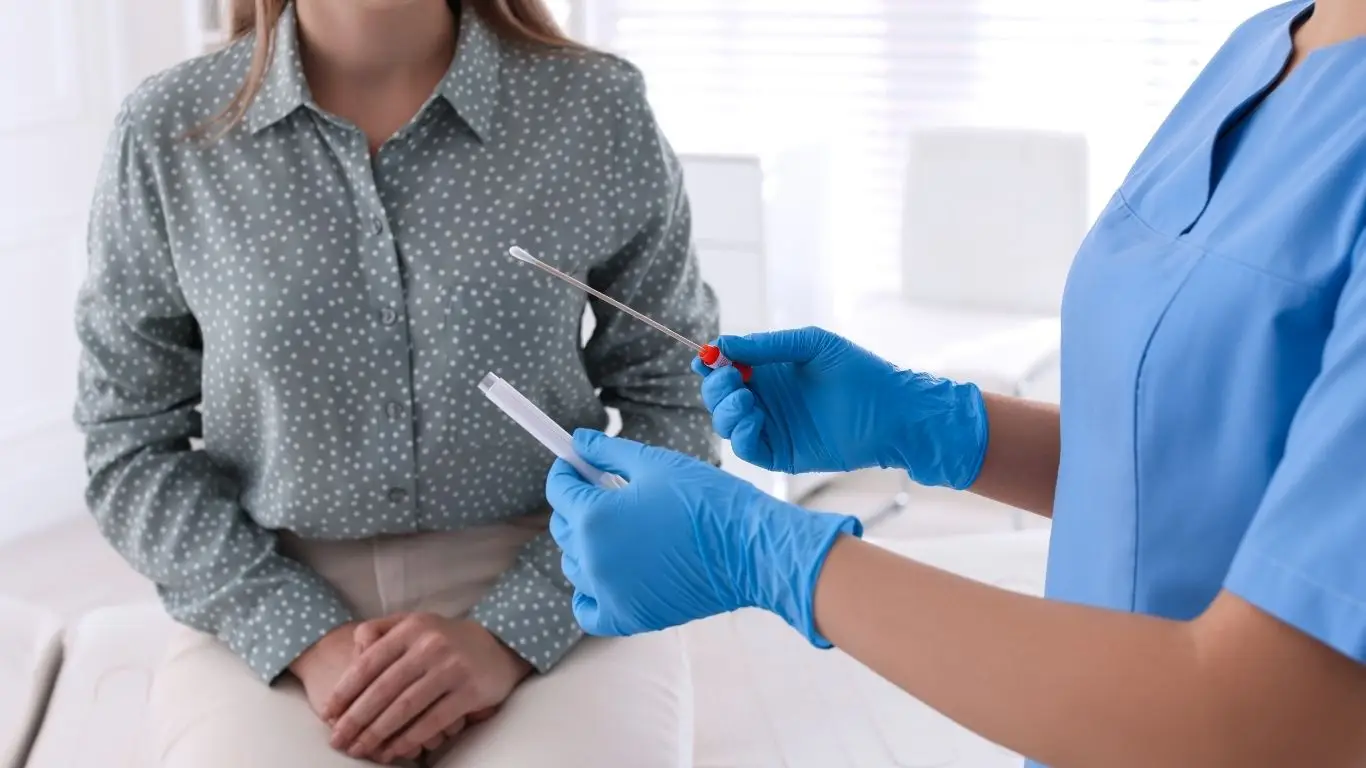
- Go natural: Choose cotton underwear—bonus if it’s organic.
- Change often: Especially after workouts or on hot days. Moisture is BV’s playground.
- Skip thongs for a while: They’re cute, sure, but they also shift bacteria where it doesn’t belong.
- Avoid douching: It disrupts pH and can make things worse. Read more here: BV and Douching Myths.
One of the best decisions I made was ditching all synthetic underwear (well, except for special occasions—you know how it is) and investing in breathable basics. I also learned a lot from this breakdown of BV prevention: Underwear and BV Prevention.
What to Do If You Suspect Your Underwear is Causing Issues

First, don’t panic. Just because you had one episode of BV doesn’t mean it’s your fault. But it could be your wardrobe nudging things in the wrong direction. Keep a mental note of what you wore and when the symptoms flared. Try switching to breathable cotton for a few weeks and see if things improve.
If BV continues to show up month after month, dig into this helpful piece on recurrence: Long-Term Solutions for BV.
Also worth your time: understanding how your overall vaginal ecosystem works. This is a solid place to start: Bacterial Vaginosis Main Resource. And if you’re trying to get a deeper understanding of natural strategies and everyday prevention, the natural remedies section is a game-changer.
Still curious about the bigger picture? You’ll want to explore this key guide: Underwear Tips for BV Prevention. And for a broader understanding of bacterial vaginosis in various contexts, the main BV pillar article has everything you need.
From lifestyle tweaks to daily habits, protecting your vaginal health doesn’t have to be a guessing game. Sometimes it’s as simple as rethinking what you wear under your clothes.
Why Synthetic Underwear Makes Recurrence More Likely

Let’s say you got treated for BV—everything cleared up, and then boom, two weeks later, it’s back. Sound familiar? That was my cycle for months. Turns out, even after successful treatment, if the cause isn’t addressed (like what you’re wearing every day), BV can creep back in faster than you’d expect.
Synthetic underwear doesn’t just help kickstart an episode; it can also make recurrences more frequent. Even the tiniest residual imbalance post-treatment can spiral again if the vaginal environment doesn’t get a chance to stabilize.
Can BV Be Triggered by Other Tight or Synthetic Clothing?
Yep. It’s not just underwear—think leggings, swimsuits, shapewear, or gym wear that’s not breathable. If you stay in tight, synthetic layers for long periods (especially when sweating), you’re basically inviting bacterial imbalance. If this sounds like your daily outfit routine, it might be worth reassessing.
Here’s an insightful breakdown of related flare-up triggers: What Triggers Recurrent BV in Women.
Choosing the Right Underwear for BV-Prone Skin

Switching to breathable, natural materials might seem like a tiny step, but for BV prevention, it’s a big one. I learned the hard way that sexy doesn’t always mean healthy. But thankfully, there are brands out there blending comfort and cute in organic cotton, bamboo, and even modal blends.
What to Look For
- 100% Cotton crotch: At a minimum, ensure the crotch area has breathable fabric.
- No synthetic lining: Even if the outer is lace or satin, the inner lining matters most.
- Tagless and seamless options: Reduce friction and irritation.
- Proper fit: Too tight can cause chafing and moisture retention.
If you need a checklist before shopping again, this one helps: BV-Friendly Underwear Guide.
Other Lifestyle Adjustments to Reinforce Vaginal Balance

Besides underwear, I had to rethink other parts of my routine—showering, supplements, even what I wore to sleep. And surprise: these small changes really added up.
Daily Practices That Help
- Sleep without underwear whenever possible. Let your skin breathe overnight.
- Use fragrance-free detergent for your panties. Perfumes and softeners can irritate delicate areas.
- Change after workouts immediately. Don’t sit around in damp leggings or yoga pants.
- Probiotic support—I started taking probiotics regularly, and they genuinely helped balance things out. Read more: Probiotics for BV.
Honestly, I used to think probiotics were just a wellness trend. But for BV? Game-changer. Especially the ones designed specifically for vaginal health—not just gut health.
Can Menstrual Products Make Things Worse?

If you’re like me and never thought twice about your pads or tampons, it might be time to. Some brands use synthetic or bleached materials, which can irritate sensitive skin and disrupt the microbiome.
Try switching to organic cotton options or menstrual cups. And avoid scented pads like the plague—they’re not doing you any favors. This guide lays it out clearly: BV and Tampons.
What Doctors Recommend (That You Can Actually Use)

It’s easy to get overwhelmed with advice, but my OB-GYN gave me a surprisingly manageable list of do’s and don’ts—most of which lined up with what I’d already learned through trial and error. Here’s the short version:
- Always dry off properly after showers—especially folds and creases.
- Use pH-balanced cleansers or plain water for intimate areas.
- Say no to douches and harsh feminine sprays—period.
- Let the area breathe—sleep naked when you can.
And if you’re treating BV or trying to keep it from coming back, don’t stop learning. Here’s a super practical guide worth reading: How to Stop BV Recurrence.
How I Finally Broke the BV Cycle
It wasn’t one thing—it was a combo of small, consistent changes. Swapped my underwear drawer. Got picky with what touched my skin. Started taking probiotics daily. Adjusted hygiene habits. And most importantly, I listened to my body more.
If your story feels anything like mine, I promise it’s not just in your head. Your clothes—especially the ones closest to your skin—matter way more than we’re taught.
Need a roadmap to build your own plan? This comprehensive BV overview helped me connect all the dots: Bacterial Vaginosis Main Resource.
And if you want to explore holistic lifestyle adjustments—including habits, diet, and natural care—you’ll find the best support over here: BV Natural Remedies Pillar.
Your body knows what balance feels like. Sometimes, it just takes a few cotton pairs and a little patience to get back there.

Dr. Gwenna Aazee is a board-certified Internal Medicine Physician with a special focus on hypertension management, chronic disease prevention, and patient education. With years of experience in both clinical practice and medical writing, she’s passionate about turning evidence-based medicine into accessible, actionable advice. Through her work at Healthusias.com, Dr. Aazee empowers readers to take charge of their health with confidence and clarity. Off the clock, she enjoys deep dives into nutrition research, long walks with her rescue pup, and simplifying medical jargon one article at a time.