Why Floaters During Guided Visualizations Disrupt Deep Focus
If you’ve ever been deep into a guided visualization—maybe during meditation, breathwork, or even a relaxing yoga nidra session—and suddenly noticed strange specs, threads, or blurry shadows floating in your line of sight, you’re not alone. I’ve personally had it happen during a slow visualization session on a rainy afternoon. Eyes closed, soft music playing, and boom—those little squiggly things just wouldn’t stop drifting around. At first, I thought it was part of the visualization! But nope. Turns out, these are eye floaters, and they can show up at the worst (or weirdest) times, including during mental stillness. Here’s what I’ve learned, and what you might want to know if floaters are crashing your inner peace sessions.
What Are Floaters, and Why Do They Show Up During Guided Visualizations?
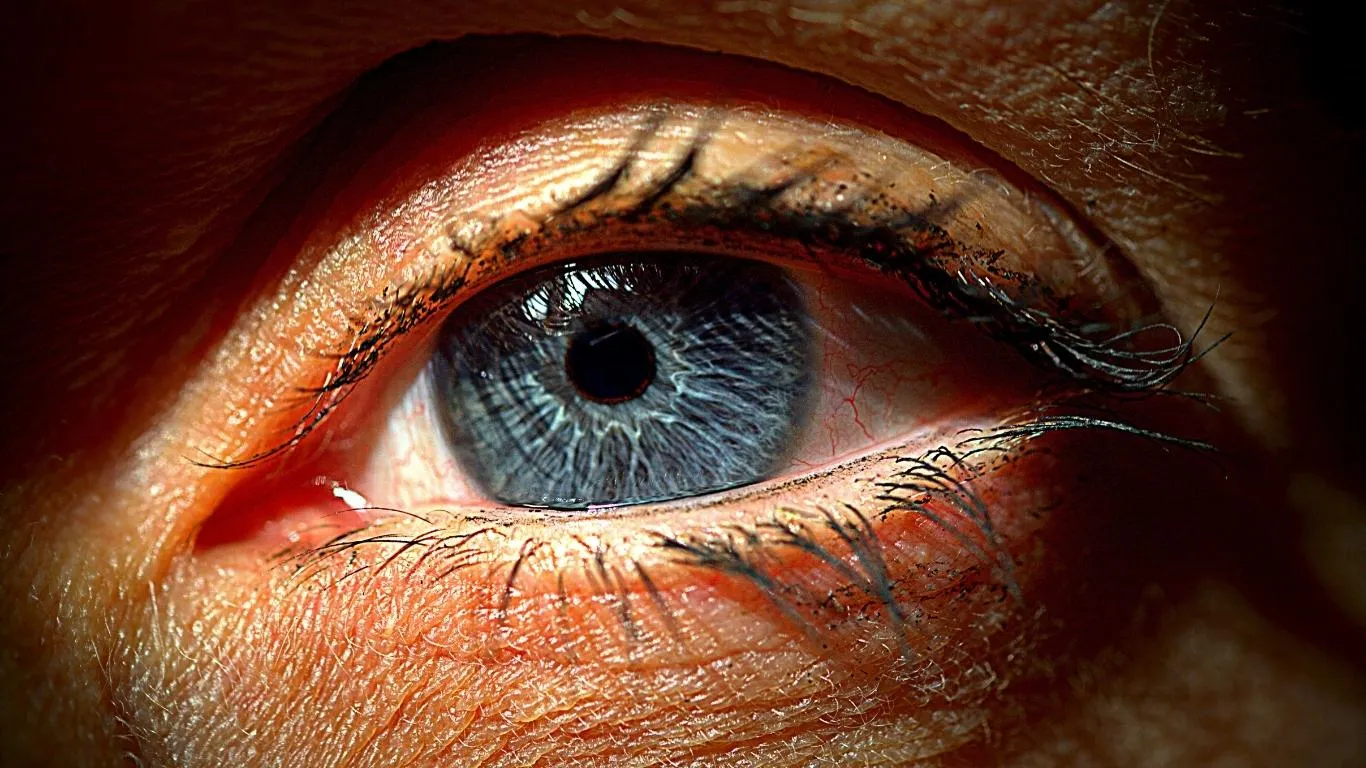
Floaters are tiny bits of collagen or other debris that float in the vitreous— the clear gel inside your eyeballs. They cast shadows on the retina, and that’s what you’re seeing. Most people describe them as squiggly lines, dots, web-like structures, or little specs that move when your eyes move. They’re more obvious in bright settings, like looking at the sky—or, interestingly, when your eyes are closed but still “visually active,” like during deep inner focus or guided visualization.
What’s wild is that during guided visualizations, your mind slows down, but your visual cortex can become hyper-aware. That sensory awareness amplifies the perception of these floaters. It’s a paradox—because you’re calm, you’re actually noticing them more. It’s not your imagination—it’s your neurology.
Can Guided Visualizations Trigger New Floaters?
No scientific study confirms that guided visualizations can *cause* floaters to form, but many people (me included) notice floaters more during visual meditations. It’s usually because:
- You’re in low light: which increases contrast and makes floaters more noticeable.
- You’re still: When your body and head aren’t moving much, the floaters tend to drift slowly, making them easier to spot.
- You’re focused inward: A deep state of concentration heightens awareness of inner sensations—including visual ones.
It’s similar to how some people report more floaters after emotional stress, eye strain, or fatigue. Check out this breakdown on emotional triggers and floaters—worth a glance if you’re doing guided practices for healing trauma or stress relief.
Who’s More Likely to Experience Floaters During Mindfulness or Visualization?
Anyone can experience floaters during mindfulness, but you might be more prone if:
- You’re over 40 (the gel inside your eye naturally shrinks with age).
- You’re nearsighted (like me—thanks, genetics!).
- You’ve had eye trauma or inflammation in the past.
- You spend long hours in visually intense tasks (yes, screen fatigue counts).
Guided visualizations aren’t the root cause, but they act like a spotlight—making those already-there floaters feel more obvious. If you find they’re worse right after a session, you’re definitely not imagining it. That’s a common experience.
Also, if you’re in your 40s or older, check this detailed explanation on eye floaters in your 40s. It breaks down what’s normal versus what needs attention.
Are These Floaters a Sign of Something Serious?
Usually? No. But it depends. If you’re suddenly seeing a ton of new floaters—especially if they’re accompanied by flashes of light or a shadow in your peripheral vision—that could be a retinal tear or detachment. This article covers red flag signs you shouldn’t ignore. Otherwise, for most of us, it’s just annoying, not alarming.
That said, if floaters are interfering with your ability to stay present in guided sessions or meditation, it’s worth addressing. They might not be dangerous, but they *are* disruptive—and sometimes, that’s reason enough to take them seriously.
Ways to Minimize Floater Distractions During Visualization Practices
Here’s what’s worked for me and others in the mindfulness space when floaters make a surprise appearance during sessions:
- Lower your eye engagement: Try using more auditory cues or somatic prompts in your guided visualizations instead of visual imagery.
- Change lighting: Dim, warm lighting tends to reduce contrast and visibility of floaters.
- Experiment with eye masks: Soft eye masks can help reduce internal visual distractions.
- Pre-session eye movement: Before you begin, gently roll your eyes or look side to side to move floaters out of your central vision.
There’s also an excellent resource here on natural management of eye floaters, including lifestyle tweaks that may support long-term reduction. Don’t expect miracles, but every little change helps—especially if you’re dealing with them during focused inner work.
Should You Avoid Guided Visualizations If You Have Floaters?
Absolutely not. In fact, visualization practices can be part of your coping toolkit. But you may need to adapt. Go with audio-only practices if visual floaters are too distracting. Or try incorporating visualizations that rely more on body awareness and less on mental imagery. Think less “Imagine a sunset beach” and more “Notice the breath moving through your belly.”
Floaters don’t have to hijack your practice. It’s just about working with your senses, not against them.
And if you’re new to all of this and want to understand floaters at a deeper level—from causes to long-term care—definitely check the full guide on eye floater causes and treatments. It’s the one-stop resource I wish I had when those annoying little specks first floated into my life.
To get a more clinical view on how floaters compare to other visual disturbances, especially during moments of calm, see this detailed breakdown.
When Floaters Disrupt the Flow: Staying Present Despite Visual Noise
Ever been mid-way through a beautiful guided journey—maybe visualizing a walk through a forest or floating over a calm lake—and suddenly those dark, drifting squiggles yank your focus away? It’s a buzzkill, I know. One moment you’re connecting with your inner stillness, and the next, you’re stuck wondering if your floaters are multiplying by the second.
Happened to me last week during a sound bath. Just as I hit that theta state, there they were: long, translucent strands dancing across my internal screen. It was frustrating at first, but over time I’ve picked up ways to gently bring myself back without letting floaters control the experience.
Train Your Attention, Not Just Your Vision
One of the best tools I’ve found is shifting the object of attention. Guided visualization doesn’t always have to be visual. You can tune into sounds, breath, physical sensations, or even mantras. The key is giving your mind something richer than floaters to latch onto.
Try this next time:
- Switch to sound: Use soundscapes or frequency-based audio tracks. This gives your mind a different focal point.
- Try grounding anchors: Focus on physical sensations like where your body meets the floor, or the rhythm of your breath.
- Return to intent: When floaters hijack the scene, mentally revisit why you started the visualization in the first place. That intent can override distraction.
These methods work surprisingly well. And while they won’t remove floaters, they reduce the power those floaters have to dominate your mental space.
Understanding the Neurology Behind Floaters in Calm States
During guided visualizations, our brain enters alpha or theta wave states—both associated with relaxation and heightened sensory awareness. This is when your attention is both deeply relaxed and incredibly sensitive to subtle sensations. Including floaters.
Some researchers suggest that these altered states may reduce the brain’s usual filtering mechanisms—like how we “tune out” our nose in our field of vision. That reduced filtering can make floaters feel more prominent, especially in the absence of other visual input.
Combine that with closed eyes and dark backgrounds (which increase floater contrast), and suddenly what’s normally a minor annoyance becomes front and center.
If you’re curious about how floaters might interact with visual focus, this read on floaters appearing after visual concentration is insightful. A surprising amount of overlap with mindfulness practices, actually.
Common Misinterpretations: Are They Really Floaters?
It’s worth noting that not everything seen during visual meditations is a floater. People often report seeing:
- Auras or halos
- Color flashes
- Geometric patterns (especially with eyes closed)
These can be related to pressure on the retina, blood flow shifts, or even just normal neuro-visual feedback. But if you’re noticing floating shadows or stringy bits that move with your eye movement, that’s your classic floater profile.
Confused about whether you’re seeing floaters or something else? Here’s a quick comparison with migraine aura symptoms. It helped me realize I wasn’t going crazy when my visuals didn’t match textbook floater patterns.
When to Actually Worry About Floaters—Even During Relaxation
Most floaters are harmless, especially if they’ve been around a while and aren’t changing rapidly. But during calm practices, you’re more likely to pick up on new changes. Keep an eye (pun intended) on:
- Sudden burst of floaters
- Accompanying flashes or sparkles
- A curtain-like shadow entering your field of vision
Those are potential signs of something serious, like a retinal detachment. Always better to have it checked out, even if it interrupts your wellness retreat plans.
There’s a solid breakdown on this in this article about floaters becoming medical emergencies. Bookmark it, seriously.
Can Eye Health Practices Improve Your Visualization Experience?
Absolutely. While there’s no miracle cure for floaters, supporting your eye health can reduce irritation, enhance clarity, and possibly reduce the frequency of noticeable floaters. Here’s what I do regularly:
- Hydration: Not just good for skin, but for eye fluid balance too.
- Omega-3s: There’s growing buzz around their link to vitreous clarity.
- Digital breaks: Yes, even for wellness junkies—eye strain makes floaters worse.
- Gentle eye exercises: I swear by 20-20-20 and soft palming before meditation.
If you’re looking to go deeper into lifestyle changes that support vitreous health, this piece on natural floater management is worth your time. It cuts through the fluff.
And if you’re wondering how all of this fits into the bigger picture of eye floater understanding, check the core guide here: what are eye floaters and how to deal with them.
For deeper context about floaters that show up when you’re not expecting them—like during deep states of rest or spiritual practice—check out the piece on recognizing floater symptoms in less obvious settings.

Camellia Wulansari is a dedicated Medical Assistant at a local clinic and a passionate health writer at Healthusias.com. With years of hands-on experience in patient care and a deep interest in preventive medicine, she bridges the gap between clinical knowledge and accessible health information. Camellia specializes in writing about digestive health, chronic conditions like GERD and hypertension, respiratory issues, and autoimmune diseases, aiming to empower readers with practical, easy-to-understand insights. When she’s not assisting patients or writing, you’ll find her enjoying quiet mornings with coffee and a medical journal in hand—or jamming to her favorite metal band, Lamb of God.