How To Deal With Anxiety When Home Alone Without Feeling Overwhelmed
There’s something eerily unsettling about being home alone when anxiety decides to creep in. The silence that others find peaceful suddenly becomes too loud, your heart beats a little faster, and even the hum of the refrigerator can make you feel on edge. I’ve been there more times than I’d like to admit — staring out the window, clutching a pillow, trying to convince myself everything’s okay. But learning how to deal with anxiety when home alone isn’t just possible — it’s absolutely doable with the right tools, mindset, and a few honest conversations with yourself.
Understanding Why Being Alone Triggers Anxiety
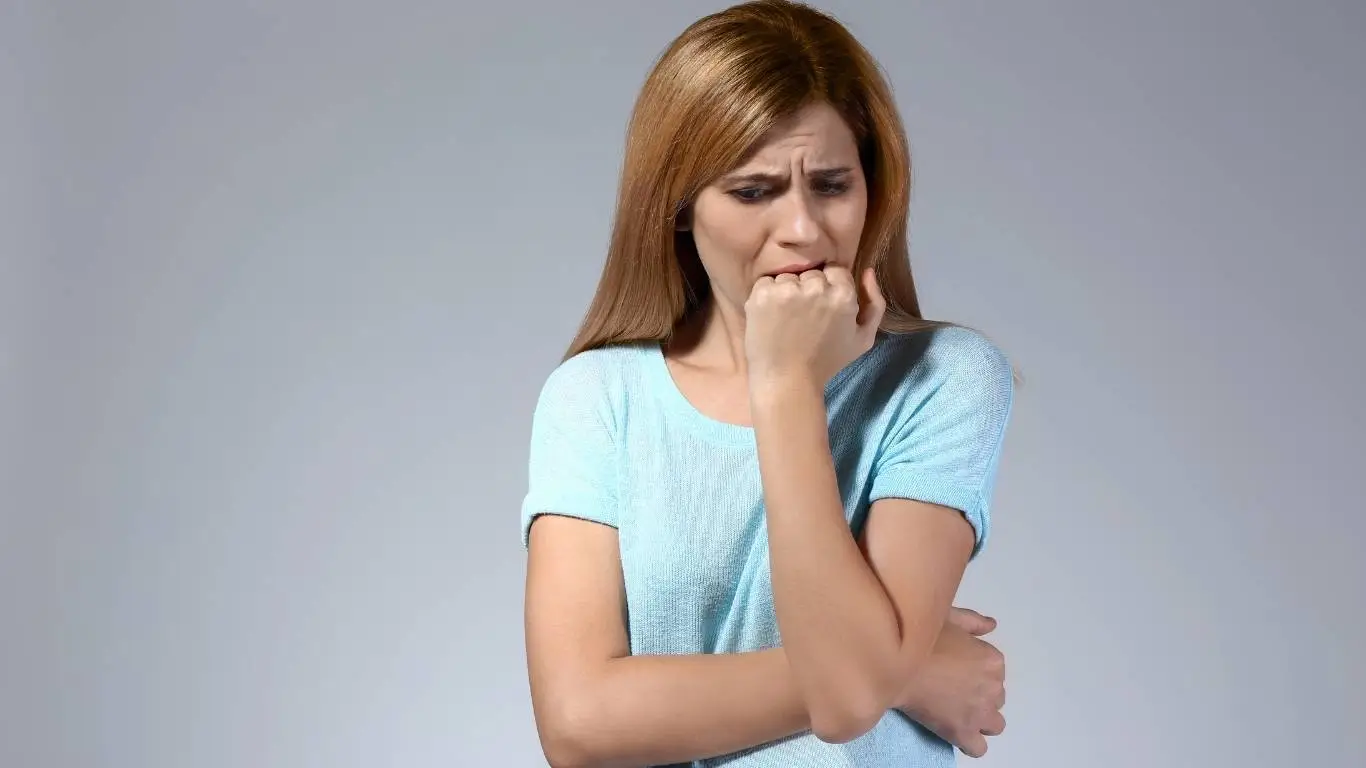
One of the most common misconceptions is that anxiety always needs a reason. But often, it doesn’t. It just shows up — especially when you’re alone. That’s because your brain has more room to wander, and for some of us, it doesn’t always go to happy places. There’s no distraction, no outside voice of reason, just you and your thoughts — and that can feel overwhelming.
Why Silence Can Be Deafening
Without background noise or the presence of someone else, anxious thoughts get amplified. Every creak of the floor or flicker of a shadow can feel like a threat. This heightened state of awareness is part of what’s called hypervigilance — your brain being stuck in “what-if” mode.
When Overthinking Takes Over
Maybe it starts with, “What was that sound?” and spirals into full-blown catastrophizing — thinking about intruders, health scares, or past regrets. The anxiety snowballs, especially if you’re already dealing with high-functioning anxiety that tends to hide behind productivity and routines.
Simple Actions That Actually Help
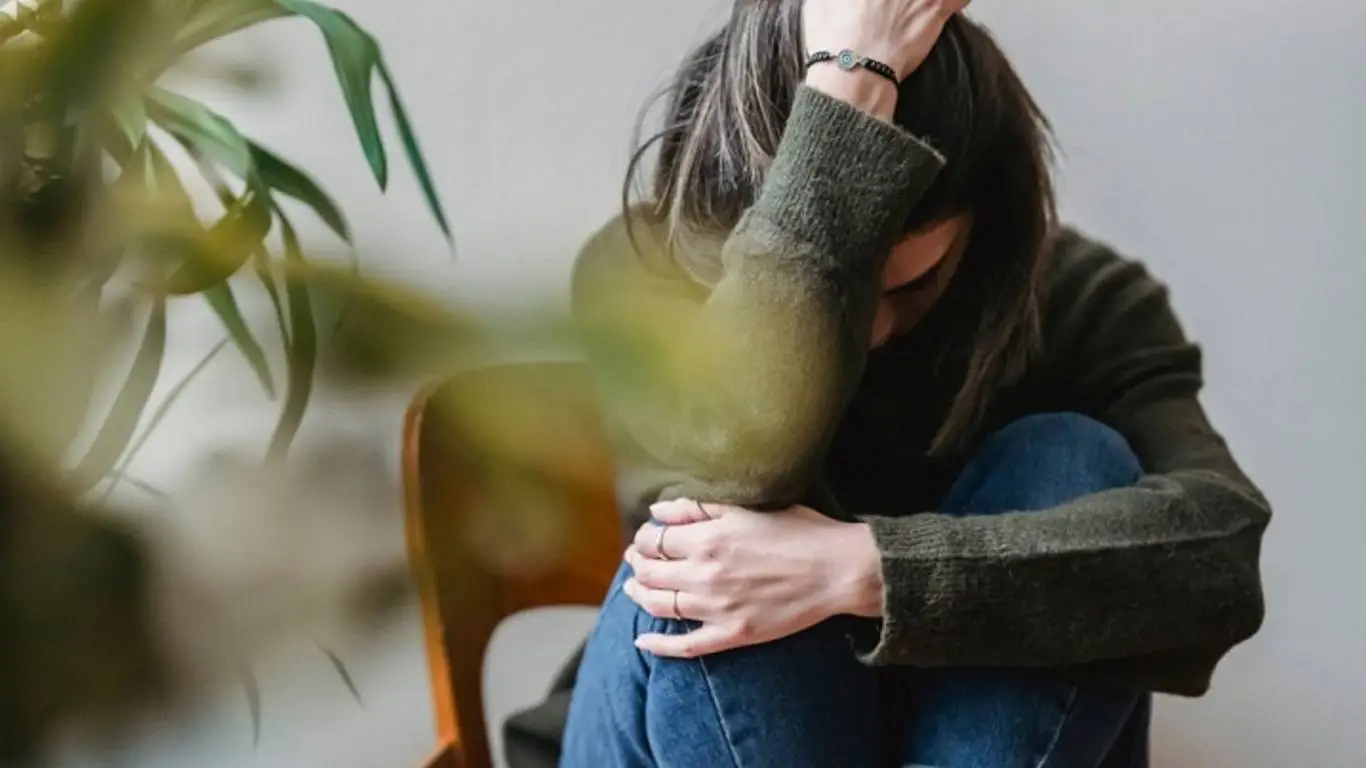
What helped me wasn’t some magical breathing technique or a fancy app. It was stacking small habits — little adjustments to my environment and thoughts that made being alone feel less like isolation and more like self-care.
Create a “Calm Zone” in Your Home
Designate a space in your house that feels safe, cozy, and calming. For me, it’s the corner of my couch with a fuzzy blanket, soft lighting, and low music. Keep the energy of that space positive — no phones, no bad news, just you and your peace.
Movement Is a Game Changer
Even if it’s just walking in circles around your kitchen or dancing like nobody’s watching (because nobody is), physical movement helps burn off the adrenaline that anxiety dumps into your system. Try this guide on progressive muscle relaxation if movement feels hard when anxiety peaks.
Have a Pre-Set “Anxiety Response Plan”
It might sound clinical, but knowing ahead of time what you’ll do when anxiety kicks in can prevent it from escalating. Mine includes:
- Turning on a lamp or opening blinds to let light in
- Playing an old comedy show or nostalgic playlist
- Texting a friend something totally unrelated to how I feel
Think of it like muscle memory — the more you train your brain to follow a calming routine, the more it becomes second nature.
Tools That Work in the Moment
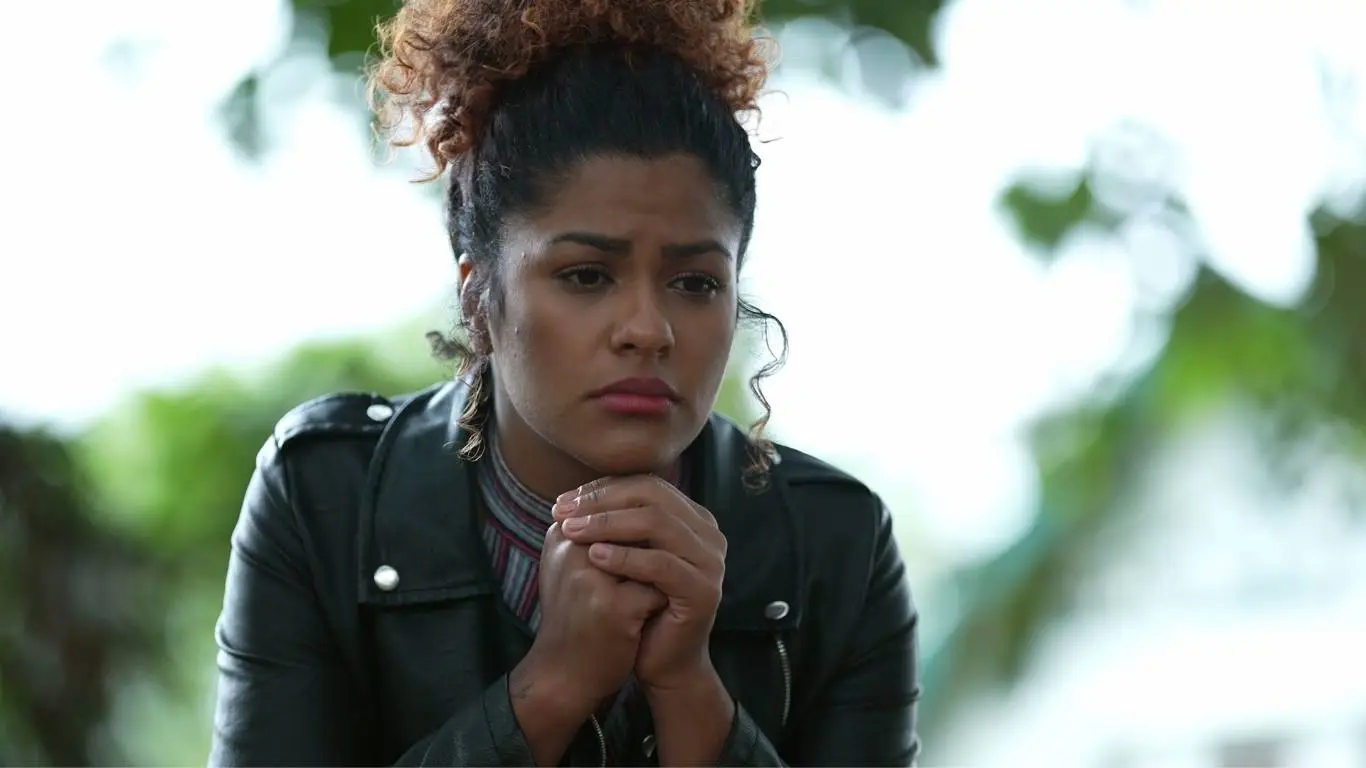
While your environment plays a role, the real shift happens inside. These tools aren’t one-size-fits-all, but they’ve helped me and many others feel grounded during solo moments of spiraling thoughts.
Use Your Five Senses
This is a classic grounding technique for a reason. Engage each sense:
- Touch: Hold an ice cube or run your hand across a textured surface.
- Smell: Light a scented candle or sniff your favorite essential oil.
- Sight: Count five blue things in the room.
- Hearing: Listen to nature sounds or calming music.
- Taste: Slowly eat a mint or piece of dark chocolate.
Talk Back to Your Anxiety
This one felt silly at first, but it works: literally talk to your anxiety like it’s a roommate who’s being dramatic. I say things like, “Cool story, brain. But I’m just trying to chill on the couch, not solve the apocalypse right now.” It might sound sarcastic, but challenging cognitive distortions this way brings a surprising amount of relief.
Use Low-Stimulation Distractions
If your anxiety feels too overwhelming for mindfulness, that’s okay. Not everything has to be spiritual and centered. Sometimes, a simple coloring book or stacking cups works better than deep breathing. This low-key distraction allows your nervous system to cool down slowly.
What to Avoid When Anxiety Hits

It’s not just about what you do — it’s also about what you avoid. These are the traps I’ve fallen into that make anxiety worse when you’re alone:
- Doomscrolling: Social media and news overload can supercharge anxiety.
- Caffeine: It might be tempting, but it can spike your heart rate and mimic a panic attack. Learn why caffeine can be your enemy.
- Isolation: Just because you’re alone doesn’t mean you have to be lonely. Send a meme to someone. Call your mom. Check in.
Learning how to deal with anxiety when home alone isn’t about eliminating anxiety entirely — it’s about proving to yourself that you can exist alongside it. You’re not broken because being alone is hard. You’re human. And you’re learning, just like the rest of us.
For more in-depth strategies that go beyond the surface, check out this pillar post on lifestyle and self-help approaches that actually work. If you want to understand how anxiety may be quietly shaping your entire day, this main guide offers real insights most people overlook.
Building Long-Term Resilience When You’re Often Alone
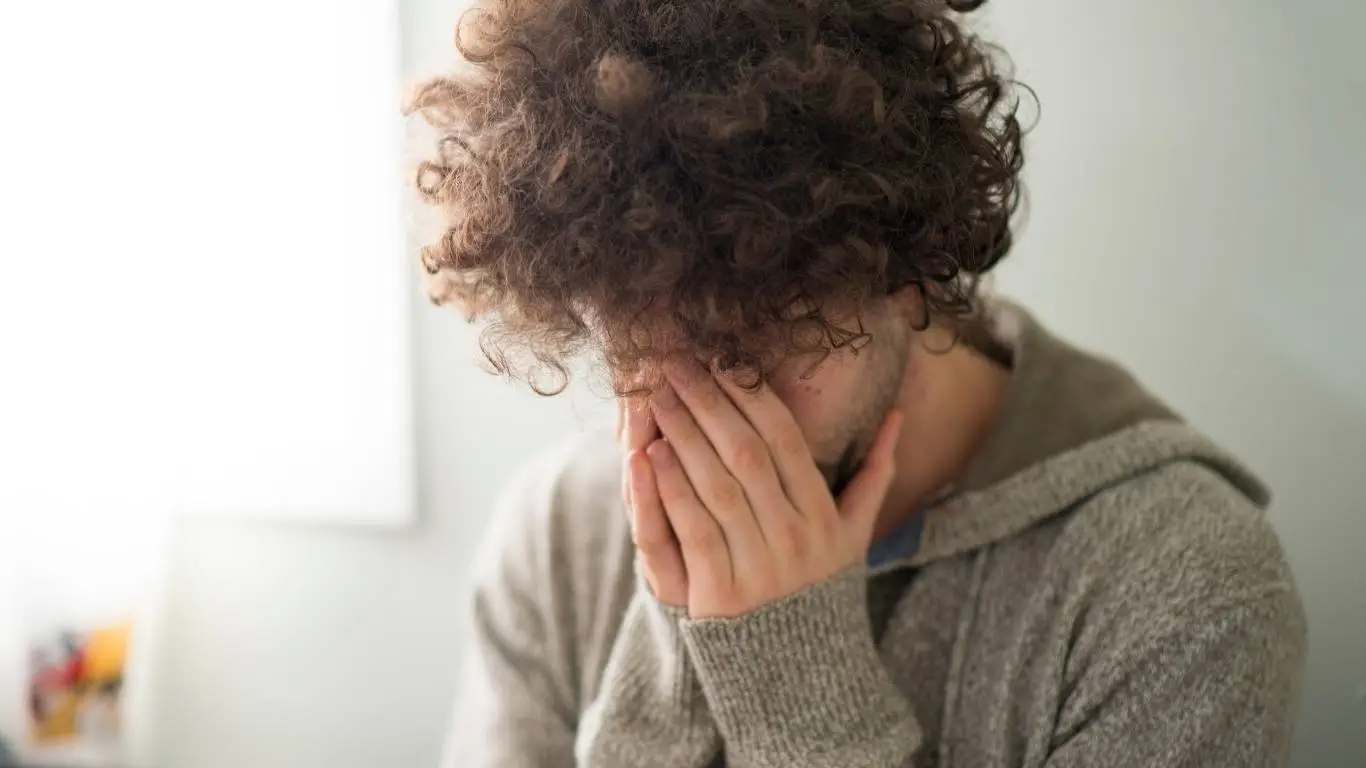
If you find yourself frequently alone — whether you live solo, work from home, or just crave quiet — it’s essential to build a lifestyle that naturally reduces your anxiety baseline. It’s not about preventing every anxious moment; it’s about creating an environment where anxiety doesn’t take over every time you’re left with your thoughts.
Routines That Rewire the Brain
I used to roll my eyes when people told me to “just stick to a routine,” but here’s what actually helped: making my routine *emotionally safe*. This meant keeping consistent sleep times, creating gentle wake-up rituals, and ending the day with something grounding — like writing three sentences in a journal or doing a quick body scan.
Over time, those little acts made my brain feel more secure. When I started treating my day like a playlist of calming cues instead of a chaotic scramble, even my solo nights felt… manageable. And way less terrifying.
Designing Your Alone Time for Comfort, Not Survival
What used to be “just get through it” time slowly became “me time.” It didn’t happen overnight, but once I stopped trying to escape the quiet and started curating it, I noticed a shift. Think soft lighting, your favorite mug, and rituals that signal safety to your nervous system. This might include:
- Daily herbal tea in a specific chair
- Stretching while an instrumental playlist plays in the background
- Wearing a “comfort hoodie” that instantly calms you down
Need help deciding which calming strategies suit you? This deep dive on herbal teas that actually soothe your mind is worth a read.
The Inner Work: Changing Your Relationship With Fear

At some point, I had to face a hard truth: my fear of being alone wasn’t just about the empty house — it was about feeling unsafe in my own mind. And that was the work I needed to do. Anxiety thrives in unprocessed emotions, old wounds, and negative beliefs that replay on loop when no one’s around to interrupt them.
Journaling to Understand the Fear
I started asking myself better questions. Instead of “Why am I so anxious again?” I wrote things like:
- What does this anxiety want me to know?
- What’s the story I’m telling myself right now?
- What would I say to a friend feeling this exact way?
This shift helped me move from judgment to curiosity. And over time, curiosity unraveled shame — which took a lot of the power out of my anxiety.
Working With Your Nervous System, Not Against It
Most of us are walking around with nervous systems that are overstimulated from years of chronic stress. That’s why it’s so easy to get flooded when we’re alone. Simple regulation techniques helped me massively, like:
- Box breathing: inhale 4, hold 4, exhale 4, hold 4.
- Vagus nerve activation: humming or gently massaging behind the ears.
- Journaling when spiraling instead of doomscrolling.
Some days I still get that sudden jolt of panic in my chest. But now I have a map, and I know where the exits are.
Support Systems Matter — Even When You’re Alone
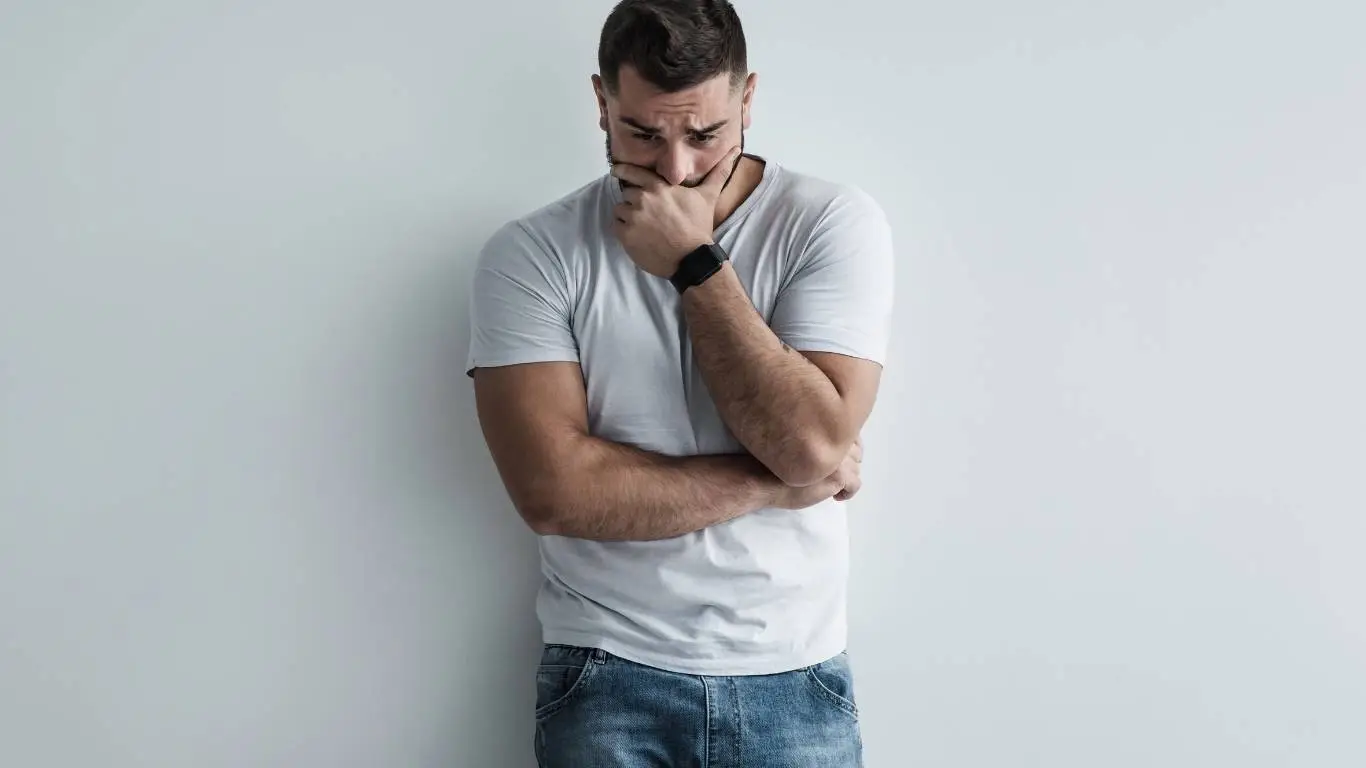
Being alone doesn’t mean doing everything by yourself. There’s a huge difference. I used to isolate when I was anxious, thinking nobody would understand or I’d be a burden. What I learned instead is that asking for support is a skill, and like any skill, it gets easier with practice.
Use Technology to Stay Connected
You don’t need to be on FaceTime 24/7. Even a daily voice note exchange with someone you trust can ground you. I’ve joined anxiety-focused support groups where we just check in with how the day’s going — no fixing, just connection. Platforms like support groups for anxiety make it feel less isolating.
Know When It’s Time to Reach Out
If your anxiety when alone starts interfering with your ability to function — like avoiding being at home entirely or experiencing panic attacks regularly — that’s not something you have to muscle through. There’s incredible value in learning more about diagnostic options for anxiety and reaching out to a licensed therapist.
Some therapies, like Acceptance and Commitment Therapy or CBT, are game-changers for rewiring the fear-anxiety loop. These approaches help you build new ways of relating to your anxious thoughts without letting them rule your reality.
Reclaiming Control, One Moment at a Time

If you’re still with me, you probably know exactly what it feels like to dread the quiet. But here’s the thing — anxiety is loudest when we try to ignore it. I found power not in pushing it away, but in learning how to coexist with it. And honestly? That changed everything.
Living alone with anxiety doesn’t have to feel like a battle. It can become an invitation — to slow down, to get to know yourself, and to create a version of home where you’re not just physically safe, but emotionally supported, too.
Want to go deeper? Check out this full breakdown of effective therapy options for anxiety. And if you’re still wondering how much your anxiety might be shaping your everyday life without you realizing it, this main resource is eye-opening.

Camellia Wulansari is a dedicated Medical Assistant at a local clinic and a passionate health writer at Healthusias.com. With years of hands-on experience in patient care and a deep interest in preventive medicine, she bridges the gap between clinical knowledge and accessible health information. Camellia specializes in writing about digestive health, chronic conditions like GERD and hypertension, respiratory issues, and autoimmune diseases, aiming to empower readers with practical, easy-to-understand insights. When she’s not assisting patients or writing, you’ll find her enjoying quiet mornings with coffee and a medical journal in hand—or jamming to her favorite metal band, Lamb of God.