Best Feminine Wipes for BV-Prone Skin That Actually Help
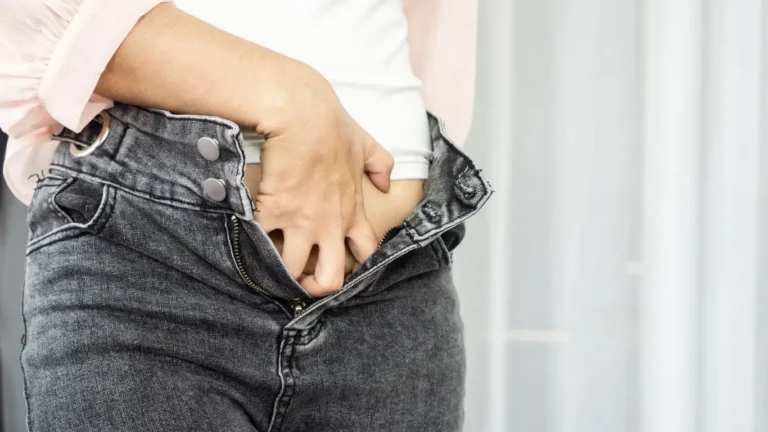
Let’s be real for a second — no one wants to talk about feminine wipes. It’s that one item you toss in your bag, half-ashamed, half-proud you’re prepared. But if you’re someone who’s prone to BV (bacterial vaginosis), like I used to be, you quickly learn that not all wipes are created equal. Some can do more harm than good. Trust me — I’ve been through that confusing phase of trying “feminine hygiene” wipes that promised freshness and delivered irritation instead. So, if you’re tired of gambling with your vaginal health every time you try a new brand, this one’s for you. Let’s dive deep into the *best feminine wipes for BV-prone skin* and how to choose them like a pro.
Why BV-Prone Skin Needs Special Care

BV is like that annoying guest who keeps showing up when you least expect it. One day you’re feeling fresh, and the next? Odor, discharge, and an awkward itch that no one talks about out loud. It’s not an STD, but it *does* mess with your life — relationships, confidence, and even the clothes you choose to wear.
For those of us with BV-prone skin, the pH balance down there is already walking a tightrope. The wrong wipe can tip the scale in seconds. That’s why gentle, pH-balanced, non-irritating wipes are more than a luxury — they’re a necessity.
It’s Not About Clean — It’s About Balance
Many wipes on the market are overkill. They contain alcohol, artificial fragrance, and other harsh stuff that strips your natural flora. According to research by the NIH, this imbalance is a top contributor to recurrent BV. So, ironically, trying to stay “clean” can sometimes cause more BV. Go figure.
What to Look For in Feminine Wipes for BV

- Fragrance-Free: If it smells like flowers, run. Your vagina isn’t supposed to smell like a garden. Fragrances are a red flag for irritation.
- pH-Balanced: Look for products labeled with a pH between 3.8–4.5, the natural vaginal range.
- Hypoallergenic: Less chance of allergic reaction = more peace of mind.
- Alcohol-Free: Seriously, it burns — in more ways than one.
- Dermatologist-Tested: Ideally by someone who actually knows what a vulva is, not just random skin tests.
I used to think “organic” meant better. Then I learned that even organic essential oils can throw off your balance. It’s all about simplicity. Less is more — and your vagina will thank you for it.
My Top Picks (Backed by Experience)

1. WaterWipes Sensitive Wipes
They’re technically baby wipes — but hear me out. These saved me during travel. Just 99.9% water and a drop of fruit extract. No perfumes. No gimmicks. Totally safe for your downstairs area. I once had a flare-up mid-flight, and this was all I had in my carry-on. Instant relief. Highly recommend for emergencies or daily use.
2. Rael Natural Wipes for Feminine Care
They’re pH-balanced, free from fragrance, and made with organic cotton. Super gentle. I like to keep a few in my gym bag. They’ve never triggered my BV, which is saying a lot considering I’ve had reactions from *toilet paper* before. Check out how even unscented wipes can be misleading.
3. LOLA Cleansing Wipes
These come individually wrapped, which makes them super discreet. Aloe-based, no harsh chemicals, no alcohol. I used these postpartum when everything down there felt like it was on fire — and they didn’t sting. That’s all the approval I needed.
When to Use Feminine Wipes (And When Not To)

Feminine wipes aren’t a daily requirement for everyone. Overuse can actually backfire. Here’s when they make sense:
- After workouts, especially when you can’t shower right away
- During periods — for a quick freshen-up
- While traveling (hello, gas station restrooms)
- Before or after intimacy, especially if you’re sensitive to fluids
But please don’t treat them like a replacement for water and mild soap during your regular shower routine. As this guide points out, over-cleansing or using the wrong products can do more harm than good.
Other Tips to Prevent BV (That Actually Help)

Feminine wipes are just one piece of the puzzle. If BV is a recurring nightmare, here are a few habits that helped me break the cycle:
- Switch to breathable, cotton underwear (ditch the synthetics)
- Don’t sleep in underwear — let things breathe
- Take probiotics — and no, not just for gut health. Vaginal-specific strains like *Lactobacillus reuteri* make a difference (source)
- Always wipe front to back
- Limit sugar — seriously, BV feeds on it. Here’s why.
Also, if you’ve been using medicated treatments like metronidazole but keep relapsing, I highly suggest looking at long-term care strategies like those shared in this resource. They opened my eyes to what my doctor never mentioned.
For a deeper dive into causes, triggers, and treatments tailored to real-life situations, explore our main BV guide here. Also, check out our article on natural BV remedies for some science-backed home solutions worth trying.
How to Rebuild and Maintain a Healthy Vaginal Microbiome

Let’s say you’ve found your perfect feminine wipe — gentle, pH-balanced, no drama. Great. But here’s the deal: avoiding a BV flare-up isn’t just about what you use externally. It’s about supporting your body internally, too. I didn’t fully get this until I hit my third BV episode in six months and started reading labels like a detective. Spoiler: wipes can only do so much if your microbiome is a mess.
The vaginal microbiome thrives when Lactobacillus species dominate. These are the good guys that produce lactic acid to keep your pH low and hostile to harmful bacteria. When this balance tips — due to stress, antibiotics, tight clothing, or even sex — BV can sneak back in. So, how do we fix that?
Start with Probiotics (But Choose the Right Kind)
Not all probiotics are vaginal-friendly. You want strains like *Lactobacillus rhamnosus* and *Lactobacillus reuteri*. These have been shown to colonize the vagina and reduce BV recurrence. I personally started taking one daily after reading this article on probiotics for BV, and it honestly made a huge difference. Not overnight, but consistently.
Supportive Foods That Feed Good Bacteria
Diet plays a sneaky but significant role. Some days I was eating yogurt like it was my job — but still dealing with flare-ups. Turns out, you also need to avoid foods that feed the *bad* bacteria. Here’s a quick breakdown:
- Great for BV-Prone Bodies: Plain yogurt, kefir, sauerkraut, garlic, prebiotic-rich foods like oats and bananas
- Best to Avoid: Sugary drinks, white bread, processed snacks — basically, anything that spikes your blood sugar
If you’re curious about how your plate affects your pH, this guide on foods for vaginal health is worth a look. It helped me rethink my weekly grocery haul.
Everyday Habits That Lower BV Risk

Consistency is key — not perfection. I’ve picked up small, simple habits that now feel like second nature. They don’t feel obsessive, and they really work:
- Skip the bubble baths. Tempting? Sure. But scented products in bathwater disrupt your pH fast. Here’s more on why bubble baths can trigger BV.
- Choose breathable clothing. Cotton underwear. Loose-fit pants. At night, skip the undies entirely.
- Track your cycle. I noticed patterns — like flare-ups right after my period. That’s when I double down on probiotics and hydration. Learn how your cycle affects BV.
- Wipe smart. Front to back. Every time. Also, if you’re using wipes, pat dry after to avoid residual moisture.
Also… Reevaluate Your Sex Habits
Sorry to say, but BV and sex can be complicated. I had no idea how many times I was reinfecting myself until I started reading up on partner-related BV risks. It’s not always about poor hygiene — sometimes it’s just a mismatch of microbiomes. Condoms help. So does avoiding sex during an active infection, even if you feel fine.
My Go-To BV Recovery Kit

Okay, here’s what I keep in my “BV Prevention Arsenal.” Some of these are daily use; others come out when I feel a flare-up coming on:
- Travel-size pH-balanced feminine wipes (usually Rael or LOLA)
- A vaginal probiotic with targeted Lactobacillus strains
- Boric acid suppositories — my OB approved them for use after antibiotics. Learn more about them here
- Unscented pantyliners for period days or post-gym freshness
- Apple cider vinegar rinse (only once a week!) — more on that in this ACV guide
Should You See a Doctor?

Absolutely. If wipes, diet, and routine changes aren’t cutting it, get a proper diagnosis. BV symptoms often overlap with yeast infections or even STIs. Here’s a great breakdown on how to tell what’s really going on.
Your doctor might suggest a medicated gel, antibiotics, or even lifestyle changes based on your history. Don’t be afraid to ask them about boric acid, long-term probiotic use, or natural options. I had to bring up these things myself — and it totally changed my care plan.
Where to Learn More
Want to explore more real-world strategies, from travel hygiene to intimate health during pregnancy? Head over to our in-depth section on natural remedies and lifestyle tips for BV. And if you’re just getting started on your BV education journey, the best place to start is our main guide: Understanding BV: Symptoms, Causes, and Treatments.

Dr. Gwenna Aazee is a board-certified Internal Medicine Physician with a special focus on hypertension management, chronic disease prevention, and patient education. With years of experience in both clinical practice and medical writing, she’s passionate about turning evidence-based medicine into accessible, actionable advice. Through her work at Healthusias.com, Dr. Aazee empowers readers to take charge of their health with confidence and clarity. Off the clock, she enjoys deep dives into nutrition research, long walks with her rescue pup, and simplifying medical jargon one article at a time.