Struggling With Medication Withdrawal Migraine Risk? Find Relief
It’s one of those things nobody warns you about until you’re already deep into it. You start treating your migraines with the meds your doctor prescribed—or maybe it’s an over-the-counter quick fix—and suddenly, you’re worse off than when you started. I’ve been there. What began as lifesaving relief ended up making my migraines more stubborn, more frequent, and sneakily tied to something I hadn’t considered: medication withdrawal migraine risk.
What Is a Medication Withdrawal Migraine?

If you’ve never heard of it, don’t worry—you’re not alone. It’s shockingly under-discussed, even in the migraine community. A medication withdrawal migraine happens when your body becomes dependent on a drug you’ve been using regularly to manage migraine attacks. Then, when you stop—or even reduce—your intake, your nervous system panics. The result? A rebound migraine that’s often harder to treat.
These aren’t just headaches. They’re part of a vicious cycle. You take a pill for relief, it works. The next time you feel the warning signs creeping in, you reach for it again. Before long, your brain adapts and expects it. Miss a dose, delay it, or stop suddenly, and you’re in for a world of hurt.
Why It’s So Easy to Get Stuck in the Rebound Cycle
This is where it gets tricky. Even well-meaning use of medications like over-the-counter migraine medications or prescription migraine drugs can pave the way to rebound headaches, especially if taken more than 10-15 days a month. And let’s be real—when you’re desperate for relief, you’ll do what you need to just to function.
The most common culprits? Here’s what many neurologists agree on:
- Triptans (like sumatriptan, rizatriptan)
- NSAIDs (ibuprofen, naproxen)
- Acetaminophen
- Combination meds with caffeine
- Opioids – please don’t go here unless there’s no other option
Even “natural” remedies or caffeine-heavy solutions can backfire. I learned that the hard way when I started treating my migraines with a mix of Excedrin and strong black coffee. It worked like magic… until it didn’t.
How to Know If You’re Experiencing Medication-Withdrawal Migraines

The signs can be surprisingly subtle at first. Here’s how you can tell if your treatment is doing more harm than good:
- Frequency Increase: Migraines start happening more than 15 days a month
- Short Relief Window: Your meds work, but only briefly
- Dependency Pattern: You feel anxious without your meds or plan your day around when you can take them
- Morning Headaches: Waking up with a migraine even without triggers
- Lowered Threshold: Triggers that didn’t bother you before now cause full-blown attacks
If any of that sounds familiar, you might be caught in a rebound cycle. You’re not alone—and more importantly, there’s a way out.
The Brain Chemistry Behind the Pain
This isn’t just about habit—it’s biological. Your brain’s pain regulation systems adapt when they’re frequently overridden by meds. The serotonin pathways (those same ones that play a role in your mood) are deeply involved in how migraines form. When they’re artificially manipulated repeatedly, your brain forgets how to regulate itself.
Think of it like this: You’re teaching your brain to expect intervention every time there’s discomfort. Without that crutch, it can misfire even harder, which is why diagnosing chronic migraines often involves a deep dive into your medication history.
Getting Off the Migraine Meds Without Losing Your Mind
I won’t sugarcoat it—withdrawal is tough. But it’s not forever. The first step is working with a healthcare provider who understands migraine disorders, not just general pain management. A neurologist who specializes in migraines can create a step-down plan that prevents rebound chaos.
Here are a few strategies they may recommend (mine did):
- Gradual tapering rather than cold turkey
- Using CGRP inhibitors or Botox treatments as preventive options
- Switching to non-medication methods temporarily like biofeedback therapy or CBT
- Introducing magnesium or riboflavin supplements to stabilize the nervous system
And let’s not forget the importance of tracking your triggers with a detailed migraine diary. Knowing your patterns gives you back control over your health.
Why Prevention Isn’t Just a Buzzword

If there’s one lesson I’ve learned from all of this, it’s that relying on medication alone is a short-term solution. The real win is prevention. Building a lifestyle that lowers your migraine threshold is the most powerful tool we’ve got.
This means better sleep hygiene, eating balanced meals on time (a huge trigger if skipped), managing stress with mindfulness or gentle yoga, and avoiding known culprits like strong smells or bright lights. Weekend migraines from shifting schedules? Totally preventable. Same with sleep-related headaches.
To really get a grasp of how migraine fits into the bigger picture, I recommend checking out this foundational guide on understanding migraines as well as the main migraine resource hub on Healthusias. They helped me see the forest through the trees.
Also worth noting—CDC and PubMed both have deep dives into medication overuse headache and preventive strategies, so don’t just take my word for it.
What Recovery from Medication-Withdrawal Migraine Really Looks Like

I’ll be honest—getting through the first couple of weeks was brutal. Once I cut back on my usual meds, it felt like my migraines staged a rebellion. They got louder, longer, and came out of nowhere. But here’s the silver lining: once your brain resets, the fog starts to lift. Recovery isn’t instant, but it’s absolutely possible.
On average, most people start seeing improvements in 2 to 8 weeks, depending on how long they were using abortive treatments. During that time, you may notice:
- Fewer migraine days per month
- More consistent energy levels
- Less “rebound fear” after every missed dose
- Clearer patterns between triggers and actual attacks
I got through it by focusing on better sleep habits and slowly introducing healthier routines. The key is being patient. Your body needs time to unlearn its overreliance on quick fixes.
Better Alternatives to Daily Migraine Meds
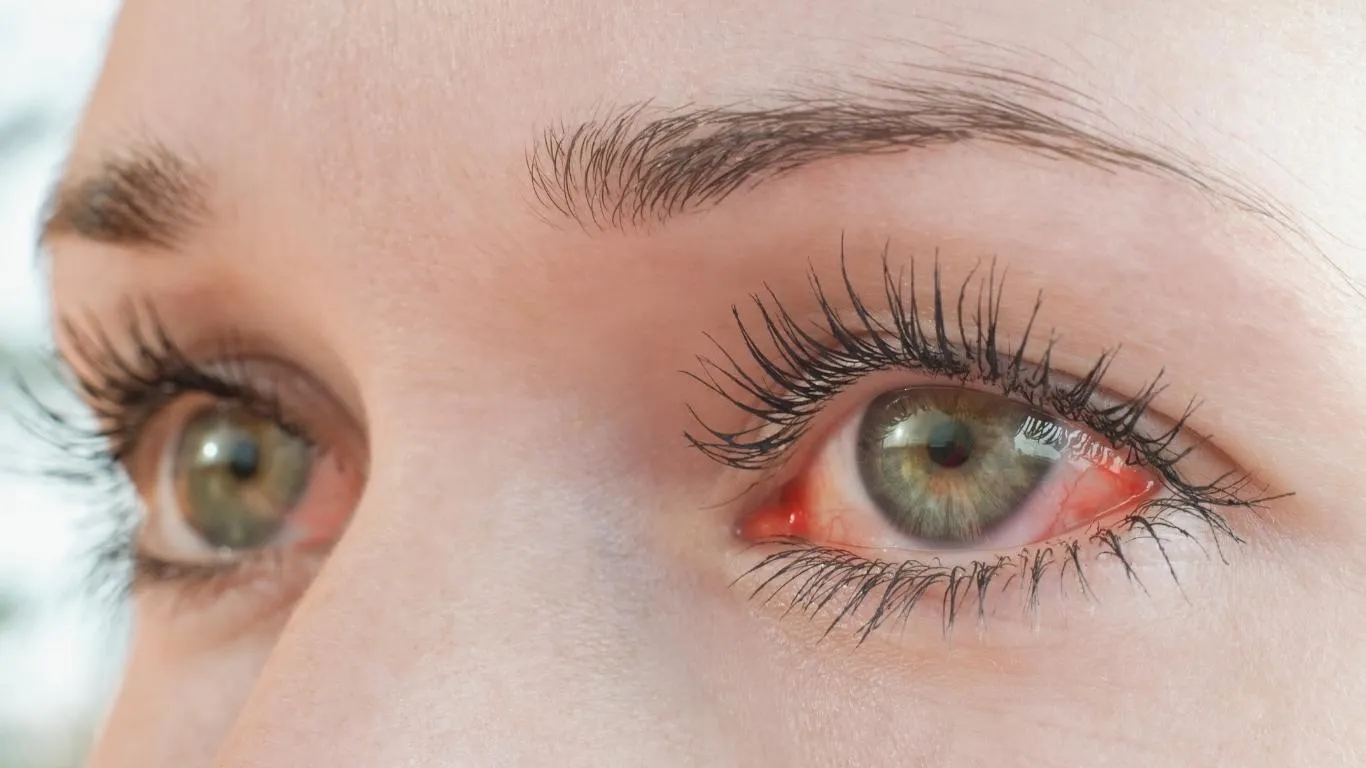
Let’s get into the good stuff—what to actually use instead. Preventive treatments are where the long-term wins live. These aren’t about numbing the pain temporarily; they’re about reducing the frequency and intensity of attacks overall. And many don’t come with the same risk of medication overuse.
Prescription Preventives Worth Talking About
If you haven’t explored preventives, it’s time to chat with a specialist. Some of the most promising treatments right now include:
- CGRP inhibitors – monthly injections like Aimovig, Ajovy, or Emgality
- Anti-seizure medications – like topiramate, which helps some people reduce migraine days
- Beta-blockers or calcium channel blockers – used in specific cases
They come with their own side effects, sure, but they’re designed to reduce dependency, not cause it. That’s a big deal if you’ve been burned by rebound cycles.
Natural Remedies That Actually Help
While I was tapering off meds, I leaned hard into natural support—some of it worked better than expected. For example:
- Magnesium – helps with nerve relaxation and can reduce attack frequency
- Vitamin B2 (riboflavin) – plays a role in energy metabolism in the brain
- Yoga and mindfulness – not just trendy; they actually lowered my stress-related episodes
- Biofeedback – surprisingly effective when paired with guided breathing
Even something like switching to caffeine-free alternatives helped lower my baseline irritability and improved my sleep, which in turn reduced headaches. Go figure.
How to Build a Relapse-Proof Migraine Management Plan
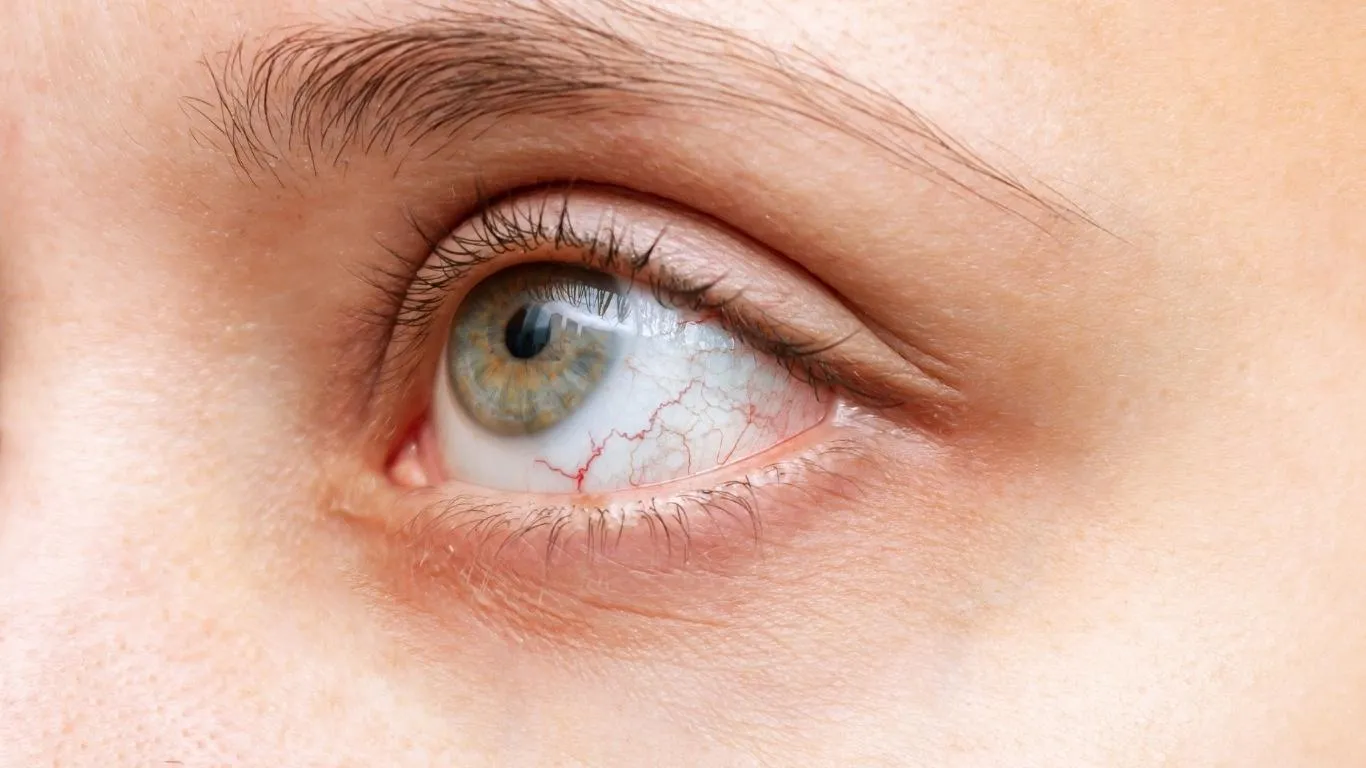
Here’s where E-E-A-T really comes into play—if you want consistent results, you need a plan based on real experience, expert input, and practical evidence. Mine looks like this:
- Monthly check-ins with a migraine-trained neurologist
- Daily magnesium + B2 supplement combo
- Weekly yoga and stretching for neck/shoulder tension
- No more than 6 days of acute medication use per month
- Digital migraine diary synced with my smartwatch
Consistency matters. What used to be unpredictable and chaotic now feels manageable—because I treat migraines like a condition to prevent, not just survive. And when you shift that mindset, everything changes.
Don’t Ignore the Emotional Side of Withdrawal
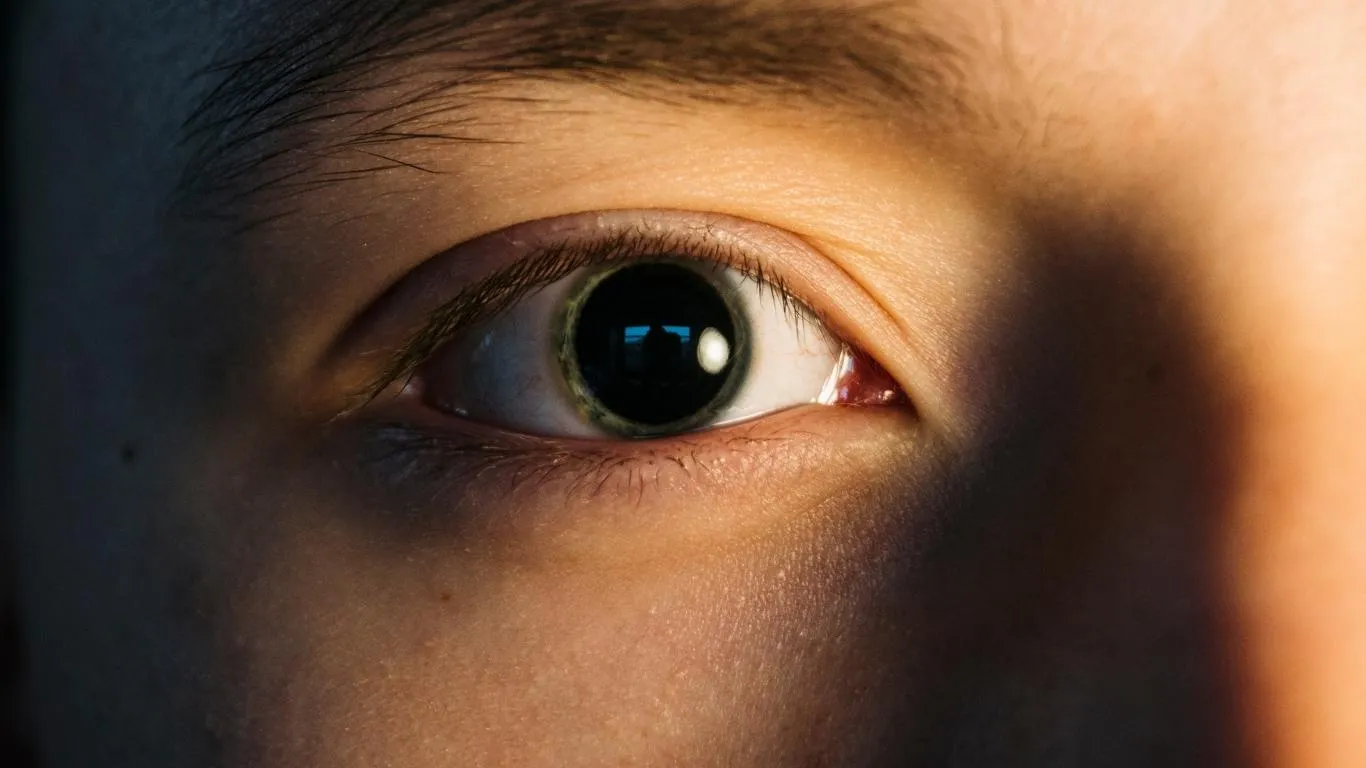
Nobody talks about this enough: there’s a mental and emotional load that comes with getting off your go-to meds. For me, it was fear. What if the migraine comes and I’ve got nothing to stop it? What if I mess up my job, my plans, my life?
This is where support systems are crucial. Therapy, journaling, and even following real people who share their migraine journey on social media helped normalize what I was feeling.
And when I was ready, I reached out to my doctor about cognitive behavioral therapy for chronic migraine anxiety. It wasn’t instant relief, but it helped me break the fear-avoidance cycle that kept me stuck.
Long-Term Habits That Reduce Migraine Medication Dependency

If I had to sum up what’s worked long-term, it’s structure. The more my body knows what to expect, the fewer surprises it throws at me. Here are a few habits that made a lasting difference:
- Consistent wake/sleep times—even on weekends
- Hydration early and often
- Balanced meals with complex carbs and protein (no fasting)
- Daily screen breaks with blue-light filters
- Limiting caffeine to before noon
It’s not sexy. It’s not instant. But it works. The freedom that comes from not panicking over missing a pill or bracing for a rebound is worth every lifestyle tweak.
To dive deeper into full-body migraine prevention, I recommend exploring the migraine prevention guide that helped shape my plan. And don’t forget the main Healthusias migraine resource hub—it’s where I keep finding new tools to stay one step ahead.
For more peer-reviewed strategies and neurologist-backed advice, sources like Mayo Clinic and CDC offer excellent, straightforward content that’s helped me validate decisions and track new developments in migraine science.

Bianca Nala is a compassionate Nurse Practitioner with a strong background in primary and respiratory care. As a health writer for Healthusias.com, she combines her clinical expertise with a talent for clear, relatable storytelling to help readers better understand their health. Bianca focuses on topics like asthma, COPD, chronic cough, and overall lung health, aiming to simplify complex medical topics without losing accuracy. Whether she’s treating patients or writing articles, Bianca is driven by a single goal: making quality healthcare knowledge accessible to everyone.