Why Floaters After Staying In Cold Rooms Can Be A Vision Warning
You ever step out of a freezing cold office or chilly bedroom and suddenly spot those weird squiggly things floating in your vision? Yeah, I’ve been there. I used to think it was just my eyes adjusting, but after enough repeat episodes, I figured it was worth digging into. Turns out, floaters after staying in cold rooms is more than just an annoyance — there’s some legit science behind it. Let’s break it down together, no jargon, no fluff, just what you need to know.
Why Do Floaters Appear More After Being in Cold Rooms?
This isn’t some random coincidence. Staying in cold environments can change how the eye’s internal fluids behave. The vitreous — that gel-like stuff inside your eye — is sensitive to temperature, just like the rest of your body. When you’re in a cold room for a while, the temperature drop can cause subtle changes in that gel’s consistency, making floaters more noticeable. It’s kind of like how oil thickens when it’s cold.
Personal Note: My Office Was the Culprit
My floaters first became a thing when I changed offices. It was one of those modern open spaces with aggressive AC — always borderline freezing. I’d leave after hours of screen time, and boom, floaters galore. I honestly thought something was seriously wrong until I noticed the pattern.
How Cold Air Affects the Vitreous Humor
Inside your eye is the vitreous humor, a clear gel that helps keep your eye’s shape. As we age, this gel naturally starts to shrink and pull away from the retina — a process called posterior vitreous detachment. Cold environments may speed up this gel’s liquefaction, or at the very least, change how light passes through it temporarily, which is when you’ll notice those floaty shadows.
Floaters After Cold Rooms vs. Normal Floaters
- Cold Room Floaters: Appear after exposure to cold, may fade as your body warms up
- Age-related Floaters: Typically persistent and gradually worsen over time
Are Cold-Induced Floaters a Warning Sign?
Not always, but if you’re noticing floaters more frequently or they’re accompanied by light flashes or vision loss, it’s a red flag. It’s worth reading up on when floaters become dangerous. Floaters after cold exposure alone aren’t usually a medical emergency, but if it keeps happening, your eyes might be telling you something important.
Cold Room + Screen Time = Double Trouble
Sitting in a cold room while staring at screens can dry out your eyes and reduce natural blinking, which adds even more stress to your eye environment. Dry eyes and floaters often go hand-in-hand — a combo I learned to avoid by keeping a warm compress nearby and taking more screen breaks.
How Long Do These Floaters Last?
If the floaters are tied to cold exposure and not aging or injury, they often settle once you’re back in a warmer space and your eyes normalize. But chronic exposure — think cold offices every day — might make them stick around longer. That’s why some folks also notice sudden floater spikes after poor sleep or cold nights.
Warmth Can Help — Literally
I started warming my hands and placing them over closed eyes when I got home — felt silly at first, but it made a difference. Whether it’s due to improved circulation or just comforting warmth, it’s a habit that stuck. A few minutes of gentle warmth can ease the tightness behind the eyes and help with circulation in the retina area.
Is It Just Me? Nope, It’s More Common Than You Think
You’re not imagining things. More people are reporting this experience, especially those in tech, healthcare, or other professions working in cold, sterile environments. One study even linked cold environments to visual processing issues in certain lighting conditions. Floaters are just the most noticeable side effect for many of us.
Why Cold Rooms Make Eye Conditions Worse
- They reduce tear production, drying out the eye
- They cause the vitreous to shift more erratically
- They make small floaters appear sharper against a pale backdrop
Should You See a Doctor?
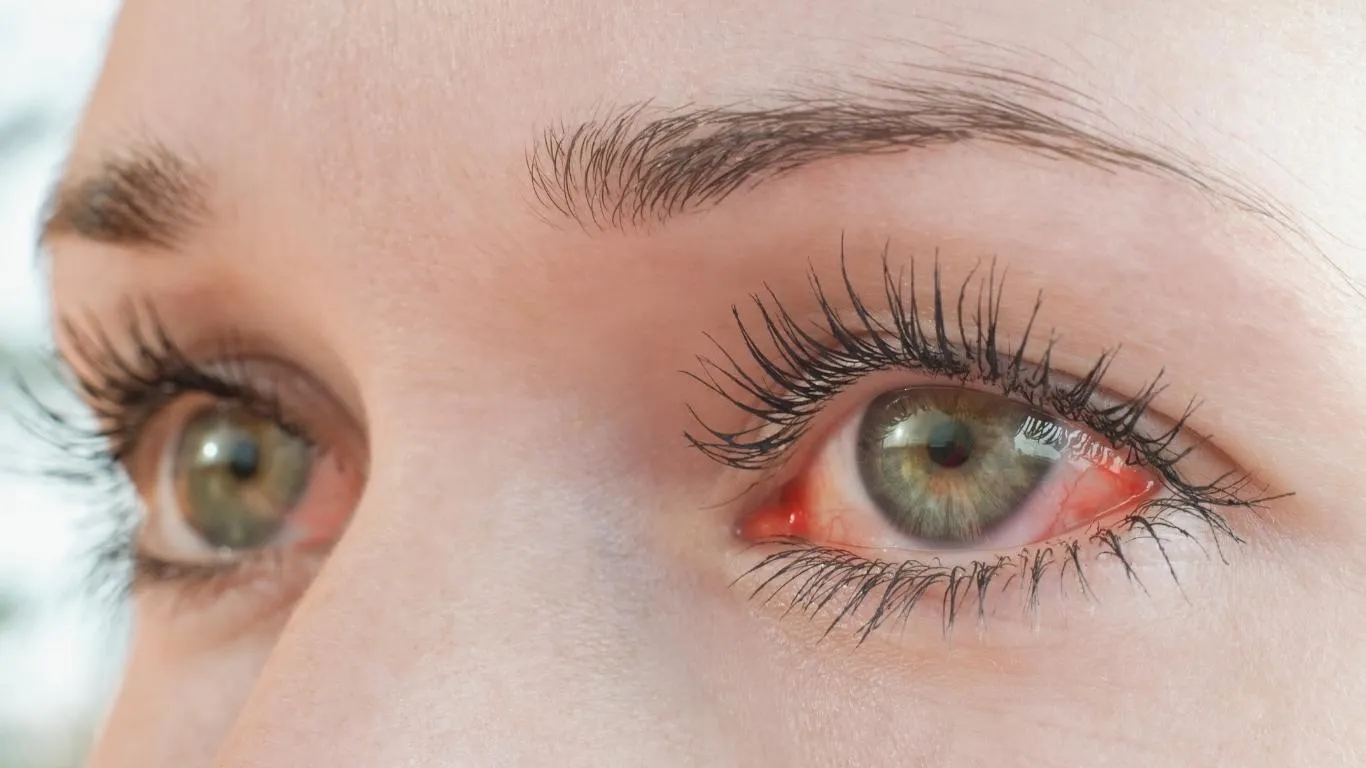
If it’s occasional, and only after being in cold rooms, probably not. But if your floaters get worse, don’t fade, or you see weird flashes, shadows, or lose side vision, it’s time for a check-up. A quick visit can rule out retinal tears or something more serious. Better safe than sorry.
Useful Reads to Dive Deeper
For a broader view of floaters — what causes them, what’s harmless and what’s not — check out this main guide and this detailed overview of the causes.
How to Prevent Floaters Triggered by Cold Environments
If your eyes are getting weird after every long sit in a chilly room, it’s probably time to be proactive. I learned this the hard way after spending too many nights editing in a frigid living room — my floaters got so bad they were distracting while driving the next morning. Eventually, I started making small changes that surprisingly helped keep things stable.
1. Keep Your Eyes Warm — Even When Your Room Isn’t
- Use a warm compress before bed or after leaving the cold space
- Wear blue light glasses with a light tint — they hold warmth better than clear lenses
- Layer up — keeping your core warm actually helps with eye circulation too
Also, avoid cold drafts directly hitting your face. I once rearranged my entire desk just to escape the icy blast of the AC. It made more of a difference than I expected.
2. Stay Hydrated and Eat Eye-Friendly Nutrients
Being in a cold room doesn’t just dry out your skin — your eyes suffer too. Hydration plays a surprisingly big role in vitreous clarity. I personally started adding more water-rich foods like cucumber and citrus to my daily routine, and it helped ease eye fatigue after cold exposure.
Also worth a shot:
- Collagen-boosting supplements
- Lutein-rich foods like spinach and eggs
- Adding omega-3s for internal eye lubrication
Smart Habits That Keep Cold-Triggered Floaters in Check
You don’t need a complete lifestyle overhaul, just a few tweaks. These are simple adjustments that helped me a ton:
- Follow the 20-20-20 rule: Every 20 minutes, look at something 20 feet away for 20 seconds — especially in cold, screen-heavy settings
- Invest in a small humidifier if your cold room has dry air
- Avoid lying flat in cold environments — this can increase floater visibility temporarily
If you’re like me and tend to notice floaters while lying flat after working in a cold room all day, propping your head up slightly can make a surprising difference.
Don’t Ignore Subtle Eye Changes
Cold rooms can be sneaky. They might not cause floaters outright, but they can make existing ones more noticeable. If you’ve had mild floaters before, they might suddenly seem darker, larger, or faster-moving in cold lighting. These shifts aren’t always dangerous — but tracking them can help.
Try using a journal or eye-tracking app to log what you notice. This is how I realized my floaters were actually worse on mornings after a cold, sleepless night. Turns out, eye floaters can change even based on exposure to things like steam or humidity shifts.
What to Do When Cold Exposure Makes Floaters Worse
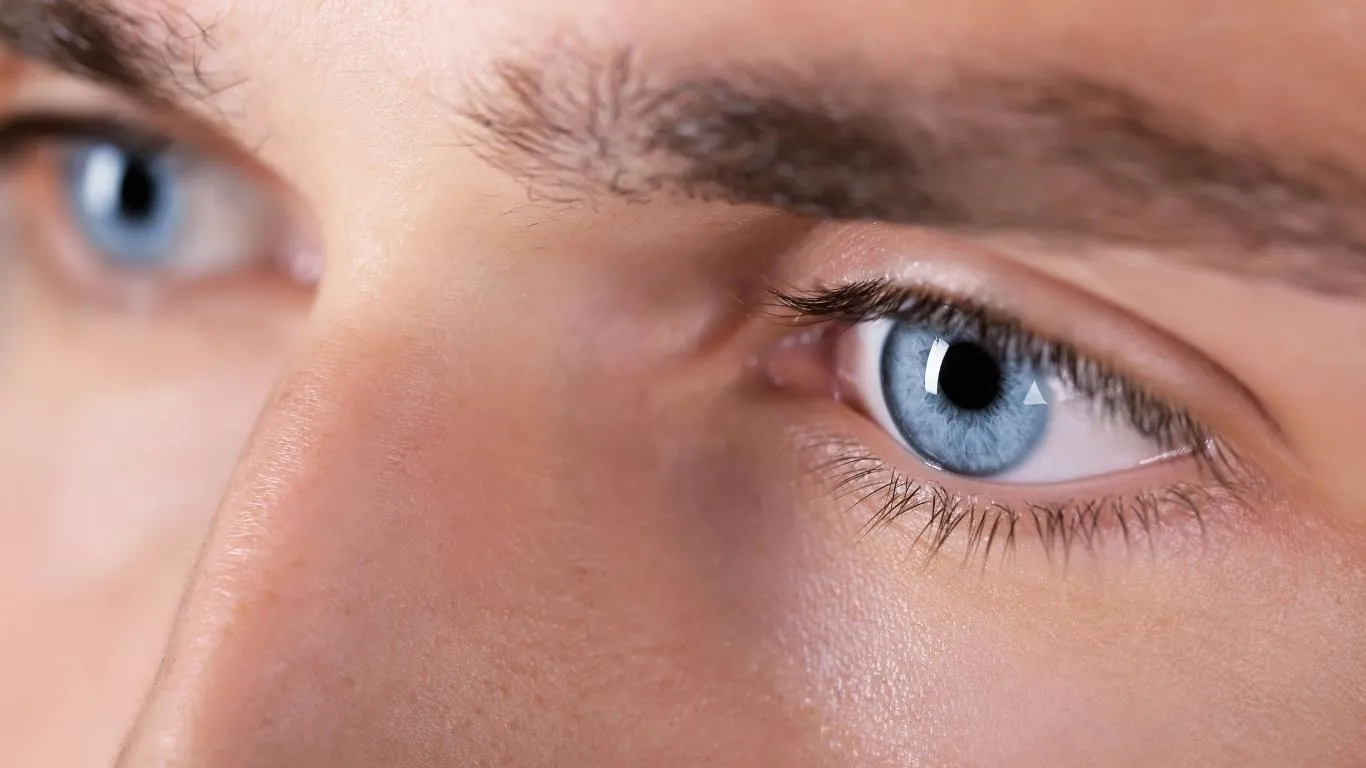
If you’re getting floaters that don’t ease up after you leave a cold space, don’t panic — but don’t ignore it either. Some floaters fade in hours, others linger for weeks. I’ve had both. Sometimes they’re harmless; other times, they’re trying to tell you something.
Helpful Next Steps
- Explore treatments if your floaters are persistent
- Keep track of patterns: Is it after meals, sleep, cold rooms, or eye strain?
- Visit a specialist if floaters increase rapidly or change in shape
Also, if you’re seeing a sudden wave of floaters after cold exposure and stress, check out this guide on stress-induced floaters. Stress and cold make a rough combo for sensitive eyes.
Environmental Triggers Often Work Together
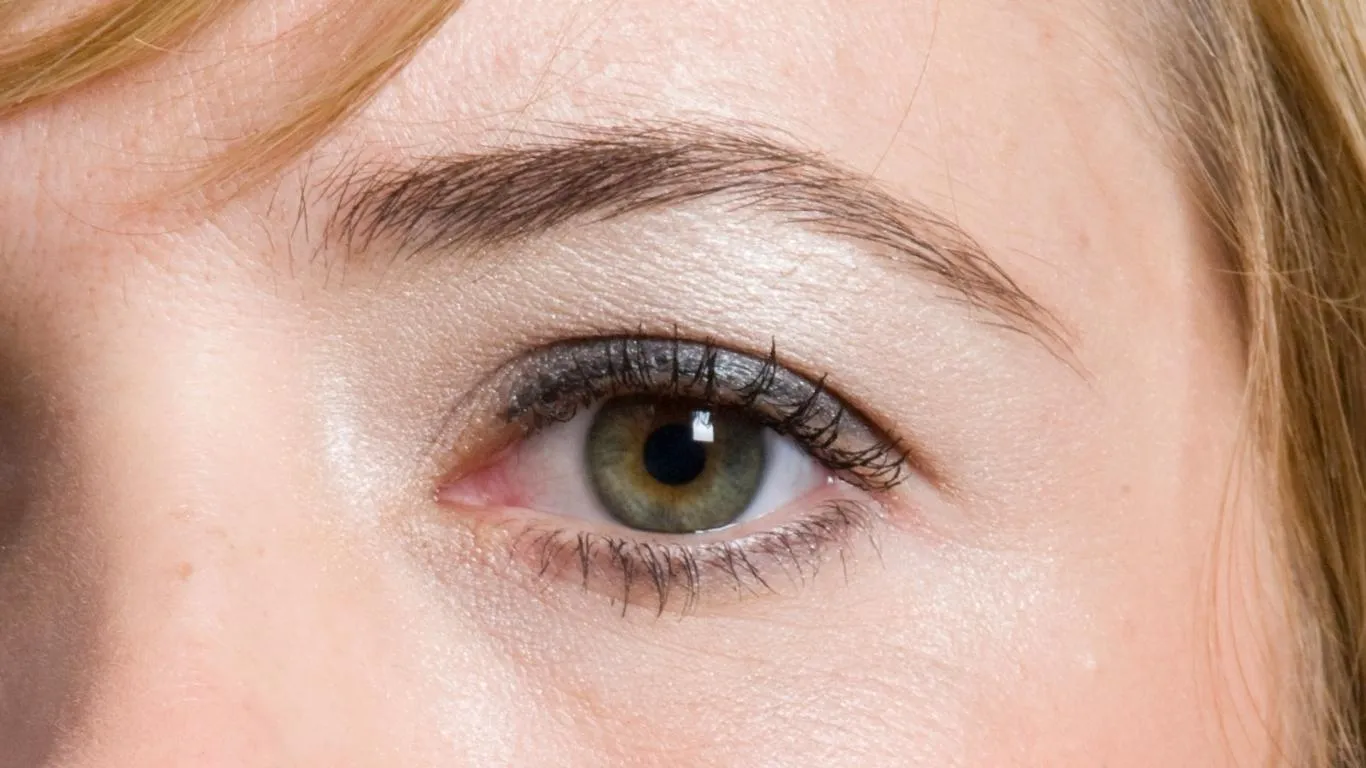
This is the tricky part — it’s usually not just the cold. Floaters after staying in cold rooms often appear because of a perfect storm: dry air, blue light exposure, dehydration, posture, and yes, even mood. For me, it was always worse after deadlines when I was frozen, stressed, and hadn’t had a proper meal.
What Helped Me the Most
- Swapping LED lights with warmer bulbs
- Using artificial tears after long work sessions
- Consciously blinking during screen time (sounds silly, works wonders)
- Using warm eye masks before bed
And honestly? Just acknowledging that it’s a thing helped me not spiral into worry. Floaters can feel weird, but with awareness, they’re manageable.
For a full breakdown of symptoms that shouldn’t be ignored, this resource on eye floater symptoms can help you tell what’s normal and what’s not.
Explore More
- Want to learn more about how cold affects your vision? Start with this essential causes guide
- Or dive into everything about eye floaters here for a broader understanding

Camellia Wulansari is a dedicated Medical Assistant at a local clinic and a passionate health writer at Healthusias.com. With years of hands-on experience in patient care and a deep interest in preventive medicine, she bridges the gap between clinical knowledge and accessible health information. Camellia specializes in writing about digestive health, chronic conditions like GERD and hypertension, respiratory issues, and autoimmune diseases, aiming to empower readers with practical, easy-to-understand insights. When she’s not assisting patients or writing, you’ll find her enjoying quiet mornings with coffee and a medical journal in hand—or jamming to her favorite metal band, Lamb of God.