Why BV Might Be Making Vaginal Tightness Feel Worse
Let’s get real for a second—if you’ve ever felt like something just feels different “down there,” especially after dealing with Bacterial Vaginosis (BV), you’re not alone. I remember sitting in my doctor’s office, confused and honestly a bit embarrassed to even ask the question: “Does BV change how tight things feel?” Turns out, a lot of us are wondering the same. While BV is known for causing that infamous odor and abnormal discharge, there’s a lesser-discussed angle: vaginal tightness. And today, we’re going to unpack it.
What is Vaginal Tightness—And Should You Be Worried?

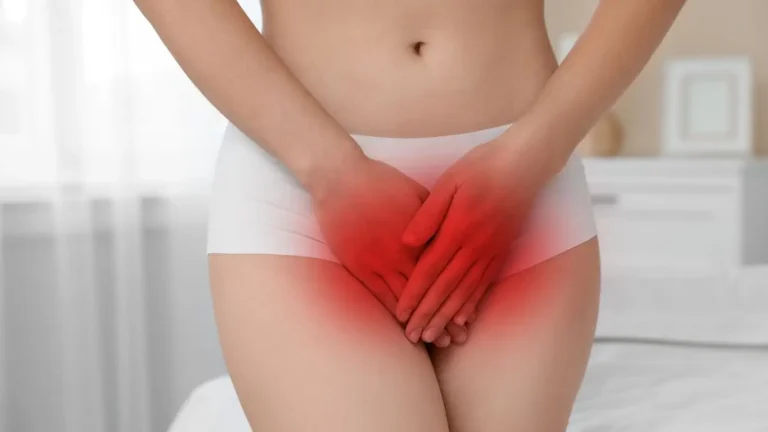
First off, “tightness” is subjective. What feels tight to one person may feel totally normal to another. It’s influenced by many things—muscle tone, hormonal shifts, arousal, stress levels, even posture. But if you’re suddenly feeling “off” after a bout of BV, it’s worth paying attention. While BV doesn’t directly “tighten” the vaginal canal, it can absolutely make it feel different.
This sensation is often caused by pelvic discomfort, inflammation, or even subconscious muscle clenching due to irritation. It’s not that your anatomy changed overnight—it’s that your body is responding to an imbalance.
How BV Messes With the Vaginal Environment

Here’s the science-y bit (don’t worry, we’ll keep it chill): BV occurs when the natural balance of bacteria in your vagina gets thrown out of whack. Lactobacillus—the good bacteria that keeps things humming—gets overtaken by anaerobic bacteria. This disrupts your vaginal pH, increasing from a healthy 3.8-4.5 to something more alkaline.
This shift doesn’t just cause odor and discharge. It can also make your vaginal tissues feel irritated, dry, or inflamed, which contributes to a sensation of tightness or discomfort during sex. In my case, it felt like my body was bracing itself—and in many ways, it was.
Common Sensations During BV That Can Mimic “Tightness”
- Burning or rawness, especially during intimacy
- Mild swelling of vaginal tissues
- Vaginal dryness or reduced natural lubrication
- Pelvic cramping that radiates downward
All of these can alter your perception of tightness. But the good news? These symptoms are usually temporary and reversible with proper care.
Is It In Your Head? Not Really—But Stress Plays a Role

Let’s not overlook the psychological side of things. When you’re stressed about symptoms, worried about odor, or just plain anxious, your pelvic floor responds. Literally. Muscles in that area tense up without you even realizing. This tension can lead to a sensation of “tightness” or even mild vaginismus.
It’s worth asking: Can stress cause BV? You bet. And once BV hits, stress about your symptoms can keep feeding into the problem, creating a frustrating feedback loop. Been there. Not fun.
When Tightness Is More Than Just a Feeling

While BV doesn’t cause structural narrowing of the vagina, it can unmask or exacerbate other conditions that do. Here’s where you should consider chatting with your gynecologist:
- You’re experiencing pain with penetration consistently
- You’ve had repeated BV infections in a short span
- You notice persistent tightness even after treatment
It’s also worth considering whether what you’re experiencing might be related to other vaginal irritation symptoms or perhaps even a misdiagnosed yeast infection or STI. These often come with overlapping symptoms but require different treatments.
What Helped Me Feel “Normal” Again

I’ll be honest—getting back to a place where I felt comfortable in my body again took a few steps. Here’s what actually made a difference:
- Probiotics: I started taking a targeted probiotic for BV, which helped restore balance faster.
- Hydration and gentle products: Switching to unscented everything made a difference. Even unscented wipes can be sneaky irritants.
- Pelvic floor stretches: Adding basic stretches helped me relax that area and ease the sense of tightness.
- Talking to my partner: Just saying “hey, I’m dealing with something” helped take the pressure off.
One of the best resources I stumbled upon was this in-depth guide on how to stop BV from recurring. It shifted how I think about ongoing prevention rather than just crisis-mode treatment.
Should You Be Concerned About Long-Term Effects?

For most women, BV is a treatable and temporary imbalance. But if you’re dealing with recurring BV, it’s not just frustrating—it’s exhausting. And yes, it can wear down your confidence, sexual wellbeing, and mental health.
If you’re not already aware, there’s an entire guide on long-term solutions for BV that might be the next place to dig in. It’s one of the more actionable articles I’ve come across.
To truly understand the ripple effects of BV on sexual comfort and physical symptoms like tightness, you should also explore this main symptom resource—it connects the dots most guides skip.
For a broader context on everything from lifestyle adjustments to holistic remedies, I’d also recommend starting with this BV Main Pillar article and exploring the section on natural approaches like yogurt. And for those struggling with persistent discomfort or multiple recurrences, the Recurring BV Pillar page offers solid expert-backed advice.
When BV Lingers: Can It Lead to Chronic Tightness?

One thing I learned the hard way: when BV doesn’t fully go away—or keeps coming back—your body doesn’t just “move on.” It adapts. You may not realize it at first, but subtle shifts in how your body reacts can become your new normal.
This is where it gets complicated. While BV itself may not be directly responsible for long-term tightness, its impact on your body’s stress response, your vaginal microbiome, and your sexual confidence can indirectly create that sensation for months. Some women unknowingly develop chronic pelvic floor tension as a protective response—especially if they’ve dealt with painful episodes during sex or recurrent discomfort from inflammation.
And let’s be honest—when you’re constantly managing symptoms, it’s hard to feel relaxed. That tight, clenching feeling? It might be your body’s way of staying guarded.
Signs BV Might Be Contributing to Persistent Vaginal Changes
- Ongoing tightness or pressure during intimacy, even when aroused
- Increased sensitivity to products or clothing
- Need to urinate more often, but without infection
- Changes in your natural lubrication or pH
Sound familiar? You’re not imagining it. These symptoms might not scream “BV” on their own, but they often ride along with it—especially if you’re dealing with recurrent infections or have recently finished antibiotics.
The Role of Antibiotics in Tightness and Vaginal Discomfort

This part doesn’t get talked about enough. While antibiotics are often necessary to treat BV, they’re also notorious for disrupting the vaginal ecosystem—sometimes worse than the infection itself.
Metronidazole and clindamycin, the two go-to drugs for BV, are great at wiping out bad bacteria… but they’re not exactly gentle. After a full round, it’s common to feel “off,” dry, or more sensitive. For me, the aftermath almost felt worse than the infection. Sex felt weird. I kept clenching up. My doctor reassured me it was temporary—but I had to rebuild my flora from scratch.
If you’re going this route, it’s worth following up with rebalancing strategies to help your body bounce back. That’s when I saw real progress.
When It’s Not BV: Other Conditions That Affect Vaginal Tightness

Not everything that feels like BV is actually BV. And not every change in tightness means you have an infection.
Here are a few other possibilities that can feel eerily similar:
- Vulvodynia: Chronic pain in the vulvar area, often mistaken for recurring infections
- Vaginismus: Involuntary muscle contractions that make penetration difficult or painful
- Yeast infections: Often confused with BV, but typically cause more itching and thicker discharge
- Hormonal changes: Menopause, birth control shifts, and postpartum phases can alter tightness and comfort
There’s a helpful resource breaking down how to tell the difference between common infections, and honestly, it cleared up a lot for me when I kept getting misdiagnosed.
Reclaiming Comfort: Steps Toward Feeling Like Yourself Again

If you’re reading this and thinking, “Okay, this is me,” the next step is creating an environment where your body can heal—and stay balanced. Here’s what actually helped me feel normal again:
- Pelvic floor relaxation techniques: Breathing, stretching, and low-intensity yoga are game changers.
- Lubrication and moisture support: Look into pH-balanced lubricants or vaginal moisturizers that don’t disrupt your flora.
- Track your cycle and symptoms: Use an app or journal to note patterns. BV often flares after menstruation (here’s why).
- Rethink your hygiene habits: No douching, no scented soaps, and maybe even switch up your underwear choice (yup, underwear matters).
Breaking the Cycle: What to Do If BV Keeps Coming Back

At one point, I started feeling like BV was just part of my life—until I realized there’s always a root cause. Sometimes it’s a hormonal thing. Other times, your body just needs more help rebuilding good bacteria. And sometimes… it’s about your partner.
Seriously, I didn’t want to believe it, but turns out it’s a real thing—treating your partner might be necessary if you keep passing it back and forth unknowingly.
Digging into this post-antibiotic routine guide helped me finally feel like I had a plan instead of just reacting all the time.
Give Your Body What It Needs—Not Just Pills

Here’s the real takeaway: your body knows how to heal, but it needs support. For me, that meant focusing on lifestyle shifts—less sugar, better sleep, and specific supplements like vitamin D and folate that help your immune system do its job.
Also, probiotics. I know, I’ve mentioned them before—but timing matters. Don’t just take them during treatment. I kept them going for weeks after, and that’s when I really started to feel the change—not just in symptoms, but in confidence.
There’s no shame in having questions about your body. What matters is how you respond. If you’re struggling with changes in tightness, don’t settle for surface-level answers. Start exploring what your body is trying to tell you. A little curiosity, some trial and error, and the right guidance can go a long way.
For anyone still piecing it together, the full breakdown on balancing vaginal pH after BV was another aha-moment for me—and it might be for you too.

Dr. Gwenna Aazee is a board-certified Internal Medicine Physician with a special focus on hypertension management, chronic disease prevention, and patient education. With years of experience in both clinical practice and medical writing, she’s passionate about turning evidence-based medicine into accessible, actionable advice. Through her work at Healthusias.com, Dr. Aazee empowers readers to take charge of their health with confidence and clarity. Off the clock, she enjoys deep dives into nutrition research, long walks with her rescue pup, and simplifying medical jargon one article at a time.