Hidden Dangers of Opioid Overuse Headaches You Should Know
I remember this one week — mid-December, right before the holidays — when I had back-to-back migraines. Miserable, right? I reached for my prescription opioids, the ones that had always worked like a charm. But after day four, something felt… off. The headaches didn’t go away. In fact, they got worse. That’s when I first heard the term opioid-overuse headache, and let me tell you — it’s something I wish someone had warned me about sooner.
Understanding Opioid Overuse Headaches
When you think about opioids, chances are you associate them with pain relief — which is fair. They’re strong, fast-acting, and often prescribed when nothing else works. But here’s the kicker: when used too often, especially for something like migraines, they can actually backfire.
An opioid-overuse headache (also referred to as medication overuse headache or MOH) is a chronic headache caused by — you guessed it — taking opioids too frequently. The brain adapts to the medication, and instead of helping, it starts triggering pain in the absence of the drug.
And it’s way more common than most people realize.
How Much Is “Too Much”?
There’s no magic number, but many specialists agree that using opioids for headaches more than 10 days a month for three consecutive months puts you at serious risk. Some sources even say fewer days than that could cause trouble, depending on the opioid’s potency.
The OTC options might seem safer, but mixing them with prescription opioids (even unknowingly) can make the issue worse. Especially since many people don’t think of themselves as “frequent users.”
Recognizing the Signs Early
- Daily or near-daily headaches that feel dull, pressing, or band-like
- Short-term relief when opioids are taken, followed by rebound pain
- Feeling dependent — not emotionally, but physically — on your medication
- Reduced response to other migraine treatments
And the worst part? Many people don’t realize what’s happening. I thought my migraines were just “getting worse,” not that the painkillers I trusted were actually making things spiral. A quick browse through the warning signs can honestly be eye-opening.
How the Brain Reacts
Long-term opioid use literally changes the way your brain perceives pain. Think of it like turning the volume up on a radio — suddenly, every signal feels more intense. According to the CDC, this hypersensitivity is tied to opioid-induced hyperalgesia, which is like the anti-painkiller effect.
Why Migraines Are Especially Vulnerable

If you’re dealing with migraines, you already know they’re not your run-of-the-mill headaches. They’re intense, often accompanied by nausea, sensitivity to light, and sometimes even visual auras. And guess what? Opioids don’t target the root cause of migraines — they just mask the symptoms.
The problem is, when that masking becomes routine, your body loses the ability to reset. That’s why organizations like the Mayo Clinic caution against opioids as a go-to migraine solution. Not only can they cause dependency, they often don’t even work well in the long term.
Red Flags You Shouldn’t Ignore
- You wake up with a headache more days than not
- You find yourself rationing pills or feeling anxious when they’re low
- You’ve noticed migraines showing up more frequently instead of less
It’s a vicious cycle. And most people aren’t aware that they’re already in it.
What I Learned From My Personal Migraine Mess
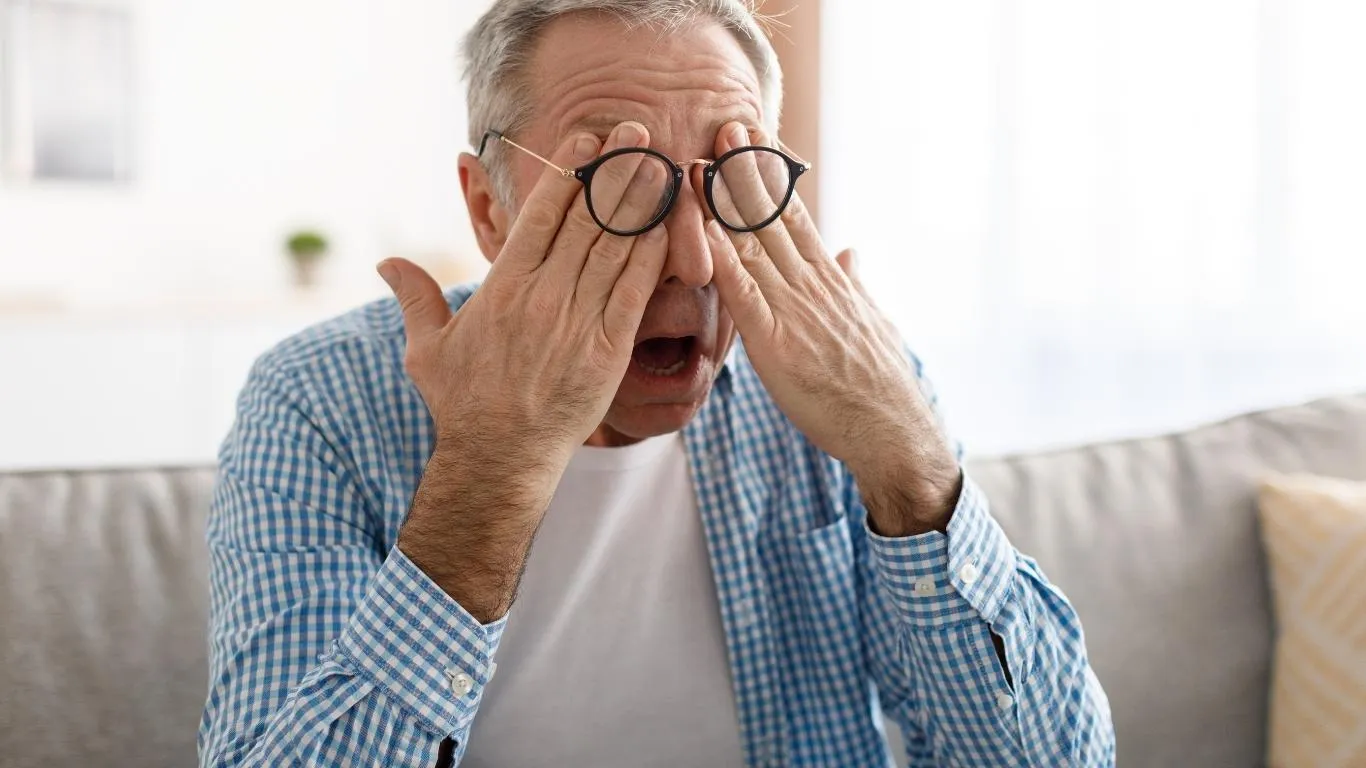
When I finally spoke with a neurologist, she didn’t just shake her head — she showed me the data. We walked through my usage, my symptoms, and how quickly the shift had happened. Within three months of “occasional use,” I was in MOH territory. We started tapering the opioids and introduced alternatives like CBT and supplements. It wasn’t easy, but wow — the clarity that came afterward was worth it.
So What Should You Do?
If this is hitting a little too close to home, don’t panic — just be proactive:
- Track your headache days — seriously, write them down or use a tracker app
- Talk to your doctor about non-opioid treatment options
- Consider natural remedies that actually work long-term
- Ask whether a diagnostic review might help
And don’t let shame or fear keep you from having that conversation. Honestly, I wish I’d spoken up sooner. There’s no gold star for suffering in silence.
To better understand how migraines themselves work — beyond just the opioid piece — I highly recommend exploring this overview on understanding migraines. And if you’re new to this whole world, check out the broader main migraine pillar article to get your bearings.
How to Break the Cycle of Opioid Overuse

Getting out of the opioid-overuse headache spiral isn’t just about ditching the meds. Trust me, I thought quitting cold turkey would be the fix — but spoiler alert: that backfired. The first few days were brutal. Rebound headaches hit hard, and I nearly gave up. What actually helped? Having a plan that wasn’t just “tough it out.”
Step 1: Gradual Withdrawal (Preferably With a Doctor)
Look, I’m not a fan of lectures, but this is one area where medical support makes a difference. Tapering opioids safely requires monitoring, especially since the body’s pain receptors have basically gone haywire from repeated exposure.
Some neurologists recommend bridge medications to ease the withdrawal — things like steroids, triptans (in limited use), or preventive meds. The goal is to help your brain recalibrate without making you feel like you’re stuck in a weeklong hangover.
Step 2: Introduce Non-Opioid Treatments
There are more tools out there than most people realize. When I started my recovery, my doctor introduced a combo of behavioral therapy, magnesium supplements, and something I initially thought was total fluff — guided relaxation. But no joke, it helped reset how my nervous system handled pain.
Some proven non-opioid options worth exploring include:
And if you’re the techy type, check out wearables like Cefaly or Nerivio. They might sound gimmicky, but they’re FDA-approved for a reason. These devices target the nerves responsible for migraine onset without involving any medication at all.
Mindset Shifts That Help
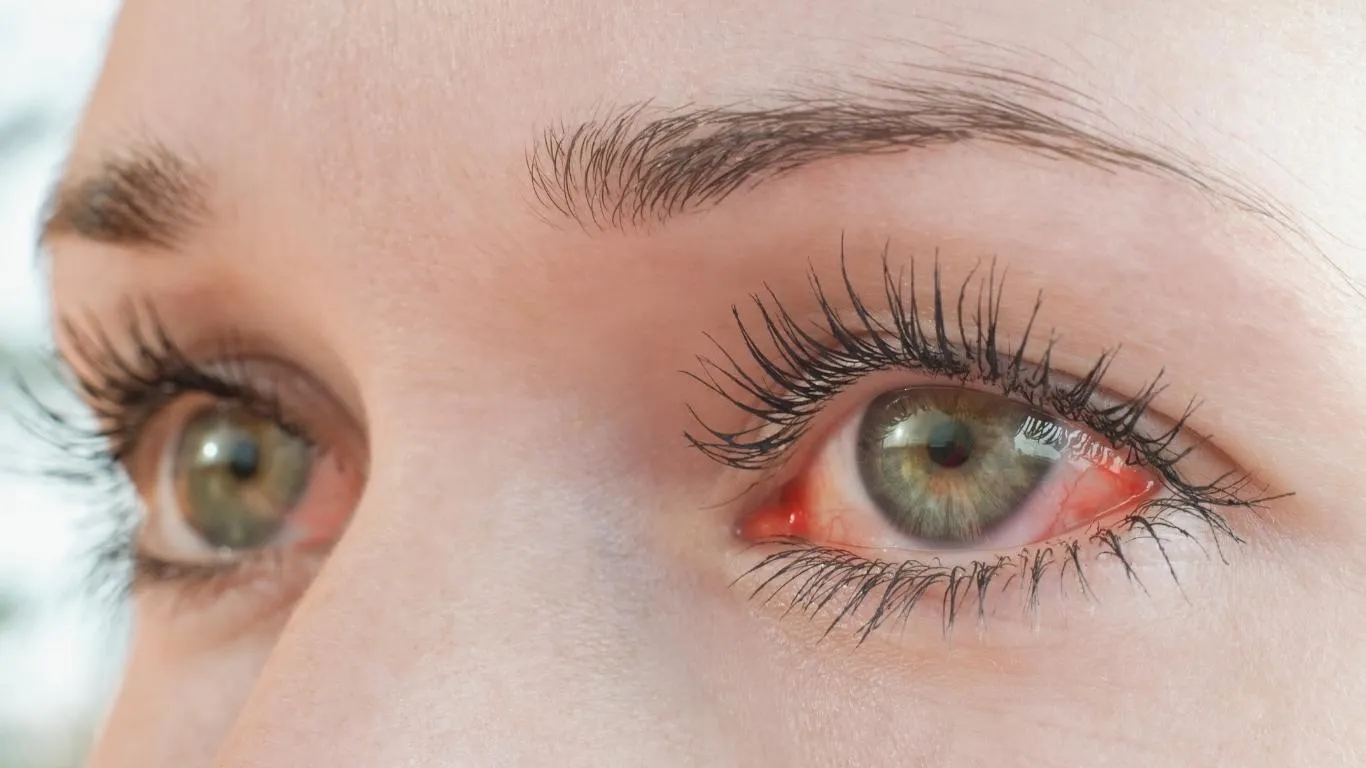
One of the hardest things for me wasn’t the physical part — it was the mental shift. I had to unlearn the belief that relief only came in pill form. That’s deep conditioning, especially if you’ve had migraines since you were a teen like I have.
It helped to journal symptoms, track small improvements, and even celebrate days that were “less bad.” Migraines didn’t vanish overnight, but they stopped feeling like they controlled everything.
Setting Boundaries with Future Treatment
My doctor and I agreed: no more opioids for migraines. Not as a backup, not for “emergencies.” Instead, we created a care plan built on prevention and rescue options that didn’t include narcotics.
Here’s what that looks like now:
- Daily preventive regimen (vitamins + low-dose beta-blockers)
- Triptans only when needed — max 6 times a month
- Yoga and stretching routines during aura stage
- Never waiting until the pain hits full-blast to treat it
The Role of Patient Advocacy and Education
What frustrates me is that I only learned about this condition after I was already deep in it. No one talks about the dangers of using opioids for headaches until it’s too late. That’s why spreading awareness matters — whether you’re someone who lives with migraines or someone who treats them.
Healthcare providers are slowly catching up, but many still default to opioids because they’re fast and familiar. According to the NIH, nearly one in four ER visits for migraine result in an opioid prescription — despite guidelines warning against it.
Articles like this guide on migraine treatment offer an overview of safer, evidence-based options. If you’re looking for how triggers and comorbidities factor in, the more detailed breakdown in the migraine prevention pillar is gold.
What I Wish I’d Known Before Relying on Opioids

No one wants to feel like a warning label. I definitely didn’t. I thought I was managing my migraines “the strong way.” But now? I see strength as taking control, understanding my body better, and asking for help before things get worse.
If you’ve been leaning heavily on opioids — or even casually relying on them more than a few days a month — this might be your nudge to reassess. It’s not about blame. It’s about giving yourself better options and fewer long-term problems.
You don’t have to overhaul your life overnight. But just start somewhere. Start by reading. Start by tracking. Or start by having that awkward but important conversation with your doctor.

Bianca Nala is a compassionate Nurse Practitioner with a strong background in primary and respiratory care. As a health writer for Healthusias.com, she combines her clinical expertise with a talent for clear, relatable storytelling to help readers better understand their health. Bianca focuses on topics like asthma, COPD, chronic cough, and overall lung health, aiming to simplify complex medical topics without losing accuracy. Whether she’s treating patients or writing articles, Bianca is driven by a single goal: making quality healthcare knowledge accessible to everyone.