Why Floaters Get Worse in Heated Indoor Swimming Pools
Not too long ago, I found myself squinting through what looked like smoke trails or cobwebs hovering over the water while swimming laps at my local indoor pool. At first, I shrugged it off. Probably just tired eyes or pool glare, I thought. But the more time I spent in that heated indoor pool, the worse it got. If you’ve ever noticed strange specks or translucent squiggly lines moving with your vision while swimming indoors, especially in heated environments, you’re not alone. Turns out, there’s a deeper connection between floaters and heated indoor swimming pools than most people realize.
Why Do Floaters Seem Worse in Heated Indoor Swimming Pools?
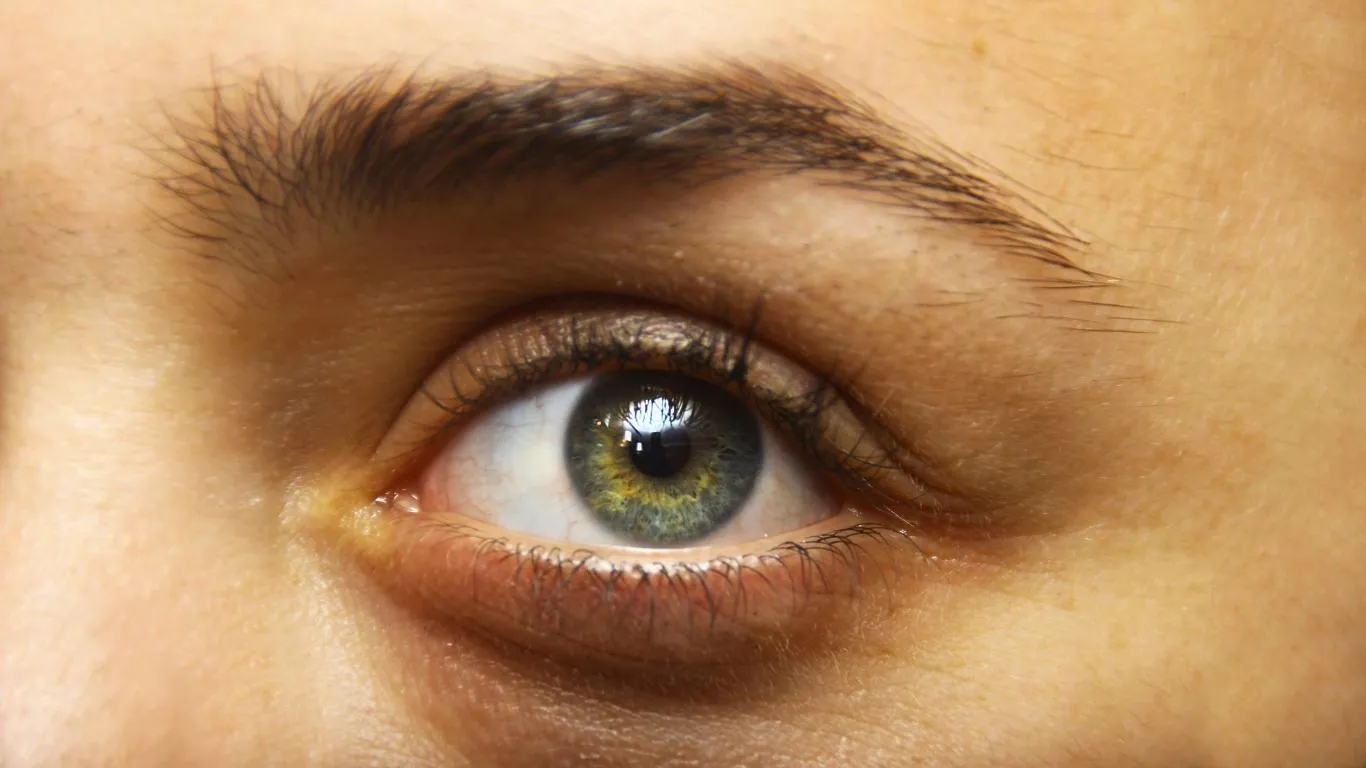
There’s something about that warm, chlorinated air that seems to make eye floaters more noticeable. While floaters themselves—those tiny clumps of collagen drifting around in your vitreous humor—aren’t caused by pool water, the environment in heated pools can definitely crank up their visibility.
Dry Air and Vitreous Clarity
Heated indoor pools are often maintained in low-humidity environments, which ironically dries your eyes out faster than you’d think. When your eyes become dry, your natural tear film thins, which changes how light enters your eye—and how clearly floaters show up.
Personally, I noticed that after just 30 minutes in the pool, my eyes felt gritty, and those floaters became more than just annoying—they were persistent.
Increased Blood Flow and Vitreous Movement
Swimming in warm water increases your body temperature and circulation. That might feel great for sore muscles, but it can cause your vitreous gel to shift slightly more, stirring up any floaters that had settled into less noticeable zones of your eye. Basically, you move more = your floaters move more.
Light Reflection and Contrast
Indoor pools use artificial lighting that reflects off still water and smooth surfaces. This contrast enhances your ability to see floaters because your eye picks up more of what’s in its line of sight against light or white backgrounds—like pool tiles or overhead lighting.
It’s not just anecdotal—many swimmers report that their floaters become intensely visible in the bright conditions of morning pool sessions or when diving under clear pool lights.
My Experience: From Occasional to Constant
I used to swim three to four times a week in a heated indoor facility. Before that, my floaters were occasional distractions—barely noticeable unless I stared at a white wall or the sky. After six months of regular swimming, they became daily visitors. I even began to see them after leaving the pool, when driving or working on my laptop.
This led me to do more digging into how environments like heated pools could be contributing factors. Not necessarily causing floaters—but absolutely making them worse.
Contributing Conditions That Amplify Floaters in Indoor Pools
- Low humidity dries out the tear film, increasing visual artifacts.
- High chlorine exposure may irritate the ocular surface, adding to eye strain and visibility of floaters.
- Body movement in water shifts the gel inside the eye, stirring up floaters into central vision.
- Lighting conditions in pools exaggerate contrast and make floaters stand out sharply.
If you’re also someone who uses blue light-filtering lenses or spends time on digital screens post-swim, the visual discomfort can be compounded.
Are Certain People More Prone to This?
Absolutely. Based on discussions I’ve had with eye care pros (and fellow lap swimmers), these groups seem to notice floaters more often while swimming indoors:
- People over 40, where natural vitreous changes are already in motion
- Those with a history of myopia or past eye trauma
- Anyone with autoimmune issues that affect ocular fluid health
- Swimmers recovering from cataract or LASIK surgery
It’s also worth mentioning that medical literature supports that warmer environments can cause minor expansion of the vitreous, subtly impacting how floaters behave inside the eye.
What You Can Do If Floaters Become Distracting During Swims
Here’s the thing—I didn’t stop swimming, and you don’t need to either. But there are ways to make those sessions more eye-friendly:
- Hydrate more before and after your swim, not just for your body but for your eyes.
- Use preservative-free artificial tears after swimming to re-moisturize your eyes.
- Wear swim goggles that seal well to minimize chlorine exposure.
- Choose swim times when the lighting is less harsh—early morning or twilight swims may reduce glare-induced floater visibility.
And if your floaters have gotten worse over time, not just in the pool but in everyday settings, it’s wise to check this comprehensive guide on when floaters might signal something more serious.
Don’t Let Floaters Ruin the Pool for You
Yes, floaters can be maddening when they hover right in your line of sight mid-breaststroke. But understanding what’s causing their prominence in heated indoor pools can go a long way in managing them—and maybe even reclaiming the joy of your swim routine.
If you’re trying to get to the bottom of your symptoms, this complete breakdown of causes and treatments is worth bookmarking. Also, dive deeper into eye floater treatment options if you’re considering professional solutions.
Long-Term Exposure to Heated Indoor Pools: Can It Worsen Eye Floaters?
If you’ve been wondering whether years of swimming in warm indoor pools might actually make your floaters worse, you’re not alone. I started asking myself the same thing after months of consistent exposure left me seeing new shapes and shadows that weren’t there before. While there’s no evidence that chlorinated water directly damages the vitreous gel, the environment you repeatedly put your eyes into absolutely plays a role in floater behavior and visibility.
What Prolonged Pool Time Might Be Doing
Let’s be real—swimming indoors isn’t a one-time event for most of us. It’s a lifestyle. But when you’re repeatedly exposed to warm, humid, chemically treated air and dramatic light contrast, here’s what can happen:
- Chronic eye dryness may destabilize your tear film and exacerbate existing floaters.
- Thermal shifts in the vitreous over time could cause microstructural changes in its collagen makeup.
- Repeated eye strain from squinting under pool lights might exacerbate eye fatigue, making floaters seem sharper.
To be blunt: no, swimming isn’t causing your floaters—but yes, the environment may be creating the perfect storm for them to become a visual nuisance.
What Experts Say (and What They Don’t)
Ask a typical optometrist about floaters and swimming, and they’ll probably say something like, “There’s no proven connection.” Which is technically true—but they often miss the environmental angle. That’s where personal experience, anecdotal evidence, and emerging research fill in the blanks.
In fact, American Academy of Ophthalmology literature notes how floaters often become more visible in bright, high-contrast settings—exactly like those found in indoor pools. That’s not a coincidence.
Vitamin and Hydration Links
I started supplementing with vitamins targeted for vitreous health—especially collagen, hyaluronic acid, and antioxidants like lutein and zeaxanthin. Not a cure, but definitely helped. Also, drinking water before and after a swim (something I used to forget to do) made a difference over a few weeks.
There’s even a potential link between magnesium deficiency and worsening floaters, so I started paying attention to that too.
How to Swim Without Aggravating Your Floaters
Swimming should never feel like a visual compromise. If you’re committed to the sport but also tired of floaters being a distraction, here are a few changes I’ve made that helped keep them in check:
- Switch pools occasionally if possible. Some have better humidity control and softer lighting.
- Use preservative-free eye drops 15–20 minutes before swimming—not just after.
- Opt for anti-glare swim goggles that reduce internal reflections from lights.
- Limit head jerks and sudden turns while swimming laps. Less vitreous turbulence = fewer visible floaters.
- Take post-swim breaks in low-light areas to calm your vision before using digital screens or driving.
One trick I discovered accidentally: standing in the steam room for just a few minutes (away from direct hot airflow) post-swim seemed to soothe my eye discomfort and reduce the “halo” effect floaters were creating under fluorescent lights.
When to Take Floaters More Seriously
For most people, floaters are annoying but harmless. That said, if they change in appearance, increase suddenly, or start coming with flashes or peripheral vision loss, it’s time to get checked.
There are serious conditions like retinal tears that can show up this way, and they’re nothing to ignore. Especially if you’re someone who’s also experiencing heavy digital eye strain on top of long swim sessions.
And honestly, floaters that seem to “multiply” after swimming may not just be floaters. You might be dealing with something more advanced like posterior vitreous detachment.
Tools I Use Now to Track Changes
Not everyone needs to obsessively track their floaters—but I found that having a simple note or vision tracker helped me figure out patterns. Especially useful when talking to eye care pros.
I keep a weekly log of:
- Time spent in heated pools
- Floaters’ position and movement after swimming
- Lighting environments that make them worse
- Supplement usage or missed days
One day I noticed floaters got significantly worse when I swam after skipping dinner—later learned about how blood sugar dips might affect visual clarity. The body’s all connected, after all.
When Professional Help Makes Sense
If floaters are impacting your ability to enjoy swimming—or worse, causing anxiety or vision confusion—it might be worth considering professional treatment. I’m not talking extreme surgery right away, but even a thorough consultation can clear up what’s going on.
Here’s a reliable breakdown of treatment options that range from conservative to surgical, depending on floater severity and interference with your lifestyle.
And for those new to this whole floater phenomenon, the complete guide on what causes floaters and how they progress is an essential read.

Camellia Wulansari is a dedicated Medical Assistant at a local clinic and a passionate health writer at Healthusias.com. With years of hands-on experience in patient care and a deep interest in preventive medicine, she bridges the gap between clinical knowledge and accessible health information. Camellia specializes in writing about digestive health, chronic conditions like GERD and hypertension, respiratory issues, and autoimmune diseases, aiming to empower readers with practical, easy-to-understand insights. When she’s not assisting patients or writing, you’ll find her enjoying quiet mornings with coffee and a medical journal in hand—or jamming to her favorite metal band, Lamb of God.