Why Floaters That Intensify In Nostalgic Moments May Signal Eye Strain
Last week, while flipping through an old photo album with my grandmother, something strange happened. As I laughed at my awkward middle school haircut, a bunch of tiny specks and squiggly threads suddenly darted across my vision — floaters. But not just the usual ones. These felt… more intense. Sharper. Almost as if nostalgia itself triggered them. That moment got me wondering: can floaters actually intensify during emotional, nostalgic moments? Turns out, there’s more to this phenomenon than you might expect.
What Are Floaters, Really?
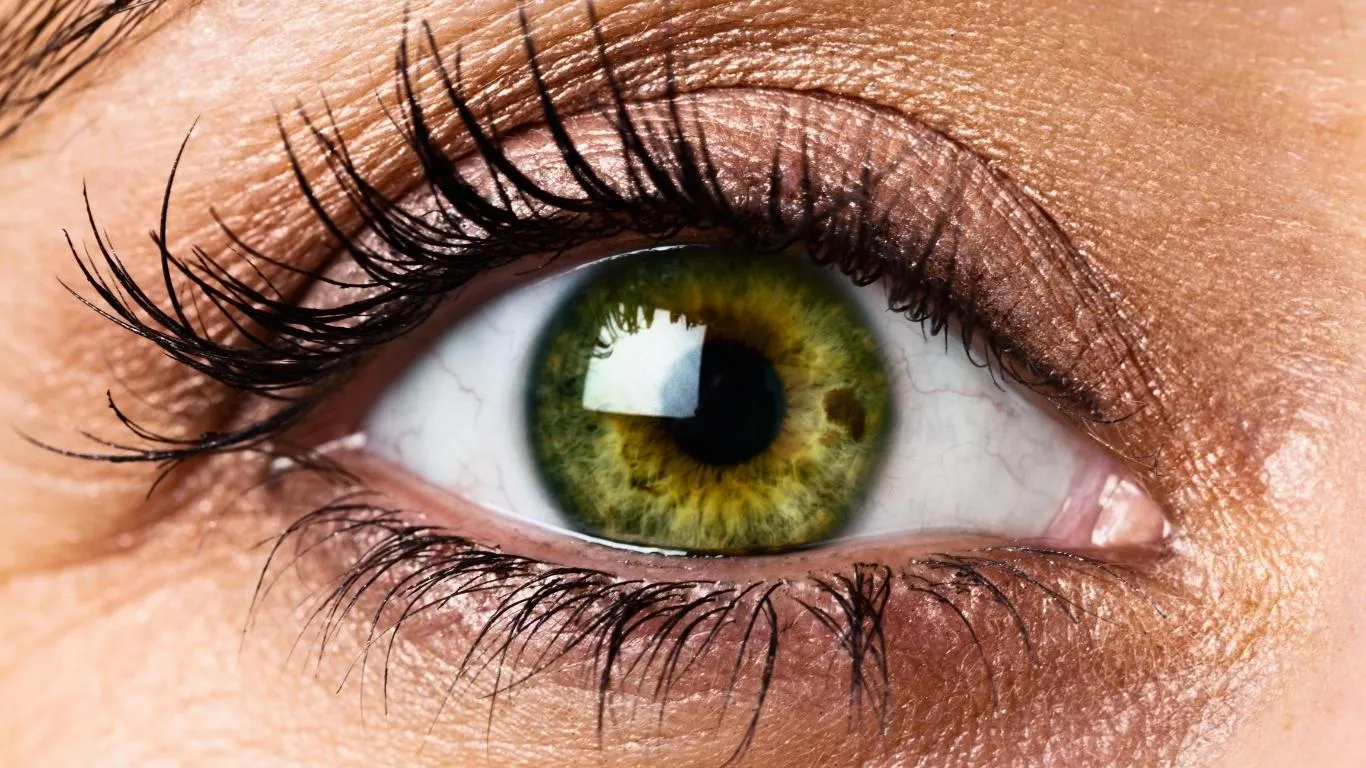
Floaters are those drifting specks or cobweb-like threads you sometimes see moving across your field of vision. They’re usually more noticeable when looking at bright backgrounds, like a blue sky or white wall. Most floaters are caused by age-related changes in the vitreous humor, the clear gel that fills your eye. But if you’re like me, you may have noticed these floaters acting up during emotionally charged or reflective moments — especially when revisiting memories.
Why Do Floaters Seem Worse During Nostalgic Moments?
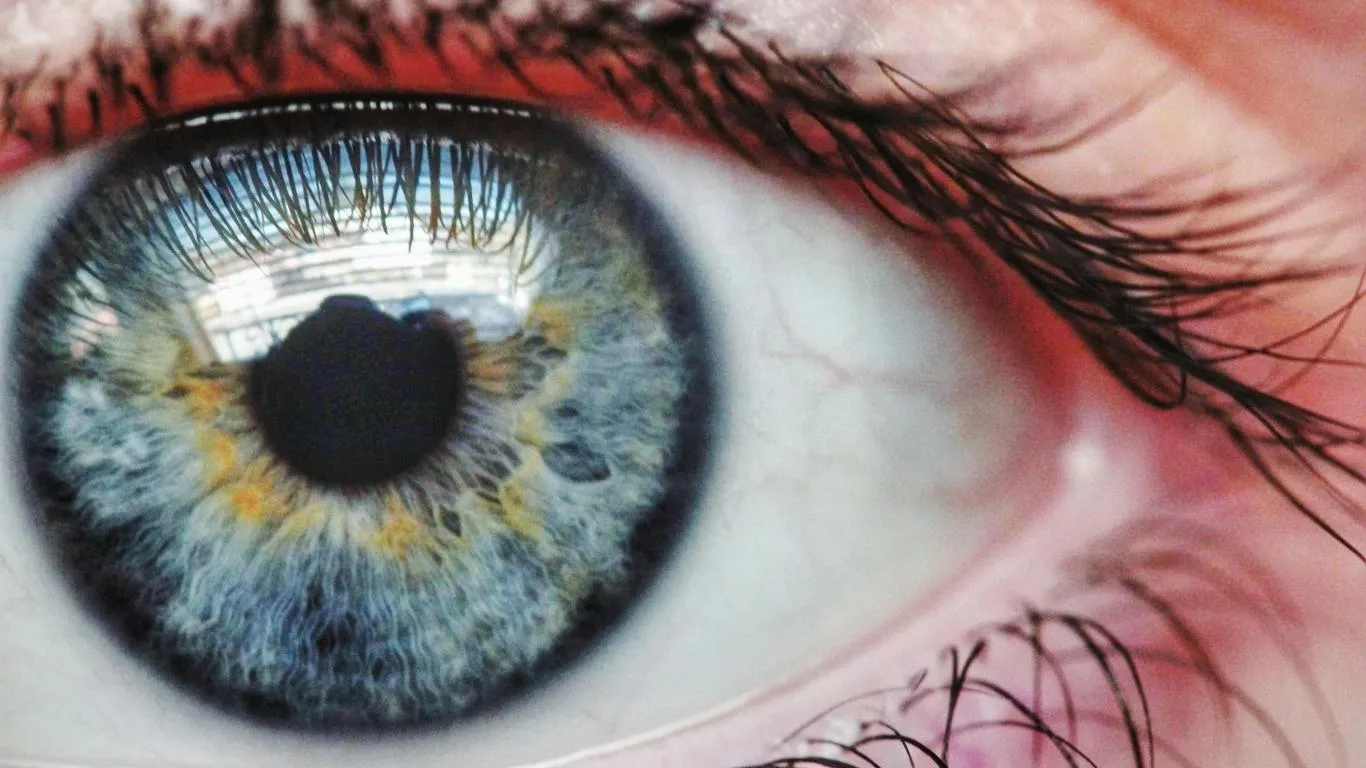
This might sound far-fetched at first, but there’s actually a connection between emotional states and how intensely we perceive floaters. When we dive into memory-heavy situations — like old music, family photo albums, or places that pull on the heartstrings — our brain becomes hyper-focused. This intensified focus makes it easier for us to detect even the subtlest floaters that we’d normally ignore.
Combine this with eye movement changes (like gazing around softly lit rooms or tearing up), and the visual disturbance can feel way more pronounced. Some researchers even link this phenomenon to the way the limbic system (which processes emotion) interacts with the visual cortex. It’s not a stretch to think that nostalgia amplifies awareness — and floaters ride that wave.
Increased Pupil Dilation and Visual Contrast
When you feel strong emotions, your pupils can dilate, especially in low-light or reflective environments. This shift can change how much light enters the eye and affects the contrast of floaters against the background. In short: nostalgic moods may make your floaters more visible simply because your visual system is working differently.
Emotional Triggers That Seem to Make Floaters Worse

- Listening to Old Music: Ever get chills from a song you haven’t heard in years? That rush can heighten awareness, making floaters pop out.
- Revisiting Childhood Locations: Familiar places carry emotional weight, and your brain enters a reflective mode. Floaters often tag along.
- Grief or Melancholy: Emotional lows or tearful episodes can dilate pupils and shift visual focus, enhancing floater visibility.
- Reconnecting with Old Friends or Lovers: Intense eye contact or tearful reunions tend to involve longer eye focus, which makes floaters easier to detect.
It’s worth noting that many people have reported floaters becoming more visible during periods of stress or anxiety — which often go hand-in-hand with nostalgic introspection. In fact, a few people have shared their experiences in forums, describing how emotional “flashback” episodes made floaters explode across their vision.
Curious about similar triggers? Read how floaters after emotional trauma tend to linger far longer than expected — often causing daily annoyance.
Are You Actually Experiencing More Floaters or Just Noticing Them More?
This is the golden question. For most people, nostalgic moments don’t create more floaters — they just sharpen your perception. The brain’s spotlight effect takes over. But in some cases, emotional distress or tear production could influence how floaters behave in the fluid environment of the eye. Blinking patterns change, eye strain increases, and sometimes your vision feels “foggier.”
When that happens, floaters may seem to appear more frequently or drift more aggressively. This is especially common in people with younger eyes who aren’t used to noticing them regularly.
Could Floaters Be a Symptom of Something Bigger?
While emotionally intensified floaters are usually benign, there are cases where they signal underlying issues. You’ll want to watch out for sudden bursts of floaters, especially when combined with:
- Flashes of light
- Loss of peripheral vision
- Blurred or double vision
If you’ve experienced floaters following an emotional breakdown or stressful episode and they haven’t faded, it’s worth checking in with an eye specialist. Retinal detachment, for instance, can sometimes masquerade as emotionally triggered floaters — and early detection is crucial.
Want to know how to differentiate floaters from other eye issues? Check out this helpful guide on floaters vs. other eye problems — a solid resource for ruling out serious conditions.
Floaters, Stress, and the Subconscious Link
There’s growing evidence connecting chronic stress and the worsening of floater perception. During periods of intense reflection — like journaling, memory recall therapy, or even conversations about the past — stress hormones can spike, affecting vision clarity.
Some floaters may actually be triggered by anxiety episodes, where tension in the neck and jaw tightens ocular movement. That connection between the mind and the eyes? Stronger than we’ve given it credit for.
Here’s a surprising one: I once noticed my floaters intensify while watching a slideshow at a wedding — a mix of bright lights, emotional music, and yes, full-on nostalgia overload. Several others have described similar stories involving dimly lit event spaces.
What You Can Do to Reduce Floaters During Emotional States
Let’s face it: avoiding emotional moments is unrealistic. So what can you do when floaters crash your sentimental flashbacks?
- Improve hydration: Dehydration makes floaters worse. I now carry a reusable bottle when visiting family — weirdly enough, it helps.
- Practice controlled blinking: In moments of deep thought, people tend to blink less, causing eye dryness and floater prominence.
- Use soft ambient lighting: Avoid harsh lights during nostalgic conversations. Warm lighting reduces floater contrast.
- Try eye movement exercises: Gently rolling your eyes in a circular motion can help shift floaters out of your direct vision field.
Explore more treatment options for eye floaters including non-invasive methods and clinical recommendations. For a foundational guide on understanding floaters, I highly recommend this comprehensive explainer.
So, after diving deep into how floaters can become more pronounced during nostalgic moments, let’s talk about something just as important — what we can actually do about it. Because let’s face it: unless we plan to live emotionless lives (not recommended), nostalgia is here to stay. And if you’re like me, floaters tend to sneak in right when the feelings hit hardest — during family gatherings, old movies, even scrolling through decade-old social media posts.
How Lifestyle Habits May Be Making Your Floaters Worse
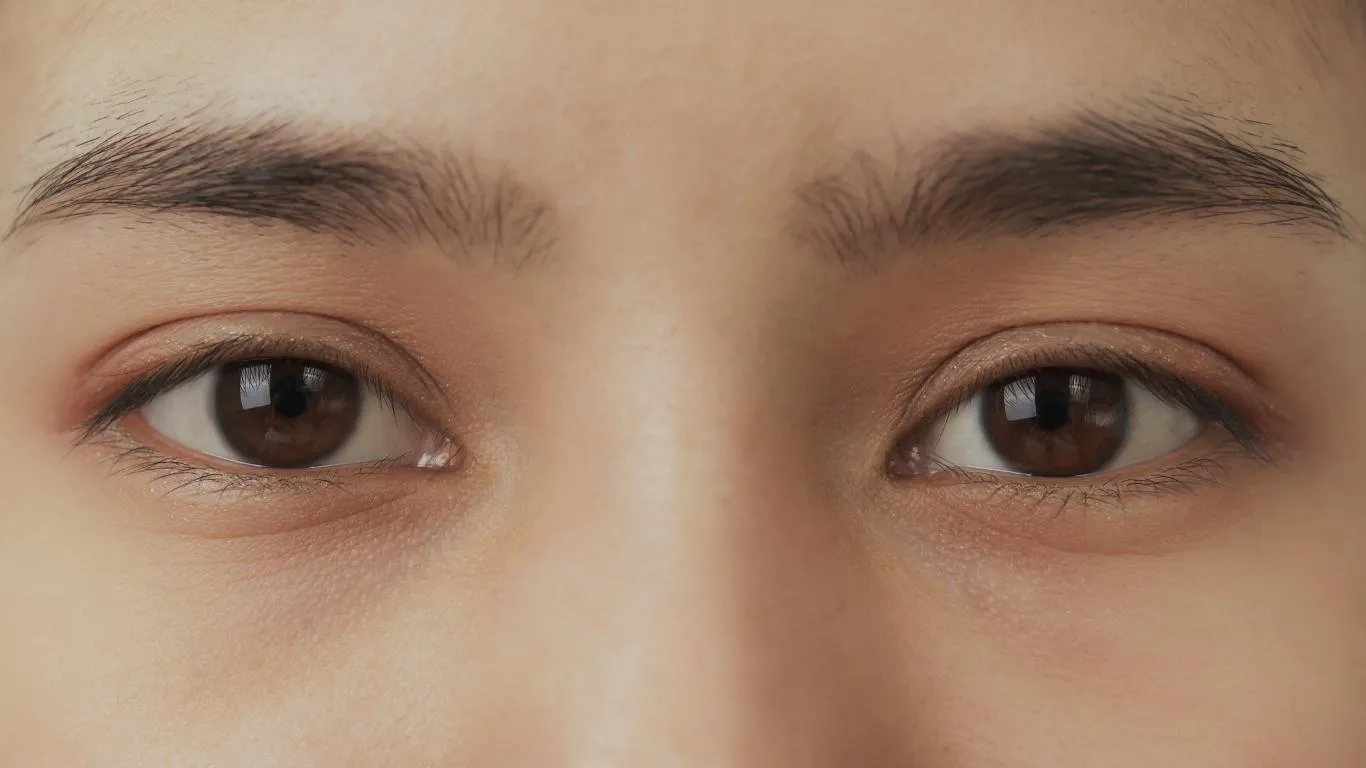
One of the things I noticed — and confirmed with an eye doctor — is that my lifestyle habits played a much bigger role in floater intensity than I thought. Simple things like poor lighting, inconsistent hydration, and even posture during reflection-heavy moments had a surprisingly strong impact.
According to several sources, smoking and excessive caffeine can cause floaters to seem more aggressive, especially when paired with emotionally taxing environments. I was shocked to find out how my usual double espresso before journaling time made floaters more visible. No joke — I swapped it with green tea and noticed an immediate difference.
Floaters and Screen Time During Reflection
Let’s not ignore the elephant in the room. Most of our modern-day nostalgia comes from — yep — screens. Old Facebook albums, digital journals, Spotify playlists from 2010. But staring at bright screens while emotionally engaged strains the eyes more than usual.
In one instance, I went down a YouTube rabbit hole of old commercials from the early 2000s. Twenty minutes in, the floaters were everywhere. Turns out, there’s a real connection between screen brightness, emotional focus, and visual fatigue. This guide on screen-induced floaters explains it well.
Natural Remedies That Help During Nostalgia-Heavy Episodes
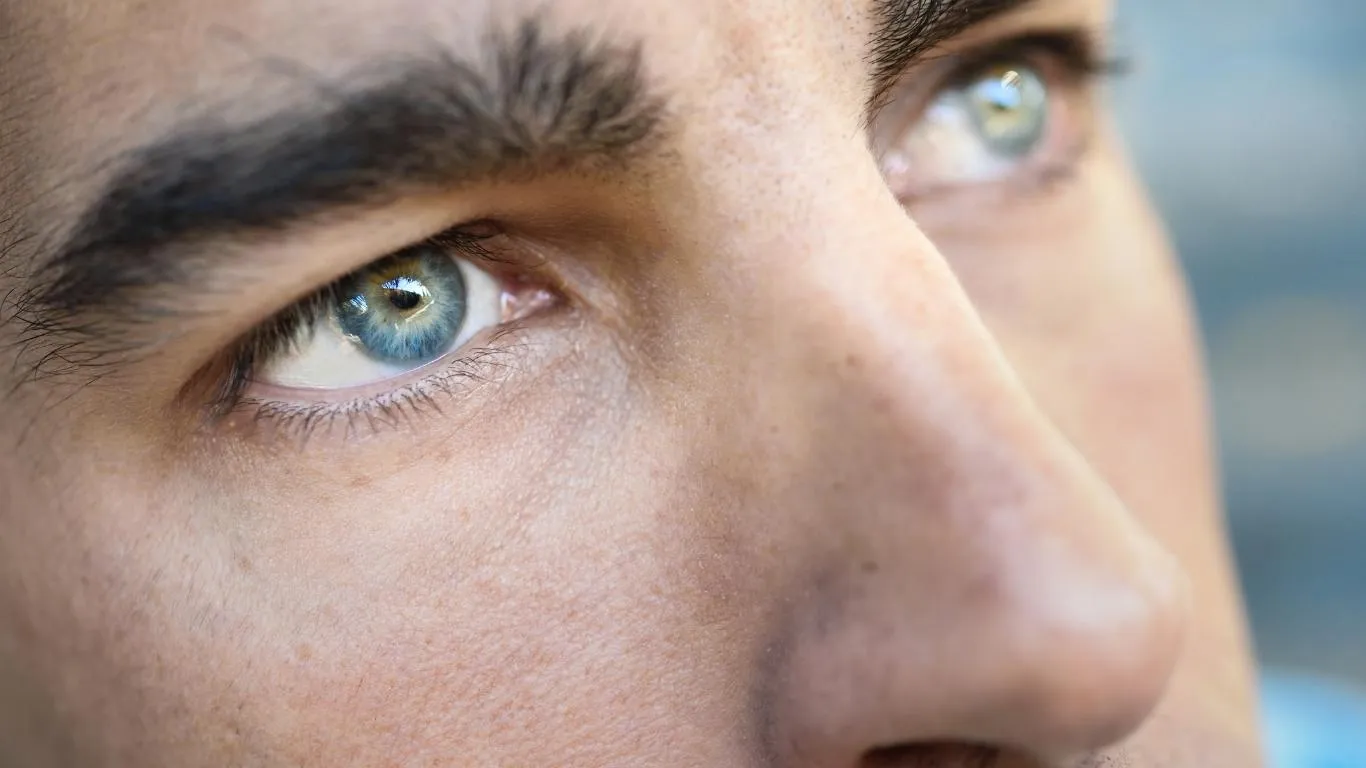
While there’s no miracle cure (believe me, I’ve tried them all), some natural approaches have made a noticeable difference for me, especially during those memory-lane sessions:
- Magnesium-rich foods: Dark chocolate, almonds, and leafy greens help relax the nervous system and ease visual tension. And yes, I take that as a sign to eat more chocolate.
- Proper sleep: My floaters are at their worst after poor sleep. Sleep deprivation and visual processing do not mix well.
- Lutein and zeaxanthin: These carotenoids, found in egg yolks and corn, are great for retinal health. They’re part of my daily supplement stack now.
- Hydration, again: I’ll keep saying it — most people overlook this. Dehydration makes floaters harsher and harder to ignore, especially during tearful or sentimental moments.
When Should You See a Doctor?
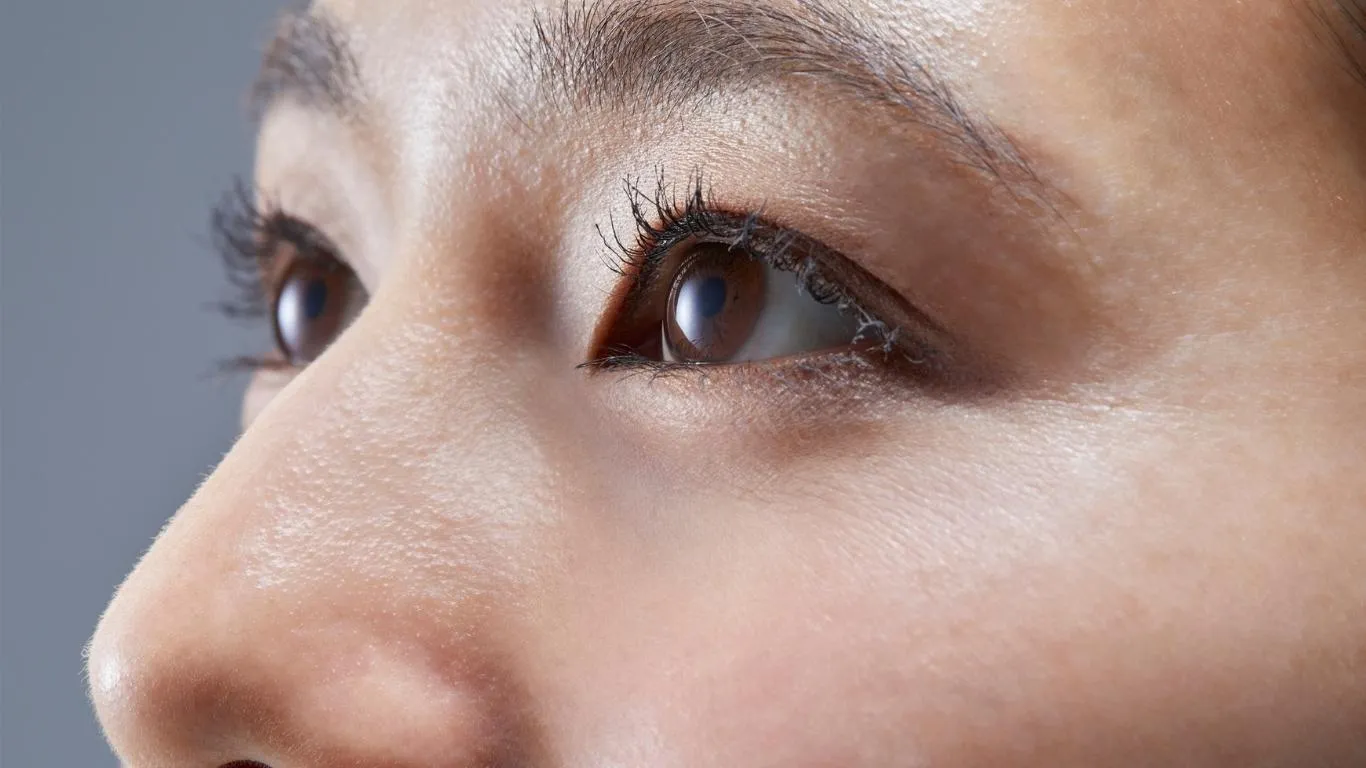
Not every episode of intensified floaters is harmless. Emotional triggers might shine a light on a problem that was quietly building. I ignored a spike in floaters for months until I finally saw an ophthalmologist. Turned out, it was early-stage posterior vitreous detachment. Harmless, but still something I wouldn’t have caught without a check-up.
If you’re noticing symptoms like:
- Floaters increasing drastically in a short time
- Floaters with flashes of light
- Shadowy curtains in your field of vision
…don’t wait. These could be signs of retinal tears. In those cases, nostalgia might not be the cause — it’s just the moment you happened to notice a bigger issue. Here’s a smart breakdown of when floaters become serious.
Simple Exercises to Shift Focus From Floaters
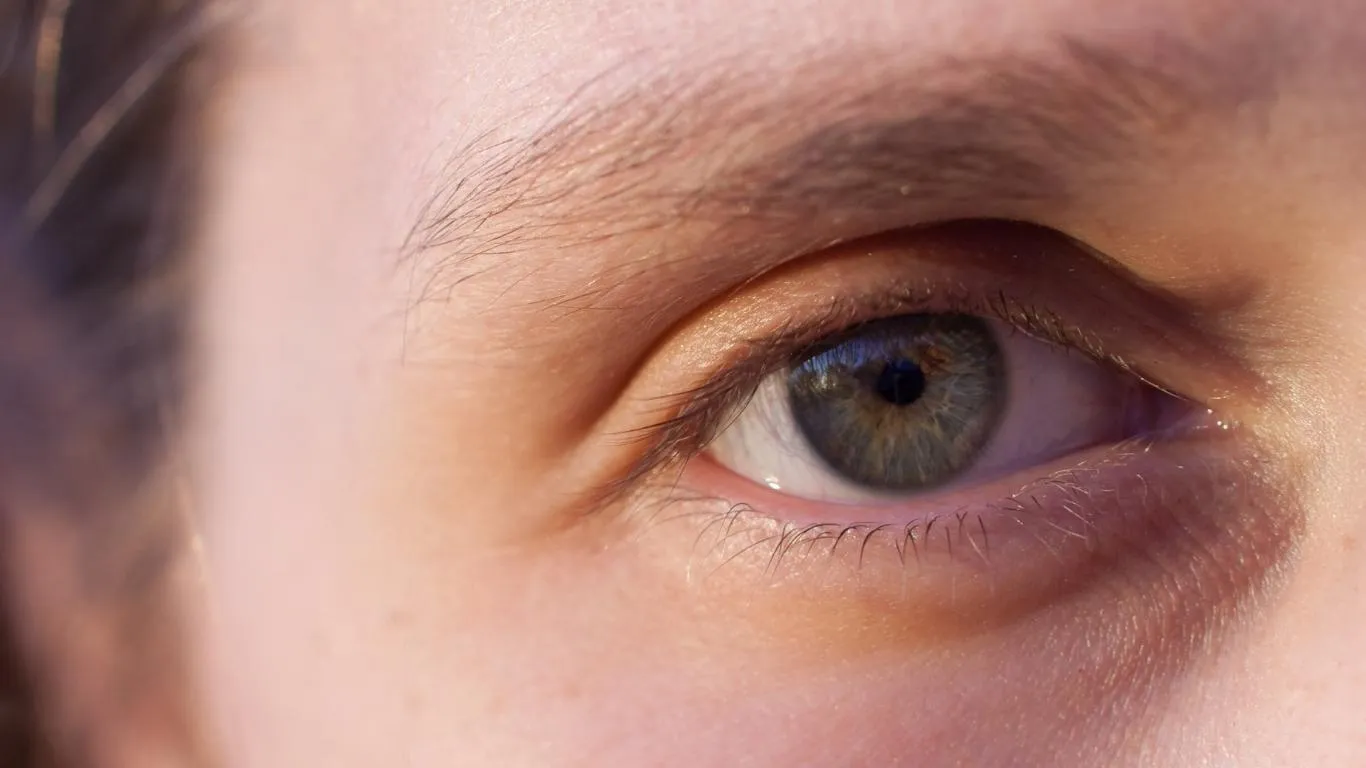
Sometimes, when I’m deep in a nostalgic spiral and the floaters take center stage, I use a few gentle tricks to shift my focus. No equipment, no apps — just basic stuff that helps.
- Follow-the-thumb technique: Hold your thumb out, slowly move it side to side, and follow with your eyes. Great for moving floaters out of the central vision area.
- Palming: Rub your hands together, gently place them over closed eyes for a minute. It calms the nerves and softens the floater’s presence.
- Peripheral awareness training: While looking straight, focus on what you can see at the edges. It helps reset your visual focus and makes floaters less distracting.
There are even more evidence-backed eye exercises designed specifically for floaters — some surprisingly effective when practiced regularly.
When the Mind and Eyes Collide: The Psychology Behind Floaters
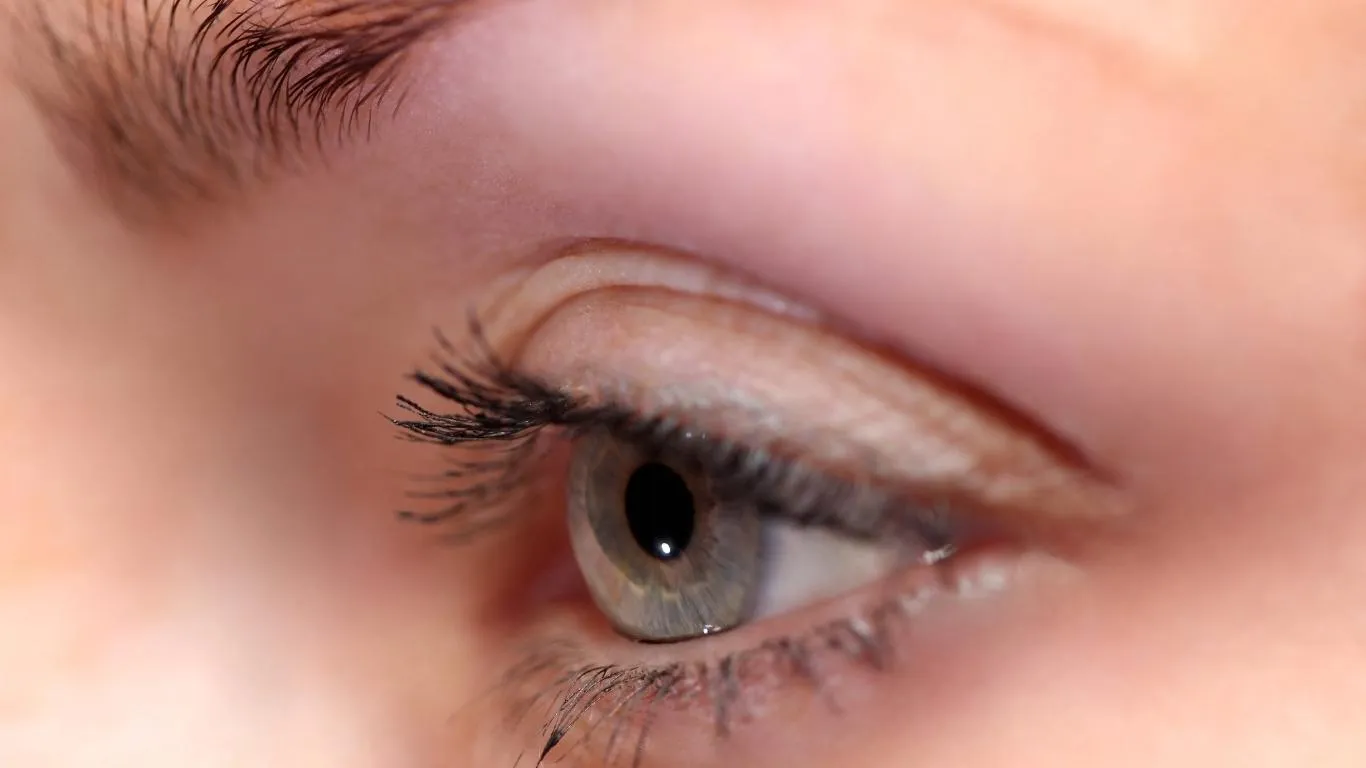
Here’s something many doctors don’t tell you: floaters are often as much about the mind as they are about the eye. During nostalgic moments, your brain tends to heighten sensory perception. It’s like every detail becomes more vivid — sights, sounds, even visual “noise.”
I found this particularly true during quiet evenings, especially after reflective journaling. My floaters felt sharper and more “present,” almost like they were reacting to my thoughts. Turns out, I wasn’t alone. According to several discussions and this insightful piece on floaters and mental health, persistent floaters can also feed into anxiety — creating a feedback loop of hyperawareness.
Recognizing this mental component has been game-changing for me. I’ve started treating floater episodes like any other sensory experience — acknowledging them, breathing through them, and letting them pass instead of chasing them visually.
Floaters in Special Emotional Scenarios
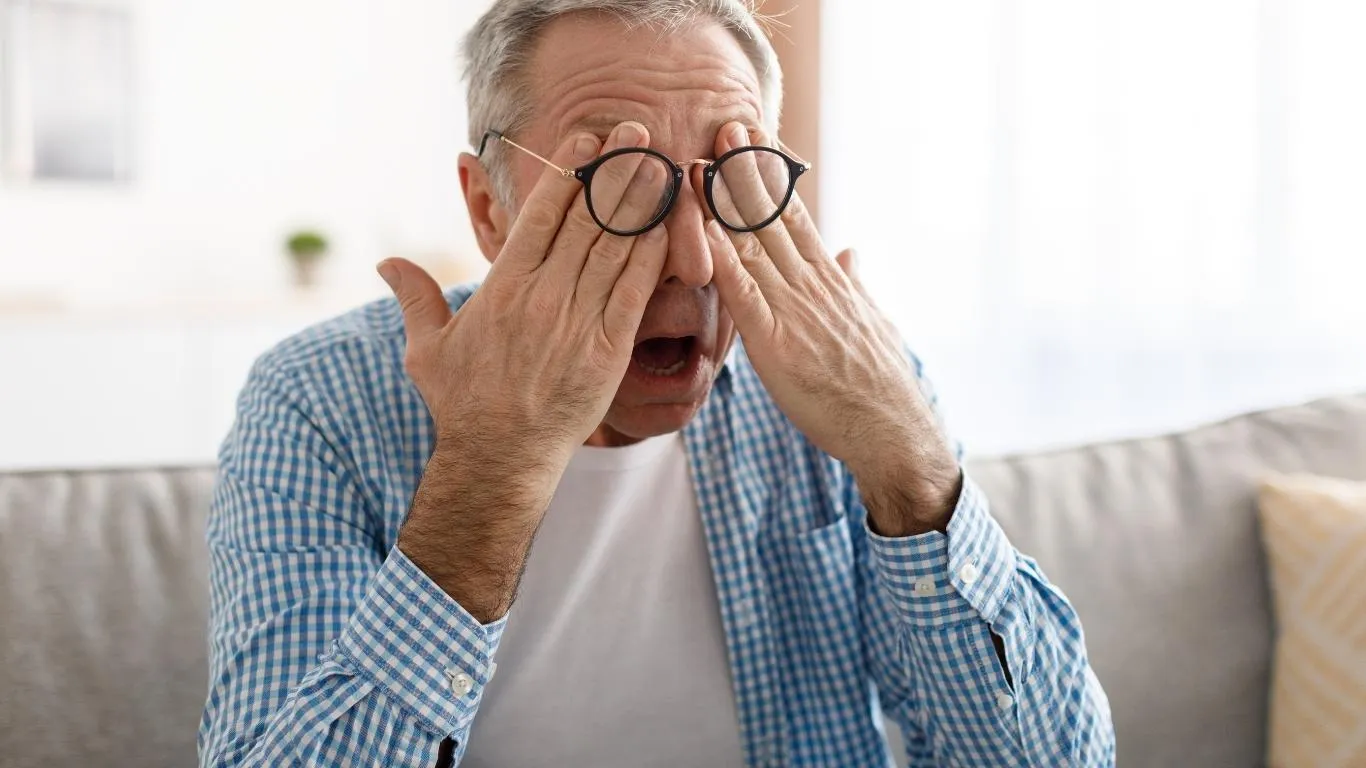
Some readers have asked me: “Do floaters change depending on the type of nostalgia?” Funny enough — yes, they can. For instance:
- After crying: Floaters seem to hover more. Tears slightly change the optical surface of the eye, enhancing the contrast.
- During spiritual or reflective retreats: Low light and silent environments make floaters more noticeable, especially during meditation or silence therapy sessions.
- Revisiting emotionally charged places: Locations tied to grief, love, or trauma can heighten emotional processing and, as a result, floater perception.
I even found a helpful read on floaters during silent room meditation — a great example of how stillness can increase visual awareness.
So, while floaters aren’t dangerous most of the time, they can teach us something powerful about how emotion, memory, and physical vision intersect. And sometimes, the best remedy is simply to understand what’s happening.
If you want to understand the full landscape of floaters — from basics to treatment options — explore the full guide on what causes them and what helps.

Camellia Wulansari is a dedicated Medical Assistant at a local clinic and a passionate health writer at Healthusias.com. With years of hands-on experience in patient care and a deep interest in preventive medicine, she bridges the gap between clinical knowledge and accessible health information. Camellia specializes in writing about digestive health, chronic conditions like GERD and hypertension, respiratory issues, and autoimmune diseases, aiming to empower readers with practical, easy-to-understand insights. When she’s not assisting patients or writing, you’ll find her enjoying quiet mornings with coffee and a medical journal in hand—or jamming to her favorite metal band, Lamb of God.