Why Floaters Seem Worse In Rooms With Tall Windows
If you’ve ever stared out a tall window on a bright day and noticed little squiggly lines, dots, or cobweb-like shapes drifting across your vision, you’re not imagining things. I still remember the first time it happened to me—mid-afternoon sunlight pouring into the living room through a floor-to-ceiling window, and suddenly, there they were. Just these faint little floaters waltzing around my line of sight. They didn’t hurt, but they were impossible to ignore. That’s how my rabbit hole into the world of eye floaters began.
What Are These Floaters You See in Brightly Lit Rooms?
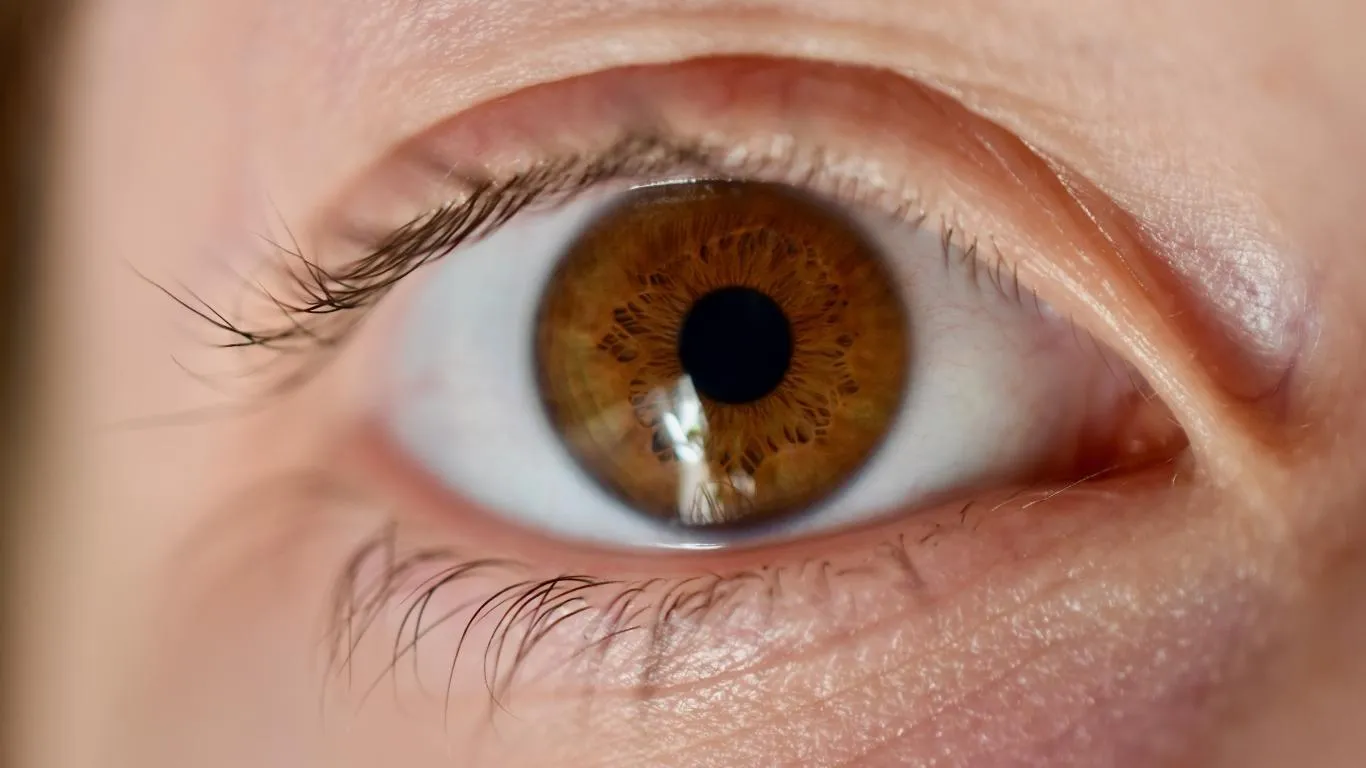
Eye floaters are those shadowy specks, threads, or cobweb-like shapes that drift around, usually when you look at something bright—like a clear sky or yes, those gloriously tall windows. They’re actually bits of collagen or tiny clumps of gel inside your vitreous humor—the clear gel that fills the inside of your eye. As light enters, these floaters cast tiny shadows on the retina, which is what you see floating in your field of vision.
Why Tall Windows Make Them More Obvious
Let’s get real: lighting changes everything. Bright environments, especially natural light pouring through tall windows, create the perfect contrast. That’s when floaters become the visual equivalent of lint on a black shirt. They’re always there, but in certain lighting, they scream for your attention. This is why you might barely notice them inside a cozy coffee shop, but the second you walk into a sun-drenched atrium or your office with high glass walls—they’re front and center.
- Bright backgrounds make floaters stand out
- Light streams from tall windows cause increased contrast
- Upward gaze toward the sky amplifies visibility
Could Floaters Be a Sign of Something Serious?
Most floaters are harmless and a natural part of aging. But—here comes the serious part—there are situations where they’re more than just a visual annoyance. If your floaters appear suddenly or come with flashes of light, a dark curtain over your vision, or if you notice a sudden increase in the number, it’s time to stop scrolling and call your eye doctor.
In rare cases, floaters are linked to issues like retinal tears or posterior vitreous detachment. I had a friend who dismissed her new wave of floaters for weeks, and it turned out to be a partial retinal detachment. She’s fine now, but let’s just say she doesn’t skip eye exams anymore.
What Symptoms Should Raise Red Flags?
- Sudden explosion of new floaters
- Flashes of light, especially in peripheral vision
- Dark curtain or shadow over part of your vision
If any of these sound familiar, don’t wait. Your retina may be calling for help.
Floaters and Age: The Uninvited Guest That Sticks Around
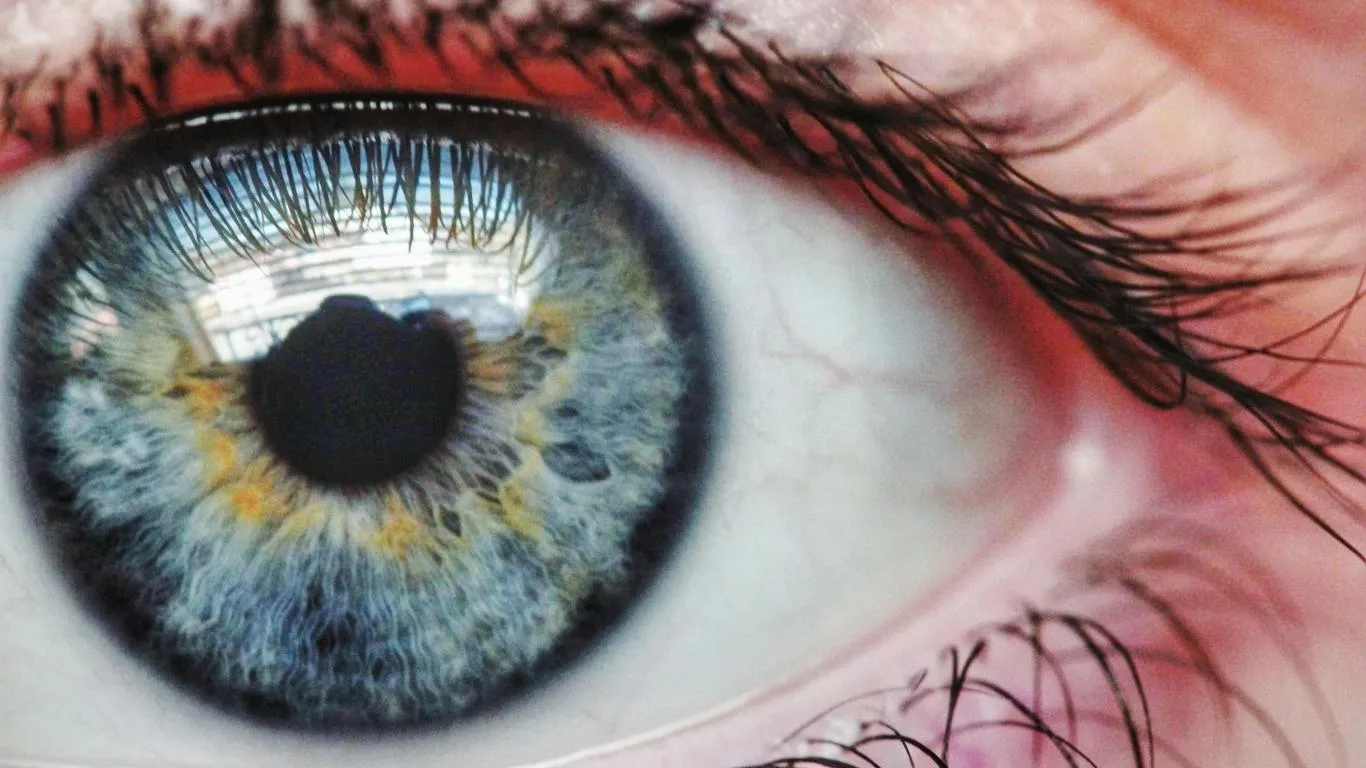
Floaters become more common as we age—thank you, biology. The jelly inside our eyes starts to shrink and become stringy, leading to more clumping and, voila, floaters. This is especially common in people over 50, but here’s the kicker: I was 34 when mine started showing up. Turns out, it’s not just an “old person thing.”
It’s linked with conditions like vitreous syneresis and even appears in healthy younger adults—especially if you’re nearsighted or have had eye surgery or trauma.
Common Triggers: It’s Not Just Tall Windows
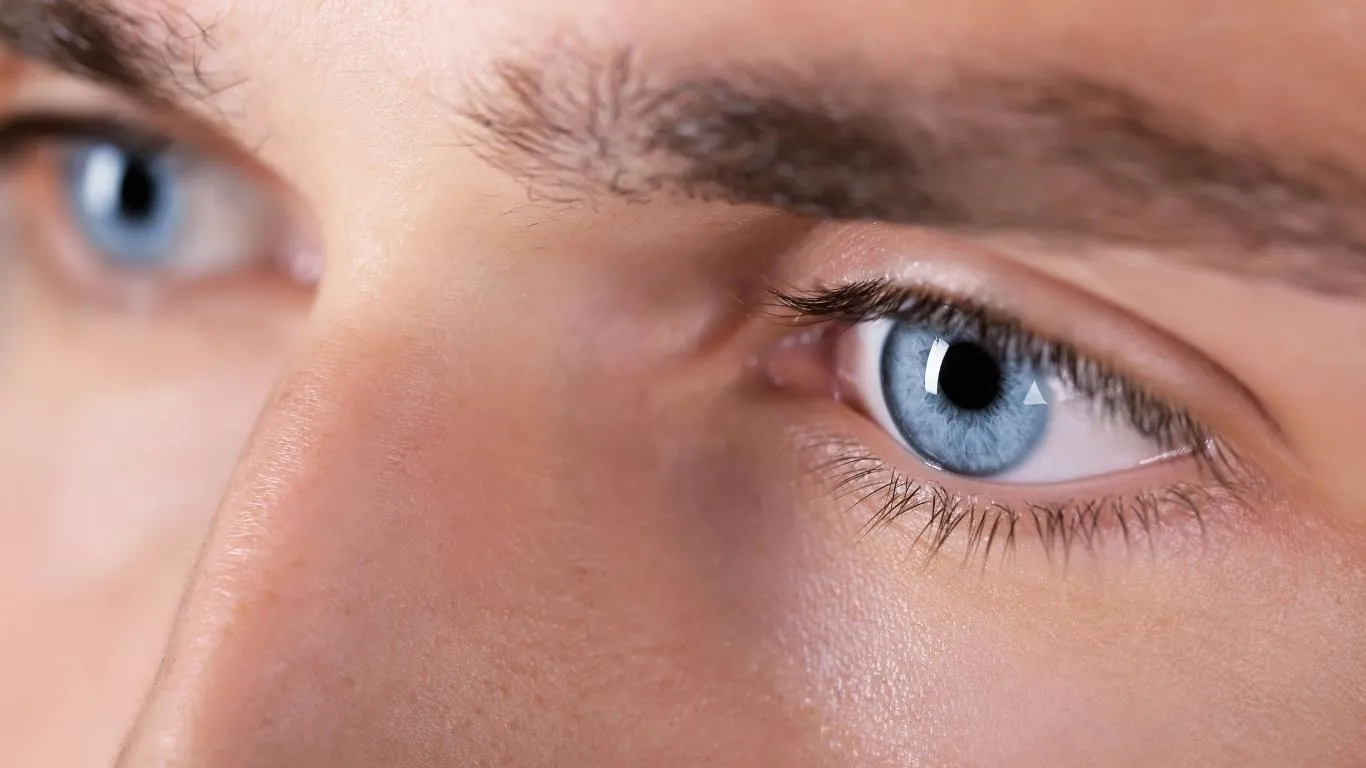
While sunlight through high windows might make them more visible, there are other things that seem to bring them out to play. In my case, long reading sessions in bright rooms are a guaranteed floater fest. Here are other sneaky culprits:
- Eye strain from screen time
- Dehydration—yes, really
- Stress or lack of sleep
- Postural habits like tilting your head near a sunny window
Some even report noticing floaters only in specific environments, like rooms with tall windows or during artificial lighting situations. It’s not a coincidence—light direction, color temperature, and surface reflections can all play into it.
Managing Floaters Without Losing Your Mind
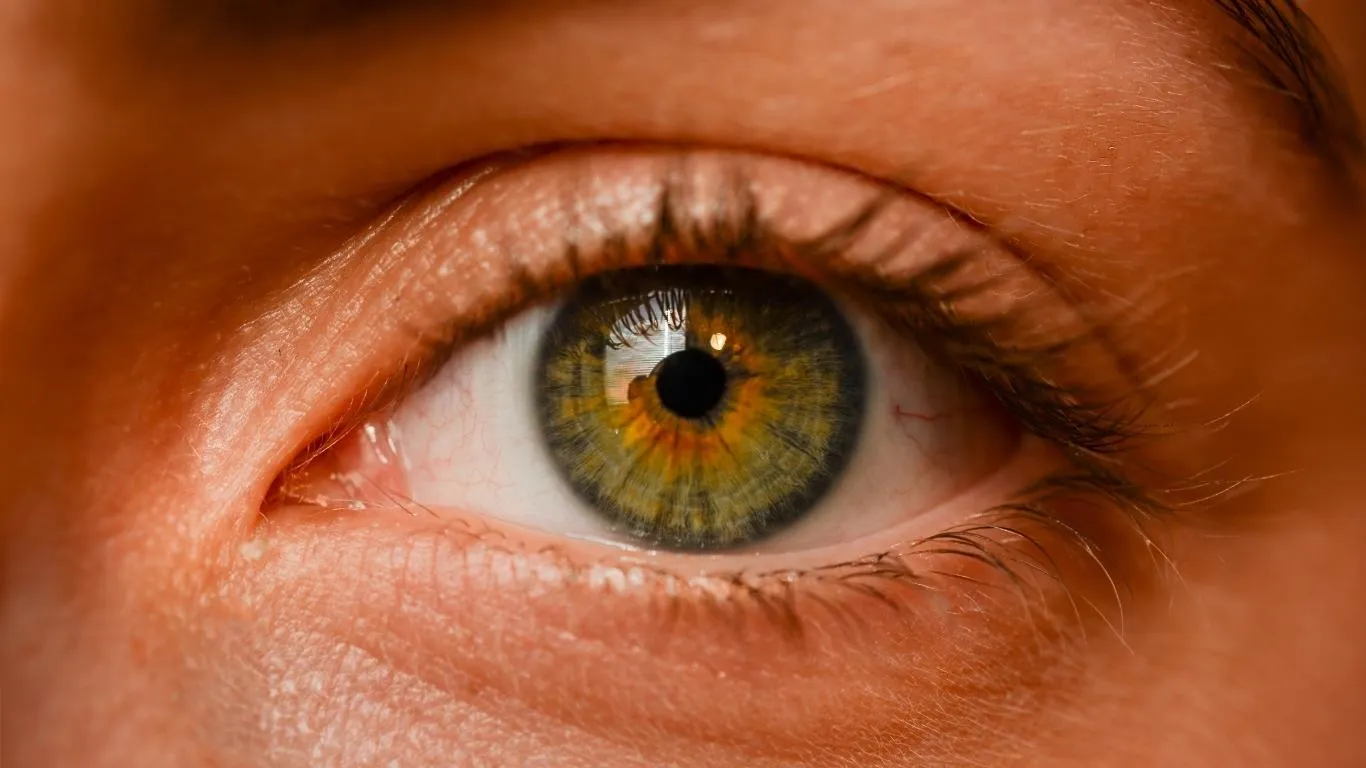
Here’s the truth: Most floaters don’t go away. But you can get used to them—or at least learn to ignore them better. Some people swear by natural techniques, like yoga for eye health, or dietary changes focused on antioxidants and hydration. I started taking short breaks from my screen every hour and, shockingly, my floaters felt less annoying. Coincidence? Maybe. Relief? Absolutely.
It’s also worth checking out medically-backed options when floaters become more than a nuisance. You can read about the full range of options in this treatment guide.
To get a solid foundation on what these floaters are, when to worry, and how to deal with them long term, explore this comprehensive guide from our main eye floater resource.
After finally coming to terms with the floaters that danced across my vision every time I stared out the tall windows of my home office, I decided to dig deeper. Not just into the “why” but the “what can I actually do about it?” Because let’s face it—knowing what they are doesn’t mean we stop noticing them. And if you’re anything like me, you don’t want to just live with them. You want options. You want hope. And maybe a little clarity—literally.
Can You Prevent Floaters From Getting Worse?
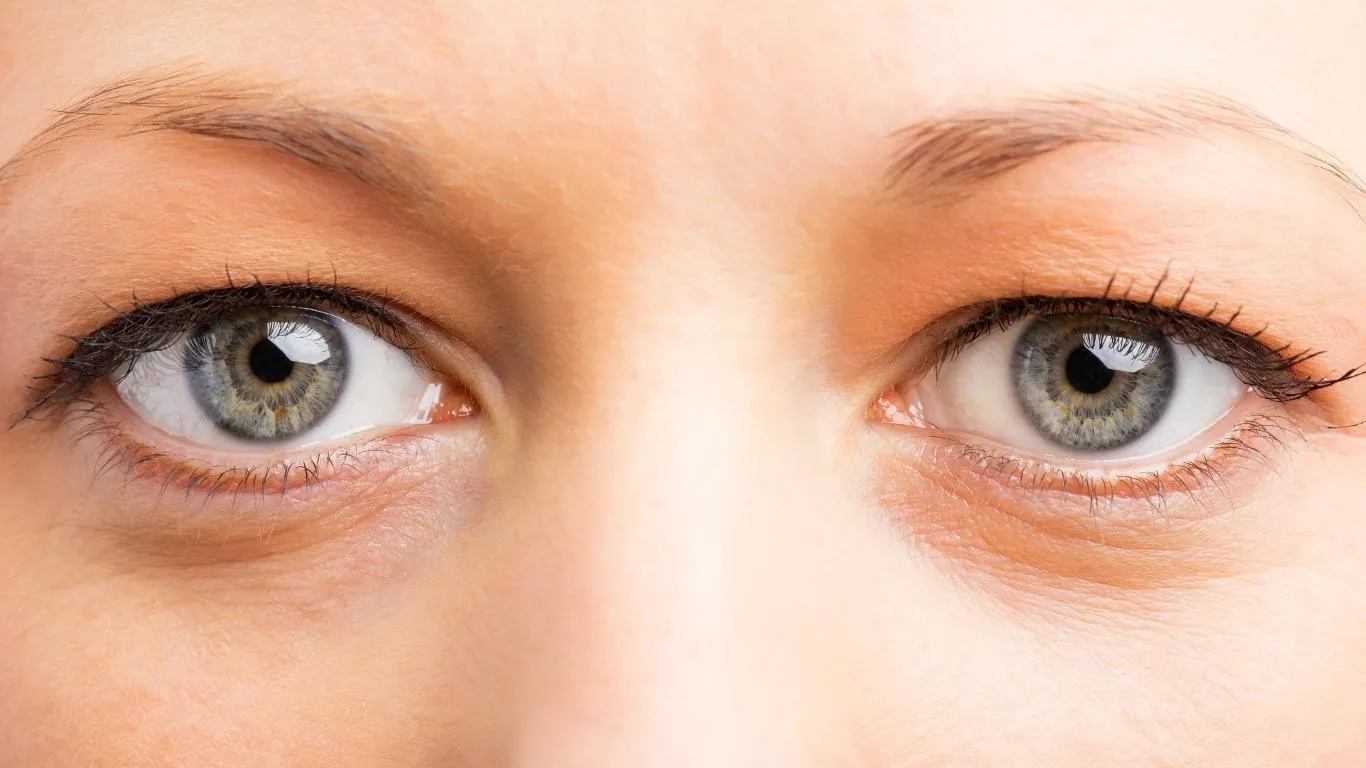
Here’s the real talk: once floaters show up, they rarely vanish completely. But that doesn’t mean you’re powerless. The best approach is minimizing the risk of more appearing—and that starts with simple daily habits that protect your eyes and overall health.
Proactive Steps That Make a Difference
- Hydration: Your eyes need fluid just like the rest of your body. I underestimated how much water I needed until I started tracking it—and my eyes thanked me.
- Good lighting: Harsh overhead lights or inconsistent lighting from tall windows can strain your eyes. Balance your workspace lighting with warm-toned lamps or blinds to reduce the glare.
- Breaks from screens: I started using the 20-20-20 rule: every 20 minutes, look at something 20 feet away for 20 seconds. It’s been a game-changer.
- Nutrient-rich foods: Antioxidants like lutein and zeaxanthin can support eye health. You can read more on that in our guide to lutein-rich foods for better vision.
And yes, floaters can feel more intense depending on the room and lighting, but those aren’t the cause—they’re just revealing what’s already there.
Are Supplements or Herbs Worth It?
I was skeptical at first, too. But there’s growing interest in natural support for vitreous clarity. While no supplement can magically erase floaters, some people do report improvements with consistency. The key is realistic expectations and choosing products backed by real science—not hype.
Options like targeted floaters supplements and even herbs that support eye health can be part of a long-term strategy. I tried a lutein-zeaxanthin combo with Omega-3 for 90 days, and while it didn’t eliminate my floaters, it seemed to reduce the intensity—especially in those tall-window moments when they usually screamed for attention.
Some Popular Ingredients to Consider:
- Lutein and Zeaxanthin
- Astaxanthin
- Vitamin C and E
- Omega-3 Fatty Acids
But always check with an eye care provider before diving in—what works for one person might not work for another.
Floaters Seen in Specific Lighting: What’s the Deal?
Ever notice how your floaters seem to hide in some rooms and show up loud and proud in others? You’re not losing it. Floaters seen in rooms with tall windows are a classic example of how environmental lighting plays a huge role in visibility.
Rooms with natural lighting, especially if it’s uneven (think shafts of sunlight hitting white walls), are prime floaters territory. It’s not that the floaters are worse—it’s that the conditions are perfect for them to stand out. I eventually installed soft, adjustable blinds in my work area, and while it didn’t make the floaters vanish, it kept them from distracting me 24/7.
Other Common “Floater Zones” in the House
- White tile bathrooms with overhead lights
- Sunlit kitchens with glossy surfaces
- Hallways with natural light skylights
Once you start noticing these patterns, you can make small adjustments to reduce the intensity—like warm lamps, matte decor finishes, and anti-glare window treatments.
When Should You Consider Treatment?
For most of us, floaters are an annoyance—not an emergency. But if they’re truly interfering with your life or suddenly change in character, treatment is an option. Options range from observation and reassurance to surgical procedures in more serious cases. This guide breaks it all down.
Some advanced options include:
- Vitrectomy: Removal of the vitreous gel, reserved for severe cases
- Laser vitreolysis: Breaks floaters apart using precise lasers
For me, lifestyle shifts and lighting tweaks were enough. But if your floaters are paired with any vision changes or discomfort, always get a professional opinion. Don’t guess when it comes to your eyes.
The Role of Routine Eye Exams
This part’s simple but non-negotiable. Keep your regular eye appointments. Even if your floaters seem minor, your optometrist can spot warning signs before you can. My last eye exam confirmed that my floaters were stable and harmless—but knowing that gave me peace of mind I didn’t realize I needed.
Eye exams are your best bet to rule out risks like retinal tears or degenerative conditions linked to floaters. And if anything changes suddenly, you’ll already have a baseline to compare.
Floaters May Not Disappear—But They Don’t Have to Take Over
If floaters have become your uninvited roommates, especially when sitting in that sunlit reading corner or walking past tall windows, you’re not alone. I still see mine—some days more than others. But now I understand them, I track them, and I’ve made peace with managing them instead of fighting them.
If you’re just starting to notice them, or if they’ve been a part of your visual landscape for years, check out our foundational guide on what causes eye floaters and how to respond. You’ll get clarity, literally and figuratively.

Camellia Wulansari is a dedicated Medical Assistant at a local clinic and a passionate health writer at Healthusias.com. With years of hands-on experience in patient care and a deep interest in preventive medicine, she bridges the gap between clinical knowledge and accessible health information. Camellia specializes in writing about digestive health, chronic conditions like GERD and hypertension, respiratory issues, and autoimmune diseases, aiming to empower readers with practical, easy-to-understand insights. When she’s not assisting patients or writing, you’ll find her enjoying quiet mornings with coffee and a medical journal in hand—or jamming to her favorite metal band, Lamb of God.