Why Floaters Get Worse When Sitting Under Fairy Lights
If you’ve ever found yourself sitting under fairy lights — you know, those soft, warm little bulbs that make everything feel dreamy — and suddenly noticed strange specks or squiggly lines drifting through your vision, you’re not alone. I first noticed mine during a cozy dinner party, sitting under a canopy of fairy lights on my friend’s balcony. I blinked. I rubbed my eyes. But those transparent floaters just danced around like uninvited guests at the table. Turns out, there’s a reason why these floaters show up in moments like that — and it’s more than just mood lighting.
Why Do Floaters Appear Under Fairy Lights?
Floaters aren’t new to most people, but when they suddenly pop up in soft lighting conditions like fairy lights, it throws you off. The key here is contrast. Fairy lights create pockets of warm light surrounded by shadows — the ideal backdrop for floaters to stand out. These tiny clumps of collagen inside your vitreous gel (the jelly-like stuff in your eye) cast shadows on your retina when light hits at just the right angle. Fairy lights? Perfect lighting cocktail for that.
Personally, I only started paying attention to mine when I was trying to take a selfie under fairy lights. It was like the floaters were photobombing every frame. That led me down a rabbit hole, and here’s what I learned.
The Role of Visual Contrast
Visual floaters are a lot more visible when the environment has uneven lighting. That’s exactly what fairy lights create — those tiny bulbs against darker backgrounds make floaters much more noticeable. Bright white paper, a clear blue sky, or your computer screen can do the same thing, but fairy lights add a kind of surreal effect that makes them seem even more vivid.
What Exactly Are These Floaters?
Floaters are typically caused by the normal aging process of the eye — as the vitreous begins to shrink and lose its shape, it forms clumps or strands. These clumps cast shadows on your retina, which you perceive as floaters. They move as your eye moves, and often seem to dart away when you try to focus on them.
But that’s not the only cause. Floaters can also appear due to:
- Eye inflammation
- Eye injuries or trauma
- Retinal tears or detachment
- High myopia (nearsightedness)
- Post-surgical changes (especially after cataract or LASIK surgery)
It’s wild how a chill night under fairy lights can lead you to discover something that’s been sitting in your eyeball for years.
When Floaters Might Be a Red Flag
Most floaters are harmless. But if you suddenly notice a lot more floaters, or if they’re accompanied by flashing lights or a loss of peripheral vision, that’s a different story. It could mean a retinal tear or detachment, and that needs emergency attention.
Also, if your floaters are only in one eye or they’re accompanied by headaches or dizziness, you might want to take a closer look at what’s going on. There are surprising cases where floaters appear after things like exposure to loud sounds or even after emotional stress. The human body doesn’t mess around.
How I Knew Mine Weren’t Normal
Mine started to get more noticeable every time I looked at small lights in dark spaces — fairy lights, headlights at night, even candles. It wasn’t just annoying; it felt like something was off. That’s when I found out about posterior vitreous detachment, which is super common in people over 40 — but can creep up earlier, too.
Is This Just an Age Thing?
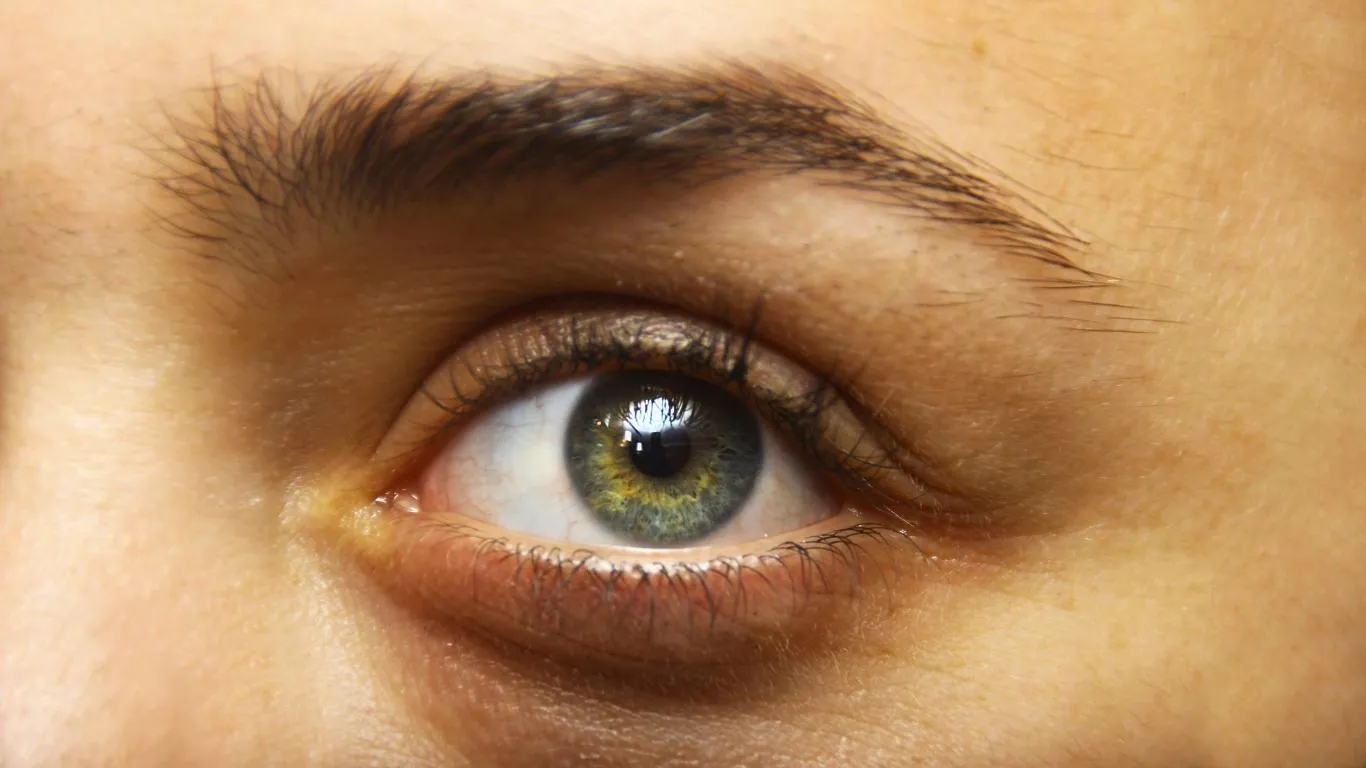
Kind of. Age is a big factor, but not the only one. High screen time, dry eyes, chronic fatigue, and even dehydration can make floaters worse. You’d be surprised how many people report noticing floaters after binge-watching a show or spending long hours under artificial light — like ceiling fans or VR headsets.
There’s even some debate around whether supplements like Omega-3 or Lutein help improve vitreous clarity. I’ve tried them myself. Can’t say they made the floaters disappear, but my eyes do feel less strained.
Should You Be Worried or Just Let It Go?
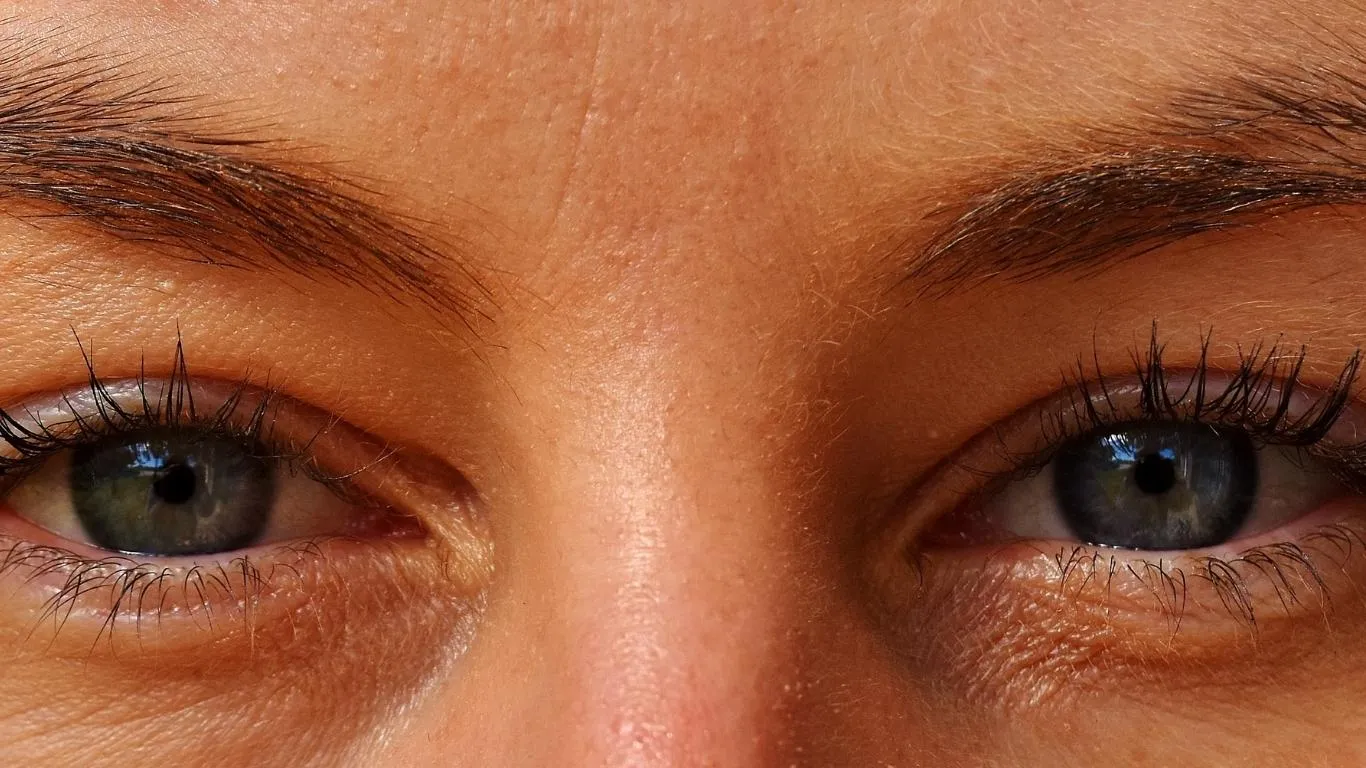
Look, not every floater is a health scare. Most of the time, they’re just annoying — especially when they mess with your vibe under fairy lights. But if you notice sudden changes, or if they affect your vision clarity significantly, it’s worth checking in with an eye specialist.
If you’re still unsure, take a look at this guide on how to recognize floaters you shouldn’t ignore — it helped me figure out what needed attention and what didn’t.
Want to understand more about floaters in general? This comprehensive article covers all the bases from causes to treatments in plain language. Definitely worth a read if you’ve been seeing things in your vision that aren’t really there.
Can Lighting Really Make Floaters Worse?
Absolutely. Lighting plays a surprisingly big role in how noticeable floaters are — not in creating them, but in highlighting them. Ever noticed how they seem invisible during a cloudy day but show up loud and proud when you’re sitting under string lights or in front of your laptop in a dark room? It’s not your imagination.
Floaters become more visible when there’s a sharp contrast between light and shadow. That’s why environments with small, bright sources of light (like fairy lights, candles, or even your phone screen) surrounded by dimmer spaces make floaters practically dance across your vision. I’ve even read about people seeing them more clearly during yoga sessions under soft studio lights. It’s all about contrast and your eye’s way of processing that.
Personal Trick That Helped
I started adjusting my lighting setup during reading or relaxing — switching from warm fairy lights to soft ambient lighting. It doesn’t remove floaters, but it makes them way less noticeable. Pair that with staying hydrated, and I’ve honestly seen a difference. Not magic, but enough to not obsess over them every time I look up.
Floaters and Fatigue: Is There a Link?
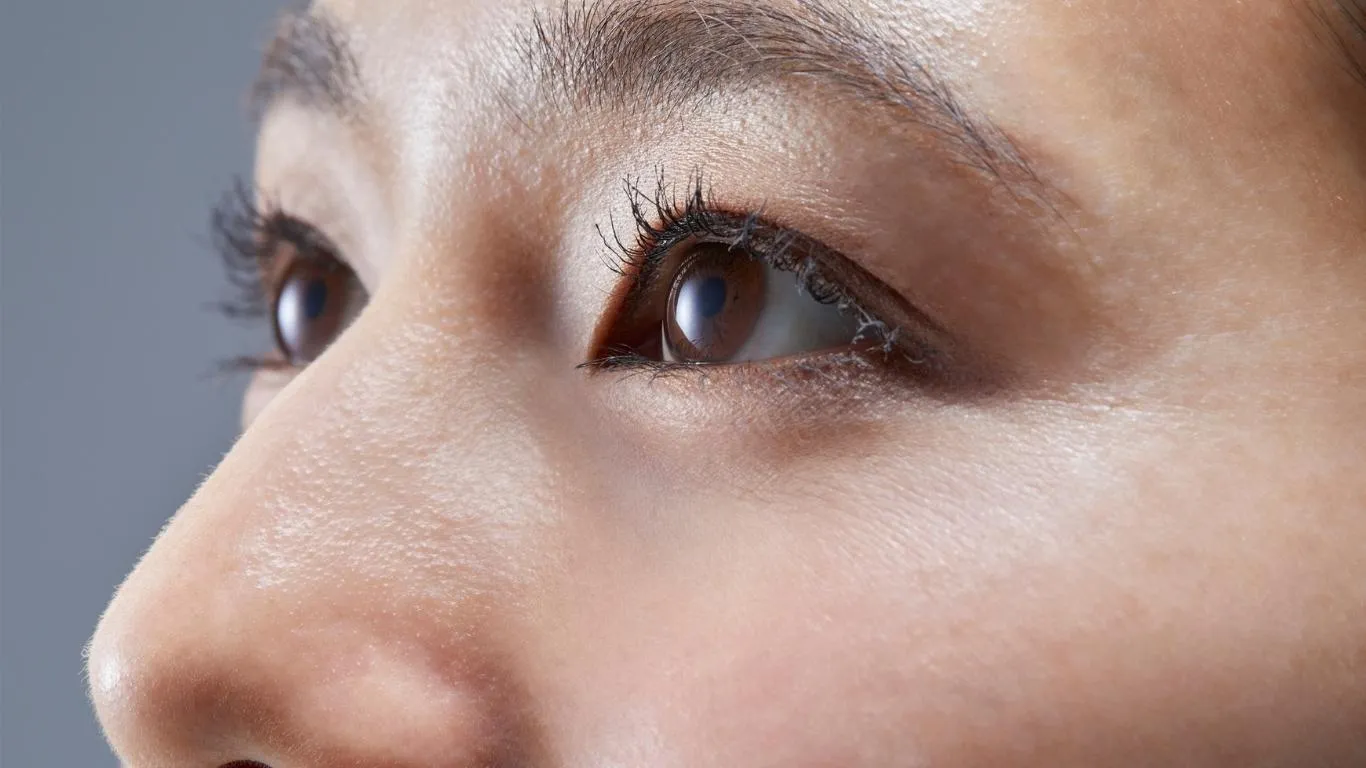
This one caught me off guard. I started noticing more floaters late at night, especially after a long workday. Turns out, fatigue can absolutely make floaters more visible. When your eyes are tired or strained, your awareness of minor visual disruptions increases.
If your vision feels more sensitive after hours of screen time, gaming, or even prolonged emotional stress — floaters tend to pop up more often. That’s why floaters under fairy lights can feel worse at night, when your eyes are already doing extra work to adjust to dim lighting.
What I Changed
- I added short screen breaks every hour.
- Started wearing blue-light-filtering glasses at night.
- Drank more water (because dehydration seriously makes it worse — backed by this).
Again, nothing removed them completely — but I stopped noticing them as much, especially during relaxing settings like sitting under fairy lights or stargazing.
Are Floaters Worse on One Side?
This is a question that doesn’t get asked enough. When I first noticed floaters, they were only in my left eye. It wasn’t just annoying — it made me paranoid. Turns out, floaters showing up more prominently in one eye isn’t uncommon. One side might have more vitreous changes than the other, especially if you’re nearsighted, have past eye injuries, or even minor asymmetry in eye strain habits. Yes, even sleeping on one side more often could be a factor.
It’s worth keeping track of which eye sees them more and how they behave in different lighting conditions. Try comparing floaters in a room with white walls and again under morning light. You might notice a pattern.
Should You Ever Seek Treatment?
If floaters are interfering with your ability to drive, read, or relax (especially under fairy lights — a top-tier vibe killer), there are treatments. Most doctors will initially just monitor them, but if they’re severe, options include:
- Vitrectomy: Surgical removal of the vitreous. Effective, but not without risks.
- Laser vitreolysis: A laser is used to break floaters into smaller, less visible fragments.
- Nutritional support: Some believe that antioxidants and supplements for eye health (like Lutein and Zeaxanthin) may support vitreous clarity, though evidence is limited.
I personally haven’t gone the surgical route — too invasive for now — but if you’re curious, check out this great breakdown of eye floater treatment options.
What Most People Don’t Realize
Most people assume floaters = aging. And while they are more common in older adults, younger people — especially those with digital-heavy lifestyles — are seeing them more. Combine that with chronic dry eye, stress, and inconsistent sleep? You’ve got the perfect recipe for floaters to show up under your fairy lights and hijack the vibe.
Tips for Managing Floaters Under Specific Lighting
Whether you’re hosting dinner under fairy lights or trying to enjoy a quiet moment on your patio, these quick tips help minimize floater visibility:
- Increase ambient light to reduce sharp contrast zones.
- Look slightly away from the light source if floaters are distracting — avoid direct glare.
- Use softer, diffused lighting instead of concentrated point lights (fairy lights + lampshades = magic).
- Practice gentle eye movements to shift floaters out of your central vision.
- Stay hydrated and blink often — dry eye makes it worse.
And if you’re wondering why fairy lights in particular make them more obvious, it’s not just the lighting — it’s how your eyes are relaxing, letting go, becoming more aware of what’s inside. It’s like floaters know when you’re trying to chill.
Other Things That Make Floaters Pop Up
- After intense reading sessions
- Sudden exposure to bright white surfaces or screens
- Breathing techniques and certain meditative states
- Physical stress, like crying episodes or wearing certain lenses
It’s not always serious, but it’s definitely something worth noticing.
Learn More About Floaters, Causes & What’s Normal
If you’re starting to see floaters more regularly — or in weirdly specific situations like fairy lights — and you want a full breakdown of causes and symptoms, check out the main guide on eye floaters. It gives you everything from diagnosis tips to when to actually worry.

Camellia Wulansari is a dedicated Medical Assistant at a local clinic and a passionate health writer at Healthusias.com. With years of hands-on experience in patient care and a deep interest in preventive medicine, she bridges the gap between clinical knowledge and accessible health information. Camellia specializes in writing about digestive health, chronic conditions like GERD and hypertension, respiratory issues, and autoimmune diseases, aiming to empower readers with practical, easy-to-understand insights. When she’s not assisting patients or writing, you’ll find her enjoying quiet mornings with coffee and a medical journal in hand—or jamming to her favorite metal band, Lamb of God.