What Age Does BV Usually Start And Why It Matters Early
So, you’re wondering: what age does BV usually start? It’s a question that more people—especially women—should be asking openly, but it’s often met with silence, confusion, or worse, misinformation. I still remember the awkward silence in my high school health class when a friend shyly asked about vaginal odor. No one answered. Not the teacher. Not the textbook. But that question? It stayed with me. Now, years later, it’s clear how common these questions really are—and how crucial it is to answer them without judgment.
What Exactly Is BV, and Why Should You Care?

Bacterial Vaginosis (BV) isn’t an infection in the classic sense. It’s more like your vaginal microbiome going a little off-script. Normally, good bacteria like Lactobacillus run the show down there, keeping things balanced. But when bad bacteria grow too much and too fast? That’s when BV steps in.
Some women don’t even know they have it. Others can’t ignore the symptoms—like a strong, fishy smell or thin, grayish discharge. This article on BV and vaginal odor breaks that down in more detail if you want to explore those symptoms more deeply.
At What Age Does BV Usually Start?

This might surprise you: BV can show up as early as your teenage years. We’re talking around ages 14 to 19, especially once menstruation starts and sexual activity begins. Hormonal changes, menstrual cycles, and new hygiene routines can all throw your vaginal pH off balance. That alone makes teens more vulnerable.
But—and here’s the catch—you don’t have to be sexually active to get BV. Yep, that’s a myth. While sex can be a risk factor, many teens experience BV before ever becoming sexually active. Changes in pH can happen for plenty of reasons, like over-washing, using scented soaps, or even just a naturally sensitive microbiome. Here’s a deeper dive on that: Hygiene habits that cause BV.
What Triggers It in the First Place?

Triggers vary. But here’s what often tips the scale:
- Using scented soaps or douches
- Wearing tight, non-breathable underwear
- Shifts in hormones during menstruation or puberty
- Sexual activity, especially with new partners
- Antibiotic use, which messes with all bacteria—good and bad
Honestly, it doesn’t take much. I’ve had friends swear BV showed up right after switching their laundry detergent. Others noticed it after intense workouts and staying in tight leggings all day. Here’s a solid source on BV after periods, if you’re curious about that link.
Is BV More Common in Certain Ages?

Absolutely. While BV can technically show up any time during reproductive years, it’s most common between ages 15 and 44. The peak? Usually in women’s 20s and early 30s. That’s when hormone levels are bouncing, many are more sexually active, and stress levels are all over the place. This isn’t just anecdotal. According to CDC reports, around 1 in 3 women in this age range experience BV at some point.
And yes—while not discussed nearly enough—BV during pregnancy is also very real, which is why understanding it early matters.
How Do You Know If You Have It?
Here’s the tricky part: some people have no symptoms at all. But for those who do, the most common ones are:
- A distinct “fishy” odor
- Watery, gray or white discharge
- Mild itching or irritation
- Feeling “off” down there
If it sounds a little vague, that’s because it is. BV symptoms can easily be confused with yeast infections or UTIs. If you’ve ever thought, “Is this normal?”—you’re not alone. This piece on how to tell which infection you have can really help make sense of what’s going on.
When Should You See a Doctor?

If you’re feeling uncomfortable, if the odor isn’t going away, or you’ve noticed changes that concern you—talk to someone. Whether it’s a parent, a trusted adult, or your doctor. This isn’t something to feel weird or embarrassed about.
More importantly, if BV keeps coming back, it could be a sign that something in your routine needs adjusting. There’s a full article on why BV keeps returning that might be worth bookmarking.
What You Can Do to Lower Your Risk

It’s not always about what you’re doing wrong—it’s about understanding your body better. Here’s what actually helps:
- Use fragrance-free soap
- Avoid douching (please just don’t)
- Choose cotton underwear
- Limit bubble baths and scented wipes
- Stay hydrated and manage stress levels
If you’re interested in exploring more lifestyle tips, this piece on using yogurt for BV treatment gives a unique spin on natural remedies that actually work.
And if you’re looking for a deep-dive into the broader causes, check out the BV causes and risk factors guide—it’s the main resource pillar that lays it all out.
For a full perspective on how BV fits into the wider women’s health conversation, the main BV article hub brings together everything from causes to treatment options and beyond.
How Is BV Diagnosed—and Can You Self-Check?

Here’s something I wish I knew earlier: diagnosing BV is actually pretty straightforward. But you can’t confirm it just by googling symptoms. Even though the signs might seem obvious—that odor, the discharge, the discomfort—a professional diagnosis is still the best route.
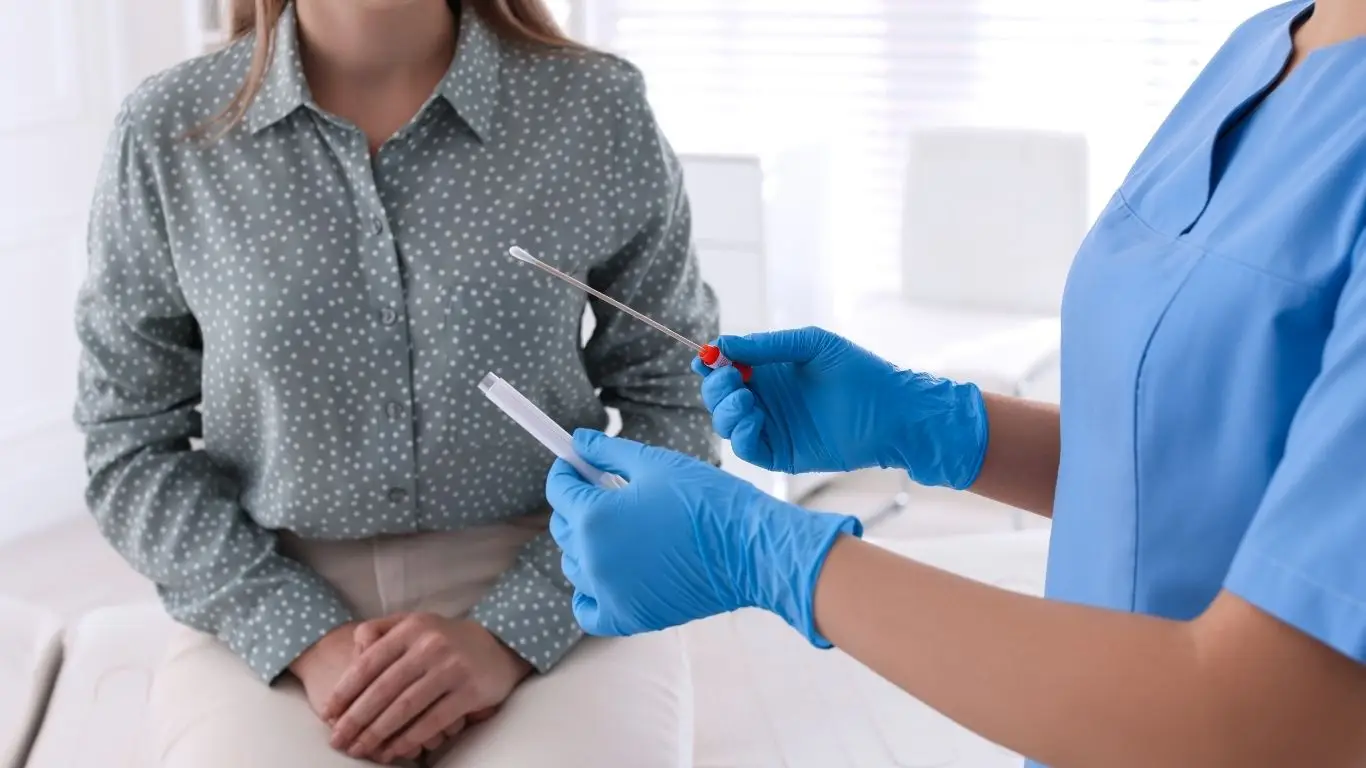
Doctors will usually do a quick pelvic exam and take a swab of your discharge to test its pH and check for bacteria. It’s fast, not painful, and can give you peace of mind. If you’re thinking about home options, there are home tests available, but be cautious—accuracy varies.
Honestly, there was a time I tried to figure it out myself with pH strips and a mirror (yikes), but looking back, nothing beat just asking my OB-GYN directly. If you’re debating, this piece on self-diagnosis lays out the pros and cons.
What’s the Best Way to Treat BV?

Once diagnosed, your options fall into two buckets: prescription treatments and natural remedies.
Prescription Options
- Metronidazole – Usually in pill or gel form. Works fast but can have side effects like nausea.
- Clindamycin – Often prescribed as a cream. It’s effective but can lead to yeast infections afterward.
Doctors may recommend either depending on your lifestyle, history, and preference. If you’re pregnant, you might get a different approach entirely. Learn more about BV treatment during pregnancy.
Natural Remedies That Can Help
These don’t replace medical advice, but some people (myself included) swear they help maintain balance or reduce recurrence:
- Probiotics – Especially strains like Lactobacillus reuteri and rhamnosus
- Tea tree oil – Antibacterial, but be cautious with sensitivity
- Apple cider vinegar baths – Controversial, but some find relief
- Plain yogurt (topical or oral) – Reintroduces good bacteria
If you’re curious about going the all-natural route, it’s worth checking out the full natural remedies for BV section.
Can BV Keep Coming Back?

Unfortunately, yes—it can. About 50-60% of people treated for BV experience a recurrence within 6 to 12 months. I’ve personally dealt with this on and off, and it’s one of the most frustrating parts. You think you’ve solved it… and bam, it’s back.
It’s not always because you did something wrong. It can be because:
- Your partner carries the bacteria and reintroduces it
- Your hormones fluctuate too frequently
- Your hygiene routine is too harsh
- You didn’t rebuild good bacteria post-antibiotics
This deep dive on long-term BV solutions really helped me build a better post-treatment routine. There’s also practical info on monthly BV recurrences.
Should You Treat Your Partner Too?

This one’s controversial but important. BV isn’t an STI, but your partner could be involved in its return. The data’s still murky, but many experts now suggest that if BV keeps coming back, treating both partners might help.
Check out this guide: Should you treat your partner for BV?. It’s especially helpful if you’re navigating this conversation in a relationship.
What Lifestyle Habits Actually Help?

When I finally got serious about preventing BV, the game-changer wasn’t meds—it was habits. Here’s what worked for me and many others:
- Taking daily probiotics – Not just any kind, but ones made for vaginal health
- Washing with water only – Or gentle, fragrance-free products
- Sleeping without underwear – Letting things breathe overnight made a difference
- Switching to cotton underwear – Especially during workouts
- Limiting sugar – Sounds unrelated, but sugar feeds bad bacteria
Want to dive deeper into the dietary side of things? This article on foods to avoid when prone to BV is a great resource.
Is There Ever a “Permanent” Fix?

Here’s the truth: there’s no one-size-fits-all cure. For some, BV clears and never returns. For others, it’s a cycle of treating, maintaining, and adapting. But with time, you get better at reading your body and catching the signs early. You also learn that shame has no place in the conversation.
If you’re ready to go further, this complete guide on treating BV naturally is a fantastic read—and empowering, too.
Also, for a foundational understanding of how BV connects to other aspects of your vaginal health, the main BV prevention pillar is loaded with actionable tips.
And for the big-picture perspective, definitely bookmark the main BV hub article. It’s the anchor of everything BV-related—from diagnosis to prevention and long-term solutions.

Dr. Gwenna Aazee is a board-certified Internal Medicine Physician with a special focus on hypertension management, chronic disease prevention, and patient education. With years of experience in both clinical practice and medical writing, she’s passionate about turning evidence-based medicine into accessible, actionable advice. Through her work at Healthusias.com, Dr. Aazee empowers readers to take charge of their health with confidence and clarity. Off the clock, she enjoys deep dives into nutrition research, long walks with her rescue pup, and simplifying medical jargon one article at a time.