Why Separation Anxiety in Adult Relationships Feels So Draining
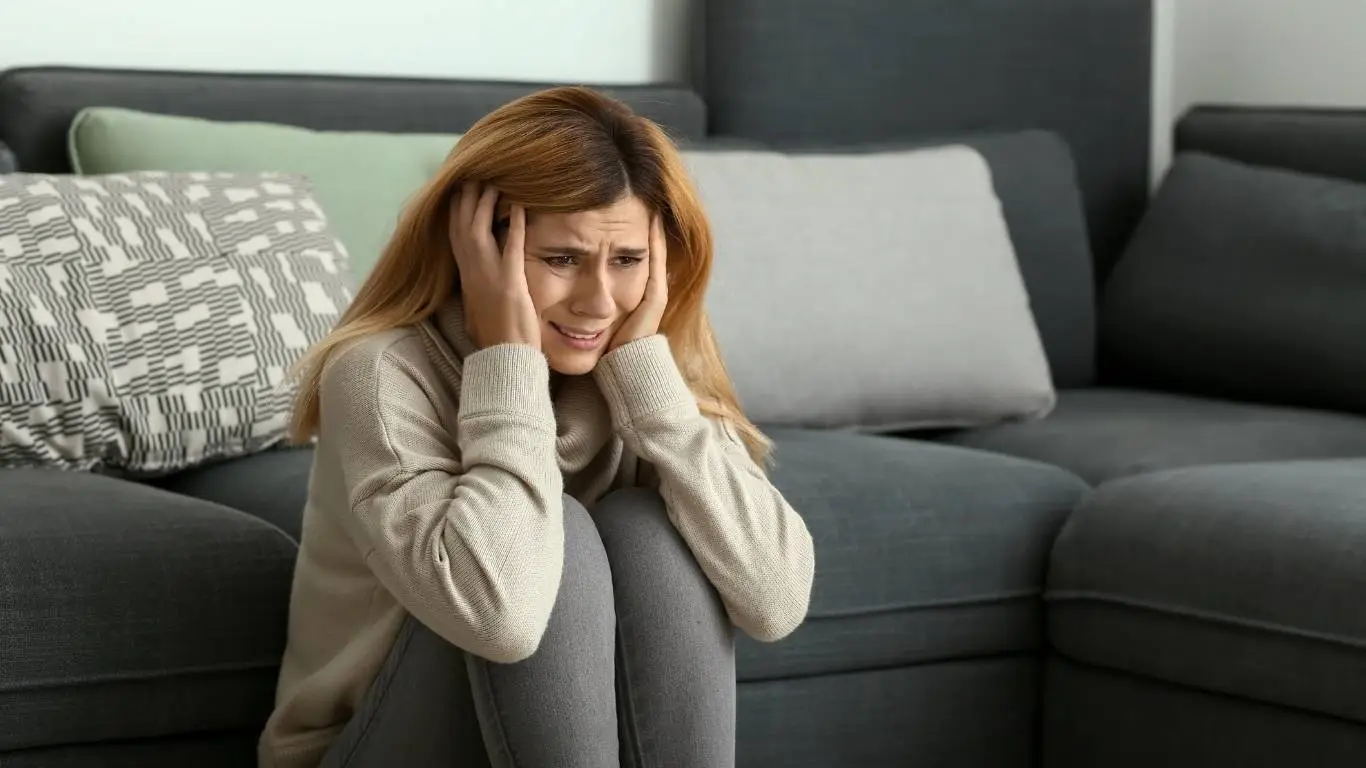
If you think separation anxiety is something only kids deal with, you’re not alone—I used to think the same. It wasn’t until my last serious relationship ended that I started to notice it creeping into my own behavior. That uneasy panic when my partner wasn’t around, the overthinking spirals, and a constant urge to text just to “check in.” Turns out, I wasn’t just being clingy. I was experiencing something real—and surprisingly common: separation anxiety in adult relationships.
Understanding What Separation Anxiety Looks Like in Adults

Unlike the textbook childhood version, adult separation anxiety can look incredibly subtle. It often disguises itself as over-dependence, control, or intense fear of abandonment. You might even find yourself rationalizing it as love or loyalty. But emotional overattachment—especially the kind that causes daily distress—can quietly sabotage even the healthiest relationships.
Common Signs You Might Be Dealing With It
- Constantly needing reassurance from your partner
- Feeling panicked or depressed when they’re away—even briefly
- Overanalyzing texts, tone, or social media posts
- Avoiding personal activities if they don’t include your partner
- Fearing they’ll leave you without warning, even if things are fine
That last one really hit home for me. I’d be in the middle of a perfectly normal day and suddenly feel this wave of dread for no reason. It felt irrational, but it was loud.
Why Separation Anxiety Happens in Adult Relationships

There’s no single cause—more like a layered mix. Often, it stems from past trauma, attachment issues, or even certain personality traits. If you grew up in an unpredictable or emotionally unavailable environment, you’re more likely to struggle with anxiety in close relationships. According to psychologytoday.com, early attachment patterns heavily influence how we navigate emotional closeness as adults.
It’s also important to consider childhood trauma. If your emotional needs weren’t met early on, you might unconsciously seek validation or fear rejection as an adult. That’s a pattern I didn’t recognize until I read this article on how childhood trauma shapes anxiety in adulthood. It explained exactly why my reactions felt so disproportionate.
Are Personality Traits Playing a Role?
Yes—people with naturally high sensitivity, low self-esteem, or perfectionist tendencies tend to be more prone to this type of anxiety. That doesn’t mean you’re “too much.” It just means your system is wired to seek stability—and sometimes overreacts when that stability feels threatened.
The Relationship Impact You Don’t See Coming

Here’s the tough part: separation anxiety isn’t just hard for the person experiencing it—it wears down your partner too. Emotional dependency can create a heavy dynamic where one partner feels responsible for the other’s emotional wellbeing. That pressure can lead to emotional burnout, resentment, or distance over time.
Ironically, the more you try to hold tight out of fear, the more you may push someone away. I know because I’ve done it. What I thought was showing love ended up making my partner feel suffocated.
What This Can Lead To
- Communication breakdowns
- Unhealthy jealousy or control
- Loss of personal identity
- Frequent conflicts or emotional shutdowns
Left unaddressed, the relationship becomes a pressure cooker. And what’s worse? The fear of being abandoned grows stronger, creating a vicious loop.
How It Shows Up Differently in Men and Women
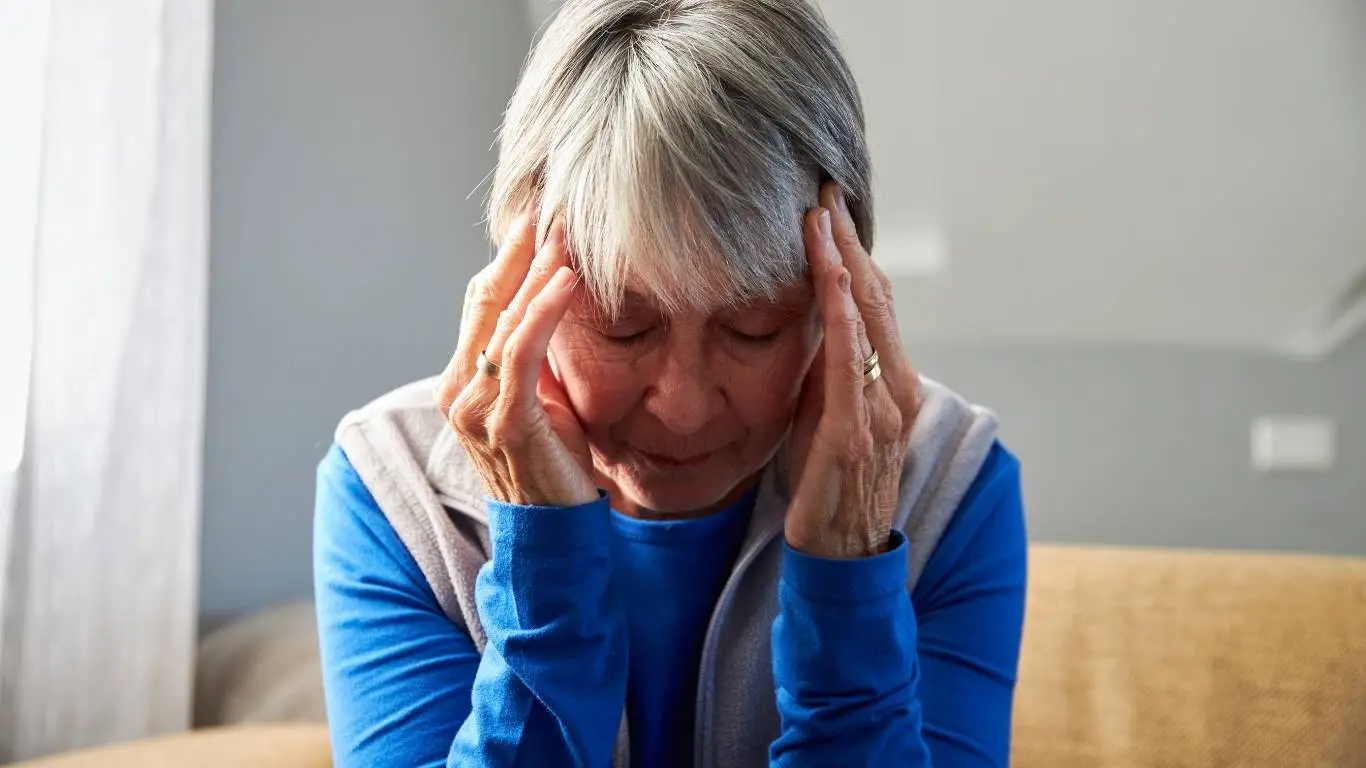
It’s not always obvious, especially in men. While women might be more likely to verbalize their distress or reach out for emotional support, men often internalize. Instead of anxiety showing up as panic, it might look like anger, withdrawal, or frustration.
That’s why I always recommend this piece on how anxiety can show up in hidden ways. It perfectly captures how we sometimes express emotional distress through totally different behaviors—and don’t even realize it’s anxiety-driven.
Emotional Regulation Becomes Key
Whether you express it outwardly or inwardly, what matters most is awareness. Learning how to manage emotions before they spiral into relationship-damaging actions is crucial. That’s where therapy and structured tools really shine—and we’ll dive more into that next.
What You Can Start Doing About It Right Now

Start small. Honestly, one of the first things I did was journal my triggers. Writing down what sparked those spirals helped me recognize patterns I hadn’t noticed before. And yes, therapy helps—but daily practices matter too.
Try These Grounding Steps
- Set micro-boundaries: Give yourself permission to not text constantly. It’s uncomfortable at first, but empowering over time.
- Practice solo hobbies: Reconnect with things you enjoy alone. It rebuilds independence.
- Use reality checks: When the fear hits, ask “What’s the evidence?” instead of feeding the spiral.
- Start mindfulness: Even 3 minutes of focused breathing can re-center your thoughts.
And if you’re looking for a more complete self-care approach, this pillar guide on lifestyle strategies for anxiety is a great place to start. I still reference it whenever I feel myself slipping back into old habits.
Of course, this is only part of the picture. For a deeper understanding of how anxiety can slowly control your everyday patterns, this main article on anxiety’s daily impact is worth the read.
Therapy Options That Actually Work (and Feel Doable)

When I first walked into therapy, I was sure I’d be told I was “too needy.” But instead, my therapist called it what it was—separation anxiety rooted in past wounds. That changed everything. If you’re dealing with this, the good news is: you’re not broken, and help actually helps.
Let’s talk about real options, not just “talk it out” advice that feels too vague.
1. Cognitive Behavioral Therapy (CBT)
This was a game changer for me. CBT teaches you to catch those anxious thoughts before they spiral. You don’t just analyze the fear—you learn how to defuse it. For me, recognizing the difference between “they’re late” and “they’re probably avoiding me” was a massive shift.
This guide on CBT steps that work for anxiety is honestly one of the most practical breakdowns I’ve seen.
2. EMDR and Trauma-Focused Approaches
If your anxiety is rooted in past relationships or childhood trauma (which, spoiler: it often is), Eye Movement Desensitization and Reprocessing (EMDR) can be powerful. I was skeptical—but it helped me process stuff I didn’t even know was stuck.
Explore how EMDR helps anxiety feel manageable, especially when you feel hijacked by irrational fear.
3. Acceptance and Commitment Therapy (ACT)
Instead of constantly fighting anxiety, ACT teaches you to accept its presence while committing to what matters most—like healthy love, independence, and clarity. This approach helped me stop trying to “fix” myself and start creating space between my fear and my actions.
This article on ACT’s impact hit me hard in the best way—it was exactly what I needed.
Rebuilding Trust in Yourself and Your Relationships
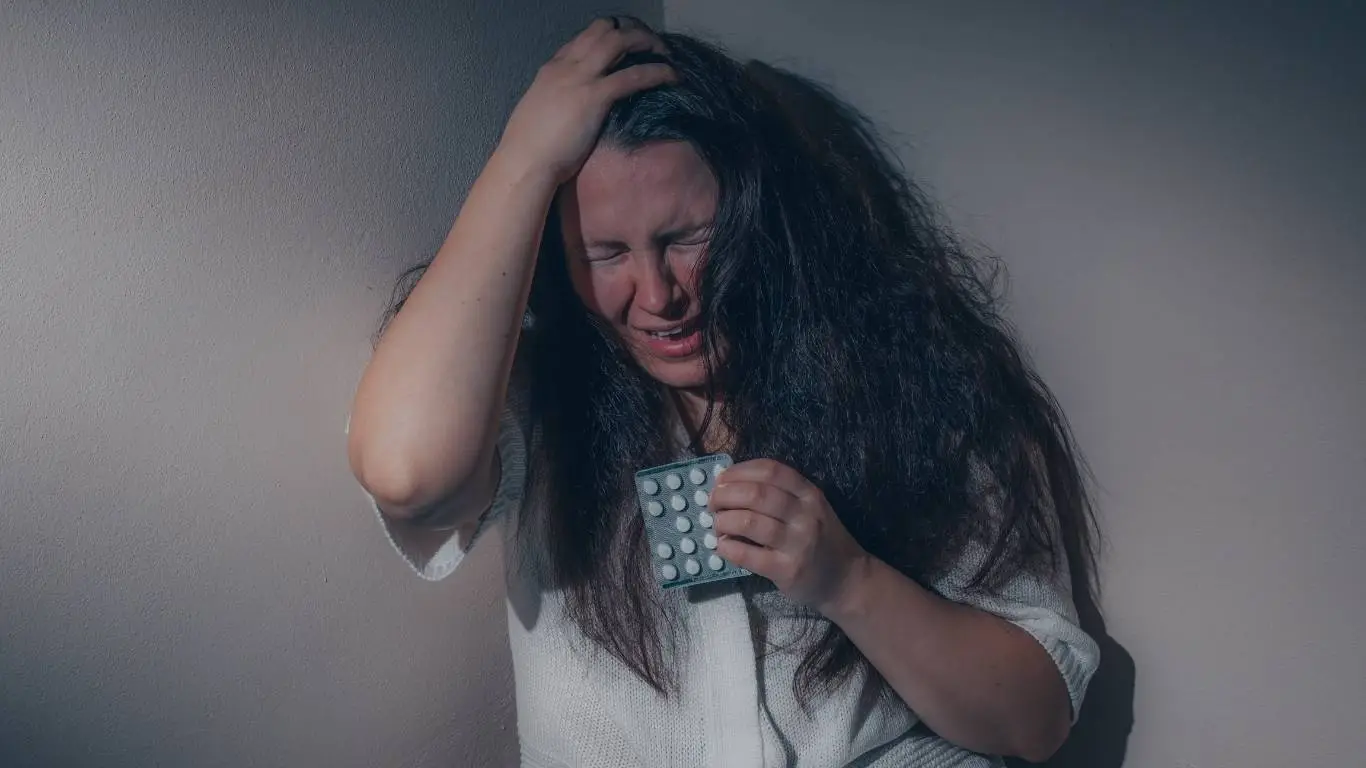
You don’t just need to trust your partner—you need to rebuild trust in yourself. That means knowing you’ll be okay even if someone pulls away. And yeah, that’s easier said than done. But it starts with small actions.
Here’s What Helped Me (And Might Help You)
- Create emotional rituals: Morning gratitude or journaling routines ground your mind before anxiety kicks in.
- Reframe time apart: Instead of seeing it as abandonment, reframe it as space to recharge and reflect.
- Build solo confidence: Take a class, hike alone, or go to dinner by yourself. You’d be surprised what it teaches you.
This guide on lifestyle and self-help strategies for anxiety really pushed me out of my comfort zone—in a good way. I started living for myself again.
Relationship Boundaries: The Line Between Love and Codependence

This part was tough for me to learn: boundaries aren’t walls—they’re doors. They allow love in while keeping anxiety-fueled behaviors in check. Setting healthy limits doesn’t mean you love someone less. It means you love more responsibly.
Boundaries That Strengthen, Not Separate
- Scheduling solo time regularly—no guilt attached
- Letting go of instant replies as a love language
- Agreeing on how to handle conflict (instead of silent treatment or clinging)
I’ll admit, at first I feared boundaries would push my partner away. But the opposite happened—it gave us both breathing room. That room let real intimacy grow, not anxious attachment.
When to Worry: Is It Just Anxiety, or Something Deeper?

Sometimes, separation anxiety is part of a broader condition. Generalized Anxiety Disorder (GAD), Panic Disorder, or even unresolved PTSD can all intensify emotional dependency. If the anxiety is bleeding into every relationship or sabotaging your daily life, it’s worth diving deeper.
This guide on how anxiety disorders are diagnosed helped me realize I wasn’t just “too emotional.” There was an actual pattern—and patterns can be changed.
Helpful Screening Tools
No, they won’t replace a therapist—but they’ll give you a starting point if you’re unsure what you’re dealing with.
Learning to Love Without Losing Yourself

It’s possible to be deeply in love and emotionally secure. It just takes a bit of rewiring—less about changing who you are, more about upgrading the way you show up in love.
I had to unlearn a lot: that closeness doesn’t have to mean constant connection, that being alone isn’t rejection, and that needing space doesn’t mean someone’s walking away. Once that clicked, I finally felt free in my relationship—not trapped by fear.
If you’re here reading this, chances are, you’re already doing the work. Keep going. It’s hard, but it’s worth it.
For deeper insights into what fuels relationship-related anxiety, the article on how anxiety disrupts daily routines adds more context to those emotional patterns you’ve probably felt for years.

Camellia Wulansari is a dedicated Medical Assistant at a local clinic and a passionate health writer at Healthusias.com. With years of hands-on experience in patient care and a deep interest in preventive medicine, she bridges the gap between clinical knowledge and accessible health information. Camellia specializes in writing about digestive health, chronic conditions like GERD and hypertension, respiratory issues, and autoimmune diseases, aiming to empower readers with practical, easy-to-understand insights. When she’s not assisting patients or writing, you’ll find her enjoying quiet mornings with coffee and a medical journal in hand—or jamming to her favorite metal band, Lamb of God.