Best Ways To Ease Perimenopausal Migraine Management Naturally
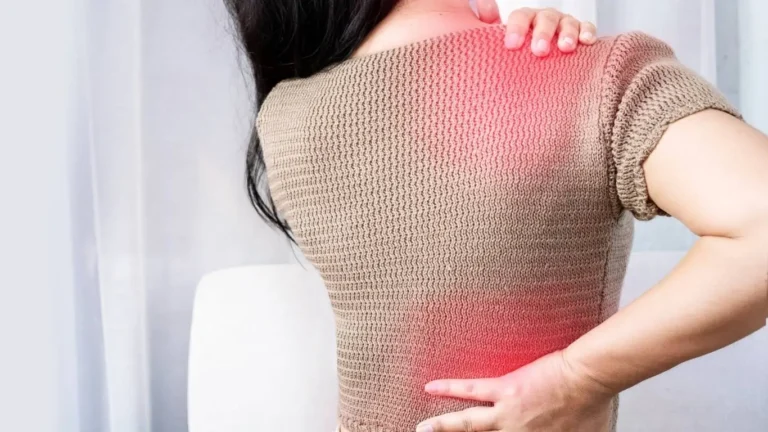
When I first started noticing changes in my migraines during my early 40s, I brushed them off as “just hormones.” But as time went on, those occasional throbbing episodes turned into relentless, unpredictable migraines. Turns out, I wasn’t imagining things—perimenopause had entered the chat. And it was bringing a whole new layer of migraine challenges with it.
Understanding the Perimenopausal-Migraine Connection
If you’ve ever asked yourself why your migraine pattern seems to be shifting in your 40s or early 50s, you’re not alone. Many women experience more intense, frequent, or irregular migraines during perimenopause. This is the phase leading up to menopause, where estrogen levels start fluctuating like crazy—and yes, your head feels every bit of it.
Estrogen plays a huge role in how your body reacts to pain, regulates mood, and controls inflammation. When that hormone starts doing a rollercoaster routine, migraine thresholds drop.
Why Migraines Change in Your 40s
What used to be predictable monthly migraines now strike randomly, sometimes lasting longer, hitting harder, and often accompanied by new symptoms like dizziness, mood swings, or even insomnia. Many perimenopausal women also report experiencing silent migraines, which don’t involve head pain but still include aura, vision changes, and nausea. They’re sneaky like that.
Common Triggers During Perimenopause
The triggers that once set off your migraines may now be joined by a whole new lineup. Based on my own experience and dozens of discussions in migraine support groups, here are a few culprits that stand out:
- Hormonal fluctuations — especially rapid drops in estrogen.
- Sleep disturbances — night sweats and insomnia make quality sleep rare.
- Stress and anxiety — perimenopause isn’t just physical.
- Dietary shifts — cravings, caffeine sensitivity, or fasting patterns may change.
- Overheating — hot flashes can literally trigger heat-related headaches.
Interestingly, some of these triggers overlap with migraine and neck pain issues, especially for those with posture challenges from disrupted sleep.
Tracking Patterns for Better Control
Here’s something that helped me big time: a migraine diary. Writing down what you eat, how you sleep, where you are in your cycle, and how you’re feeling emotionally can reveal patterns you didn’t even notice. I started seeing a clear connection between my migraines and the nights I had intense night sweats or skipped meals.
For a structured approach, this migraine diary guide is a solid place to start.
Are Hormone Therapies Worth Exploring?
This one’s a hot topic—and for good reason. Hormone replacement therapy (HRT) can either be a miracle or a migraine disaster, depending on your personal chemistry. When I tried a low-dose estrogen patch, it actually helped stabilize my mood and reduced the severity of my attacks. But others report worsening symptoms with HRT.
The key is individualization. There’s no one-size-fits-all. If you’re considering HRT, talk to a doctor familiar with hormonal imbalance migraines and migraines in general. They’ll likely weigh in with estrogen delivery methods—transdermal patches tend to be gentler on migraine-prone folks than pills.
Alternatives to Hormones
If HRT isn’t for you—or if you’re just not ready to go there—there are natural approaches worth exploring:
- Supplements like magnesium, riboflavin (B2), and CoQ10
- Herbs such as feverfew and butterbur (though always double-check with your doctor)
- Acupuncture or chiropractic adjustments
- Essential oils for calming routines before bed
Some studies published on ncbi.nlm.nih.gov also show promise in non-hormonal interventions targeting inflammation and neurotransmitter balance during perimenopause.
Perimenopause, Sleep, and Migraine—The Tricky Triangle
Oh sleep… or lack of it. If there’s one thing perimenopause robs us of, it’s uninterrupted rest. Between night sweats, anxiety, and restless legs, sleep becomes elusive. And sleep deprivation is one of the most notorious migraine triggers. It’s not just about the hours of sleep—it’s about the quality.
Try to focus on sleep hygiene: cool your room, limit screens before bed, and keep a regular sleep schedule. Also, consider looking into best sleep positions for migraine relief. Small tweaks made a surprisingly big impact for me.
The Cortisol Connection
Cortisol, your body’s stress hormone, often spikes when you’re not sleeping properly. This triggers inflammatory responses and makes migraines more likely. Cortisol irregularities are also linked to midlife hormonal shifts, so the more you can regulate your stress, the better your odds of keeping headaches at bay.
Nutrition Strategies That Actually Help
In my case, eliminating sugar crashes made a world of difference. Turns out, that mid-afternoon chocolate bar wasn’t just feeding a craving—it was setting me up for a 6 PM migraine. Keeping blood sugar stable is essential in this stage of life.
Some useful nutritional tweaks:
- Balanced meals with protein, fiber, and healthy fats
- Hydration (yes, even when you don’t feel thirsty)
- Magnesium-rich foods like spinach, almonds, and avocado
- Limit alcohol and caffeine—especially if you’re prone to hormonal sensitivity
Need more direction? This deep dive into migraine diet plans can guide your grocery list.
For broader context and additional insights into how diet and lifestyle fit into migraine control, check out the Migraine Prevention Pillar and the general overview from Migraines and Headaches Main Page.
Mind-Body Techniques for Perimenopausal Migraine Relief
When I finally accepted that perimenopausal migraines weren’t going away overnight, I stopped fighting them and started tuning in. That’s when I discovered how helpful mindfulness techniques can be—not as a cure-all, but as a serious support system.
Meditation, deep breathing, and guided imagery helped me lower the daily anxiety that was constantly pushing me to the migraine edge. Even a short 10-minute breathing session in the morning could shift the tone of my whole day. These mind-body tools are not just fluff—there’s solid science behind them.
Some studies published via jamanetwork.com back the use of stress-reduction practices for lowering migraine frequency and intensity.
Biofeedback & CBT
After a particularly rough stretch, my neurologist suggested trying biofeedback. Honestly, I was skeptical—but learning to control my own body’s tension and temperature made more of a difference than I expected. It’s weirdly empowering to watch a screen tell you that you’re literally calming your nervous system.
Pair that with Cognitive Behavioral Therapy (CBT) and the combo becomes even stronger, especially for those dealing with both migraines and midlife anxiety. It’s about breaking cycles—of thought, stress, and pain response.
Movement That Doesn’t Backfire
I love a good workout, but during perimenopause, my body started reacting to intense cardio with crushing migraines. Turns out, I’m not the only one. Many women in this phase find their migraine threshold drops after high-impact exercise or overheating.
The trick? Low and slow. Think yoga, pilates, walking, or swimming. I swapped HIIT for 30-minute stretch-focused yoga flows and the difference was night and day. If you’re wondering what works best for this stage, this guide on exercise and migraine connection is worth a read.
- Focus on consistency over intensity
- Stay hydrated before, during, and after
- Cool down properly—don’t rush post-workout transitions
Stretching and Pressure Points
Daily stretching routines—especially for the neck, shoulders, and upper back—can release tension before it snowballs into a headache. Adding a simple routine with pressure point therapy or a foam roller can be a real game changer.
Smart Devices & Therapies That Actually Work
If you’ve been living with migraines long enough, you’ve probably tried your fair share of gadgets. I’ve tested several over the years, but during perimenopause, I found the tech more helpful than ever—mostly because I finally knew what I needed.
My personal MVP? A cooling eye mask. Simple, inexpensive, and heavenly when you wake up with that dull migraine creep. I’ve also found real value in wearables like Nerivio for neurostimulation therapy during early stages of attacks. It’s discreet and doesn’t require meds.
Looking for more? This roundup of top migraine relief devices is loaded with tools to explore, whether you’re gadget-obsessed or a minimalist.
Hormone-Safe Migraine Relief Products
One of the big things that shifted for me in my 40s was product sensitivity. Suddenly, certain skincare or scented candles would launch a migraine within 20 minutes. I had to overhaul everything—products, lighting, even pillow choices.
What helped:
- Switching to earplugs for sound sensitivity in noisy environments
- Using blue light glasses for screen protection
- Opting for unscented or essential oil–based cleaners and beauty products
And don’t underestimate the power of your pillow. The right support—especially for side sleepers—can relieve neck tension that might otherwise wake you up with pain. I’ve personally found better sleep with one of the best-rated pillows for migraine sufferers.
When to Get Professional Help
At some point, self-management may hit a wall. If your migraines start affecting your work, relationships, or mental health, that’s your sign. I reached that point when migraines started interfering with my ability to function at home with my kids. Seeing a specialist helped clarify my triggers, confirm my diagnosis, and fine-tune my treatment.
If you’re wondering how to go about this, here’s a practical breakdown on how migraines are diagnosed and when to seek neurological support.
And for a broader overview of how treatment fits into the big picture, the full Migraine Treatment Pillar offers useful guidance alongside alternative and medical options tailored to perimenopausal challenges.
Need a good place to start with general awareness? The main migraines and headaches page gives you the foundation you’ll need.

Bianca Nala is a compassionate Nurse Practitioner with a strong background in primary and respiratory care. As a health writer for Healthusias.com, she combines her clinical expertise with a talent for clear, relatable storytelling to help readers better understand their health. Bianca focuses on topics like asthma, COPD, chronic cough, and overall lung health, aiming to simplify complex medical topics without losing accuracy. Whether she’s treating patients or writing articles, Bianca is driven by a single goal: making quality healthcare knowledge accessible to everyone.