Why Floaters Are Worse During Quiet Morning Moments
Ever had those tiny specks or cobweb-looking things dancing across your vision right after you wake up—especially in the calm, quiet moments of the morning? You’re not alone. I remember one Saturday, groggy-eyed, stretching in bed, and suddenly noticing what looked like transparent threads floating around every time I blinked. Thought it was dust at first, maybe something on my lashes, but nope—they moved with my eyes, not around them. Turns out, those were *eye floaters* making an early-morning appearance, and for many of us, that’s when they’re most noticeable.
Why Are Floaters So Obvious in the Morning?
Morning light plays a sneaky role. When you wake up and stare at a bright ceiling or the soft daylight filtering in, the even lighting gives these floaters the perfect backdrop to reveal themselves. They’ve been there all along, but the contrast between light and the shadow of the floaters becomes more pronounced in these serene settings.
Also, your eyes are more relaxed first thing in the morning. You haven’t been blinking a lot or focusing on screens yet, so floaters tend to *hover* more, kind of like when you’re underwater and everything seems to move in slow motion.
It’s Not Just You: Morning Floaters Are a Thing
If you’ve been silently wondering why you spot these floaters more often in your a.m. routine, you’re in good company. According to National Eye Institute, floaters tend to be most visible when your eyes are exposed to uniform, bright environments—think blank walls, light curtains, or ceiling surfaces. That’s your bedroom every morning.
What surprised me is how many others experience the same. A few friends mentioned spotting floaters when checking their phones in bed or while brushing their teeth in front of a bathroom mirror. The link? Uniform lighting and relaxed eye activity.
What Exactly Are These Floaters?
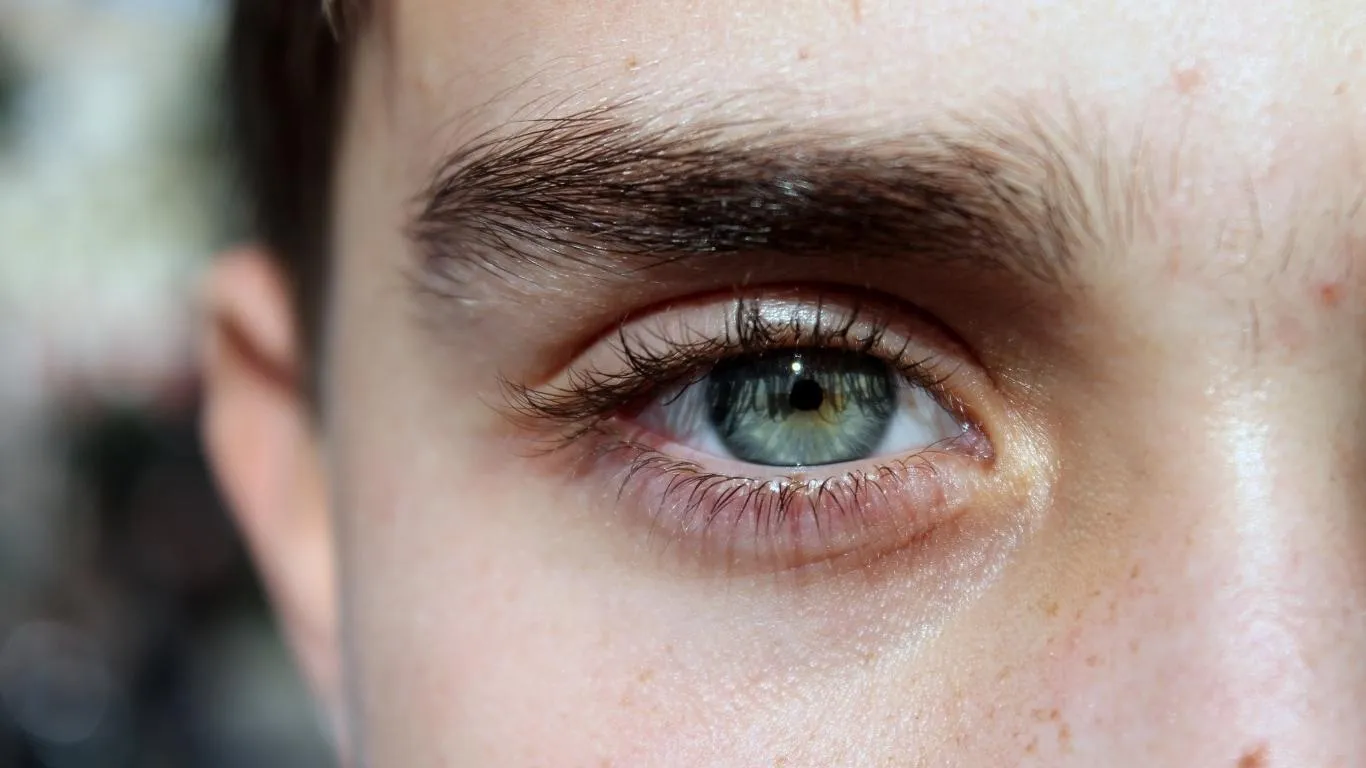
In simple terms, floaters are tiny clumps of collagen that form inside the vitreous—the clear gel that fills the eyeball. As we age (or sometimes even young folks get them—trust me, I was in my 30s), the vitreous starts to liquefy and shrink. This causes the collagen fibers to clump up and cast shadows on the retina. What we see is that dancing debris floating in our visual field.
While some are shaped like threads or webs, others appear as dots or rings. And yes, sometimes they’re more visible only in certain conditions, like bright morning light or against a computer screen.
Common Causes of Floaters
- Age-related changes in the vitreous
- Myopia (nearsightedness)
- Eye injuries or surgeries
- Inflammation like uveitis
- Stress or lack of sleep (yes, really!)
Want to dive deeper into the root causes? You might want to explore this detailed article on common triggers, especially those that sneak up on us before we even realize it.
Why Do Some Mornings Feel Worse Than Others?
Funny enough, there are days when my floaters are almost invisible, and others when they dance around like they’re trying to get my attention. Turns out, hydration, sleep quality, and eye strain from the day before can all play a part.
- Dehydration: A dry body means a less hydrated vitreous. Less fluid, more visibility.
- Poor Sleep: Tired eyes mean less ability to filter or “tune out” these visual distractions.
- Stress: Believe it or not, stress has been linked to increased floater perception. Your brain becomes hyper-aware of changes.
There’s even talk about environmental lighting making floaters appear more intense. So if your curtains are thin and that golden hour glow floods your room—voilà, floaters galore.
Should You Be Worried About These Morning Floaters?

Not necessarily. For most people, floaters are harmless and normal. But—and this is a big but—if you ever see a sudden burst of new floaters, flashes of light, or a curtain-like shadow moving across your field of vision, that could be a retinal tear or detachment.
There’s a comprehensive breakdown of red flags to look out for in this guide on serious floater symptoms. It’s worth bookmarking.
When to See a Doctor:
- Sudden increase in floaters
- Floaters paired with light flashes
- Loss of peripheral vision
- Floaters after head trauma
Regular check-ups with an ophthalmologist can help you stay ahead of any underlying conditions. Even if it’s just peace of mind, it’s worth the trip.
Managing Morning Floaters: What’s Actually Helpful?
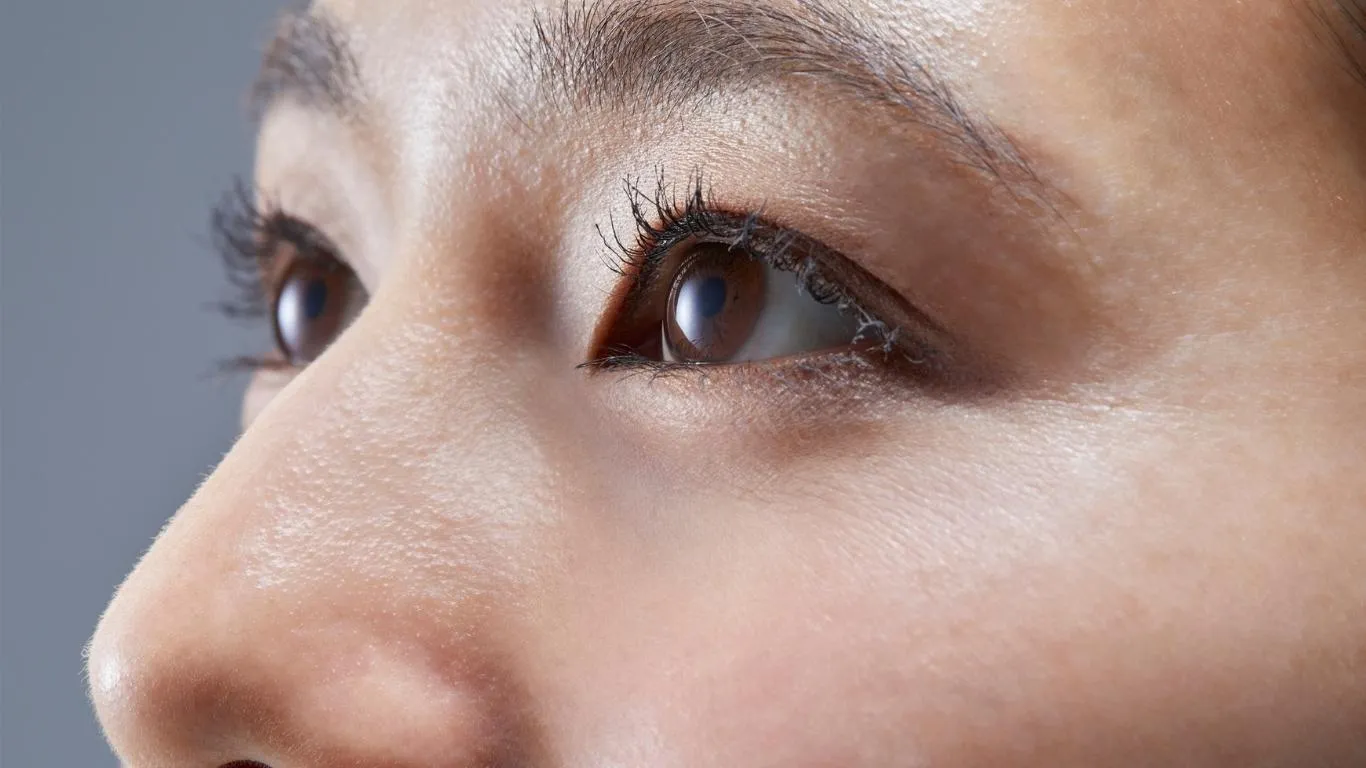
I’ve tried a bunch of things—from eye exercises to hydration hacks—and here’s what’s actually worked for me and others:
- Hydrate before bed: Keeps the vitreous fluid healthy and clear.
- Limit screen time late at night: Reduces overall eye strain by morning.
- Eye rolling exercises: Slow circular motion can “move” floaters out of your central vision.
- Dim lighting: Lowering brightness during wake-up can make floaters less visible.
Some even explore natural remedies, though results vary. It’s best to discuss those with an eye care professional before trying anything too alternative.
If you’re just starting to notice these morning visual quirks, you might want to browse through the comprehensive overview on what floaters are and how they affect the eye. It lays out everything from anatomy to treatment options in an easy-to-digest format.
Why Floaters Tend to Stick Around Longer in the Morning
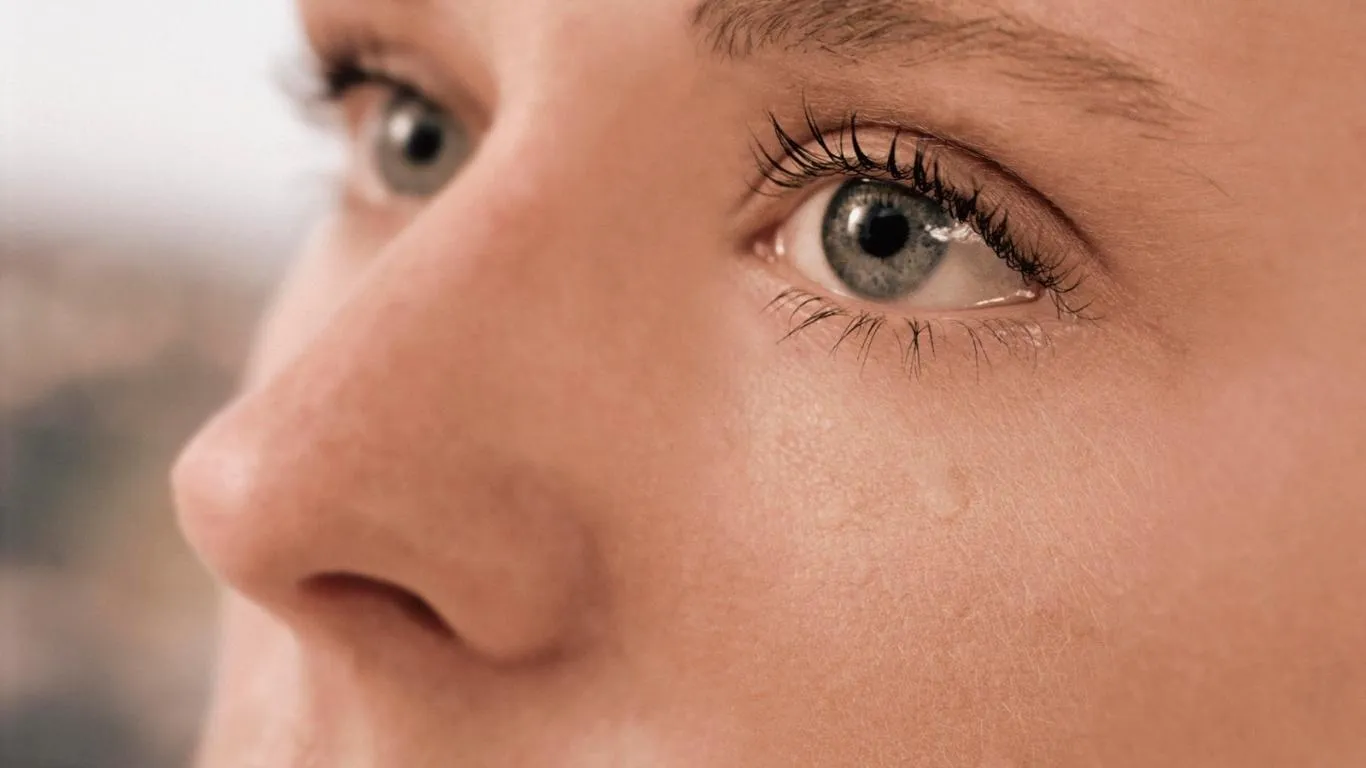
Ever notice how those floaters don’t just show up—they linger? For me, the first 10–15 minutes of the morning often feel like I’m watching a low-budget sci-fi movie through my eyes. The reason? Eye movement and fluid circulation haven’t kicked into full gear yet.
When you sleep, your eye movements are minimal (except for REM sleep), so those collagen particles tend to settle. Once you’re awake and start moving your eyes, it takes a bit of time for them to shift positions or fade from central vision. It’s a bit like glitter in a snow globe—shake it and give it a minute, it’ll settle… but not right away.
Why Some Days Are Worse Than Others
There were mornings when I thought, “Okay, maybe they’re going away,” only to wake up the next day and see even more. Turns out, several variables can influence how noticeable they are:
- Changes in sleep posture – Lying on your side vs. on your back can affect floater movement.
- Blood sugar levels – Some floaters are more prominent in diabetics or after carb-heavy dinners (learn more here).
- Increased screen exposure the day before – Long exposure makes your eyes work overtime and can heighten morning visibility.
- Stressful dreams or restless sleep – Strange but true. Stress heightens visual sensitivity. No joke.
If you’ve ever experienced floaters after a poor night’s sleep or even after intense dreams, you’re not imagining it. I’ve found mornings after emotionally draining days tend to bring a new level of floater visibility—especially when waking up in a silent, well-lit room.
Can You Prevent Morning Floaters from Being So Distracting?
Unfortunately, you can’t eliminate floaters with willpower alone, but you can minimize how annoying they feel. Here are a few habits that made my mornings easier:
- Switch to soft lighting in the morning – Swap your overhead light for a small bedside lamp to reduce contrast.
- Stretch and move your eyes right after waking – Literally move your eyeballs side to side and up/down to help stir up the vitreous.
- Use a warm compress – It’s soothing and may help reduce internal eye tension.
- Adjust screen brightness if you check your phone first thing – Avoid full-blast brightness against dark mode UI.
And don’t underestimate how poor sleep quality can worsen floaters. Quality rest helps stabilize eye pressure, which could affect floater perception.
What About Natural Supplements?
There’s some buzz around supplements like lutein, omega-3s, and hyaluronic acid. I’ve tried a few, and while I didn’t notice overnight results, there’s something to be said for long-term support. They help keep the vitreous gel more stable—kind of like taking collagen for your joints, but for your eyeballs.
Still, it’s best to talk to your ophthalmologist before jumping into a supplement stack. What works for one person may be completely useless for another.
What If the Floaters Keep Increasing?
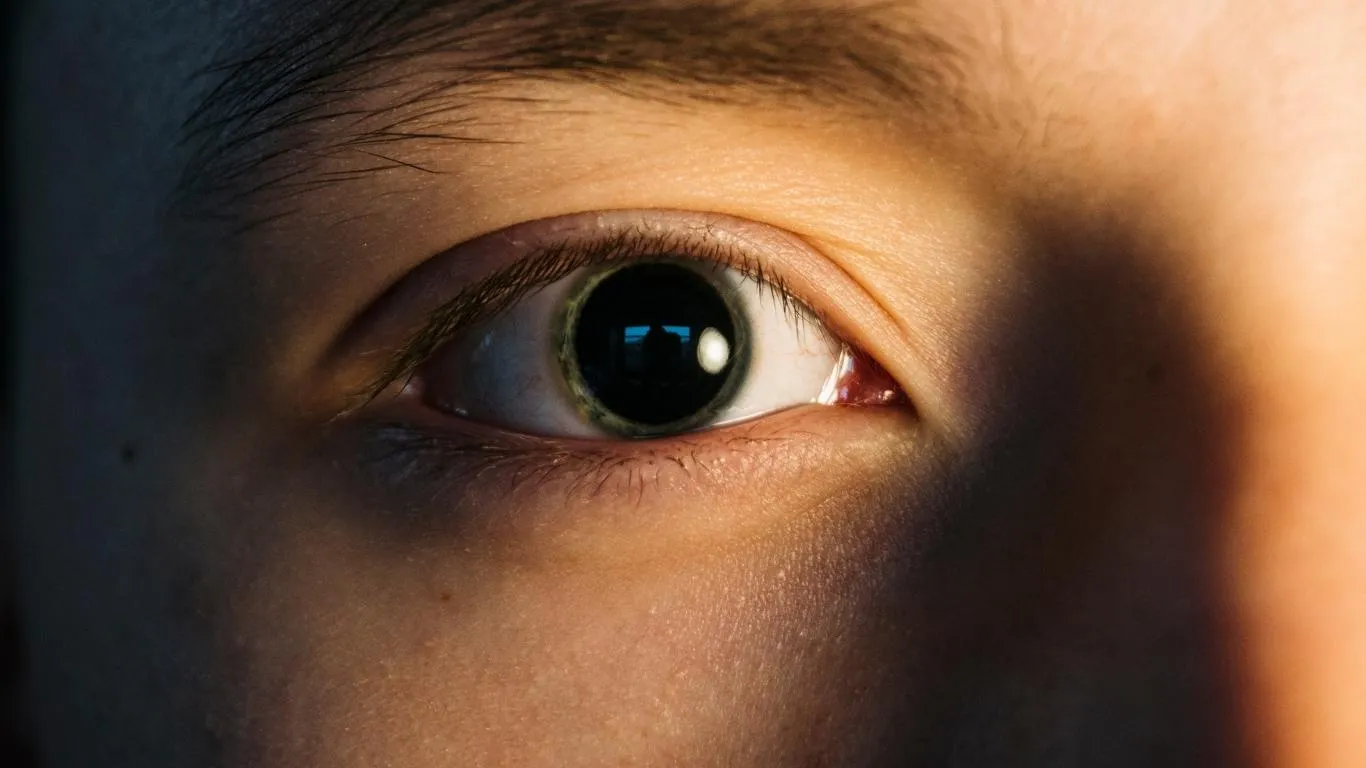
Let’s be real—if your morning floaters are starting to feel like a light show, it’s time to dig deeper. While most floaters are harmless, persistent changes in their size, number, or behavior could be a warning sign of something more serious.
I know someone who ignored a sudden burst of floaters for weeks, thinking it was just morning tiredness. Turned out it was a posterior vitreous detachment. You can check more on that right here.
Time to See a Specialist?
- Have your floaters started interfering with your vision?
- Do they appear with flashes of light or headaches?
- Have you recently had eye trauma or surgery?
If the answer is yes to any of these, get yourself checked. You’re not overreacting—it’s your vision.
What Treatments Are Out There (If It Gets Bad)?
While morning floaters don’t usually require treatment, some people do opt for medical intervention. Options range from laser treatments to vitrectomy. But these are typically reserved for extreme or vision-threatening cases.
If you’re more on the natural side like me, you can also read up on natural remedies for managing floaters. Some people swear by eye exercises and herbal supplements—I’d say results are mixed, but still worth a look if you’re curious.
Will They Ever Go Away Completely?
Short answer? Maybe. Floaters can become less noticeable over time as your brain learns to ignore them—a phenomenon called neuroadaptation. That said, they might never vanish entirely.
What’s worked best for me? Not obsessing. I’ve learned to blink past them, work with more ambient lighting in the morning, and simply not give them more attention than they deserve. Easier said than done, I know—but trust me, it helps.
Want the full picture of what floaters are, how they behave, and the best ways to manage them? Don’t miss the complete guide on eye floater causes and treatment options.

Camellia Wulansari is a dedicated Medical Assistant at a local clinic and a passionate health writer at Healthusias.com. With years of hands-on experience in patient care and a deep interest in preventive medicine, she bridges the gap between clinical knowledge and accessible health information. Camellia specializes in writing about digestive health, chronic conditions like GERD and hypertension, respiratory issues, and autoimmune diseases, aiming to empower readers with practical, easy-to-understand insights. When she’s not assisting patients or writing, you’ll find her enjoying quiet mornings with coffee and a medical journal in hand—or jamming to her favorite metal band, Lamb of God.