How Floaters Disrupt Stargazing On Clear Nights
Ever lay back under a clear night sky, ready to soak in the stars, only to get distracted by those annoying little floaty specks dancing across your vision? Yeah, same here. There’s something oddly frustrating about trying to enjoy a peaceful stargazing moment and suddenly noticing tiny shadows drifting around like they own the place. They vanish when you try to focus, and reappear when you’re not looking. That’s what got me deep into researching floaters while stargazing on clear nights — turns out, there’s more to it than just “something in your eye.”
What Exactly Are These Floaters That Show Up at Night?
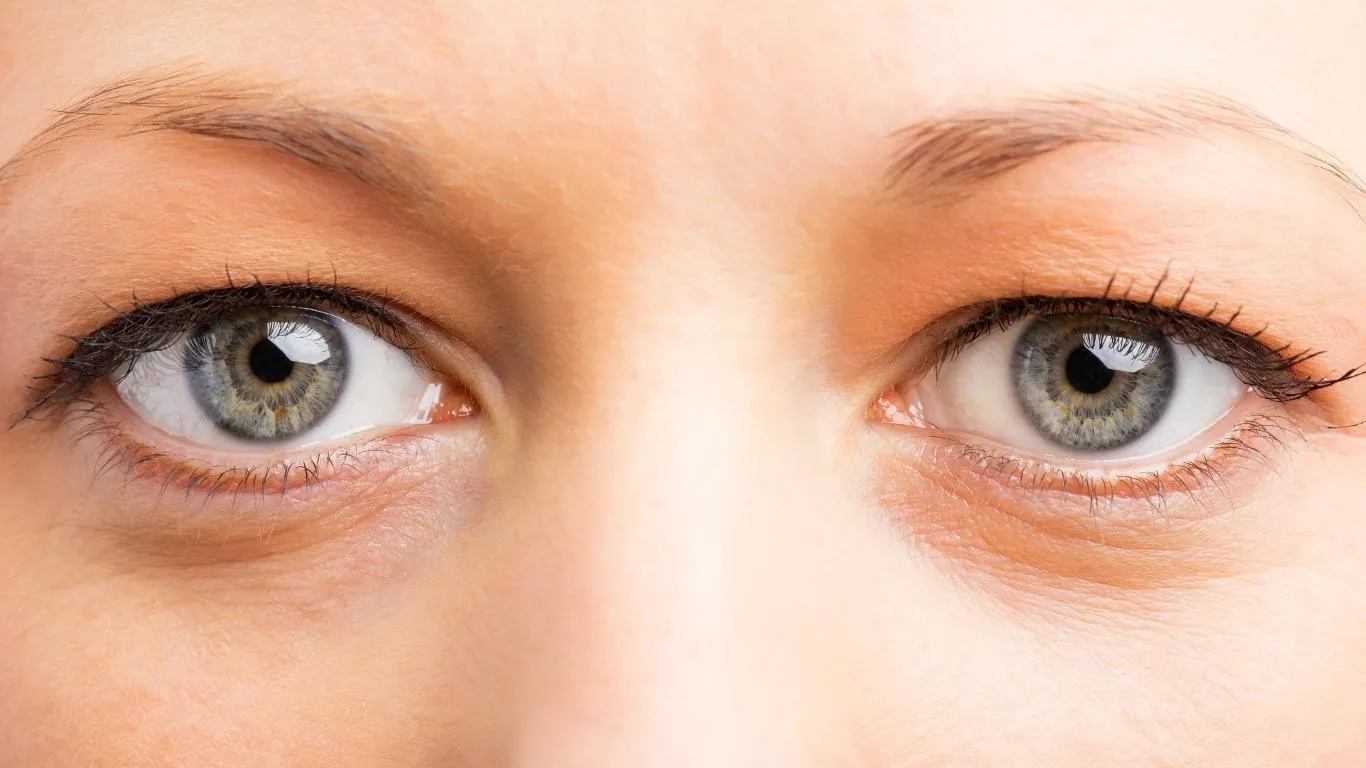
Eye floaters are those squiggly or shadowy shapes you see drifting around your visual field. They’re usually more visible when looking at bright, uniform backgrounds—like a blue sky or, in our case, a star-filled black sky. Why? Because your pupils dilate in low-light conditions, making the vitreous gel in your eyes even more noticeable. That’s when floaters love to make their grand entrance.
I used to think it was just dry eyes or maybe some dust. But after seeing them more often, especially when lying in the dark staring at the stars, I learned it’s a lot more common than people realize. According to this in-depth breakdown, floaters tend to become more visible in contrast-heavy settings—like the night sky.
The Science Behind It
Floaters are essentially tiny clumps of collagen inside the vitreous, the jelly-like substance that fills the inside of your eye. As we age—or even if we’re just genetically lucky—the vitreous starts to liquefy and pull away from the retina. This is known as vitreous syneresis and it’s a major cause of floaters. The specks, strings, or cobwebs you see? They’re actually shadows these clumps cast on your retina.
And nighttime, ironically, is the perfect environment for those shadows to shine (pun intended). Because you’re focusing on distant light sources—stars, moonlight, or even your phone screen right after looking up—the floaters appear to move faster or become more vivid.
Why Do Floaters Feel Worse During Stargazing?
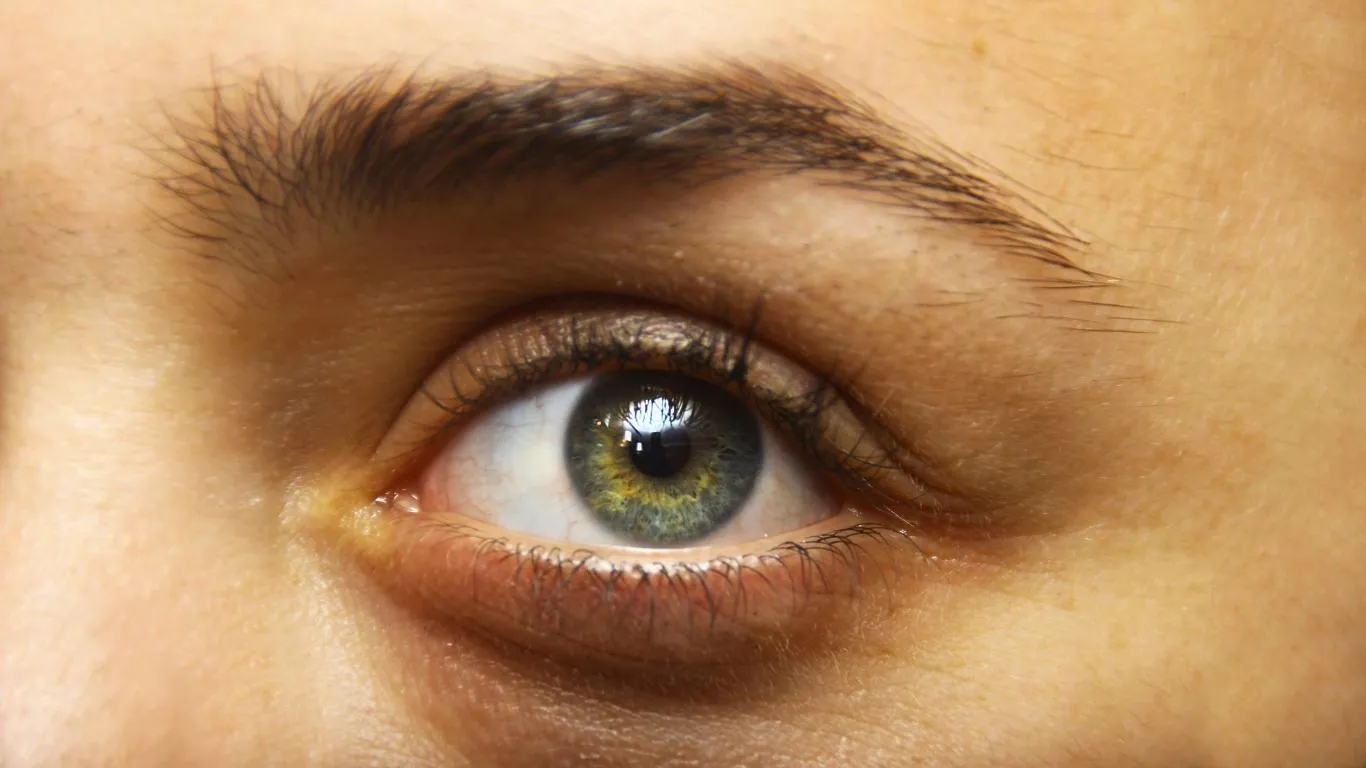
For starters, the stark contrast between the dark sky and the pinpoint brightness of stars amplifies the visibility of floaters. The dilation of your pupils at night makes a bigger ‘window’ for floaters to cast their shadows. I found this happening way more after staring into a pitch-black sky for just a few minutes.
On top of that, stargazing often requires stillness. You’re lying down, not moving your head much, and looking into a blank field. That’s the ideal condition for floaters to do their thing. And if you’ve ever noticed them drifting slower than usual or appearing more centralized during those moments—yep, that’s totally normal.
Eye Fatigue and Contrast Sensitivity
If you’ve been screen-bound all day (guilty), your eyes are likely overworked. Eye fatigue messes with contrast sensitivity, making floaters stand out even more. I started noticing floaters more clearly during my stargazing sessions right after coding or scrolling TikTok for hours—no coincidence there. It’s covered well in this article.
And here’s something you might not think of—your peripheral vision plays tricks. During stargazing, with reduced ambient light, your brain focuses more on central vision, and peripheral floaters seem to intrude into your focus zone. You’re not imagining it; they really do feel more noticeable.
When Should You Worry About Floaters?
Floaters are mostly harmless, but sometimes they can signal bigger issues—especially if accompanied by flashes of light or a sudden increase in number. I had a friend who ignored this for weeks and later found out he had a small retinal tear. That’s not something to take lightly.
- Sudden appearance of many floaters
- Flashes of light (like camera flashes in the corner of your eye)
- Loss of peripheral vision
These are signs you should call your eye doctor—seriously. If you’re unsure, this guide walks through when floaters signal something worse.
And while most nighttime floaters are benign, it’s worth noting they can be more intense after procedures like LASIK or even following certain medications. If this sounds like you, check out the main breakdown on treatment options for more clarity.
Are Floaters Worse for Some People at Night?
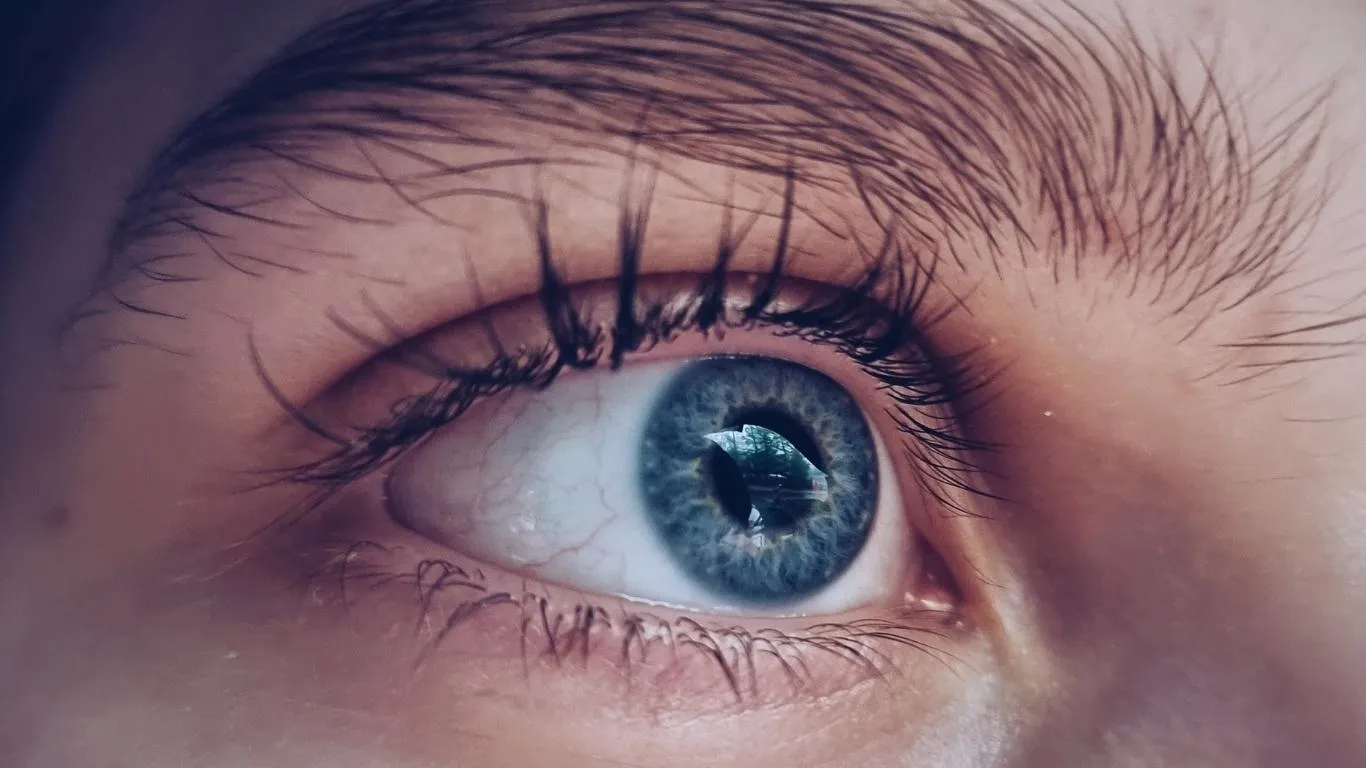
Absolutely. High myopes (people with strong nearsightedness) tend to see floaters earlier and more prominently. I fall into that group, and floaters have been part of my visual landscape since my late 20s. Stargazing just amplifies it. Also, if you’ve had any form of cataract surgery or trauma to the eye, your vitreous is probably more disturbed.
- People with dry eyes might confuse floaters with visual debris.
- Post-surgery patients tend to notice changes in floater patterns.
- High screen time users (hello, digital workers) often report increased floaters in low light.
So if you’ve noticed floaters only show up during certain lighting or environmental conditions—like stargazing—it’s not just in your head. You’re not imagining patterns that aren’t there. Well… you are, but there’s science behind it.
Can You Do Anything About Floaters?
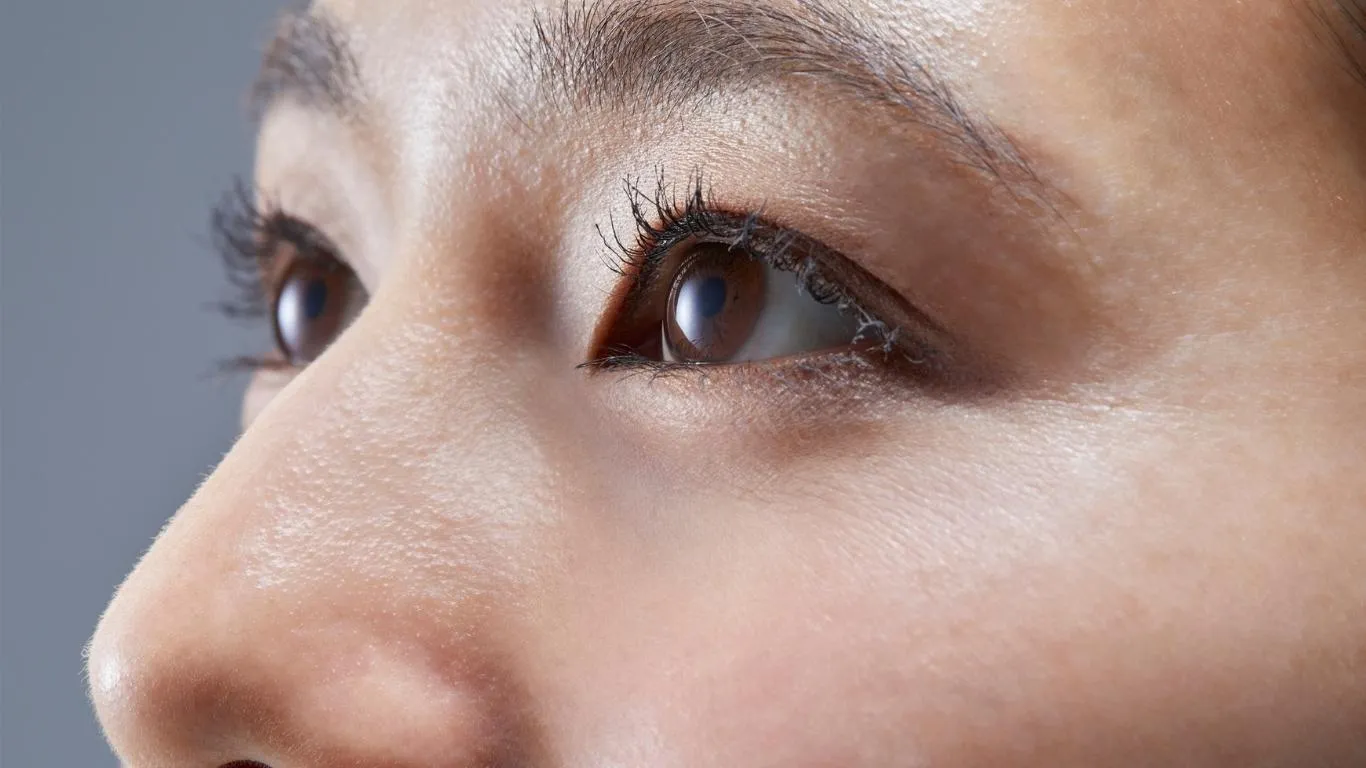
Sort of. There’s no magical cure for floaters, but there are ways to reduce their impact. Hydration helps. Eye rest helps. Avoiding extreme contrast (like going from pitch black to sudden phone screen) helps. There are also supplements that support vitreous health, though results vary. The discussion in this article was surprisingly balanced on that front.
What helped me most? Awareness. Just knowing what floaters are, why they’re worse at night, and that I’m not going blind, gave me peace. That, and tweaking my stargazing habits—like avoiding bright screens between sky-gazing moments, and positioning myself where ambient light is softer. It’s not perfect, but it helps.
For a full guide on symptoms to look out for, see this resource. And if you’re brand new to understanding floaters in general, you’ll find this comprehensive article helpful too: what are eye floaters?.
Can Stargazing Actually Make Eye Floaters Worse?
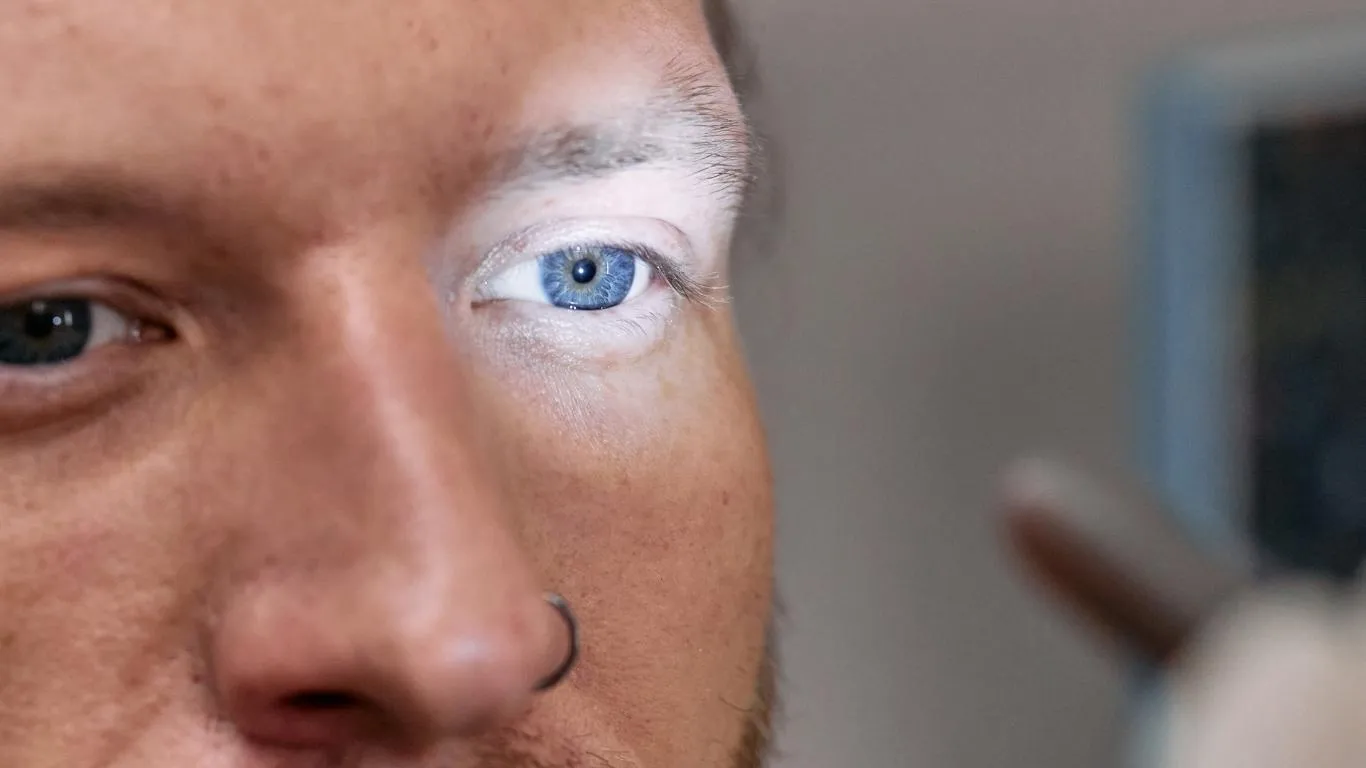
It’s not like stargazing damages your eyes, but the way we stare at a dark sky for long periods? That’s a whole different thing. Extended visual focus, especially on bright points against a black background, can exaggerate the contrast floaters create in our vision. You’re not getting more floaters per se—but they might *feel* worse.
I started noticing this after spending more nights outside during summer. After about 10 minutes under the stars, those translucent shapes began dancing in my peripheral vision. The moment I looked away or blinked rapidly, they shifted. That’s when I found out it’s the consistency of the background and your pupil dilation that amplify the visibility.
If you’ve ever laid on your back and stared upward, then moved your eyes side to side and saw floaters trail behind—welcome to the club. And this is also why they often become more obvious when transitioning from bright environments to dark ones, like after looking at your phone then glancing at the sky. This switch in light and focus seems to make them pop out even more.
What About Floaters That Change Shape at Night?
Now this really got me curious. I’ve seen floaters that look like little dots during the day but stretch into thin lines at night. Turns out, your eye movements and pupil size can slightly change how floaters appear. This isn’t your imagination—it’s physics and perception.
Low-light vision uses a different part of the retina (the rods), which have high sensitivity but low acuity. The floaters you see at night might not only appear darker—they can morph due to how your brain processes them under dim light. This article goes into that in a surprising amount of detail.
Tips to Stargaze Without Being Distracted by Floaters
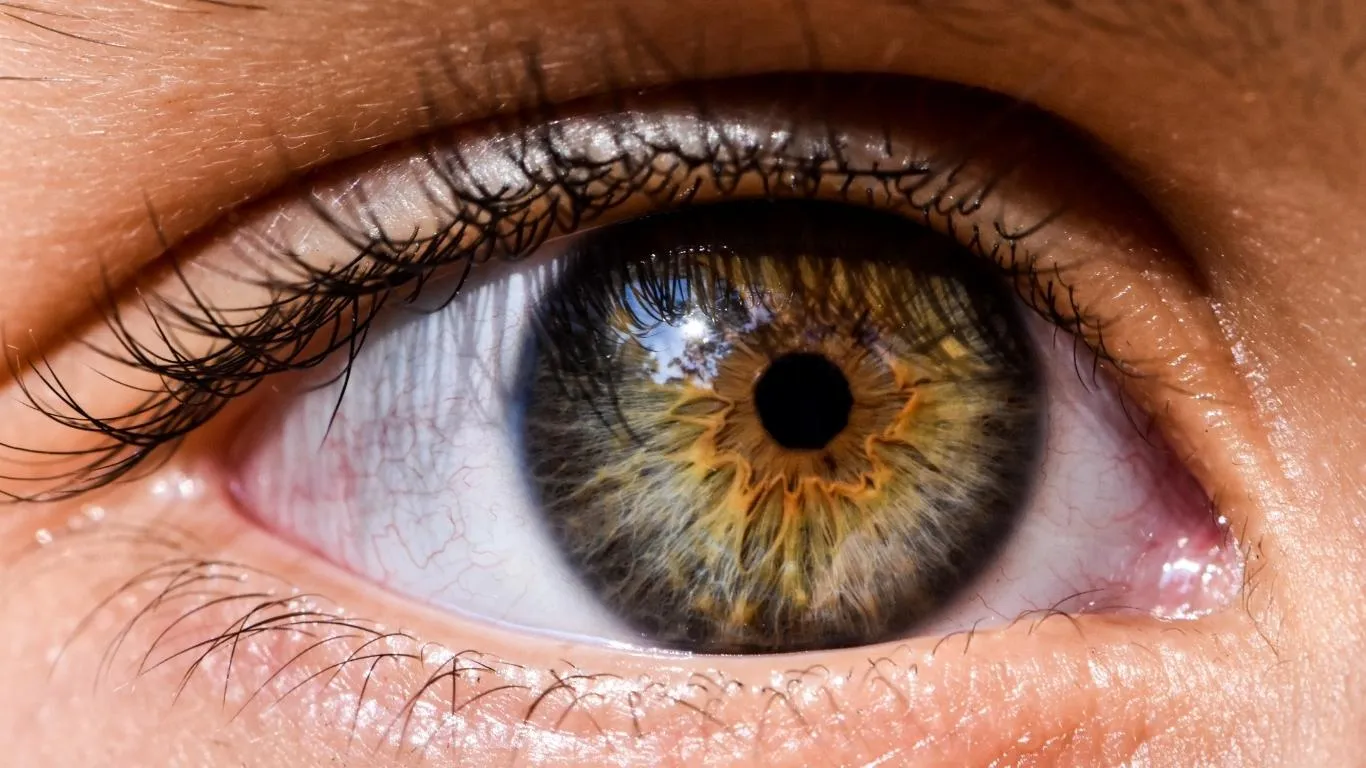
- Avoid direct screen use for 15–20 minutes before stargazing. It reduces eye strain and lets your eyes adjust naturally.
- Lay in a semi-reclined position rather than flat. It can help reduce fluid shift in your eyes and possibly how floaters move.
- Don’t fixate too hard on a single star. Small eye movements can minimize floater interference.
- Use soft ambient light around you. It stops your pupils from dilating excessively.
- Hydrate. Yes, really. Your eyes love hydration.
Personally, what helped me most was switching to indirect stargazing. Instead of locking in on one point, I’d scan the sky slowly. It gave me a broader view—and somehow the floaters bothered me less. Bonus: I actually noticed more constellations that way.
Supplements and Support for Nighttime Floater Management
Let’s be real—supplements aren’t magic pills. But certain nutrients can help with vitreous health over time. Things like vitamin C, lutein, omega-3, and hyaluronic acid are all discussed in this supplement guide. I started incorporating a few into my routine—not because I expected instant results, but because my eye doc said it couldn’t hurt. Over time, the floaters haven’t disappeared, but I’ve noticed fewer new ones popping up.
Also, if you’ve noticed a sudden uptick in floaters after being out in the sun all day before your stargazing session, it’s not in your head. UV exposure and even dehydration could play a role. If this happens to you, consider reading about bright light exposure and floaters.
When Should You Actually See a Doctor?
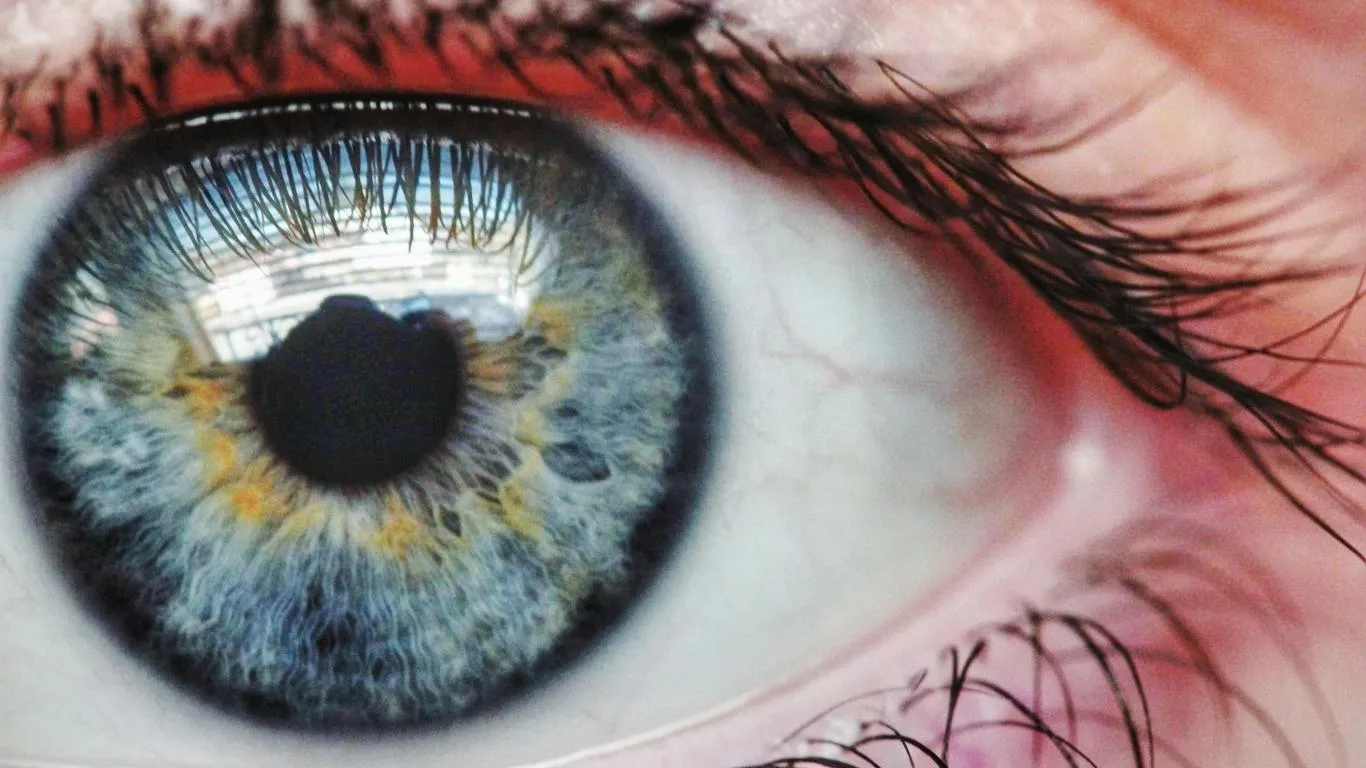
Alright, I get it—we all tend to avoid doctors unless something seems really wrong. But if your floaters suddenly increase, come with light flashes, or mess with your peripheral vision, don’t wait. I had a scare once where I saw what looked like a “curtain” of floaters drop across part of my vision—it faded in minutes, but I booked an appointment anyway. Turned out to be nothing serious, but I’m glad I checked.
Check this piece on floaters before retinal tears—even if just for peace of mind.
As a rule of thumb:
- If floaters are new and persistent
- If they’re accompanied by flashes or dark shadows
- If one eye seems worse than the other suddenly
—get it checked. Floaters themselves are usually harmless, but the context matters.
Is It Possible to Enjoy Stargazing Despite Floaters?
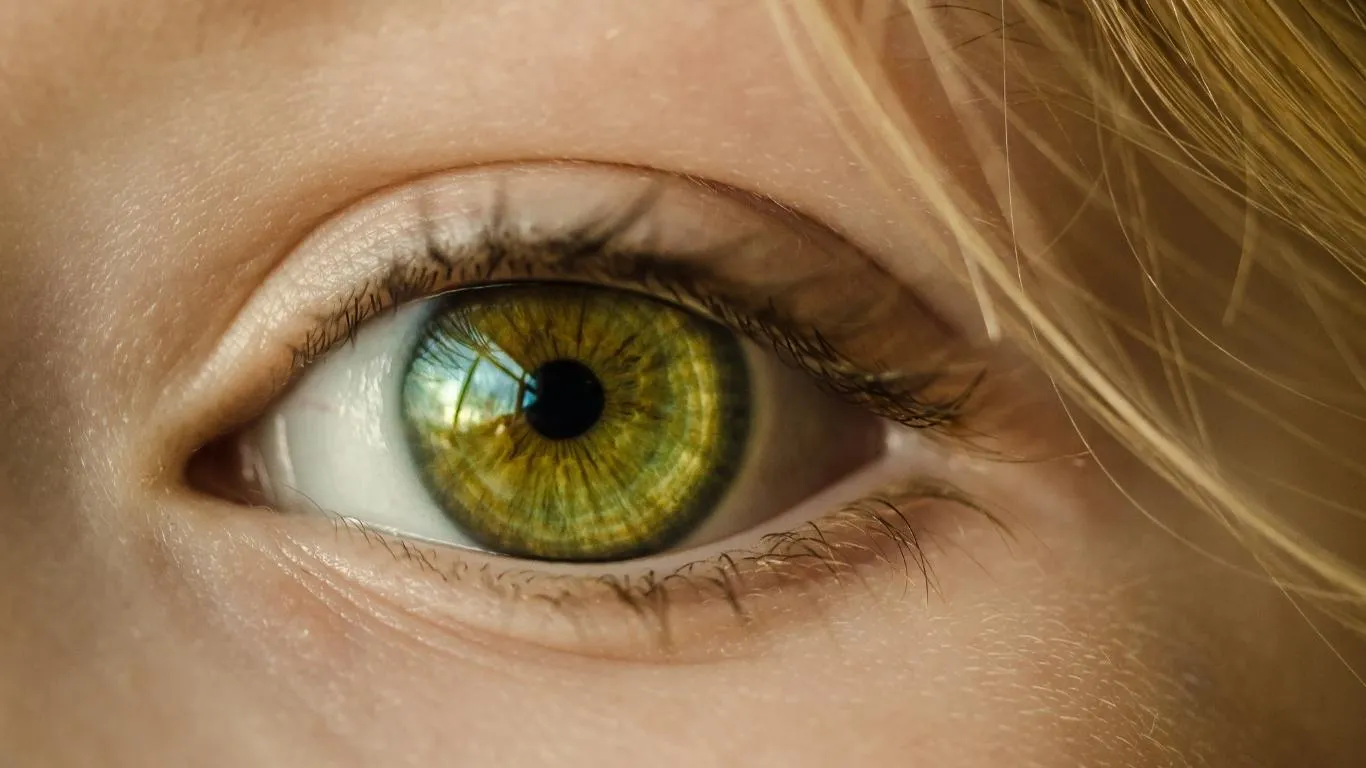
Absolutely. I still head out every week when skies are clear. Floaters might show up, but they no longer bother me the way they used to. Once I understood the causes and the science behind them, the anxiety dropped. They became more of an inconvenience than a fear.
That said, managing your expectations, being kind to your eyes, and adjusting your stargazing habits go a long way. You don’t need perfect vision to enjoy a perfect sky—you just need a new way to look at it. Literally.

Camellia Wulansari is a dedicated Medical Assistant at a local clinic and a passionate health writer at Healthusias.com. With years of hands-on experience in patient care and a deep interest in preventive medicine, she bridges the gap between clinical knowledge and accessible health information. Camellia specializes in writing about digestive health, chronic conditions like GERD and hypertension, respiratory issues, and autoimmune diseases, aiming to empower readers with practical, easy-to-understand insights. When she’s not assisting patients or writing, you’ll find her enjoying quiet mornings with coffee and a medical journal in hand—or jamming to her favorite metal band, Lamb of God.