Why Floaters Get Worse When Looking Into Aquarium Light
I was feeding my fish the other night—just your average evening in front of my 55-gallon tank, nothing out of the ordinary. But then, I noticed something weird. Little shadowy specks and thread-like strands floating around in my vision. Not in the water—literally in my eyesight. They became especially noticeable when I looked directly into the light shimmering from the tank. Turns out, I’m not alone. Many people experience floaters while looking into aquarium light, and it’s not just a quirky visual fluke—it can hint at something more going on with your eyes.
Why Aquarium Light Makes Floaters Stand Out
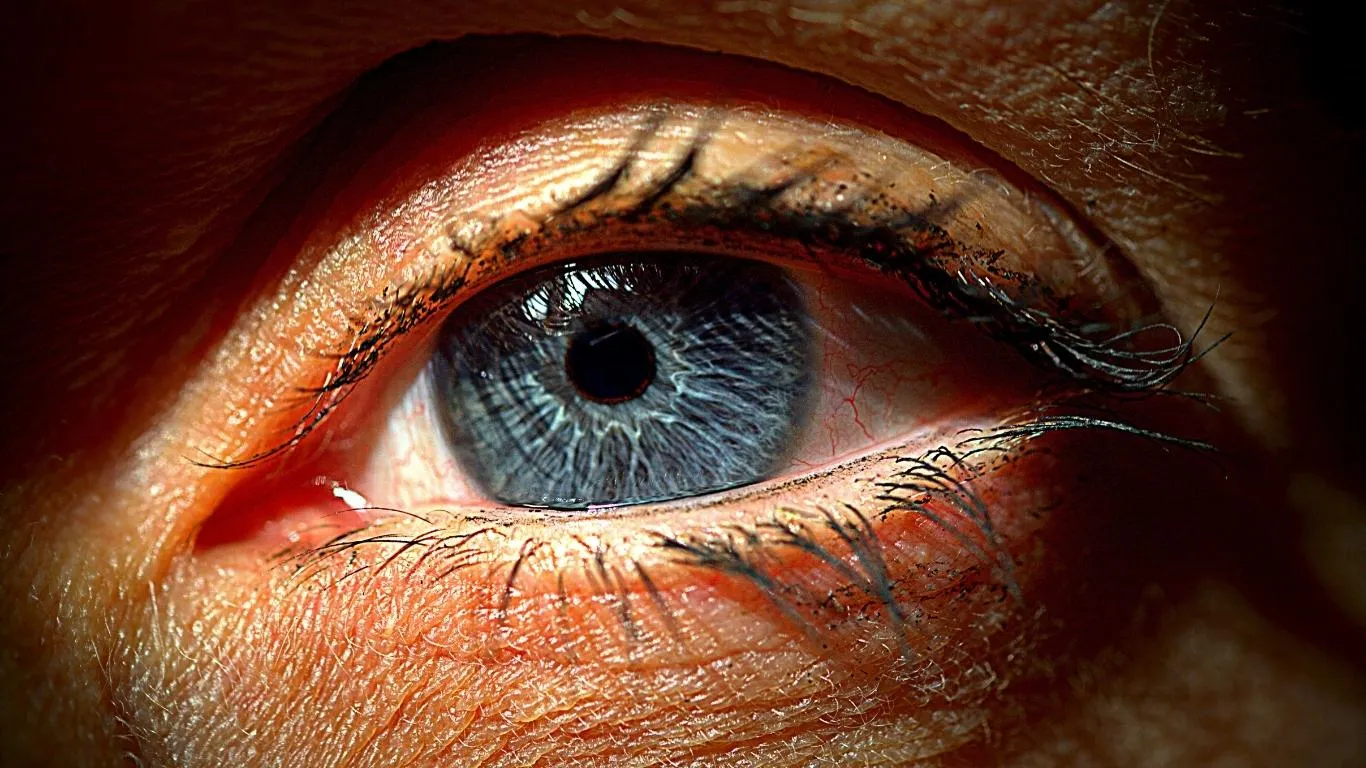
Let’s start with the basics. Eye floaters are those little specks, squiggles, or cobweb-like strands that seem to drift across your vision. They’re more visible against bright, uniform backgrounds—and nothing is more perfect for that than the soft, bright LED light of a fish tank.
When you stare into an aquarium light—especially with those intense blue and white tones—the contrast in your field of vision spikes. That contrast makes any debris floating in your vitreous humor (the gel-like substance inside your eye) stand out like a sore thumb.
The Role of Backlighting and Eye Focus
What I’ve learned from both my experience and some digging: aquarium lights act like visual highlighters. They backlight floaters in a way that makes them extremely pronounced. Your eyes also tend to fixate differently when looking into water or transparent surfaces, which can make you notice things you usually overlook.
Combine that with fatigue, stress, or dry eyes (common when you’ve been watching your fish for too long without blinking enough), and your floaters may seem worse than ever.
Floaters or Something Else?
It’s easy to think, “maybe this is just normal,” but it’s worth asking: are they truly floaters—or could it be something else? Some people mistake visual auras from migraines or light reflections for floaters. And if you’re seeing sparkles or flashes along with those specks, it could signal retinal issues, not just innocent floaters.
If your floaters are sudden, persistent, or accompanied by light flashes, you’ll want to take it seriously. Conditions like posterior vitreous detachment or even a retinal tear can sometimes start with exactly what seems like innocent floaters when watching fish glide under a light.
Quick Checklist: When to Be Concerned
- New floaters appear suddenly while looking at aquarium light
- Floaters are accompanied by light flashes or “curtain-like” shadows
- They don’t move when your eyes move (stationary objects)
- You also notice blurred vision or loss of peripheral vision
Why It’s More Noticeable at Night
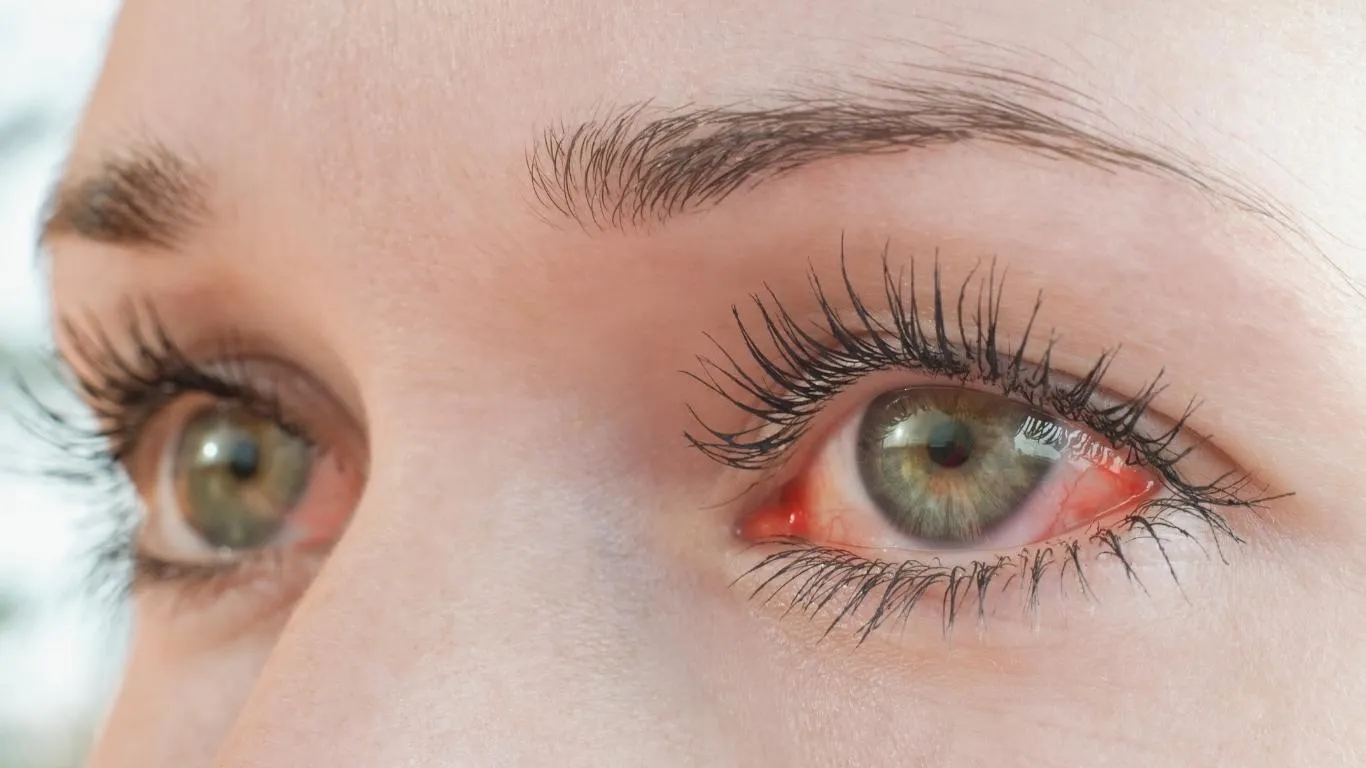
I found mine most disturbing during evening aquarium sessions. Why? At night, pupils dilate to let in more light, making the floaters more prominent. This is particularly noticeable when your only light source is the glow of the tank. The surrounding darkness just adds to the contrast.
Some studies suggest that nighttime dilation and changes in vitreous gel density might be linked, especially as we age (and I’m definitely not 25 anymore). It’s why floaters tend to become more of a nuisance in your 40s and beyond, as explained in this eye floater guide for your 40s.
Other Factors That Make Floaters Worse Around Aquariums

- Dry Eyes: Staring at aquarium light often leads to reduced blinking. Less blinking = dry eyes = more visual disturbances.
- Artificial Lighting: LED and fluorescent tank lights can exaggerate the perception of floaters more than natural light.
- Fatigue: Your eye muscles get tired, and your brain starts picking up visual “noise” that it usually filters out.
- Screen Reflection: If your aquarium is near a screen or phone, the reflection can double the disturbance.
Could It Be Linked to Other Conditions?
If your floaters appeared after a head bump, eye strain, or stress, that might not be a coincidence. Check out this article on floaters after eye trauma. Even sinus pressure or allergy meds could contribute like this piece explains.
What Can You Do About It?
Now, if you’re like me, you’re not about to give up your aquarium hobby. But there are ways to manage these visual distractions.
Simple Tips That Help (From Personal Trial & Error)
- Shift your gaze: Don’t lock your focus on the light. Move your eyes side to side. It can help floaters drift out of your central vision.
- Hydrate: Weirdly enough, dehydration makes floaters worse. Drink up.
- Adjust lighting: Dim your aquarium lights slightly or switch to indirect lighting setups at night.
- Lubricating eye drops: Artificial tears help, especially if you notice floaters worsening with dry air or screen use.
If the floaters are getting worse or affecting your daily life, it’s not overreacting to get them checked. There are real treatments out there—from laser therapy to vitrectomy—covered well in this detailed treatment article.
For a full breakdown of what floaters are and how they evolve, visit the main guide to eye floaters. Trust me, you’ll learn things your optometrist may never mention.
When Floaters Feel Like They’re Taking Over
There was a stretch last winter where I couldn’t enjoy my aquarium at all. Every time I sat down, those floaters would dance around the light, mocking me. It went from occasional annoyance to something that made me avoid my usual wind-down routine. That’s when I knew this wasn’t just some “everyone has them” thing—it was interfering with how I live.
It turns out, that’s common. Eye floaters can gradually become a quality-of-life issue, especially when they’re triggered by something you actually enjoy, like watching your fish or relaxing with your tank lights on. It’s not vanity—it’s discomfort that deserves attention.
When to Seek a Doctor’s Advice
If floaters are making it hard to read, drive, or enjoy daily activities, it’s time to book an exam. And if you notice sudden changes—a burst of new floaters, or a dark shadow moving across your field of vision—don’t wait. It could signal a retinal tear or detachment, which is an emergency.
That eerie sensation like a curtain closing from the side of your eye? That’s not just dramatic phrasing. It’s often the exact warning sign of a retinal tear coming on.
How Floaters Change Over Time
Here’s what your eye doctor probably won’t say out loud: most floaters don’t disappear. They just settle, drift out of your central field, or your brain learns to ignore them. That’s called neural adaptation. But some people (myself included) have floaters that seem stubborn. Especially when you’re dealing with light-rich activities—like gazing at an aquarium.
As we age, the vitreous gel inside our eyes starts to liquefy and shrink, creating clumps or strands. This process, called vitreous syneresis, is a key reason why you’re more likely to experience floaters past age 40. It’s broken down well in this piece on age-related vitreous changes.
Fun Fact (That’s Not So Fun):
Floaters that form in your 20s and 30s are usually more translucent. But as you age, they become more pronounced and persistent—especially in bright light like aquarium setups or against blue skies, white walls, or screens.
Real Treatment Options That Actually Work
I’ve gone down the rabbit hole of floater treatment—mostly because I couldn’t stand the thought of avoiding my tank for the rest of my life. While there’s no magic pill, some real options exist depending on your comfort level and floater severity.
1. Vitrectomy
This is the “nuclear option”—a surgical procedure that removes the vitreous gel and replaces it with a saline-like solution. It’s effective, but comes with risks like cataracts or retinal detachment. I personally wouldn’t jump here unless the floaters are truly disabling. But it’s worth discussing with your specialist if floaters are affecting your vision long-term.
2. YAG Laser Vitreolysis
This laser breaks up floaters so they’re less noticeable. It doesn’t remove them, but can reduce the visual disturbance. It’s been a game-changer for some people I spoke to in aquarium hobby forums (yes, it’s a thing), though results vary based on floater location and size.
3. Supplements (with a side of realism)
- Lutein and zeaxanthin: May support overall retinal health. Some anecdotal improvement in floater perception.
- Omega-3s: Anti-inflammatory, possibly reduces eye dryness, which indirectly helps.
- Magnesium: Low levels might make floaters more noticeable, especially during stress or fatigue.
But remember, these aren’t cures. They may support long-term eye health, but won’t erase floaters overnight. If you want to explore more, here’s a trusted breakdown of the best supplements for floaters.
Everyday Fixes You Can Actually Do
Let’s talk low-effort, high-payoff solutions. I’ve tried nearly all of these, and while they won’t “cure” floaters, they’ve made my sessions with the aquarium way more tolerable:
- Reduce light intensity: Use dimmer or indirect lighting around your tank. I switched to warmer-toned LEDs with diffusers—game changer.
- Blink often: Sounds silly, but it’s easy to forget. Blinking refreshes your tear film and reduces optical noise.
- Use artificial tears: Keeps your eyes moist and cuts down on light scatter from dry spots on your cornea.
- Practice eye movement drills: Gently moving your eyes in figure-8 patterns or looking left-right can help shift floaters away from the center.
- Hydrate well: Dehydration = thicker vitreous = more visible floaters. I now sip water during every aquarium session. It helps more than you’d expect.
These tweaks may sound basic, but they align with expert advice shared in the natural ways to manage floaters article. They’ve helped me go from frustrated fish owner to relaxed again—well, mostly.
What to Track and Why It Matters
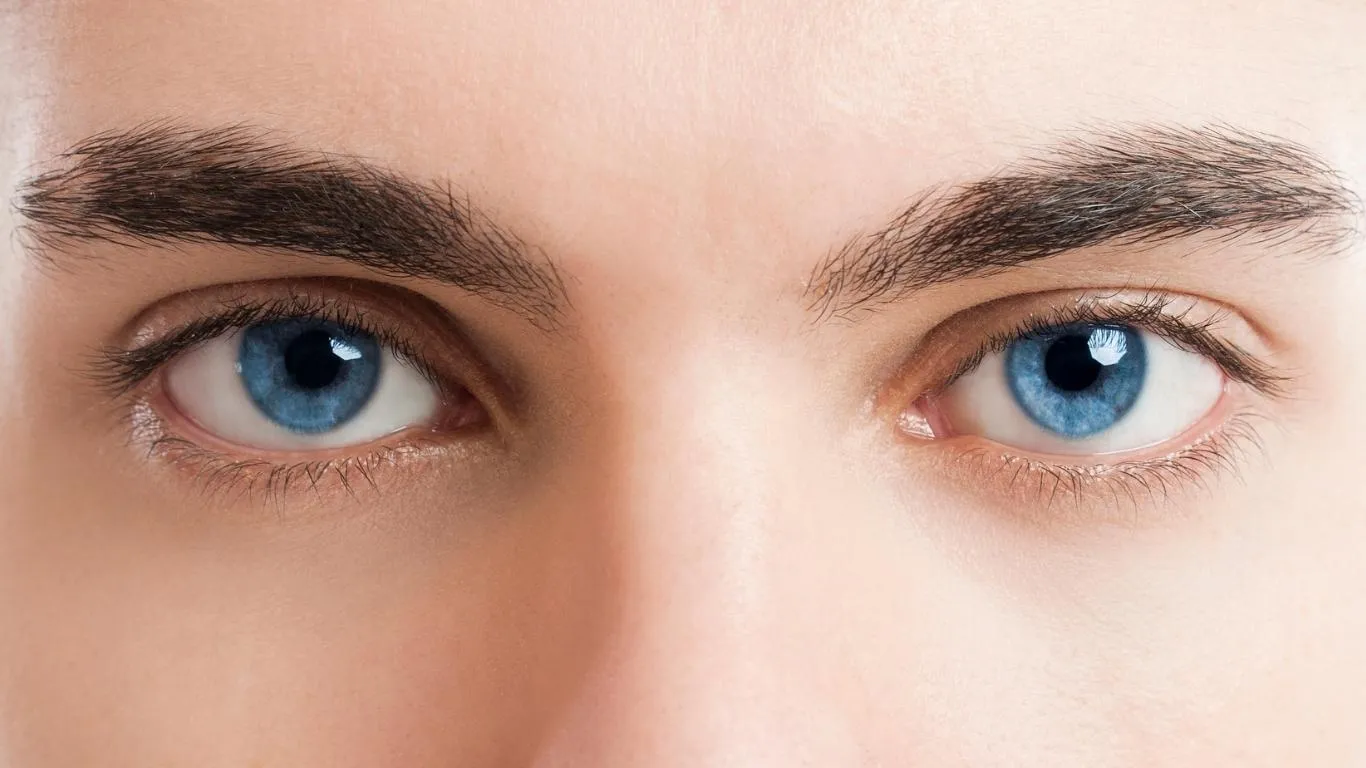
If you’re serious about managing floaters (or you’re like me and just really hate not knowing what’s going on), keep a simple floater log. Track:
- Time of day you notice them most
- Lighting environment (aquarium, computer, outdoor, etc.)
- Any associated symptoms like headaches, flashes, or fatigue
This can be useful for spotting patterns, lifestyle triggers, or deciding when it’s time to escalate to treatment. You’ll also be taken more seriously by your doctor when you can say, “Hey, this isn’t random—it’s always when I’m near bright aquarium lighting at 8 p.m. after work.”
And One Last Note From Personal Experience…
You’re not imagining it. Floaters are real, and so is the annoyance they cause. If they’re showing up while you’re simply trying to enjoy your fish or relax under soft lighting, you don’t have to accept it forever. There are steps you can take, resources to guide you, and a community that gets it.
To understand the full context of what floaters are and how they work, don’t miss the complete breakdown here: What Are Eye Floaters?

Camellia Wulansari is a dedicated Medical Assistant at a local clinic and a passionate health writer at Healthusias.com. With years of hands-on experience in patient care and a deep interest in preventive medicine, she bridges the gap between clinical knowledge and accessible health information. Camellia specializes in writing about digestive health, chronic conditions like GERD and hypertension, respiratory issues, and autoimmune diseases, aiming to empower readers with practical, easy-to-understand insights. When she’s not assisting patients or writing, you’ll find her enjoying quiet mornings with coffee and a medical journal in hand—or jamming to her favorite metal band, Lamb of God.