How Arthritis-Related Migraine Flare-Ups Disrupt Daily Life
Let me be real for a second—there’s nothing quite like waking up with stiff joints and a pounding headache that seems to echo with every movement. If you’ve ever dealt with arthritis *and* migraines, you know what a double whammy that is. For me, there was a time I didn’t even make the connection. I’d be blaming a storm, stress, or even poor sleep for the migraines, not realizing my joint flare-ups were sneakily stirring the pot.
Understanding the Link Between Arthritis and Migraines
Most folks don’t connect arthritis and migraines, but they absolutely can be intertwined. When inflammation is high—whether it’s from rheumatoid arthritis, psoriatic arthritis, or even osteoarthritis—the body’s pain threshold takes a nosedive. This inflammatory cascade doesn’t just attack your joints; it can also impact your central nervous system, leading to more frequent or intense migraines.
One reason for this overlap is cytokine activity. These are inflammatory molecules that go haywire during arthritis flares, and studies have shown they also play a role in migraine pathophysiology. Basically, your immune system goes into attack mode and your head ends up paying the price.
How I Started Noticing Patterns
At first, I thought my migraines were just poorly timed coincidences. But over a few months of journaling (something I totally recommend—check out this migraine diary guide), I began to see a pattern. Whenever my knees flared up, like clockwork, a migraine was not far behind. It made me rethink how I was managing my arthritis—and my migraines, for that matter.
Why Inflammation Plays a Central Role
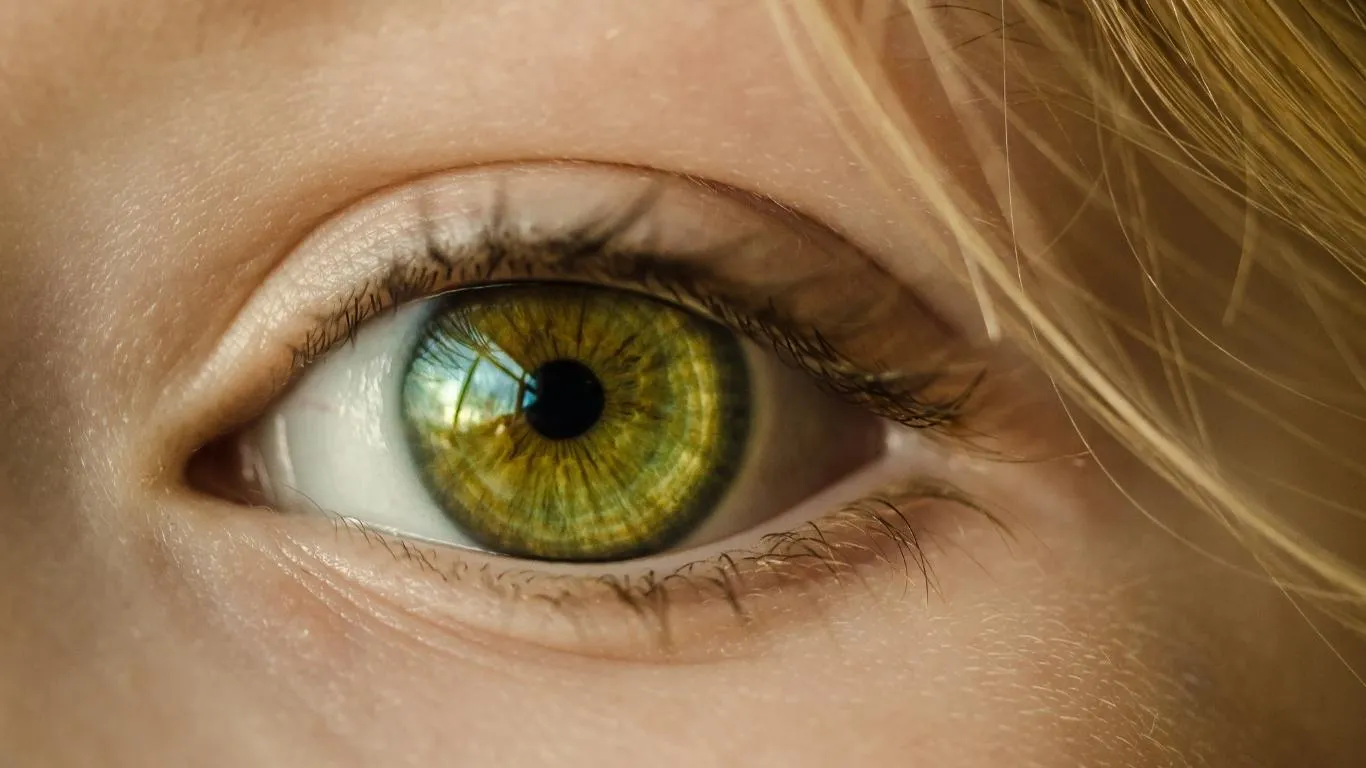
Inflammation is the not-so-silent culprit in both conditions. When you’re already dealing with joint swelling and stiffness, your body is essentially in an inflammatory overdrive. Add migraine tendencies into that mix, and your brain’s sensitive pain receptors light up like a Christmas tree.
What’s worse? The usual migraine triggers—like poor sleep, stress, or certain foods—can be made worse when you’re also dealing with arthritis discomfort. That’s why for many, arthritis-related migraine flare-ups tend to hit harder, last longer, and feel way more unpredictable.
The Vicious Cycle
- Arthritis flares up → Inflammation rises
- Inflammation impacts brain chemistry → Migraine triggered
- Migraine pain disrupts sleep → More inflammation
- Less rest = more arthritis pain
And that’s just the beginning. If you’re also sensitive to barometric pressure or hormonal changes, you might find that flare-ups start to feel like an unstoppable spiral. Been there. It’s brutal.
Common Triggers for Migraine During Arthritis Flares
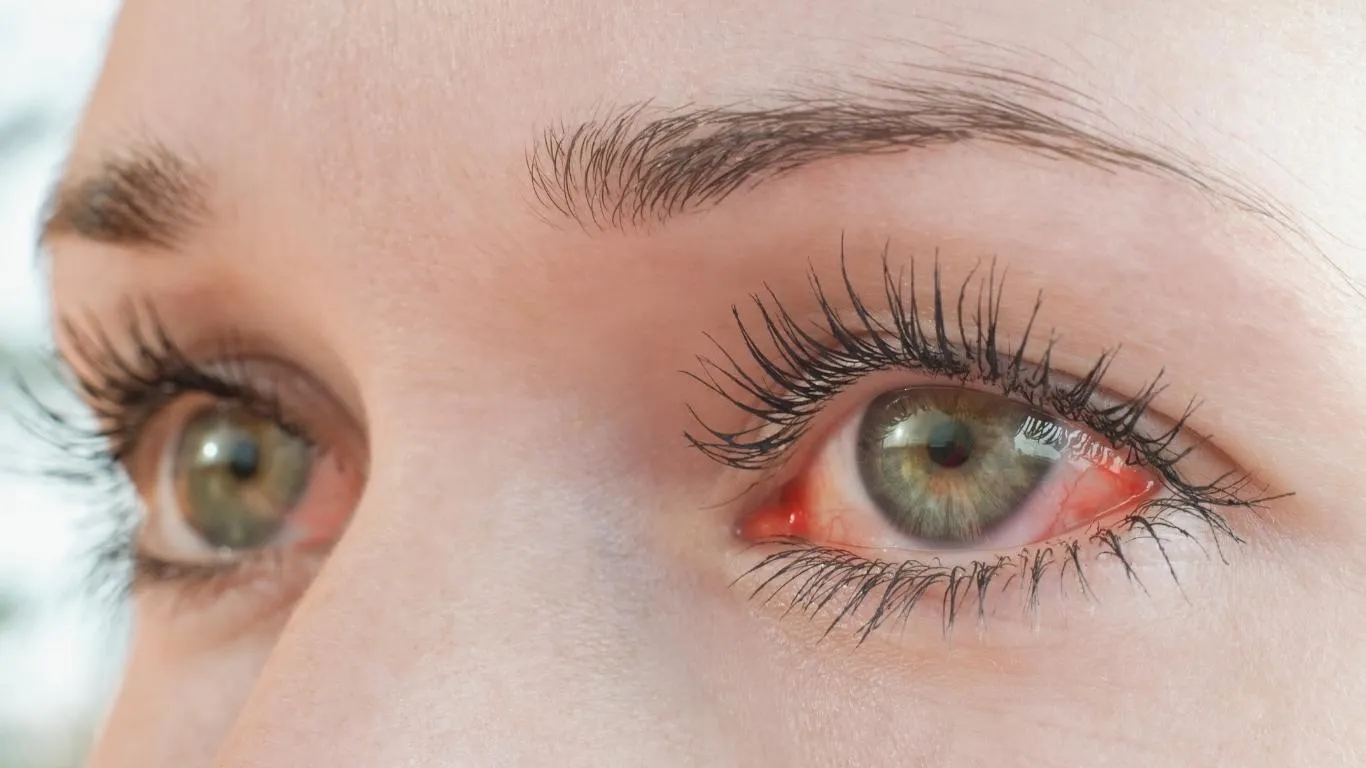
Sometimes it’s not just the inflammation—it’s what arthritis forces us to do or avoid that makes migraines worse. Here are a few subtle things I didn’t realize were making my headaches more frequent:
- Reduced movement – Skipping exercise due to joint pain stiffens the neck and shoulders, which for me, are migraine hotspots.
- Medication side effects – Some anti-inflammatories and biologics mess with hydration and electrolyte balance.
- Disrupted sleep – When your hips are on fire at 3 a.m., your REM cycle doesn’t stand a chance.
- Dietary changes – Trying anti-inflammatory diets sometimes means cutting carbs or fasting, which can be migraine triggers in their own right. (migraine while fasting is real!)
Managing the Double Challenge
So what do you do when you’re fighting two chronic conditions that love to trigger each other? I had to learn the hard way that it’s not about picking which pain to fight—it’s about managing both with smarter habits. A few things that helped me:
- Keep inflammation in check – Whether it’s with omega-3s, turmeric, or magnesium (magnesium for migraine is legit), anti-inflammatory support is a game-changer.
- Mindful movement – Gentle yoga or stretching not only kept my joints mobile but also helped reduce migraine severity. I swear by this now.
- Sleep routine – A consistent wind-down ritual with zero screens and a magnesium spray has helped more than I expected.
- Hydration tracking – Simple, but effective. Dehydration is one sneaky migraine trigger, especially with arthritis meds.
And of course, tracking is key. Understanding your triggers takes time, but that data pays off big time in long-term management. If you’re unsure whether your arthritis is playing into your migraines, start logging flare-ups and headaches together—it’ll open your eyes, I promise.
To dive deeper into tools that make managing this stuff easier, check out this awesome section on tools and devices for migraines. I’ve personally tried a few wearables mentioned there, and they helped me pinpoint triggers I didn’t know I had.
And if you’re trying to get a grasp on what migraines are at their core, the Understanding Migraines guide is a solid starting point. Even after dealing with this for years, I found new insights in there. For a broader view, don’t miss the main migraine hub as well—it’s packed.
Small Daily Habits That Made a Big Difference
There’s a point where managing arthritis and migraines becomes less about the “big fix” and more about the tiny wins. For me, shifting my morning routine alone made a noticeable difference. I started keeping my heating pad next to my bed—just 10 minutes on my lower back helped ease the morning joint stiffness, which somehow made my migraine threshold a bit stronger too.
Another small but powerful change? Blue light filters on every screen. Between flare-up fatigue and photo-sensitivity, scrolling at night used to trigger brutal headaches. Now I use apps and even a pair of blue-light-blocking glasses recommended here, and I swear my eyes thank me daily.
My Nightstand Essentials
- Topical magnesium cream (amazing for joint and muscle tension)
- Eye mask with cold inserts for pressure relief
- Notebook for late-night symptom tracking—because your brain won’t remember at 8 AM
- Herbal tea with ginger or chamomile to wind down
I didn’t find this in a medical journal—this is just real life learning the hard way. Trial, error, and a lot of “ugh, not this again” moments.
Are Hormones the Missing Link?

Here’s something I wish I’d known sooner: hormonal shifts don’t just affect migraines—they can worsen arthritis inflammation too. Around my menstrual cycle, I noticed both my joints and head felt like they were throwing tantrums. If you’re dealing with this lovely combo, check out this helpful breakdown on hormonal migraine triggers. You might discover timing patterns that help you plan better.
And honestly, syncing your pain management strategy with your cycle isn’t woo-woo—it’s just smart. Whether it’s upping hydration, adjusting workouts, or tweaking supplements during high-risk days, it gives you back a little control when your body’s doing its own thing.
The Neck Factor—A Hidden Culprit
One of the most overlooked connections between arthritis and migraine is neck tension. Think about it—if your spine or upper joints are stiff or inflamed, chances are your posture suffers. Poor alignment, especially in the neck and shoulders, is like rolling out a red carpet for migraine pain.
I started noticing a huge improvement once I added a few simple neck stretches into my morning routine. And on high-pain days, I’d lie down with a rolled towel under my neck. That alone would sometimes shave off the sharpest edge of the headache.
Check out some posture-supporting tips over at how neck posture affects migraines—this blew my mind when I first read it. It’s not just about the bones—it’s the nerves, the muscles, even the blood flow.
What Doctors Rarely Talk About
Every specialist I saw treated either the arthritis or the migraine—but never both. That siloed approach delayed my understanding of how connected these two beasts really are. What helped the most? A neurologist who finally acknowledged how my immune system was likely playing both sides.
If you haven’t already, I’d suggest speaking with a provider familiar with autoimmune and inflammatory overlap. Or at least, bring your own research—this NIH and CDC both have credible info you can cite if needed. Be your own advocate. And trust your gut—because sometimes that throbbing head *is* trying to tell you what your knees already knew hours ago.
Ask Your Specialist These Questions
- Could my arthritis flare be worsening neurological symptoms?
- Are there shared inflammatory markers we can monitor?
- Can we coordinate treatment that supports both conditions?
Creating a Migraine-Resilient Lifestyle
There’s no miracle cure—but building a lifestyle that gently supports your body can tip the odds in your favor. For me, that meant trading intense workouts for gentle mobility sessions. It meant learning to say “nope” when I felt that faint joint ache in the morning, instead of pushing through and regretting it by lunch.
And when you find what works? Stick with it. Make it yours. My Sunday ritual now includes stretching with lavender oil, low-light journaling, and no screen time after 8:30. It’s not glamorous, but it works.
If you’re looking for migraine-friendly movement tips or posture hacks, don’t miss this deep dive on migraine prevention. It’s packed with ideas that can easily be tailored for anyone navigating arthritis too.
At the end of the day, managing arthritis-related migraine flare-ups isn’t about perfection—it’s about awareness, timing, and treating your body like the complex, interconnected system it is. I’m still figuring it out, but I’m miles ahead of where I started.

Bianca Nala is a compassionate Nurse Practitioner with a strong background in primary and respiratory care. As a health writer for Healthusias.com, she combines her clinical expertise with a talent for clear, relatable storytelling to help readers better understand their health. Bianca focuses on topics like asthma, COPD, chronic cough, and overall lung health, aiming to simplify complex medical topics without losing accuracy. Whether she’s treating patients or writing articles, Bianca is driven by a single goal: making quality healthcare knowledge accessible to everyone.