Why Back Pain Associated With Epstein-Barr Virus Shouldn’t Be Ignored
So here’s something weird: I never thought I’d be reading up on the Epstein-Barr virus again after college biology. And yet, here I am, a few years older, sitting with an aching back that just wouldn’t quit—and what do I stumble across? A rabbit hole of medical chatter suggesting that back pain might be linked to the Epstein-Barr virus (EBV). At first, I shrugged it off. But the more I dug, the more curious I got. Turns out, there’s a lot more going on than people realize when it comes to back pain associated with EBV.
What Exactly Is the Epstein-Barr Virus (EBV)?

For those who need a refresher, EBV is one of the most common human viruses. It’s part of the herpesvirus family—yep, the same family that includes cold sores and chickenpox. Most people get it at some point, often in childhood or adolescence, and then it hangs around in your system. You might know it best as the virus behind mononucleosis (a.k.a. “mono” or “the kissing disease”).
The thing is, EBV doesn’t always pack its bags and leave. It can stay latent in your body for years, quietly reactivating under stress, immune suppression, or other triggers. And while the symptoms during active infection are well known—fatigue, fever, swollen lymph nodes—the idea that EBV could be linked to chronic back pain is still flying under the radar for most people.
Can EBV Really Cause Back Pain?

This is where it gets interesting. EBV isn’t typically listed as a cause of back pain in conventional lists. You’ll see things like herniated discs, poor posture, injuries, and muscular issues, sure. But start connecting the dots—chronic fatigue, body aches, inflammation, and immune response—and you begin to see how a virus like EBV might sneak its way into the conversation.
In some cases, the immune response triggered by EBV might lead to widespread inflammation. That systemic inflammation can manifest as joint or muscle pain—especially in vulnerable areas like the lower back. There’s also growing chatter among people with long-haul viral symptoms and post-viral fatigue syndrome reporting persistent back discomfort, sometimes for months after the original infection. This overlaps with what many people experience with degenerative disc disease or even fibromyalgia-like symptoms.
The Inflammatory Pathway: EBV’s Sneaky Back Door
Let’s get into a bit of the biology. EBV affects B cells, a type of white blood cell, and hijacks the immune system in ways that scientists are still trying to fully understand. In doing so, it may stimulate a chronic inflammatory response that doesn’t always shut off properly.
This inflammatory loop doesn’t just tire you out—it can wreak havoc on joints, connective tissue, and nerves. Think of it like a fire alarm that got triggered but never shut off, quietly damaging systems in the background. In some people, this immune chaos settles in the spine or surrounding musculature. Lower back pain, upper back stiffness, nerve sensitivity—all plausible if your immune system’s attacking everything in sight. This might also explain why EBV is being explored in conditions like fibromyalgia and chronic fatigue syndrome.
When Back Pain Isn’t Just Mechanical

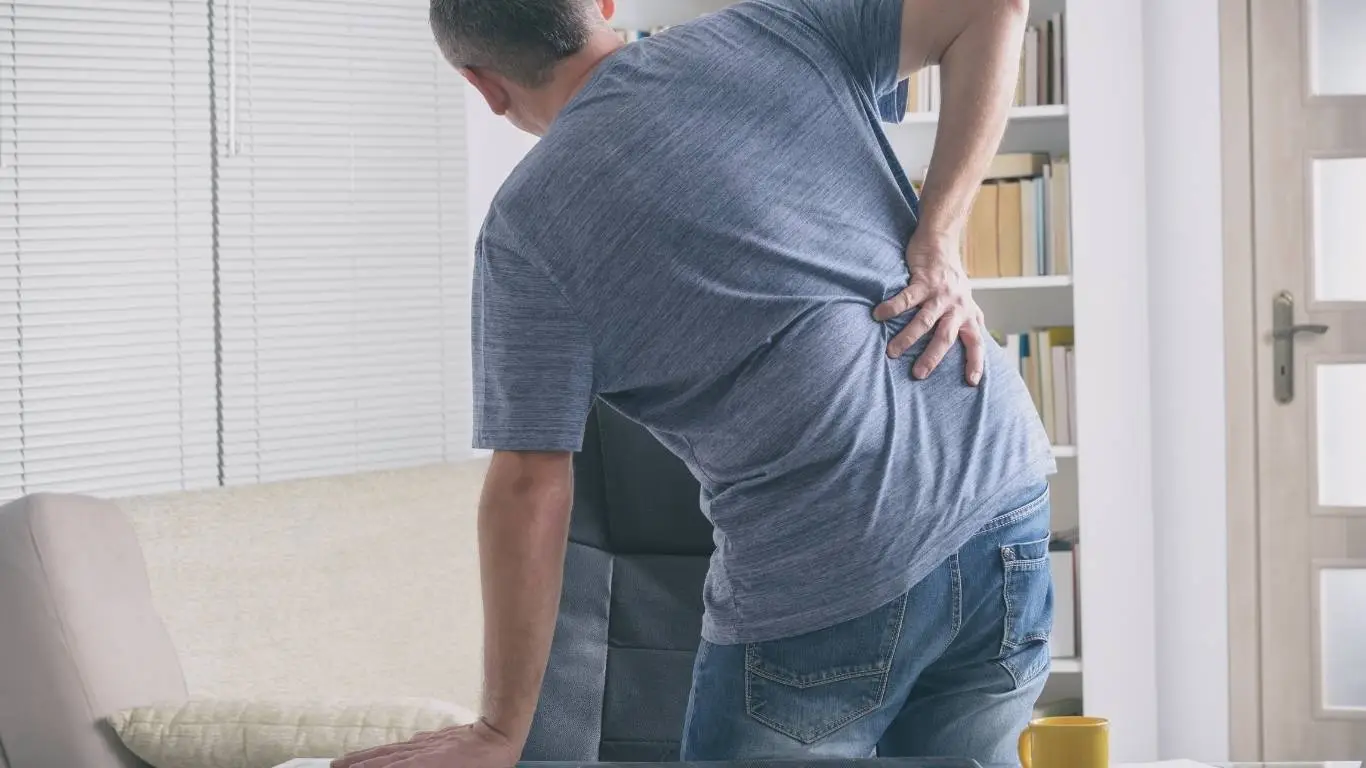
Here’s where personal experience hits home. I’ve dealt with lower back pain for years. It came and went—sometimes after a long drive, sometimes after sleeping funny, or working a desk job too long. But then came this episode: no lifting injury, no bad mattress, no recent sports mishap. Just this insistent, deep aching in my spine, like I’d been carrying an invisible backpack of bricks. It didn’t respond to the usual foam rolling, ergonomic chairs, or stretches.
Eventually, I got blood work done. Long story short: recent EBV reactivation. No one at first connected the dots, but after diving into articles like this one on back pain worsening at night and this breakdown of unexpected sharp back pain causes, I started wondering—what if this wasn’t just structural?
Turns out, I wasn’t alone. There are countless cases floating around support groups and in lesser-known medical reports that link viral reactivations with neuropathic or muscular back pain. It’s not mainstream—yet. But it might explain some of the so-called “mystery” back pain that doesn’t show up on MRIs or X-rays.
Signs That Your Back Pain Might Be EBV-Related

There are no guarantees, of course. But here are a few signs that might point toward an EBV-related cause for your back pain:
- You’ve had mono or EBV confirmed in the past
- Your back pain appeared alongside a recent virus or flare-up
- You feel extreme fatigue that doesn’t improve with rest
- You experience migrating pain—it moves from one spot to another
- Normal treatments (stretching, massage, chiropractic) don’t help much
- Other symptoms include brain fog, swollen glands, or muscle weakness
Of course, it’s still essential to rule out other causes. A herniated disc or degenerative issue is far more common. But if the usual suspects aren’t showing up, it might be worth considering a deeper dive into your immune health. You might also want to look at this full overview on back pain symptoms and diagnosis to guide your conversation with a healthcare provider.
Managing EBV-Linked Back Pain

Here’s the tricky part: you can’t cure EBV. But you can manage how your body reacts to it. A few helpful things that have personally made a difference:
- Anti-inflammatory diet: Less sugar, more omega-3s. Turmeric and ginger teas were surprisingly helpful.
- Stress reduction: It’s a trigger for reactivation. I used to roll my eyes at meditation, but now I swear by it. Just 10 minutes a day.
- Gentle movement: I shifted from heavy lifting to light yoga and walking, which eased the tension instead of making it worse.
- Supplements: Talk to your doctor, but I started vitamin D and magnesium during flare-ups, which helped reduce muscle tightness.
Many people also find relief using acupuncture or targeted massage therapy. Personally, I found massage useful when the pain was more muscular than nerve-based.
For a complete look at how lifestyle factors play a role in managing chronic conditions like this, check out this in-depth pillar article that dives into daily strategies, diet, and natural therapies. And if you’re just starting your research journey, don’t miss the broader main back pain resource with all the essential foundations.
When Back Pain From EBV Becomes Long-Term

Let’s be real—there’s a difference between a one-off virus and the kind of lingering back pain that creeps into your routine and just won’t quit. For me, what started as a few weird weeks turned into months of figuring out what my body needed. That’s the reality with EBV-related back pain—it often doesn’t follow the rules.
Once EBV reactivates, it can trigger cycles of inflammation, fatigue, and nerve irritation. These flare-ups may last longer and feel more intense with each recurrence, especially if you’re under chronic stress or not sleeping well. And when back pain becomes part of that cycle, it doesn’t feel like just a physical issue—it starts to affect how you move, work, and even socialize.
What I’ve come to learn—through both personal experience and digging into expert guidance—is that addressing chronic back pain linked to EBV is as much about protecting your nervous system as it is about treating your spine or muscles directly.
Symptoms That May Point to Post-Viral Syndrome
- Lingering back pain without a clear mechanical cause
- Discomfort that worsens with fatigue or stress
- Back pain combined with cognitive issues (“brain fog”)
- Post-exertional malaise—feeling wiped out after minor activity
- Increased sensitivity to pain or temperature changes
These aren’t your typical orthopedic complaints, which is why they often go misdiagnosed—or completely dismissed. If you’re nodding your head while reading that list, I can’t recommend this breakdown on mental and emotional components of back pain enough. It helped me reframe how I approached recovery when I realized this wasn’t “just in my head”—it was my whole system responding to inflammation and overload.
Therapies That Actually Helped

I tried a lot of things. Some worked. Some didn’t. But over time, I found a few therapies that actually made a noticeable difference—not just physically, but mentally too.
1. Somatic Movement and Gentle Stretching
I used to think stretching meant forcing muscles into flexibility. Nope. With EBV-related pain, it’s more about gentle, sustained movements that ease tension without triggering more inflammation. This piece on back pain stretches that actually work was a game-changer for me—especially first thing in the morning.
2. Lymphatic Drainage Massage
Unlike deep tissue, this is a much lighter massage technique aimed at supporting your immune system and reducing inflammation. It may sound woo-woo, but the science is growing, and for people dealing with viral triggers, it makes sense. EBV tends to involve lymph nodes, so it fits.
3. Nerve Flossing and Fascia Release
Sometimes the pain feels more nerve-based, especially in the lower back and glutes. I started using techniques from this nerve flossing guide and also did basic fascia release with a foam roller—not aggressively, just gently and consistently.
The Role of Nutrition and Supplements

This one took longer to figure out. It wasn’t about following a fad diet, but rather eating in a way that reduced systemic inflammation. For EBV-related issues, this often means cutting back on refined sugar and processed foods, and boosting your intake of foods high in antioxidants and omega-3s. I found this anti-inflammatory back pain guide incredibly helpful, especially the food swaps.
Supplements I used consistently during flare-ups:
- Magnesium glycinate: Helped ease muscle tension and improve sleep
- Vitamin D: Essential for immune modulation and inflammation control
- Omega-3s: From fish oil, to support brain and joint health
- Curcumin: Anti-inflammatory, particularly effective post-exertion
Again, always talk to a doctor, especially if you’re on medication. But these basics made a big difference for me—not overnight, but gradually, as part of a lifestyle change.
Stress Management for Long-Term Relief

I resisted this one for the longest time. “Stress management” always sounded like something people say when they don’t know what else to tell you. But here’s the truth—EBV reactivations are often triggered by chronic stress. If you ignore it, the cycle repeats.
What worked for me:
- Daily breathing exercises: Just five minutes of diaphragmatic breathing before bed made my pain noticeably less intense by morning.
- Mindfulness meditation: I followed short guided sessions like the ones suggested in this guide. It wasn’t about being perfect—it was about giving my nervous system a break.
- Journaling pain patterns: I used a simple tracker to monitor what days were worse and what helped. Turns out, my bad flare-ups often lined up with poor sleep and high workload.
Over time, these habits became just part of my routine—not because I had to, but because I started to notice the difference when I skipped them.
Other Causes Worth Ruling Out

One thing I’d suggest: don’t self-diagnose and stop there. Even if you suspect EBV is playing a role, it’s critical to rule out other causes—especially the red flag symptoms like unexplained weight loss, night sweats, or worsening neurological signs. Check out this helpful overview on red flags in back pain if you haven’t already.
Also, consider getting evaluated for other viral or autoimmune issues that can mimic EBV symptoms. I had to go through a few rounds of testing before my doctor confirmed it wasn’t Lyme disease or an autoimmune flare-up. Sometimes it’s a combination of factors.
Reclaiming Your Body and Routine

If you’re dealing with back pain that just doesn’t make sense—and you’ve had a recent viral illness or known history of Epstein-Barr—it’s absolutely worth looking into this link. Not as a way to catastrophize things, but to finally make sense of the full picture.
I wish I’d known sooner that I wasn’t alone, and that back pain doesn’t always have a visible “cause” on a scan. Sometimes it’s the immune system. Sometimes it’s a history of viral triggers. And sometimes it’s a body asking you to slow down, reset, and listen.
For a wider look into how conservative approaches, movement, diet, and healing therapies work together, bookmark this guide to conservative back pain treatments. It pulls together strategies that actually align with what your body might need if EBV’s behind the curtain.
And if you’re starting from scratch or want the big picture laid out clearly, here’s the main back pain resource hub—a great place to explore other root causes, solutions, and tools that’ll support your recovery, step by step.

Camellia Wulansari is a dedicated Medical Assistant at a local clinic and a passionate health writer at Healthusias.com. With years of hands-on experience in patient care and a deep interest in preventive medicine, she bridges the gap between clinical knowledge and accessible health information. Camellia specializes in writing about digestive health, chronic conditions like GERD and hypertension, respiratory issues, and autoimmune diseases, aiming to empower readers with practical, easy-to-understand insights. When she’s not assisting patients or writing, you’ll find her enjoying quiet mornings with coffee and a medical journal in hand—or jamming to her favorite metal band, Lamb of God.