Simple Hobbies That Quietly Help With Anxiety And Actually Feel Enjoyable
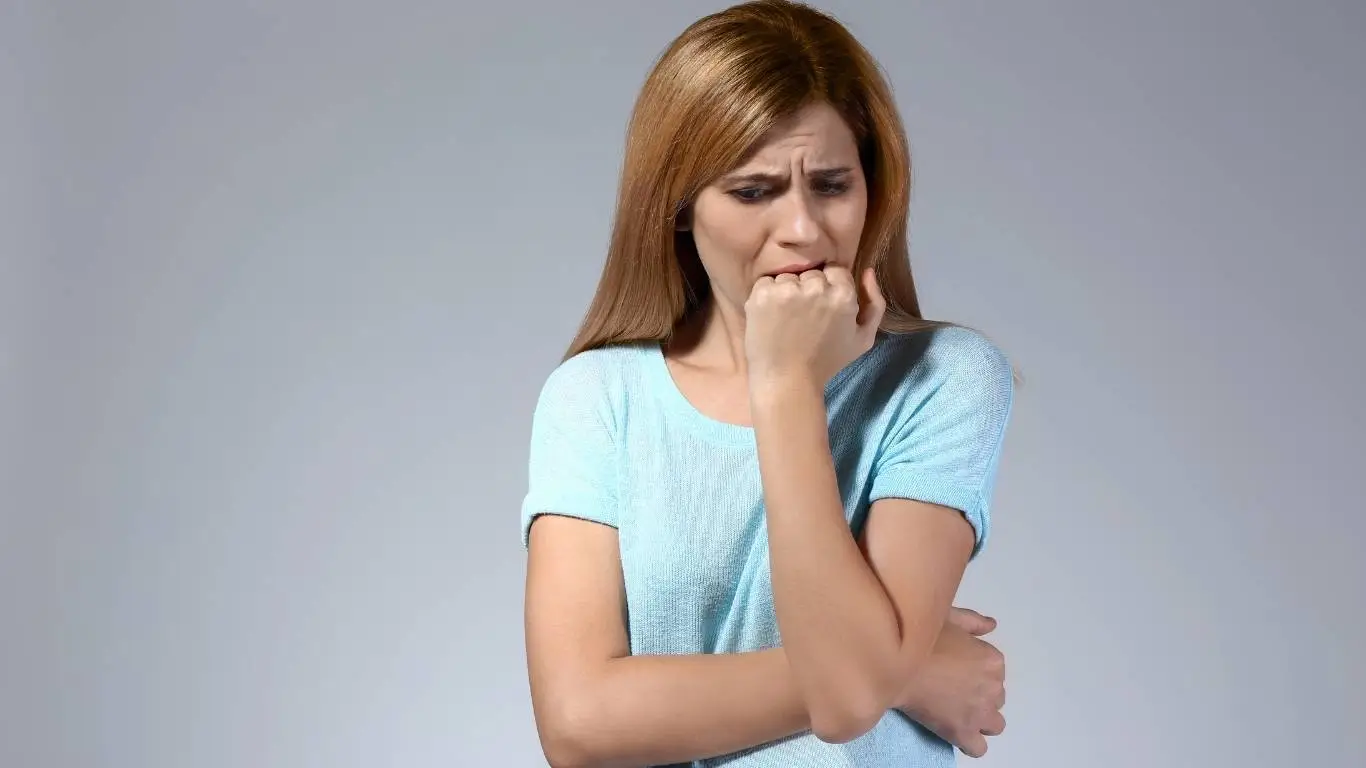
Feeling anxious lately? You’re definitely not alone. I’ve been through those days when my mind just wouldn’t shut off — constantly buzzing with “what ifs” and “did I forget something?” thoughts. It wasn’t until I stumbled upon a few hobbies (honestly, by accident) that things began to change. And no, I’m not talking about generic advice like “just meditate” or “go for a walk”. We’re diving into real, doable hobbies that can quietly work wonders for your anxiety — and trust me, they feel good, not forced.
Why Hobbies Are Game-Changers for Anxiety Relief

Most people think hobbies are just “spare-time fillers”, but if you’ve ever felt that sudden sense of calm while getting lost in an activity, you know there’s more to it. Engaging in hobbies isn’t just a way to pass time — it’s a natural and enjoyable method to redirect anxious energy.
- Hobbies keep your mind anchored in the present, pulling you away from anxious overthinking.
- They offer a safe outlet for emotional release (without feeling like “therapy”).
- Physical hobbies can burn off nervous energy, while creative ones soothe the mind.
There’s also a neuroscience-backed reason for this. According to research, engaging in enjoyable activities stimulates the brain’s reward system, releasing dopamine — a natural mood booster. And unlike scrolling social media, hobbies come without the emotional crash.
Best Hobbies to Relieve Anxiety Naturally (That I Swear By)
1. Journaling (But Make It Fun)
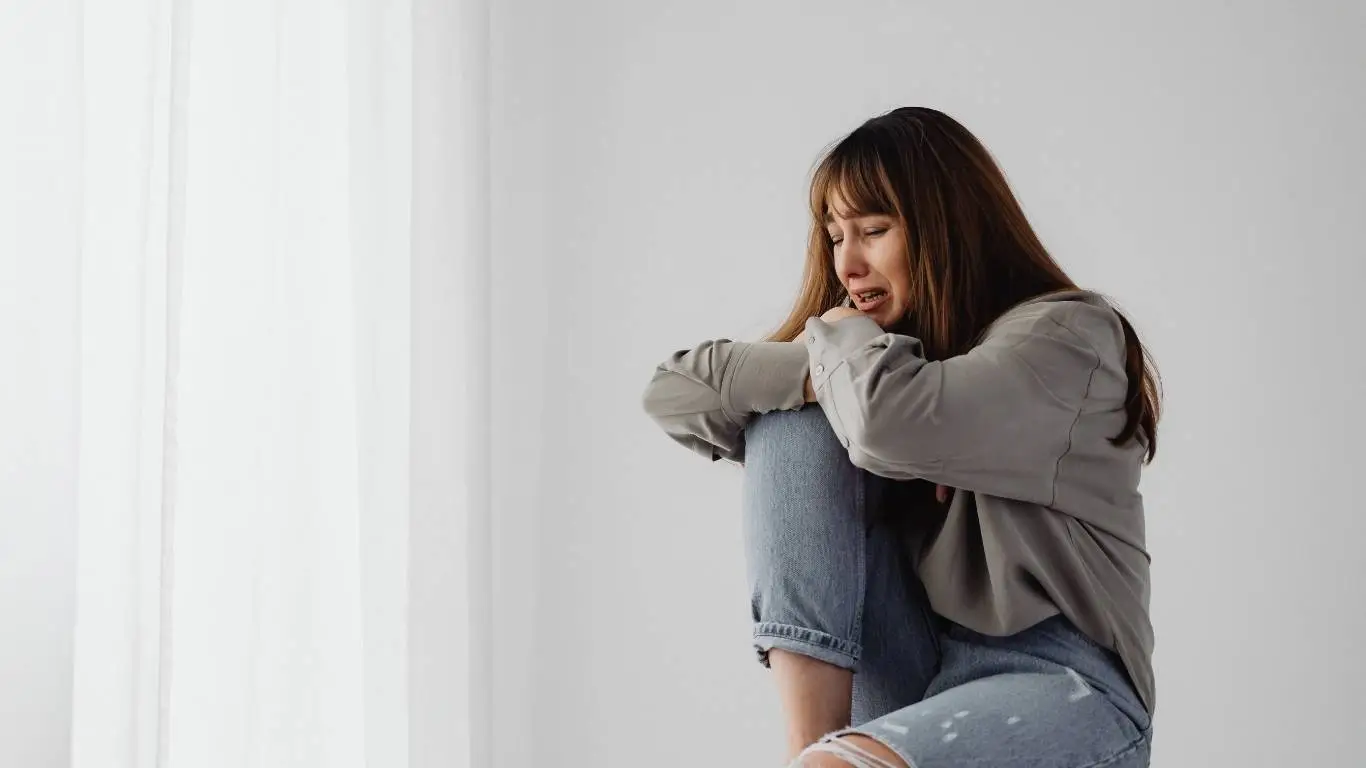
I used to roll my eyes when people said “just write it out”. But when I stopped treating journaling like a chore and started doing stream-of-consciousness dumps, it felt like unloading a mental backpack. No structure. No prompts. Just pure brain-dump sessions. If you’re curious, these prompts helped me on days when my mind felt extra cluttered.
2. Crafting & DIY Projects
There’s something oddly calming about repetitive hand movements — knitting, cross-stitch, or even simple DIY projects. The focus required to thread a needle or paint tiny models becomes a form of active meditation. Plus, you end up with a tangible creation (which feels like a little victory over anxiety).
3. Gardening (Even if You Kill Houseplants)
I was never a “green thumb” person. In fact, I’ve murdered more succulents than I care to admit. But growing a small herb garden — starting with just basil and mint — gave me a sense of calm connection. You literally see life growing under your care. And the repetitive, slow-paced tasks like watering or pruning are surprisingly grounding.
4. Puzzle Solving (Goodbye Overthinking Spirals)
Jigsaw puzzles, crosswords, or even brain teaser apps can work wonders. They force you to focus on the present challenge rather than future “what if” scenarios. And no, you don’t need to be a puzzle genius — I started with simple 100-piece sets and still found them soothing. For more cognitive tricks to ease mental spirals, I found this guide a game-changer in how I approach anxious thoughts.
The “Hidden” Mental Health Perks of Creative Hobbies
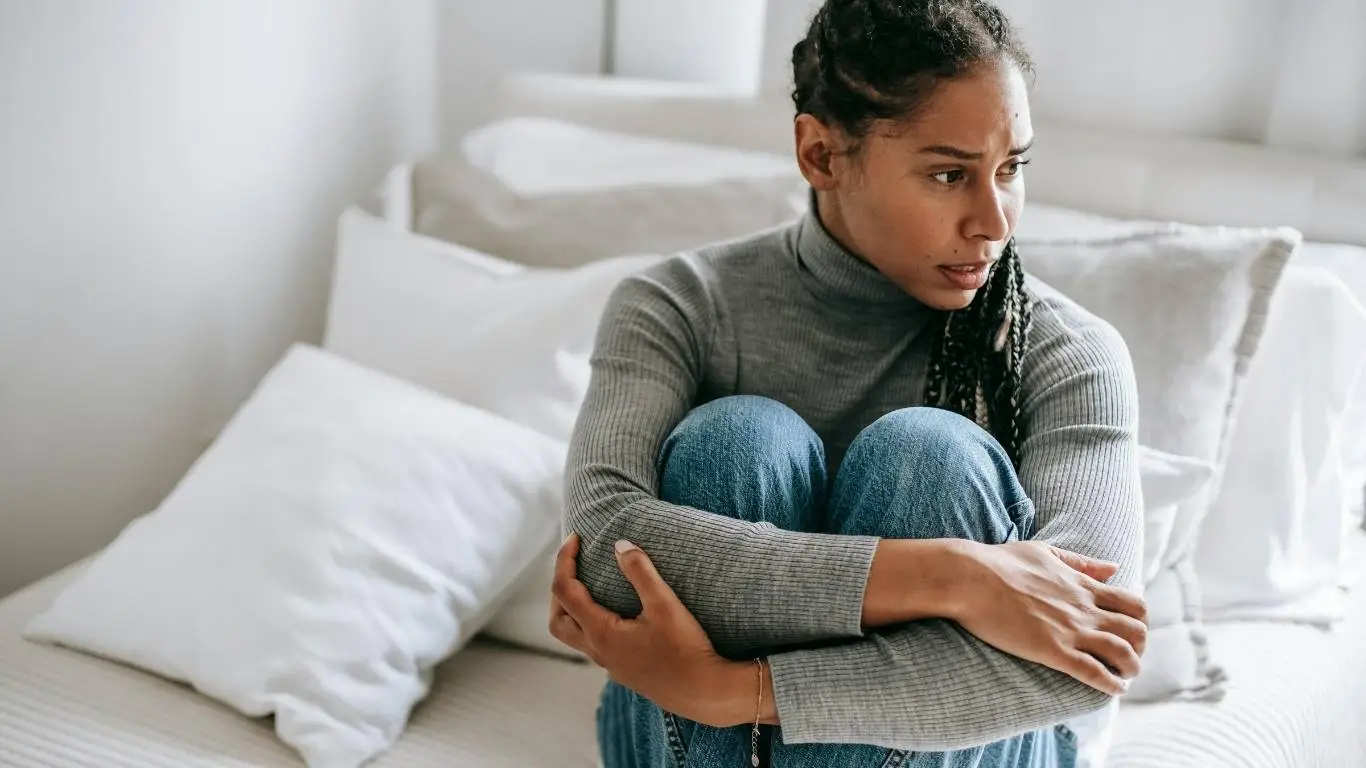
What’s wild is how underrated creative hobbies are in the mental health world. When I picked up watercolor painting, I wasn’t trying to “fix” my anxiety — I just wanted to splash some colors on paper. But that no-pressure creative outlet turned into a meditative practice. The slow, fluid brush strokes naturally slowed down my racing thoughts.
And it’s not just anecdotal — creative arts therapy has been shown to significantly reduce anxiety symptoms. There’s even a full article on art therapy benefits that explains why this works so well.
Quick List of Creative Hobbies to Try:
- Painting (Watercolors, Acrylics)
- Pottery or Clay Sculpting
- Calligraphy and Hand Lettering
- DIY Candle Making
- Scrapbooking or Digital Art
Physical Hobbies That Calm Your Body & Mind

Not a fan of traditional workouts? Neither am I. But gentle physical hobbies can offer that sweet spot — moving your body just enough to release tension without feeling like a forced exercise session. One of the best shifts for me was realizing that anxiety isn’t just a “mind problem” — it sits in the body too. That’s why things like yoga, tai chi, or even casual dancing can help flush out the jitters.
And if you’re still skeptical, you might find it interesting how yoga’s benefits for anxiety go beyond the physical — it’s about reconnecting with your breath, which often gets hijacked during anxious moments.
Physical Hobbies to Explore:
- Gentle Yoga Flows (Not the intense kind!)
- Leisurely Nature Walks
- Dancing to Your Favorite Playlists
- Light Gardening Tasks (Planting, Weeding)
- DIY Home Improvement Projects
Final Note: Building a Hobby Routine That Sticks
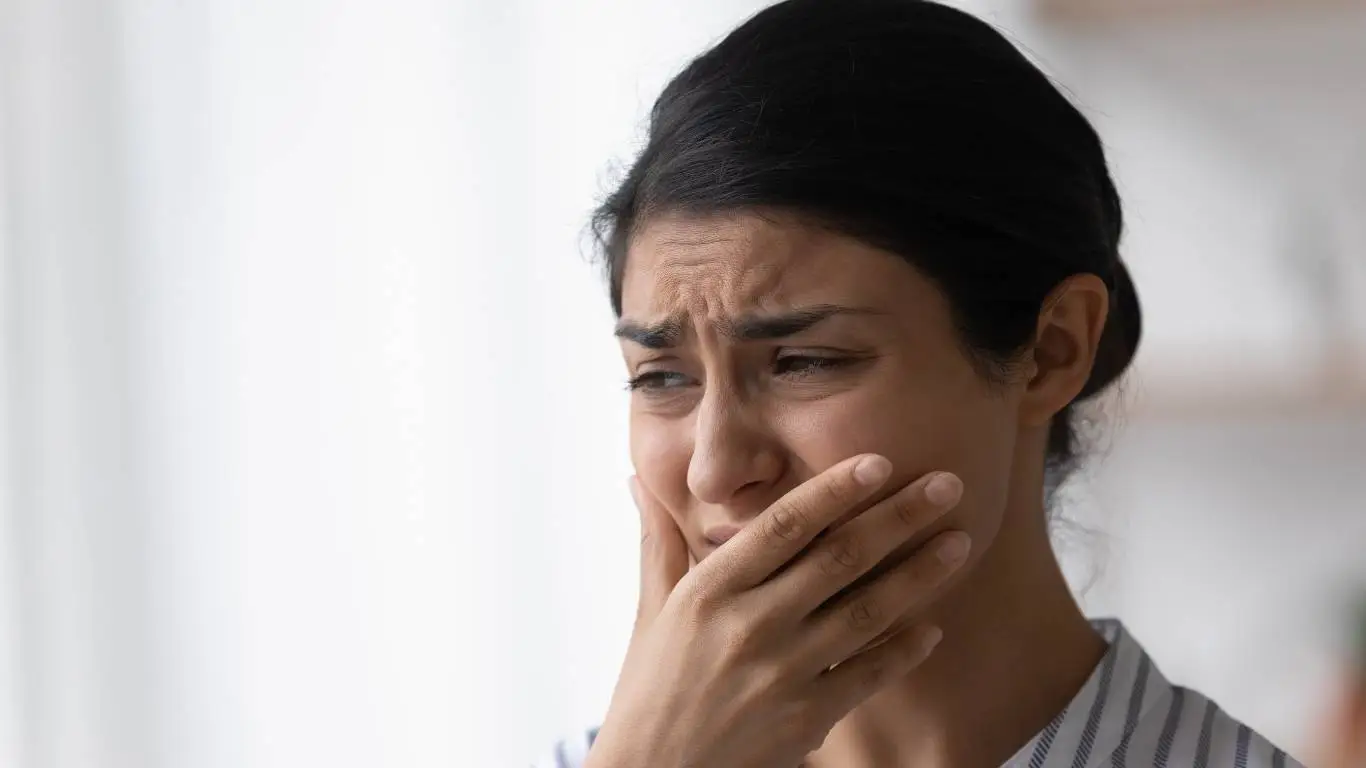
It’s easy to get excited about starting hobbies, but keeping them in your daily rhythm is where the magic happens. For me, it wasn’t about carving out an hour-long “hobby session” every day. It started with just 10-15 minutes in the evening — a little escape from the chaos of daily life. Over time, those small moments became my favorite parts of the day.
And if anxiety has been subtly controlling your daily life, you might find this in-depth guide incredibly eye-opening. Plus, if you want a structured approach to lifestyle strategies that genuinely help, this lifestyle & self-help article is gold.
Social & Group Hobbies: Quiet Anxiety-Busters You Didn’t Know You Needed

As someone who has dodged more social events than I can count (thanks, anxiety), joining group hobbies was the last thing I thought would help. But here’s the kicker — when you’re immersed in a shared activity, the pressure to “perform” socially melts away. You’re connecting over a mutual interest, not forced small talk. Whether it was a casual pottery class or a weekend gardening club, these interactions felt organic, not anxiety-inducing.
And it’s not just me. Group hobbies provide a sense of community and belonging, two things anxiety often tries to steal from us. I highly recommend checking out this article that dives deep into why support-focused activities can quietly shift your mental health.
Ideas for Social Hobbies That Feel Natural:
- Community Art Workshops
- Local Book Clubs (especially themed ones)
- Volunteer Gardening Groups
- Casual Cooking Meetups
- Photography Walks with Small Groups
Mindful Movement Hobbies for Overthinkers (A Game-Changer)

When overthinking becomes your full-time job (guilty!), hobbies that combine physical activity with mindfulness can be a total reset button. Things like tai chi, qigong, or even simple breathwork routines turn movement into meditation. You’re not just “exercising”; you’re syncing mind and body in a way that feels deeply grounding.
Breathing-focused exercises, for example, have been clinically shown to activate the parasympathetic nervous system — your body’s natural “calm switch”. I still use these breathing exercises on days when my mind is racing faster than my thoughts can handle.
Mindful Movement Hobby Ideas:
- Tai Chi or Qigong
- Guided Breathwork Sessions
- Gentle Flow Yoga
- Slow-Paced Nature Photography Walks
- Forest Bathing (Yes, it’s a thing — and it’s amazing!)
Nature-Infused Hobbies That Quietly Melt Away Anxiety

It’s almost cliché to say “spend time in nature,” but hear me out. The key isn’t just “being” in nature — it’s engaging with it through hobbies that anchor your attention. I found sketching landscapes or even just mindful birdwatching turned my outdoor walks into anxiety-melting rituals. There’s something about the simplicity of observing life around you that forces your mind to slow down.
For a deeper dive into how nature-oriented activities can recalibrate your anxiety, I found this resilience guide extremely insightful — it’s not just about calming down but strengthening mental flexibility.
Favorite Nature-Linked Hobbies:
- Nature Sketching or Watercoloring
- Birdwatching Journals
- Outdoor Meditation Spots
- Urban Foraging Walks
- Simple Stargazing Nights
The Power of “Micro-Hobbies” for Daily Anxiety Relief

One of the most underrated anxiety hacks I’ve discovered is keeping “micro-hobbies” at my fingertips. These are quick, no-setup-needed activities you can pick up during a stressful work break or while waiting for an appointment. For me, this looked like a small coloring book on my desk, a Rubik’s cube in my bag, or even a simple origami set in my drawer. Tiny pockets of calm — ready whenever life throws chaos your way.
It’s also a perfect strategy if you often experience anxiety spikes during daily routines. If you’re curious, this article on daily routine disruptions explains why these micro-hobbies can be surprisingly effective.
Quick Micro-Hobby Ideas:
- Coloring Mandala Patterns
- Mini Puzzle Sets
- Desk-Friendly Origami Kits
- Stress-Relief Fidget Gadgets
- Mindful Doodling with Pens
Why “Playfulness” is the Most Overlooked Anxiety Remedy

Remember when play was a natural part of life? Somewhere along the way, adulthood made us believe that playtime is “unproductive”. But injecting playfulness into your routine is one of the most effective (and fun) ways to outsmart anxiety. Whether it’s building LEGO sets, playing casual video games, or even silly activities like flying paper planes — it brings back a sense of lightness that anxiety often suffocates.
This shift in mindset is backed by experts too. Play activates brain areas associated with creativity, problem-solving, and emotional regulation. It’s the kind of mental reset you don’t even realize you need until you’re mid-play and suddenly… you’re smiling again.
Fun “Playful” Hobbies to Try:
- Building LEGO or Model Kits
- Casual Strategy Board Games
- Simple Mobile Puzzle Apps (Bejeweled, Sudoku)
- DIY Mini Golf at Home
- Creative Role-Playing Games with Friends
Making Hobbies a Daily Mental Health Ritual

The biggest mindset shift for me was realizing that hobbies aren’t “extras” — they’re non-negotiable mental health rituals. Instead of seeing them as luxury time-fillers, I started viewing them as necessary self-maintenance. It’s no different than brushing your teeth or taking a shower — hobbies keep your mind clean and refreshed.
Creating a habit loop helped: I tied hobbies to daily triggers like after-meal relaxation or post-work “unwind sessions”. If you struggle to stay consistent, I’d suggest glancing at this piece on anxiety lifestyle self-help strategies — it breaks down sustainable ways to build mental wellness habits.
Final Reflection: Hobbies as a Quiet Mental Health Revolution
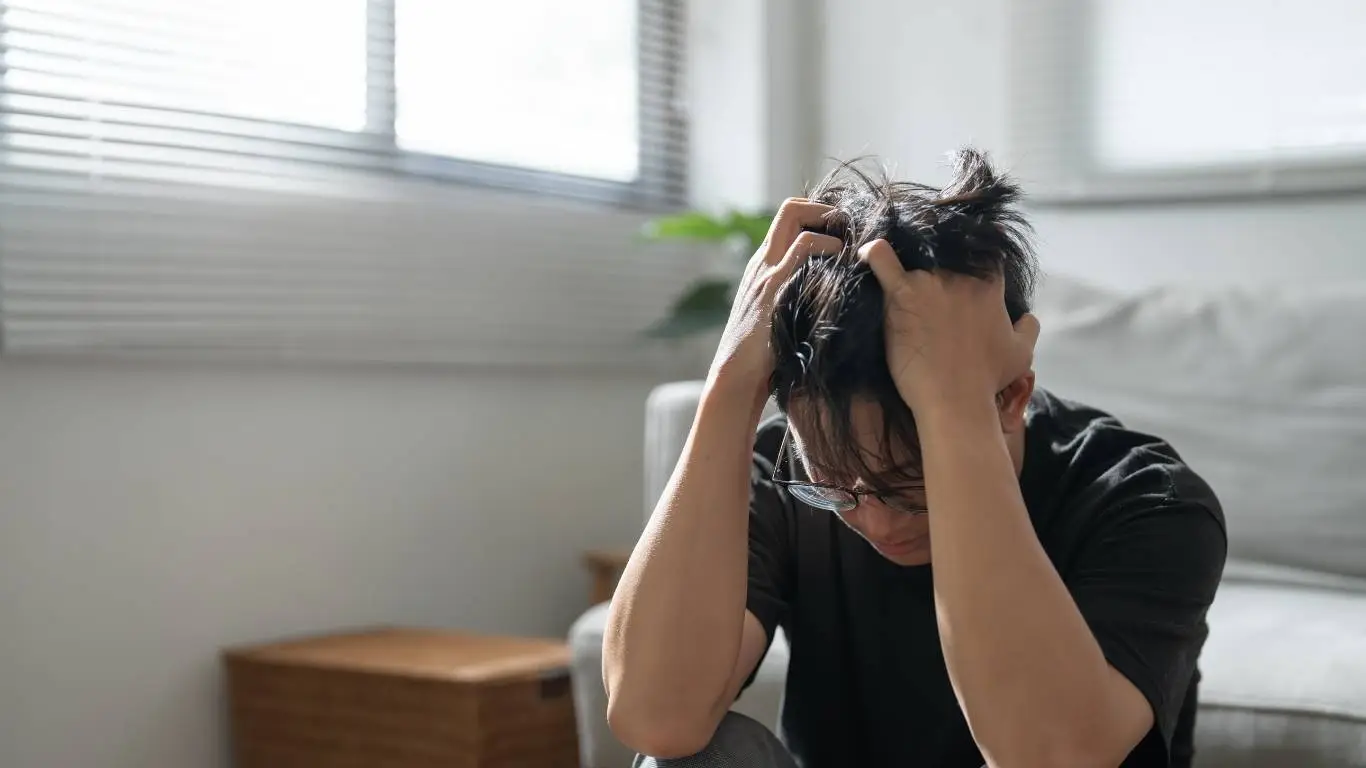
For years, I thought fixing my anxiety meant massive life changes or expensive treatments. But in reality, it was the quiet, consistent presence of hobbies that slowly rewired my anxious patterns. Every brushstroke, puzzle piece, or planted seed became a small rebellion against the constant buzz of overthinking.
If you’re navigating your own anxiety journey, starting with hobbies might feel “too simple” — but simplicity is exactly what makes it work. Small, enjoyable moments stack up, and before you know it, you’ve built a powerful, natural defense against anxiety’s grip.
And if you haven’t explored how anxiety subtly takes control of daily life, this comprehensive guide is a must-read — it will change how you see your own routines.

Camellia Wulansari is a dedicated Medical Assistant at a local clinic and a passionate health writer at Healthusias.com. With years of hands-on experience in patient care and a deep interest in preventive medicine, she bridges the gap between clinical knowledge and accessible health information. Camellia specializes in writing about digestive health, chronic conditions like GERD and hypertension, respiratory issues, and autoimmune diseases, aiming to empower readers with practical, easy-to-understand insights. When she’s not assisting patients or writing, you’ll find her enjoying quiet mornings with coffee and a medical journal in hand—or jamming to her favorite metal band, Lamb of God.