Why Floaters Noticed After Long Journaling At Night Feel Worse
Ever found yourself staring at a journal entry late at night, only to be distracted by those little floating specs in your vision? Yeah, I’ve been there too. It’s a strange mix of annoyance and worry, especially when you’re trying to pour your thoughts onto paper. Eye floaters after long journaling sessions at night are more common than you think, but why do they show up at the most inconvenient times?
What Are Eye Floaters and Why Do They Appear?
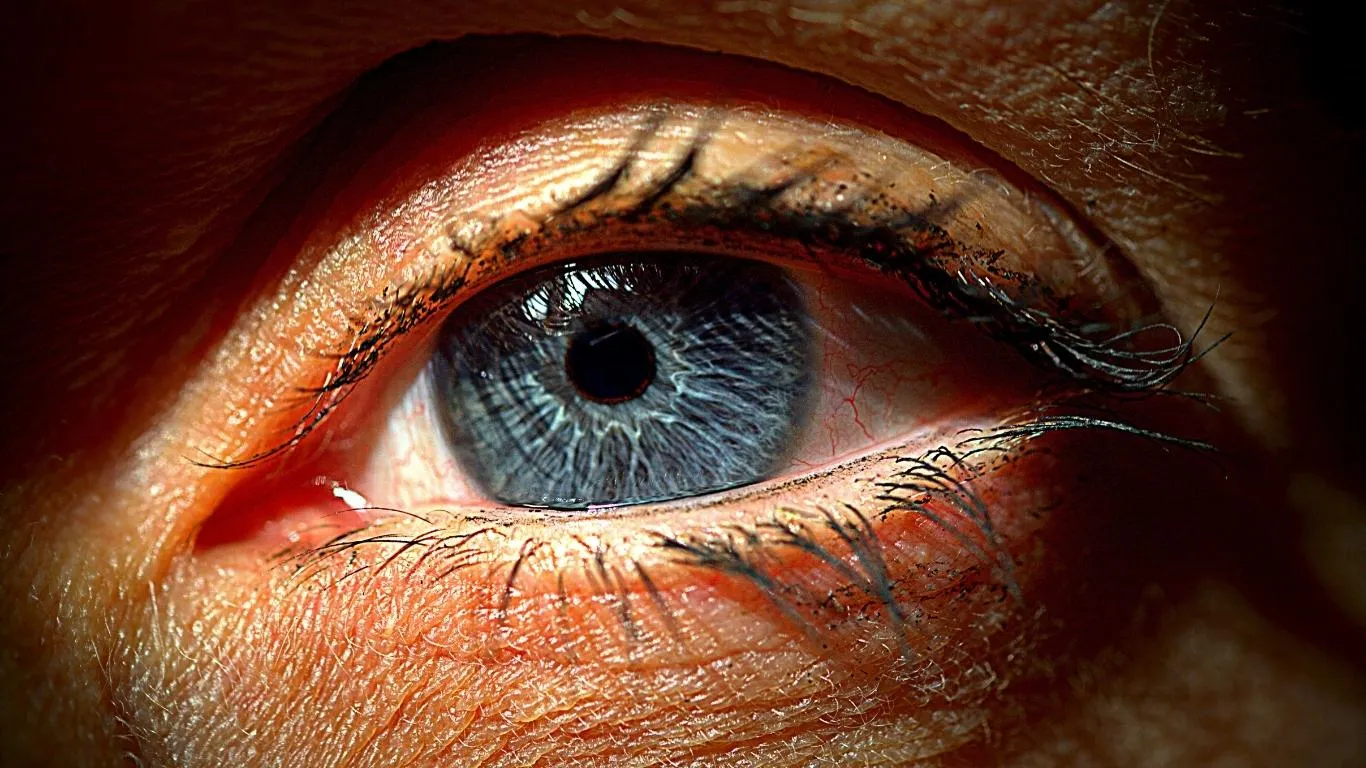
Eye floaters are those squiggly lines, dots, or cobweb-like shapes that drift across your field of vision. They might seem like a nuisance, but they’re often a harmless result of the natural aging process of your eyes. Basically, as the vitreous gel inside your eyes starts to liquefy and shrink, tiny clumps or strands can form and cast shadows on your retina, which is what you see as floaters.
Now, why do they feel more noticeable after a long night of journaling? Well, your eyes are working overtime, especially in dim lighting, focusing on the repetitive task of writing and shifting between paper and thought. That constant strain can make floaters stand out even more, especially when you’re staring at a blank white page.
How Late-Night Journaling Can Trigger or Worsen Floaters
1. Eye Fatigue and Overexertion
When you’re engrossed in writing for hours, particularly at night, your eyes don’t get a break. The muscles responsible for eye movement and focus become fatigued. This fatigue doesn’t cause floaters directly but makes existing ones much more visible. I noticed this myself when writing about my travel adventures late into the night; the more tired I got, the more floaters seemed to dance across my vision.
2. Poor Lighting Conditions
Journaling at night often means relying on a bedside lamp or dim room lighting. This contrast between bright paper and a dark room can amplify the visibility of floaters. Your pupils dilate in low light, allowing more light—and any vitreous floaters along with it—into your eye’s pathway. If you’re curious about how light exposure affects floaters, you can read more here.
3. Dry Eyes and Reduced Blinking
Ever noticed how you barely blink when you’re in deep concentration? I catch myself doing this when I’m trying to perfect a sentence or reflect deeply in my journal. Reduced blinking leads to dry eyes, making floaters more noticeable. The dryness causes the tear film to become uneven, which can distort vision and enhance the shadow effect floaters create.
The Link Between Mental Focus and Floaters
Deep mental focus, like the kind we engage in during nighttime journaling, can intensify your awareness of visual imperfections. You’re zoning into the paper, minimizing distractions, and suddenly, every tiny floater becomes a vivid obstruction. It’s not that more floaters are forming at that moment, but your heightened visual awareness makes them stand out. Learn why floaters seem worse when you’re fully mentally engaged in this article.
Concentration and Visual Hyper-Awareness
It’s a bit ironic, but the more you try to ignore floaters, the more prominent they become. During concentrated tasks, like reflecting on your day in a journal, you’re subconsciously scanning for visual disturbances. This phenomenon is closely related to why floaters are often more noticeable when looking at a bright surface, like a white journal page.
Hydration and Its Role in Nighttime Floater Visibility
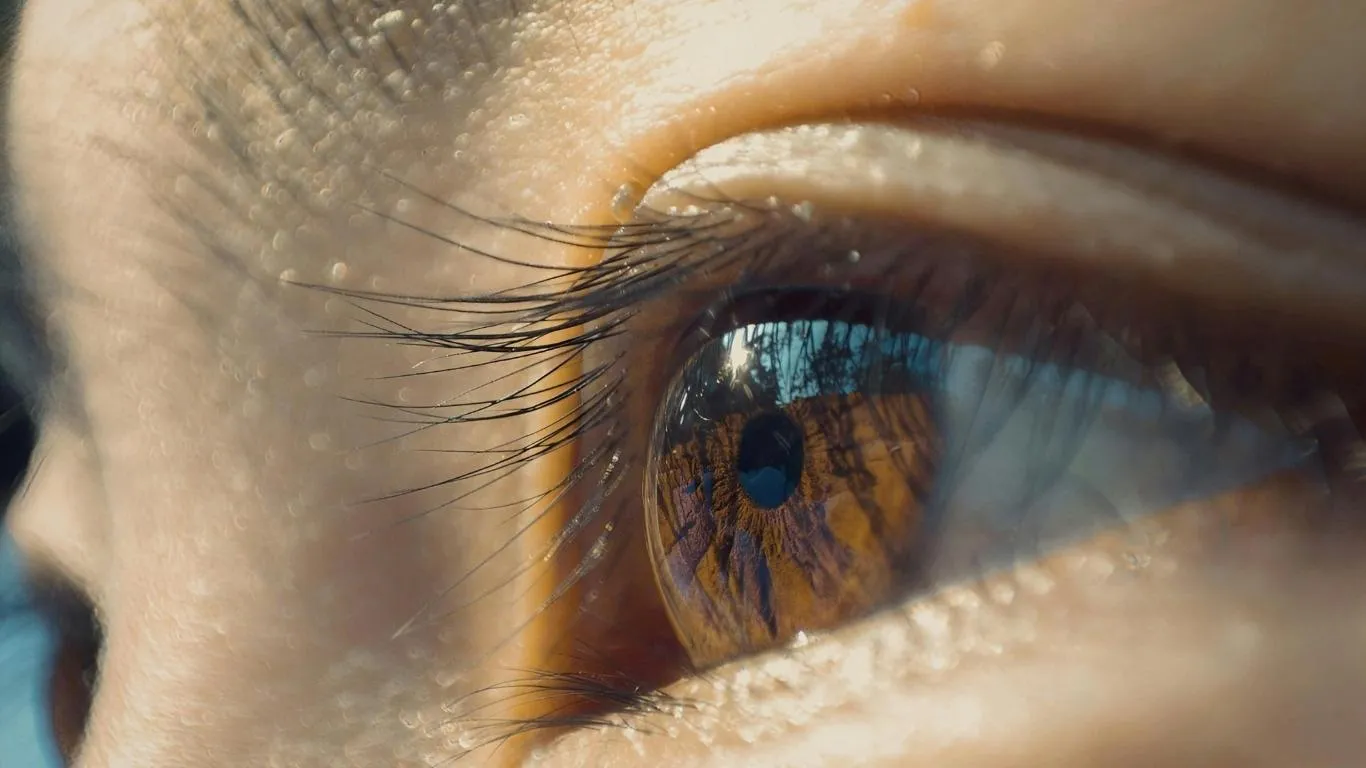
It might sound overly simple, but dehydration plays a significant role in the prominence of floaters. After a long day, especially if you haven’t been mindful of your water intake, your vitreous gel can become less hydrated and more prone to shrinkage. This can make floaters more mobile and noticeable when you finally sit down to write at night. If you’re experiencing worsened floaters from dehydration, this resource might help.
Are Floaters After Journaling at Night a Sign of Something Serious?
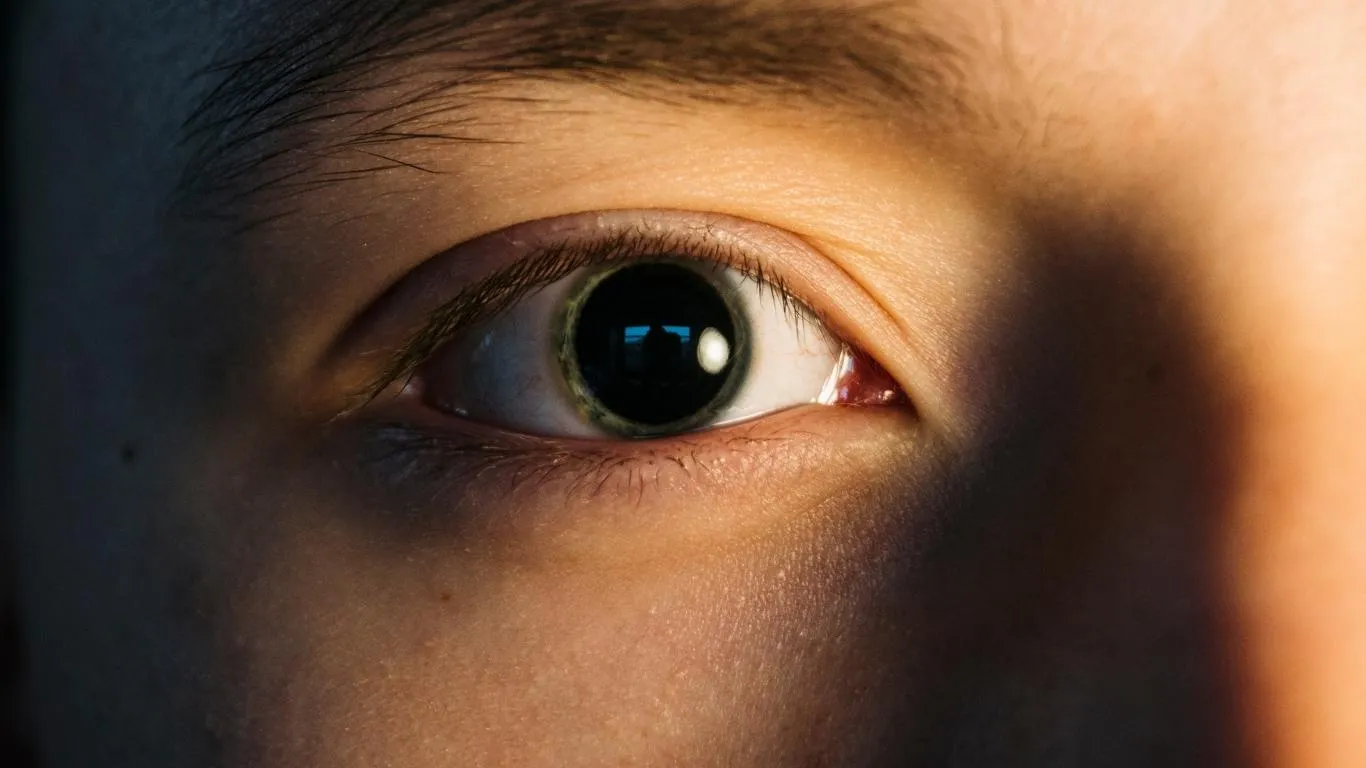
Most of the time, floaters are harmless. However, if you notice a sudden increase in floaters, flashes of light, or a shadow in your peripheral vision, it’s crucial to consult an eye specialist immediately. These could be signs of retinal detachment, which needs prompt attention. For more about differentiating floaters from other serious eye issues, check out this detailed guide on Eye Floaters vs Other Eye Problems.
If you’re looking for an all-encompassing overview of floaters, their causes, and when they might indicate something more serious, you should definitely read our main pillar article on Eye Floaters: Causes, Symptoms, and Treatment Options.
Simple Techniques to Reduce Floaters During Night Journaling
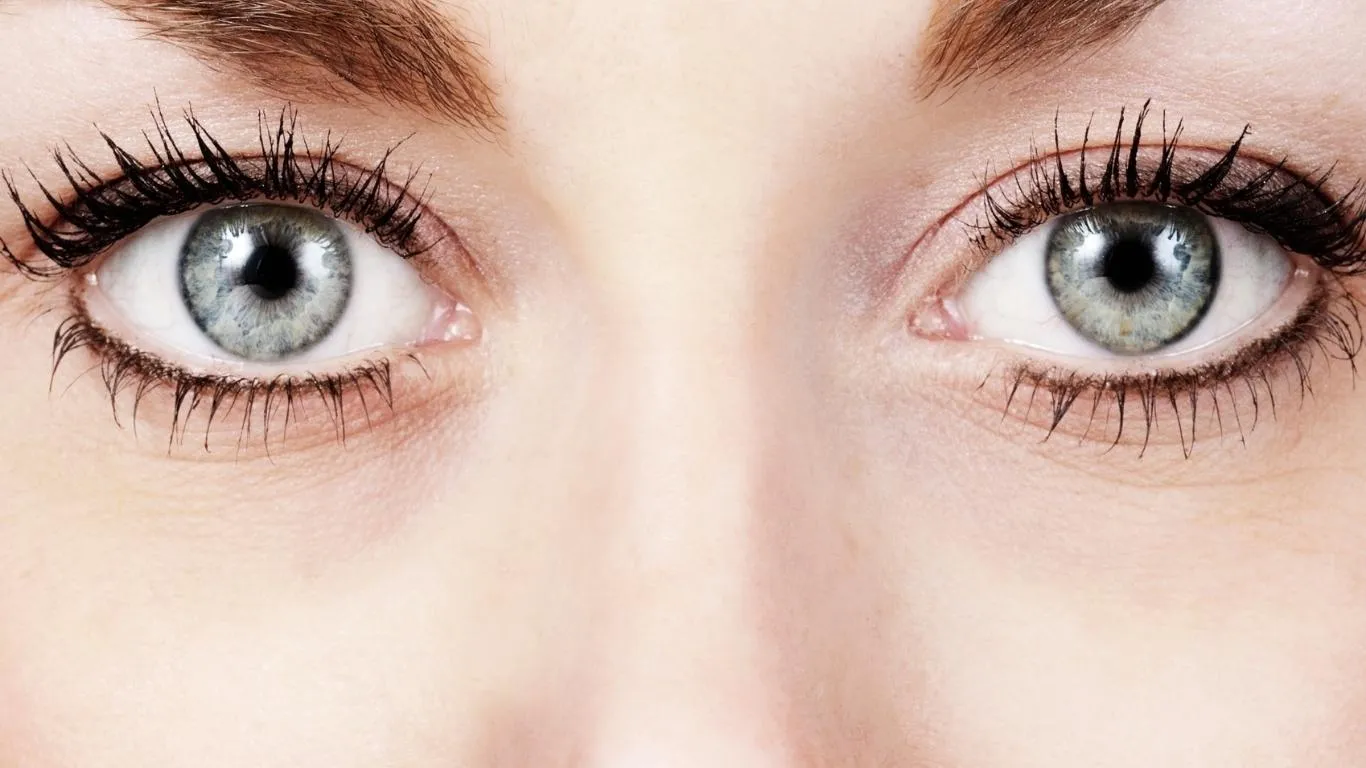
If floaters have been bugging you during your late-night writing sessions, don’t worry — I’ve tried a few tricks that can really help. Sometimes, it’s about small adjustments that make a big difference. Here’s what worked for me:
- Upgrade Your Lighting: Avoid dim yellow lamps. Instead, go for soft white LED lights that mimic daylight. This reduces pupil dilation and makes floaters less visible.
- Take Micro-Breaks: Every 10-15 minutes, look up and focus on something across the room. It’s a simple habit that keeps eye strain in check.
- Keep a Water Bottle Nearby: Staying hydrated isn’t just good advice — it directly affects the vitreous clarity in your eyes. I never journal without sipping water now.
For more tips on how light conditions affect floater visibility, this article explains it beautifully: Bright Lights and Eye Floaters.
Do Eye Exercises Really Help Reduce Floaters?
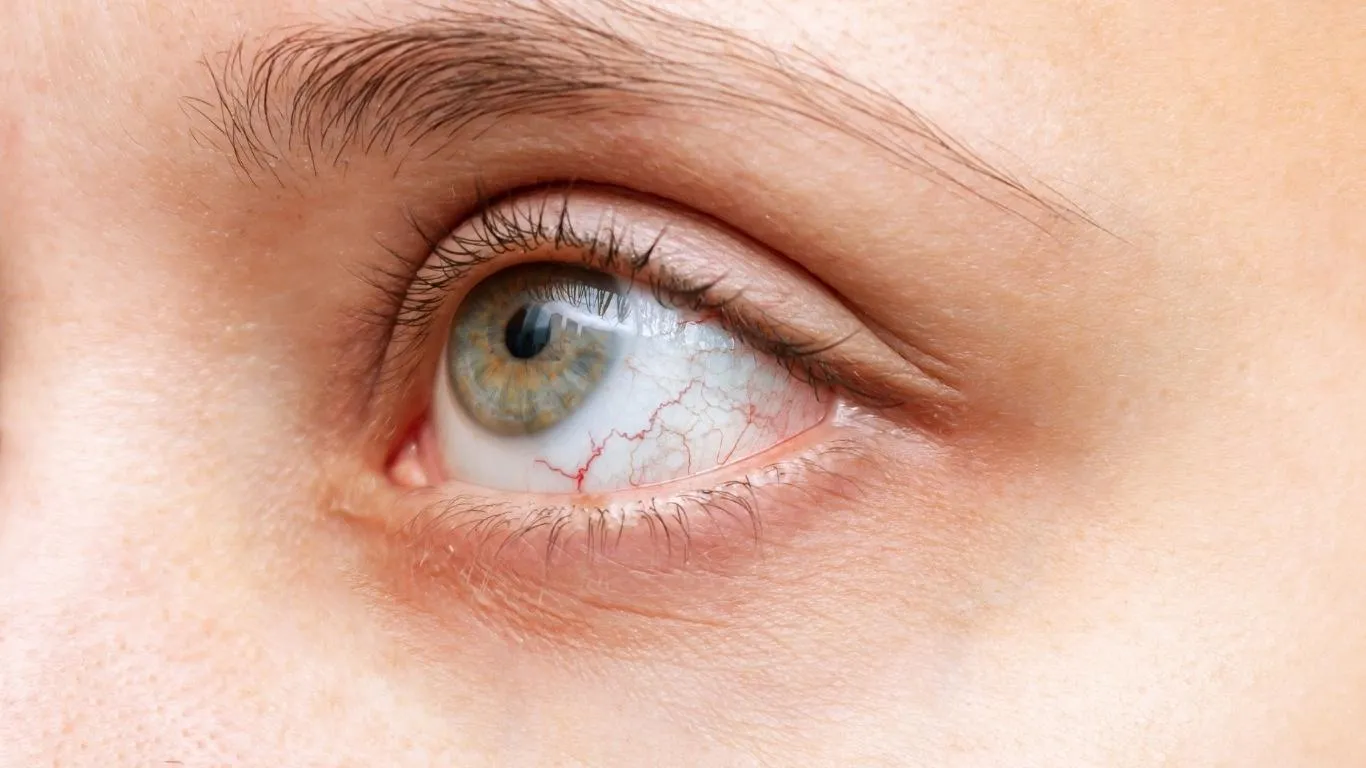
I used to think eye exercises were just a gimmick, but after consistently trying a few gentle techniques, I noticed a real difference. No, they won’t magically dissolve floaters, but they can help shift them out of your central vision.
- Eye Rolling: Slowly roll your eyes clockwise and counterclockwise to help move floaters away from your line of sight.
- Palming Technique: Rub your palms together and gently cover your eyes for 30 seconds. This relaxes eye muscles and reduces strain.
These exercises are simple, but they make nighttime writing sessions far less annoying. If you’re curious about a more structured routine, check out these eye exercises for floaters.
When Floaters Signal an Underlying Problem
Most floaters are benign, but it’s essential to stay informed. Here’s when you should be on alert:
- Sudden Surge in Floaters: If you notice a rapid increase in floaters, especially alongside flashes of light, it could be a sign of retinal detachment.
- Peripheral Shadows: A curtain-like shadow creeping into your peripheral vision isn’t normal and should be examined immediately.
One of the most informative reads I found on this topic is about distinguishing harmless floaters from dangerous symptoms, which you can explore right here.
Natural Supplements and Diet Tweaks That May Help
While there’s no miracle pill to get rid of floaters, certain nutrients can support overall eye health. I’ve personally added these to my daily routine and felt improvements in visual comfort:
- Lutein and Zeaxanthin: Found in leafy greens like spinach and kale, they help protect the retina from oxidative stress.
- Omega-3 Fatty Acids: A staple in my breakfast smoothies now, these are known to support vitreous structure integrity.
- Vitamin C: Keeps the collagen in the vitreous healthy, potentially slowing down floater formation.
More on the best supplements for floater-prone eyes is detailed in this helpful article: Supplements for Floaters.
Could Stress and Journaling Emotions Trigger More Floaters?
This one hit home for me. Journaling isn’t just a mechanical task; it’s emotional. When you’re writing about heavy topics—stress, anxiety, or deep reflections—your body responds physically. Stress-induced cortisol spikes can cause changes in eye pressure and exacerbate the appearance of floaters. I’ve found that balancing journaling with mindfulness breathing exercises can help mitigate this effect.
If you’ve ever noticed floaters getting worse during moments of emotional tension, this article explains why: Stress-Induced Eye Floaters.
Is Night Journaling to Blame or Just a Trigger?
Let’s be clear — journaling itself doesn’t cause floaters. It’s the circumstances surrounding it: prolonged focus, low lighting, eye dryness, and sometimes, stress. But by making small changes to your journaling environment and habits, you can minimize their intrusiveness.
If you’re looking for a comprehensive guide on how to identify floater symptoms that shouldn’t be ignored, here’s an excellent resource on Recognizing Eye Floater Symptoms.
For a deeper dive into floaters from causes to treatment, don’t miss our foundational guide on Eye Floaters: Causes, Symptoms, and Treatment Options.

Camellia Wulansari is a dedicated Medical Assistant at a local clinic and a passionate health writer at Healthusias.com. With years of hands-on experience in patient care and a deep interest in preventive medicine, she bridges the gap between clinical knowledge and accessible health information. Camellia specializes in writing about digestive health, chronic conditions like GERD and hypertension, respiratory issues, and autoimmune diseases, aiming to empower readers with practical, easy-to-understand insights. When she’s not assisting patients or writing, you’ll find her enjoying quiet mornings with coffee and a medical journal in hand—or jamming to her favorite metal band, Lamb of God.