Why Floaters Become More Frequent After Heavy Meals
Ever noticed those annoying little specs or squiggly lines drifting across your vision, especially after a heavy meal? Trust me, you’re not alone. I’ve had moments where I’m sitting at the table, enjoying a hearty lunch, and suddenly, floaters start parading across my line of sight like uninvited guests. It turns out, there’s more to these post-meal floaters than meets the eye (pun intended). Let’s dig into why floaters can become more noticeable after eating, and what it could mean for your eye health.
Why Do Floaters Appear More Frequently After Heavy Meals?
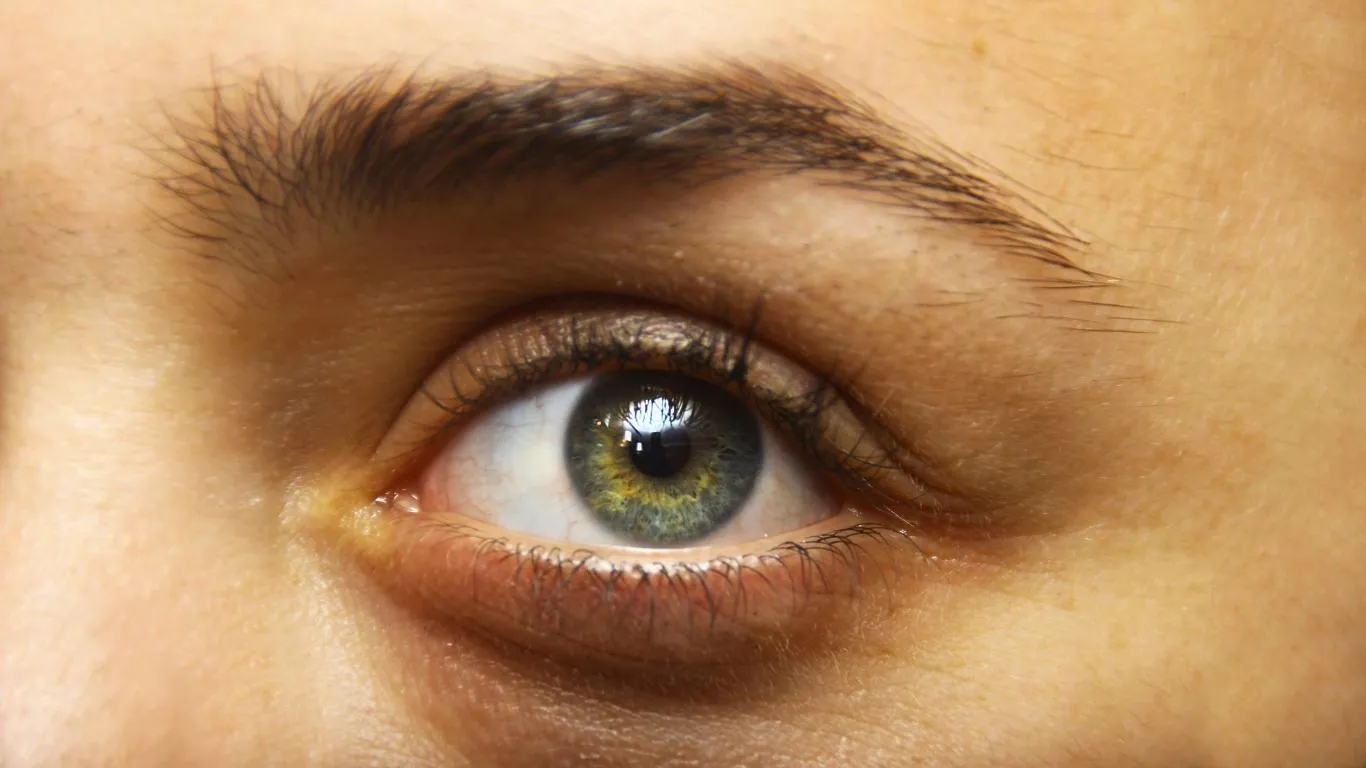
Floaters are tiny bits of debris or collagen fibers suspended in the vitreous gel inside your eyes. When you eat a large meal, especially one loaded with carbs, sugars, and fats, your body undergoes a temporary metabolic shift that can influence your ocular circulation. For some, this results in floaters becoming more pronounced or frequent right after eating.
Blood Sugar Spikes and Ocular Disturbances
One of the primary culprits behind post-meal floaters is the sudden spike in blood sugar levels. Consuming a heavy or high-glycemic meal causes a rapid rise in glucose, which can lead to temporary changes in the vitreous gel’s consistency and even alter how light passes through the eye. This phenomenon makes existing floaters more visible.
- High-carb meals: Pasta, white bread, sugary drinks — these are known for causing blood sugar surges.
- Fat-rich dishes: Heavy, greasy foods can slow down digestion, prolonging these visual disturbances.
It’s not uncommon to mistake these floaters for temporary visual “clutter” after meals, but if they persist, it could indicate underlying concerns such as diabetic-related vitreous changes.
Digestive Strain and Eye Pressure
Large meals place a significant strain on the digestive system. Interestingly, this digestive load can momentarily increase intra-abdominal pressure, which in turn, might affect ocular blood flow and even intraocular pressure (IOP). While not a direct cause of floaters, this shift can make existing floaters drift into your field of vision more aggressively post-meal.
In some cases, individuals with a predisposition to hypertension-related eye issues may notice their floaters becoming more persistent after eating large quantities of food. The circulatory changes can aggravate vitreous detachment symptoms or even hint at more serious conditions like posterior vitreous detachment (PVD).
Could Poor Hydration During Meals Make Floaters Worse?
We often underestimate the role of hydration when it comes to eye health. When you indulge in a large meal and skip proper fluid intake, dehydration can subtly change the viscosity of the vitreous gel. A slightly more viscous vitreous means floaters tend to float “slower” and stay in your line of sight longer.
There were countless times I thought the culprit was my screen time, but it was as simple as forgetting to drink water during a meal. A common oversight, but one that could exacerbate the presence of floaters right after eating. Interestingly, this is also linked to why dehydration-induced floaters are a growing concern for many people who experience floaters more intensely during or after meals.
The Water-Floaters Connection
- Low water intake = thicker vitreous gel: Leads to floaters lingering longer in the visual field.
- High-sodium meals: Foods like ramen, processed snacks, or take-out meals cause fluid retention in the body, but ironically dehydrate the eye structures.
This dehydration effect is subtle but impactful, especially when combined with heavy meals, which are typically salt-laden. Maintaining proper hydration isn’t just about drinking water after meals but sipping consistently throughout the day.
Are Floaters After Eating a Warning Sign of Underlying Conditions?
In most cases, floaters appearing more frequently after a heavy meal are benign. However, if you’re noticing a sudden onset of floaters, or they’re accompanied by light flashes or partial vision loss, it might be time to dig deeper.
Conditions such as retinal detachment or tears can sometimes present themselves subtly, with floaters appearing sporadically after physical or metabolic stressors like eating large meals. Additionally, individuals recovering from cataract surgeries or those with vitreous syneresis (age-related vitreous liquefaction) may see floaters worsen after eating.
I had a scare once when my floaters seemed to double after a family BBQ feast. Thankfully, it was a temporary flare-up, but my optometrist highlighted the importance of paying attention to these patterns, especially if they occur frequently after meals. For those interested in a comprehensive guide on the causes, symptoms, and treatment options, this main pillar article covers everything you need to know.
When Should You Be Concerned?
- Sudden shower of new floaters after a meal
- Floaters accompanied by light flashes or “curtain” vision
- Persistent floaters that worsen over days, not just minutes
Floaters becoming more noticeable after meals might seem like a trivial thing, but it’s your body’s subtle way of telling you to pay attention to your ocular health. If you’re curious about how to differentiate floaters from other eye conditions, here’s a helpful resource on eye floaters vs. other eye issues that might clear up the confusion.
Does Post-Meal Inflammation Play a Role in Making Floaters Worse?
Let’s talk about inflammation — that sneaky underlying factor that affects everything from joint pain to, you guessed it, your eyes. After consuming a heavy meal, especially one rich in processed foods, sugars, and trans fats, your body can experience a spike in systemic inflammation. This isn’t just about feeling sluggish post-lunch; it can temporarily alter how your eye tissues behave, making floaters more noticeable.
I first noticed this after a weekend pizza binge (no regrets, but my eyes had other plans). My floaters seemed more vivid and persistent. It wasn’t until I learned how inflammatory responses could subtly impact vitreous clarity that things started making sense. This post-meal inflammatory reaction can affect the collagen fibers within the vitreous humor, slightly disturbing their alignment and making floaters “stand out” more in your visual field.
Pro-Inflammatory Foods That Could Worsen Floaters
- Refined sugars: Found in desserts, candies, and sugary drinks
- Processed meats: Bacon, sausages, and deli meats
- Trans fats: Common in fried foods and commercial baked goods
If you’re someone who notices floaters becoming more frequent after these indulgences, it might be worth examining your diet’s inflammatory load. There’s a growing conversation around how poor nutrition habits could lead to ocular disturbances — more on that here.
Eye Strain and Screen Time Right After Meals: A Floater Amplifier?
Ever felt tempted to scroll through your phone or jump back to work emails immediately after a meal? I’m guilty of it, too. But here’s the thing — combining post-meal blood sugar fluctuations with immediate screen time can exaggerate the appearance of floaters. This is because visual fatigue amplifies light scatter within the eye, making those floaters more visually intrusive.
In fact, there’s increasing evidence that prolonged screen exposure might worsen floater perception, especially in those sensitive to ocular changes after metabolic shifts. A recent article dives deeper into this overlooked connection.
Simple Ways to Reduce Floater Intensity Post-Meal Screen Time
- Follow the 20-20-20 rule: Every 20 minutes, look 20 feet away for 20 seconds.
- Avoid bright white backgrounds — opt for dark mode on devices when possible.
- Ensure you’re not sitting under harsh overhead lighting post-meal.
These small tweaks can help reduce visual strain, making floaters less intrusive when you’re working or browsing right after eating.
Heavy Meals, Vitreous Syneresis, and the Age Factor
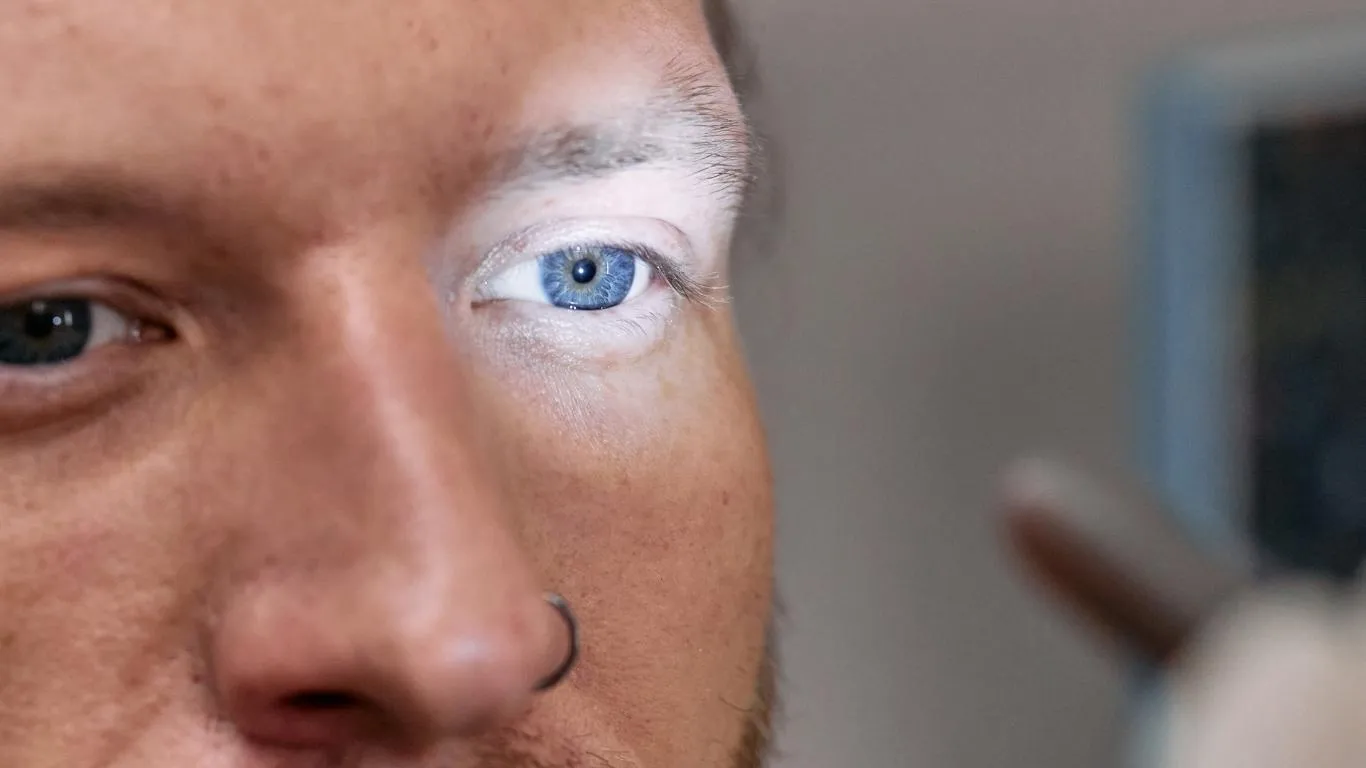
As we age, the vitreous gel in our eyes naturally starts to liquefy — a process called vitreous syneresis. While this is a normal part of aging, certain triggers, like dietary habits and lifestyle factors, can accelerate how noticeable floaters become.
One of the things I learned (the hard way) is that those of us approaching our 40s or beyond may find that large, heavy meals combined with poor hydration, screen time, and stress could exacerbate floaters. This isn’t because the meal is “creating” new floaters but because the existing vitreous degradation becomes more pronounced in stressful metabolic conditions.
For those navigating this stage of life, this comprehensive guide on why floaters are common in older adults is a must-read.
Age-Related Factors That Magnify Floaters Post-Meal
- Thinning vitreous gel, making debris more mobile
- Slower ocular fluid circulation after heavy meals
- Natural decline in collagen integrity within the eye
Are There Simple Dietary Adjustments to Reduce Post-Meal Floater Annoyance?
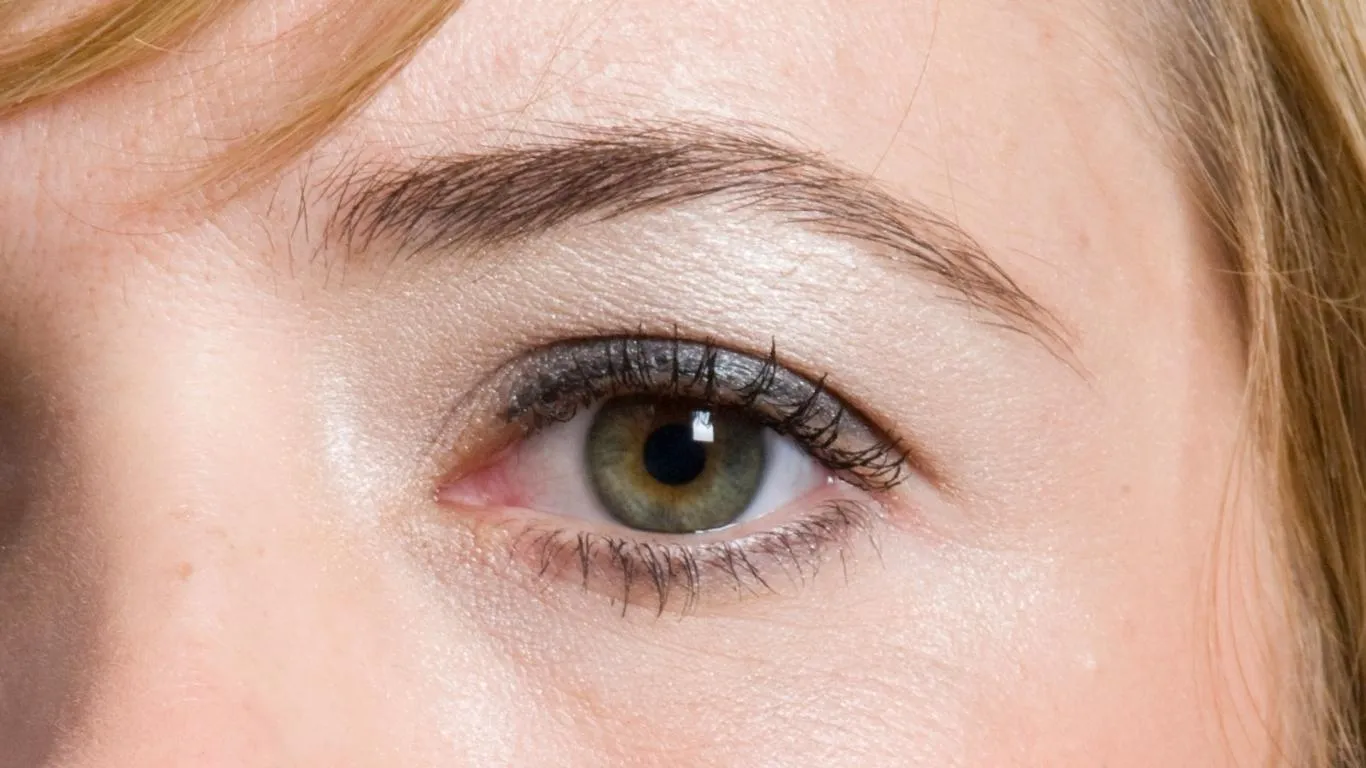
Absolutely. While floaters themselves aren’t entirely preventable, certain dietary choices can minimize their prominence after meals. From personal experience, shifting to lighter meals during the day and saving heavier dishes for dinner (when screen time is minimal) has helped reduce floater interference. But there’s more:
Eye-Friendly Nutrients to Focus On
- Omega-3 fatty acids: Found in fatty fish like salmon and sardines, these help maintain vitreous health.
- Lutein and Zeaxanthin: Leafy greens like spinach and kale are packed with these vision-supporting antioxidants.
- Vitamin C: Helps in collagen formation which supports vitreous clarity.
For a deeper dive into how diet affects floaters and practical tips, I recommend checking out this resource on diet changes to improve floaters.
When to See a Specialist: It’s Not Always Just the Meal

While occasional floaters post-meal are often benign, frequent or sudden appearances—especially if accompanied by flashes of light or peripheral vision loss—shouldn’t be brushed off. It might be indicative of a retinal tear, vitreous hemorrhage, or other underlying ocular issues. If you’ve had episodes of floaters getting significantly worse after heavy meals, don’t self-diagnose.
Start by consulting an eye care professional who can perform a thorough retinal examination. They’ll help rule out serious conditions and guide you on whether lifestyle modifications or medical interventions are necessary.
For an in-depth look at available treatment options, from observation to advanced surgical procedures, this guide on eye floater treatments covers it all in detail.

Camellia Wulansari is a dedicated Medical Assistant at a local clinic and a passionate health writer at Healthusias.com. With years of hands-on experience in patient care and a deep interest in preventive medicine, she bridges the gap between clinical knowledge and accessible health information. Camellia specializes in writing about digestive health, chronic conditions like GERD and hypertension, respiratory issues, and autoimmune diseases, aiming to empower readers with practical, easy-to-understand insights. When she’s not assisting patients or writing, you’ll find her enjoying quiet mornings with coffee and a medical journal in hand—or jamming to her favorite metal band, Lamb of God.