Why Floaters Get Worse When Watching Time-Lapse Videos and How to Fix It
Last week, while binge-watching a series of mesmerizing time-lapse nature videos on my phone, I noticed something odd—tiny, drifting specks moving across my vision. They weren’t on the screen. Nope, they were floating in my eyes. At first, I thought it was a fluke, but as I shifted my gaze, those floaters danced along. This wasn’t my first run-in with floaters, but they seemed to show up more vividly against those bright, high-contrast scenes. So, what’s the deal with floaters when watching time-lapse videos? Turns out, it’s more common than you’d think.
Why Do Floaters Appear More While Watching Time-Lapse Videos?
Let’s be real—time-lapse videos are stunning. But their rapid light shifts and sharp contrasts are a perfect storm for making eye floaters stand out. Those tiny clumps of collagen in the vitreous gel of your eyes become more noticeable when the background is uniformly bright or changes rapidly, like in a sunrise time-lapse or cityscape transitions. The moving visuals don’t cause floaters, but they certainly make you hyper-aware of them.
My Experience with Floaters & Screens
I remember editing a long time-lapse sequence late at night. The more I stared, the more these shadowy blobs seemed to join the scene uninvited. Adjusting brightness or contrast didn’t help; it was as if my floaters were photobombing every frame. Interestingly, many people confuse this with screen issues or dust, but nope—it’s your own vitreous putting on a show.
What Actually Causes Floaters to Act Up During Screen Time?
It’s not the video causing floaters to appear; it’s how our eyes react to visual stimuli. Here’s a breakdown of why they seem worse during time-lapse videos:
- High Contrast Scenes: Bright skies, white backgrounds, or overexposed frames amplify floater visibility.
- Rapid Eye Movements: Watching fast transitions makes your eyes move quickly, stirring the vitreous gel.
- Low Ambient Lighting: Viewing in dim rooms enhances floater contrast against lit screens.
- Prolonged Focus: Extended screen time reduces blinking, leading to eye dryness and heightened floater awareness.
In fact, prolonged screen exposure is a well-known trigger for people who already have floaters.
Is This Something to Worry About?
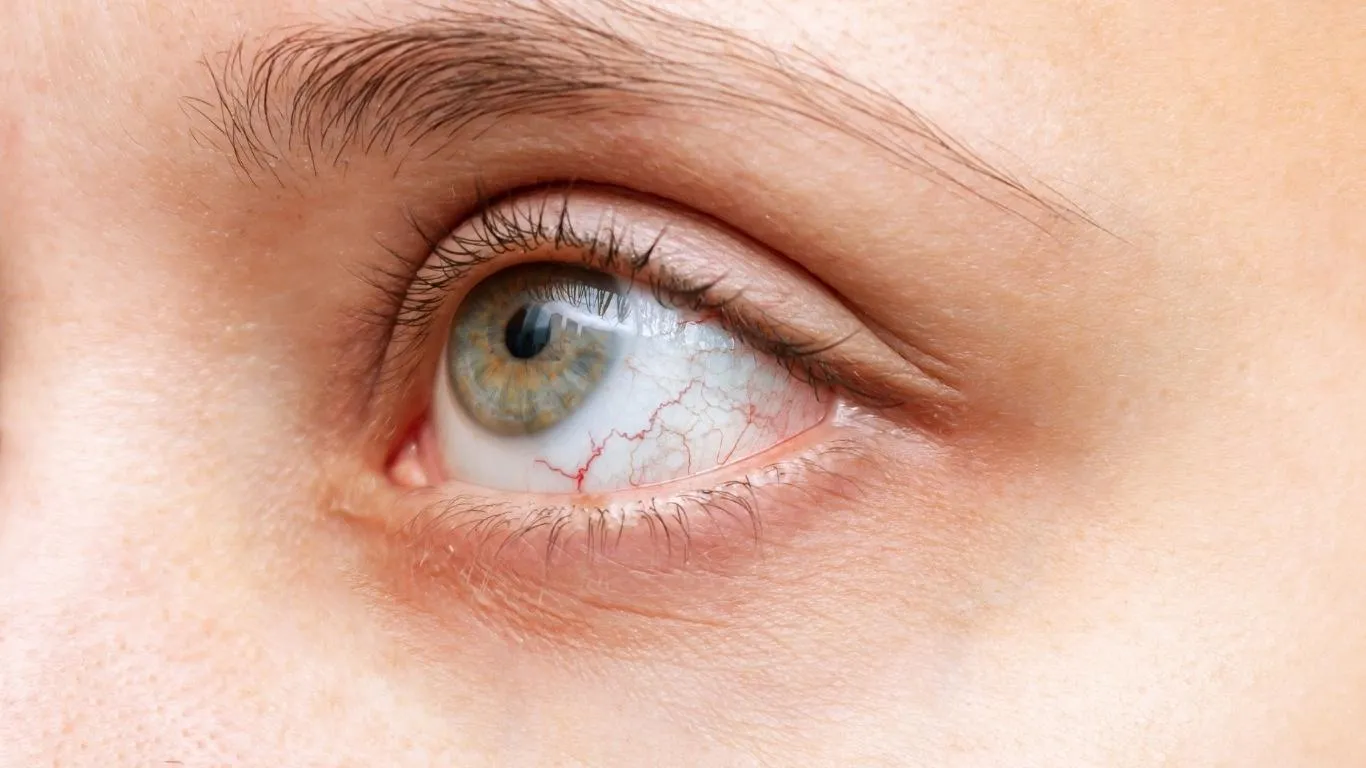
Here’s the truth—if floaters suddenly multiply, or if you notice flashes of light, you should definitely consult an eye doctor. Those could be signs of more serious issues like retinal tears. However, if floaters just become more apparent during certain visual activities, like watching time-lapse videos, it’s often benign. Still, it’s essential to differentiate between harmless floaters and symptoms of eye strain or underlying vitreoretinal problems. A helpful read is our guide on when eye floaters become dangerous.
Can Eye Exercises Help?
Believe it or not, certain eye exercises may reduce how noticeable floaters appear. I’ve personally found that simple practices, like controlled eye rolls and focusing shifts, give temporary relief. These exercises don’t eliminate floaters but can help manage eye strain, which indirectly reduces floater prominence during screen activities.
Adjusting Your Screen Habits to Minimize Floaters
Let’s be honest—asking someone to cut down screen time in today’s world is laughable. But small tweaks can make a big difference. Here are practical tips I’ve picked up along the way:
- Increase Ambient Lighting: Avoid watching videos in total darkness. A soft lamp behind the screen can balance contrast.
- Use Matte Screen Filters: These reduce glare and help minimize floater visibility against stark whites.
- Adjust Playback Speed: Slowing down hyper-fast time-lapse videos can lessen abrupt contrast shifts.
- Follow the 20-20-20 Rule: Every 20 minutes, look at something 20 feet away for 20 seconds.
And if you’re deep-diving into editing or binge-watching, keep a bottle of hydrating eye drops handy. It’s a game-changer.
When Floaters Indicate Underlying Eye Issues
While most floaters are harmless, they can sometimes be a warning sign of conditions like posterior vitreous detachment (PVD) or early-stage retinal issues. I once dismissed a sudden burst of floaters after an intense editing session, only to find out it was linked to vitreous syneresis—a natural aging process where the vitreous gel liquefies and detaches.
Keeping informed is key. For a comprehensive dive into the causes of floaters, this article covers everything from age-related factors to injury-induced floaters. Also, don’t miss our main guide on eye floaters, their causes, and treatments.
Effective Ways to Reduce Floater Distractions During Video Watching
Let me share a trick that has saved me during long editing marathons: adjusting the *color temperature* of my screens. Warmer tones reduce the harshness of whites, making floaters less visible. Another game-changer? Blue light filter glasses. Not only do they cut down eye fatigue, but they also slightly mute the contrast that makes floaters pop up. If you haven’t yet, I highly recommend checking out why blue light filter glasses can help reduce floater annoyance.
DIY Home Remedies I’ve Tried
Over time, I’ve experimented with a few home remedies—not miracle cures, but they help:
- Staying Hydrated: Dehydration tends to worsen floater visibility, especially during screen time. Sipping water regularly helps.
- Diet Tweaks: Adding foods rich in lutein and zeaxanthin supports overall eye health.
- Supplement Support: I’ve found Omega-3 supplements beneficial for keeping my eyes comfortable during heavy screen use.
Of course, these aren’t instant fixes, but over weeks, I noticed floaters became less intrusive during my daily video binge rituals.
When Should You See a Specialist?
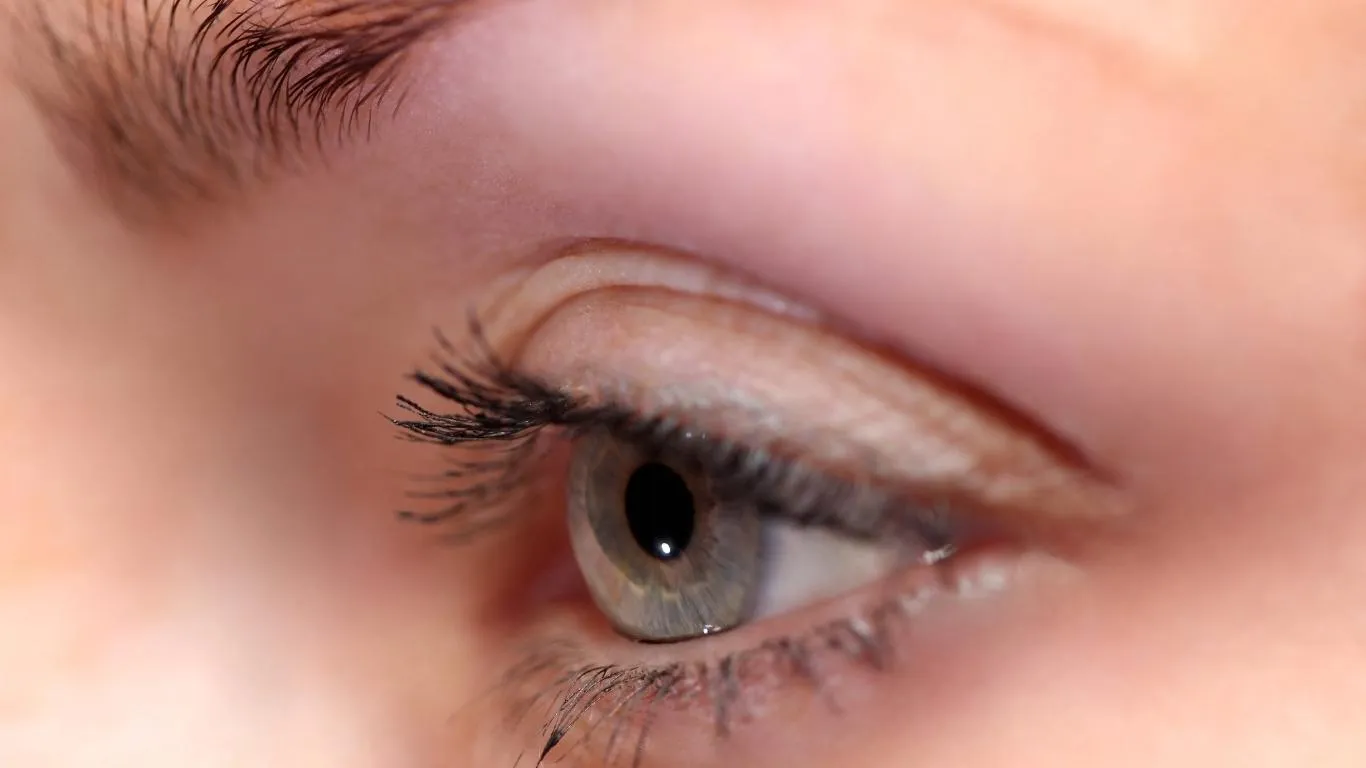
There’s a thin line between normal floaters and ones signaling serious issues. A sudden spike in their number, flashes of light, or a shadow in your peripheral vision could be red flags. I always tell friends, “Don’t play Dr. Google when it comes to your vision.” If anything feels off, it’s better to have an eye specialist examine you. Here’s an excellent read on why new floaters can sometimes hint at retinal tears.
Are There Medical Treatments for Persistent Floaters?
For floaters that don’t fade or worsen over time, medical interventions might be considered. These include:
- Laser Vitreolysis: A non-invasive laser treatment to break up floaters.
- Vitrectomy: A surgical option where the vitreous gel is replaced, but it’s reserved for severe cases due to risks.
I’ve consulted with ophthalmologists about laser treatments, but most advised a “wait-and-see” approach since my floaters weren’t severe enough. But it’s good to know these options exist if floaters begin impacting your daily visual comfort significantly.
Managing Screen-Triggered Floaters in the Long Run
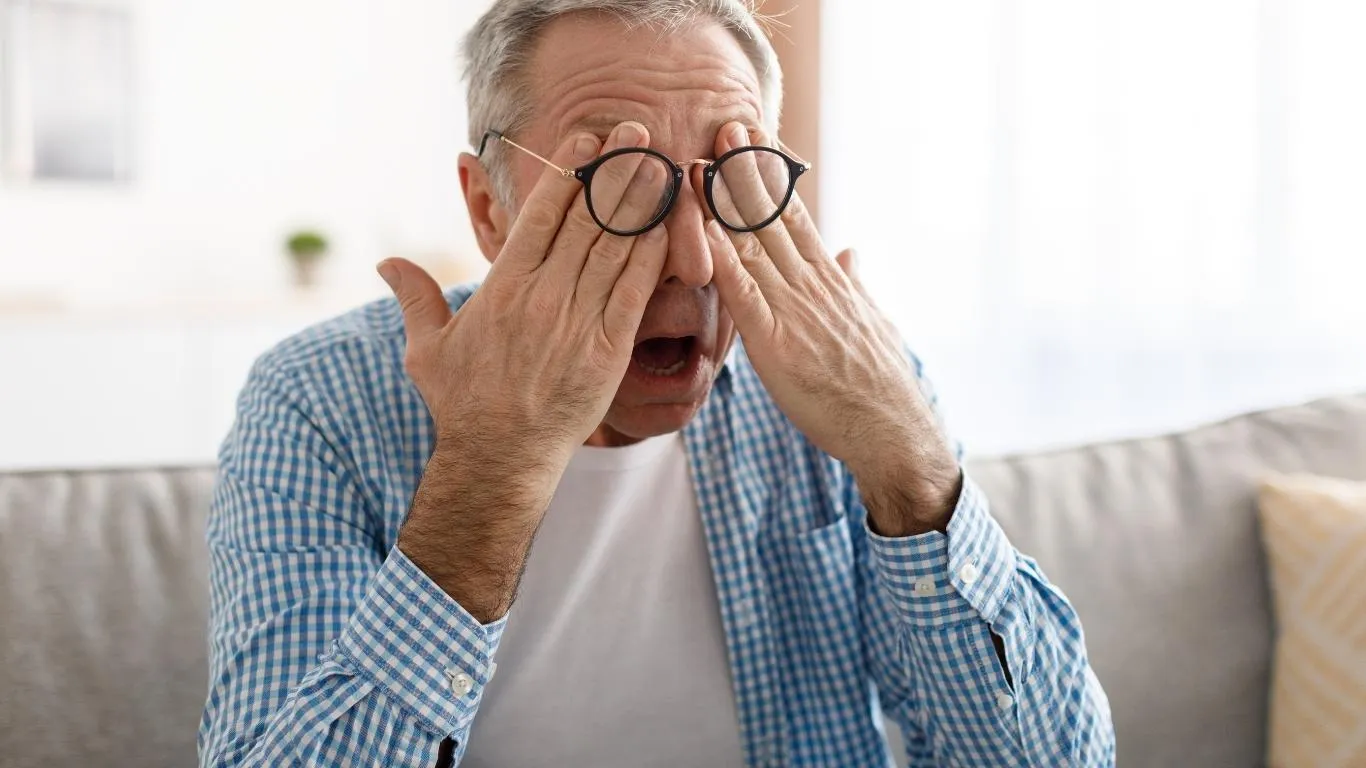
If you’re like me, reducing screen time isn’t an option. So, managing floaters becomes a game of strategy. Here’s what’s worked for me long-term:
- Frequent Breaks: Every hour, step away and focus on a distant object.
- Ergonomic Screen Setup: Position screens slightly below eye level to minimize upward gazing, which tends to stir up floaters.
- Consistent Eye Hydration: Keep lubricating drops handy, especially in air-conditioned rooms.
Also, subtle lifestyle changes like better sleep, reduced caffeine, and even mindful breathing have helped me lessen floater annoyance during intense screen sessions.
Dealing with Floaters as a Visual Distraction
One of the hardest parts of living with floaters is the psychological impact. They can become a constant visual distraction, leading to frustration. I’ve found practices like mindfulness and focusing techniques (similar to eye yoga) incredibly grounding. If floaters have been taking a toll on your mental focus, you should check out these strategies for relieving stress-induced floaters.
Staying Informed and Monitoring Changes
As floaters are often a part of the aging eye, it’s crucial to monitor how they evolve. I personally keep a simple floater journal (just a few notes on my phone) to track any noticeable changes. This way, I can provide accurate information during eye check-ups. If you’re curious about tracking methods, read up on how to monitor floater changes effectively.
And remember, floaters that seem benign now can still evolve over time. Keeping informed and proactive about your eye health is the best approach. For a comprehensive overview of eye floater treatments and when medical attention is needed, don’t miss our in-depth article on eye floater treatments.

Camellia Wulansari is a dedicated Medical Assistant at a local clinic and a passionate health writer at Healthusias.com. With years of hands-on experience in patient care and a deep interest in preventive medicine, she bridges the gap between clinical knowledge and accessible health information. Camellia specializes in writing about digestive health, chronic conditions like GERD and hypertension, respiratory issues, and autoimmune diseases, aiming to empower readers with practical, easy-to-understand insights. When she’s not assisting patients or writing, you’ll find her enjoying quiet mornings with coffee and a medical journal in hand—or jamming to her favorite metal band, Lamb of God.