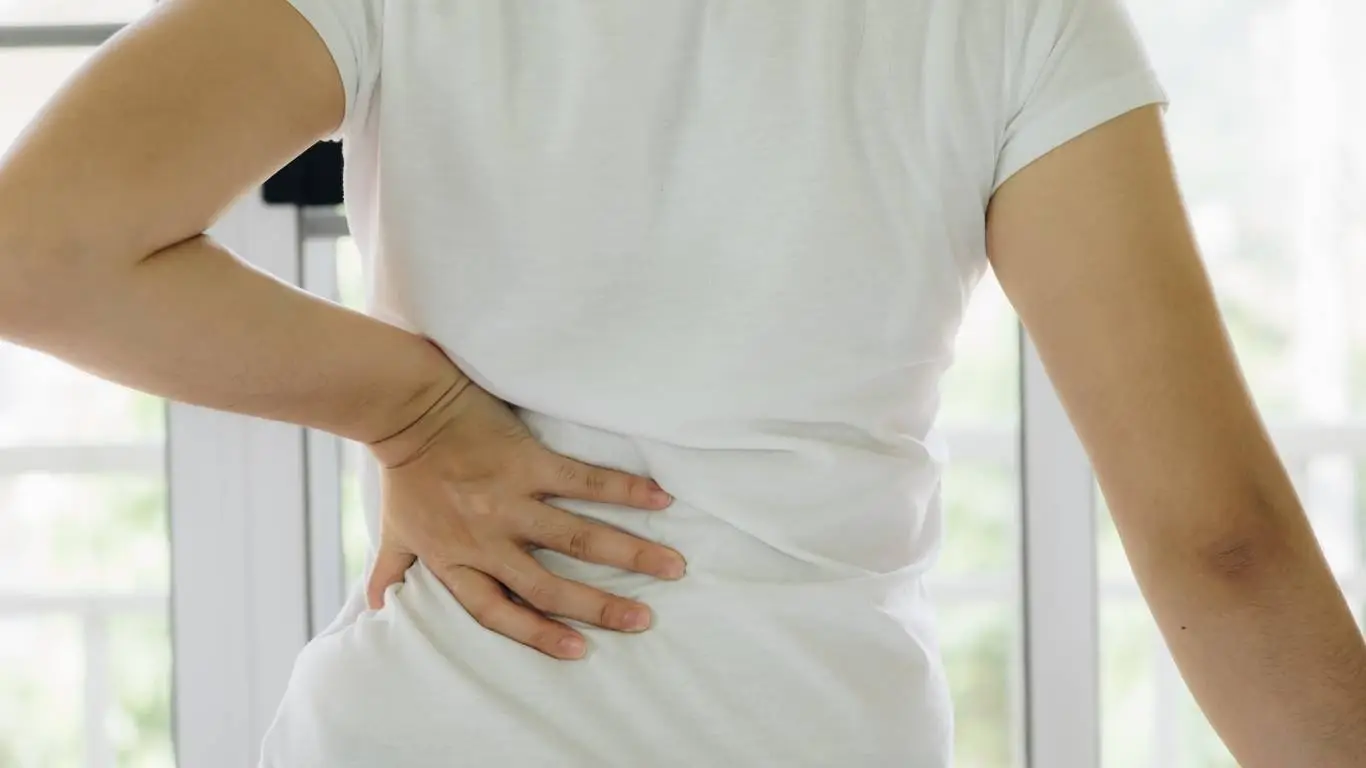
How Postural Tachycardia Syndrome Can Quietly Trigger Back Pain
Let me be honest — dealing with Postural Tachycardia Syndrome (POTS) is a daily balancing act. For me, it’s not just about standing up without feeling like I’ll pass out; it’s the annoying, nagging back pain that tags along. Most people wouldn’t think POTS and back pain are connected, but when your nervous system is out of whack, your posture, muscles, and spine feel the ripple effect. I’ve been there, and if you’re reading this, you probably have too.
Understanding the Link Between POTS and Back Pain
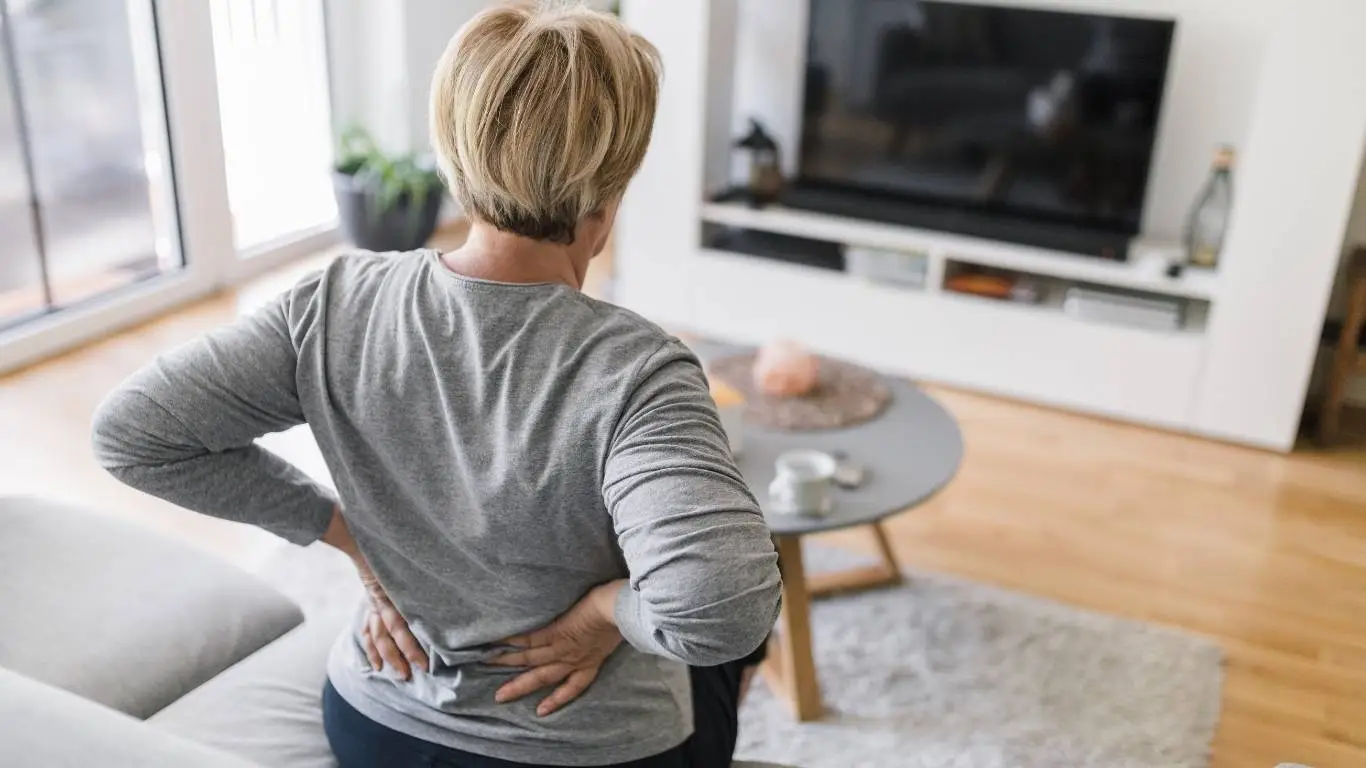
POTS isn’t just about a racing heart when you stand up. It’s a complex form of dysautonomia that affects multiple systems in your body, including your musculoskeletal system. With blood pooling in the lower extremities, muscles, especially in the back and core, are forced to compensate. Over time, this compensation leads to chronic tension, poor posture, and—no surprise—persistent back pain.
How Does This Happen?
- Postural Instability: Standing becomes a chore, so you unconsciously slouch or shift into awkward positions.
- Muscle Fatigue: Muscles are overworking to maintain balance, leading to strain, especially in the lower back.
- Nerve Sensitivity: Autonomic dysfunction can heighten pain perception, making minor discomfort feel amplified.
One common issue I struggled with was poor posture. It’s easy to underestimate how much your spinal alignment changes when you’re constantly trying not to faint. Over time, this wreaks havoc on your back muscles and spine health.
The Role of Muscle Imbalances and Core Weakness
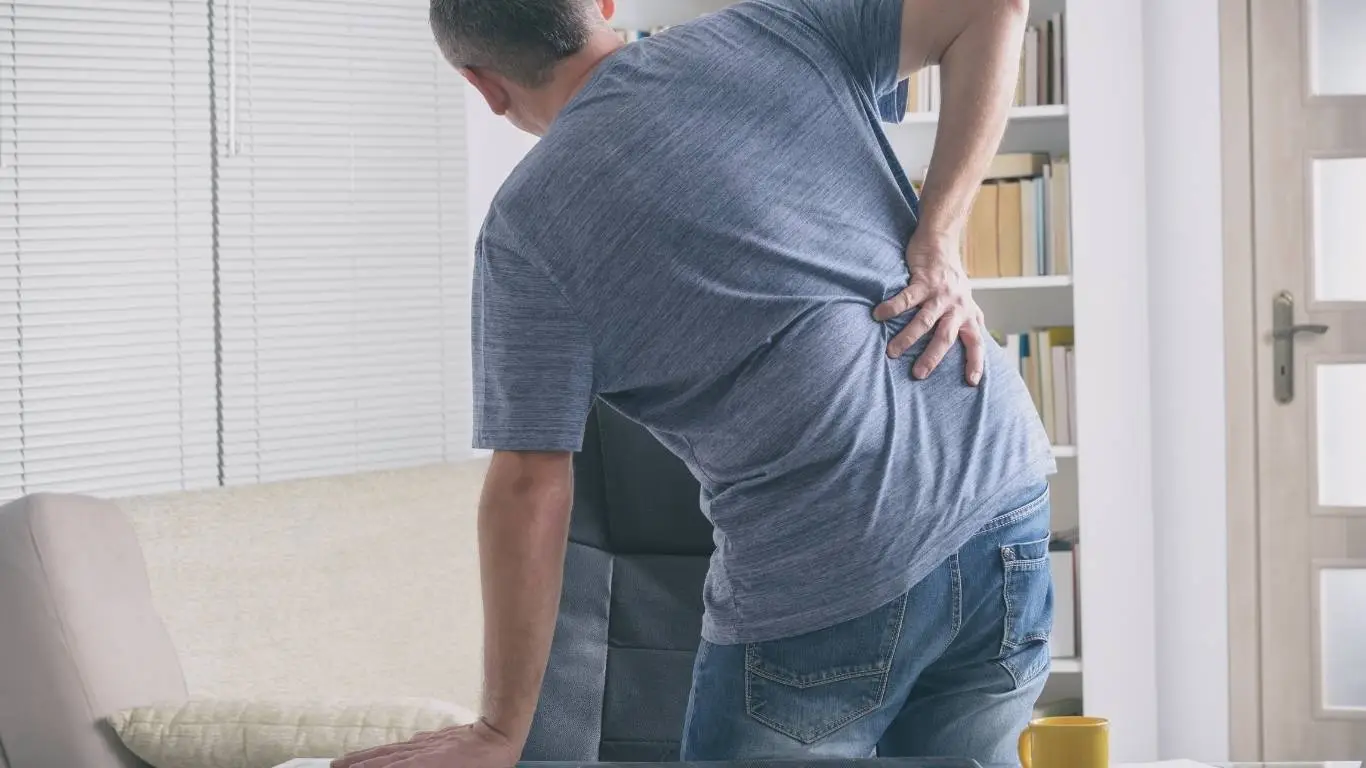
One of the things my physical therapist told me early on was this: “Your core isn’t just your abs; it’s your entire trunk system holding your spine in place.” With POTS, inactivity or fear of triggering symptoms often leads to muscle imbalances. Your hip flexors tighten, glutes weaken, and your lower back bears the burden. This domino effect is a recipe for back strain.
Here’s how I noticed muscle imbalances affecting my back:
- Constant tightness in the hamstrings pulling my pelvis backward.
- Weak glutes unable to stabilize my hips during walking or standing.
- Lower back muscles compensating, leading to sharp, localized pain.
It’s an uncomfortable cycle that can be hard to break without targeted interventions. Weak glutes combined with tight hamstrings are classic culprits in POTS-related back discomfort.
Is Your Back Pain Worse After Standing Too Long?
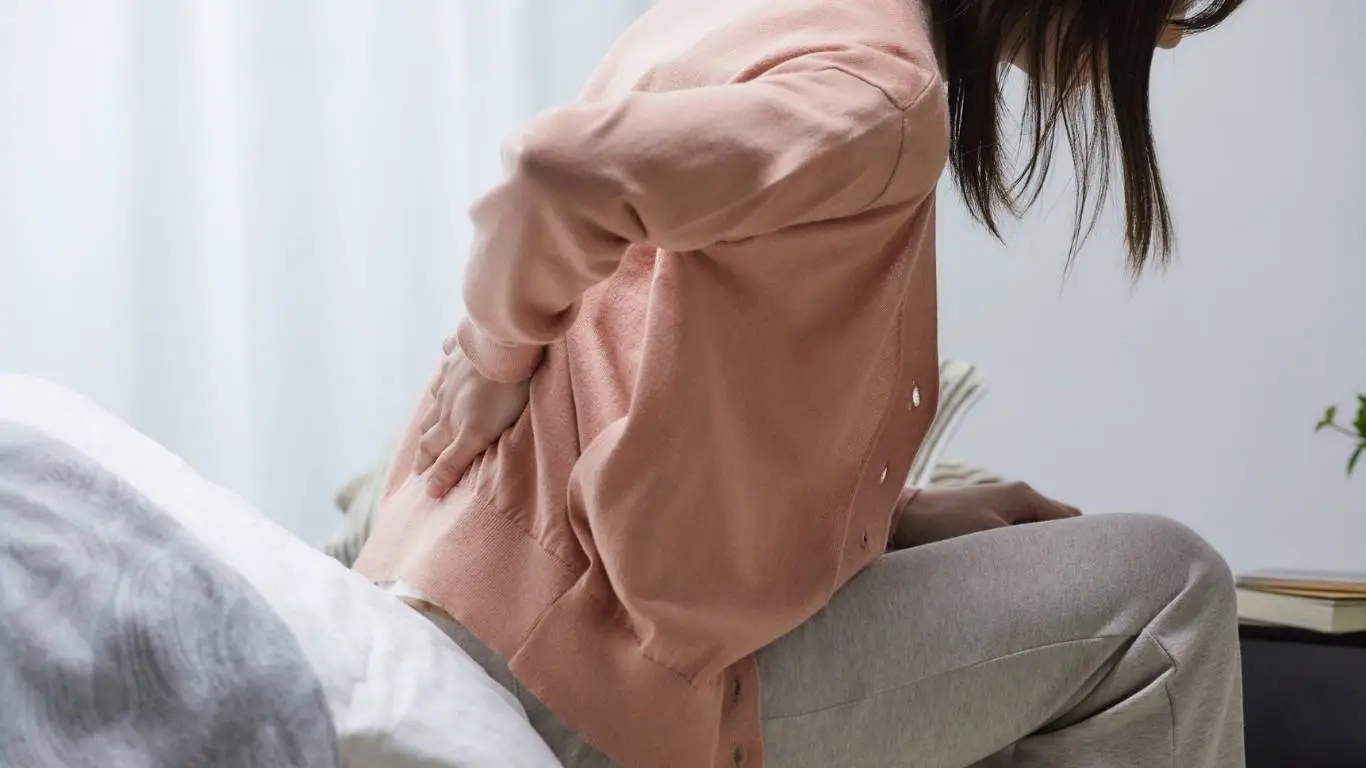
Standing for prolonged periods is a nightmare for most POTS patients. For me, even 10 minutes could feel like a marathon. But what’s less talked about is how standing aggravates back pain. The longer you’re upright, the more your lumbar spine compresses due to improper posture compensations.
If you’re someone who finds back pain worsening after even short standing sessions, you might be dealing with postural strain that stems from both POTS and biomechanical inefficiencies. This is not just about discomfort; it’s about chronic spinal stress that can lead to degenerative issues if left unchecked.
Why Strengthening the Core and Improving Posture is Non-Negotiable

It took me a while to accept this, but working on my core strength wasn’t a vanity project—it was survival. For those of us with POTS, a weak core means an unstable spine, and that means more back pain. Incorporating low-impact exercises like Pilates or even basic breathing-focused core activation can make a difference.
Simple Core Engagement Techniques That Helped Me
- Dead bugs (without flaring my lower back)
- Pelvic tilts with deep diaphragmatic breathing
- Wall-supported marches to activate hip flexors safely
Consistency, even if it’s just 5 minutes a day, can retrain your body to hold proper alignment without overloading your back muscles. Additionally, ergonomic adjustments at your desk or work environment play a key role. The impact of occupation and travel habits on spinal health is often overlooked, yet incredibly crucial for POTS patients.
Hydration, Electrolytes, and Back Pain: The Overlooked Connection

I used to roll my eyes when people told me to “just drink more water.” But dehydration is a major trigger for POTS flare-ups, and believe it or not, it also worsens muscle cramps and spasms in the back. Proper hydration paired with balanced electrolytes isn’t just about preventing dizziness—it directly supports muscle function.
One day, after a particularly rough episode of sudden sharp back pain, my doctor emphasized that electrolyte imbalances can silently sabotage muscle recovery. Since then, adding a pinch of salt and potassium-rich foods into my routine became a game changer.
When Back Pain Signals Something More Serious

As much as I’d love to say back pain is just a minor annoyance, sometimes it’s a red flag. If you’re experiencing severe or sudden back pain, it could indicate issues like nerve compression or spinal instability. It’s essential to recognize red flags that warrant medical attention.
For comprehensive guidance on diagnosing back pain symptoms accurately, I highly recommend visiting the Symptoms & Diagnosis Pillar Article. Additionally, their main back pain resource hub provides in-depth strategies for managing complex back conditions holistically.
Targeted Stretching Routines That Actually Work

Stretching isn’t about doing a full yoga flow for POTS patients—it’s about strategic, targeted movements that release tension without spiking symptoms. When my physical therapist showed me simple, passive hamstring stretches while lying down, it was a lightbulb moment. They reduced my pelvic tilt and relieved that deep lumbar ache.
My Daily Stretching Sequence
- Supine hamstring stretch with a strap (held for 30 seconds per leg)
- Knee-to-chest stretch to release lumbar tension
- Child’s pose with a bolster to support blood flow and spinal decompression
One of the most effective stretches I discovered was from this article on back pain-relieving stretches. It’s not about going deep, it’s about consistency and control.
Smart Ergonomics for Daily Life with POTS
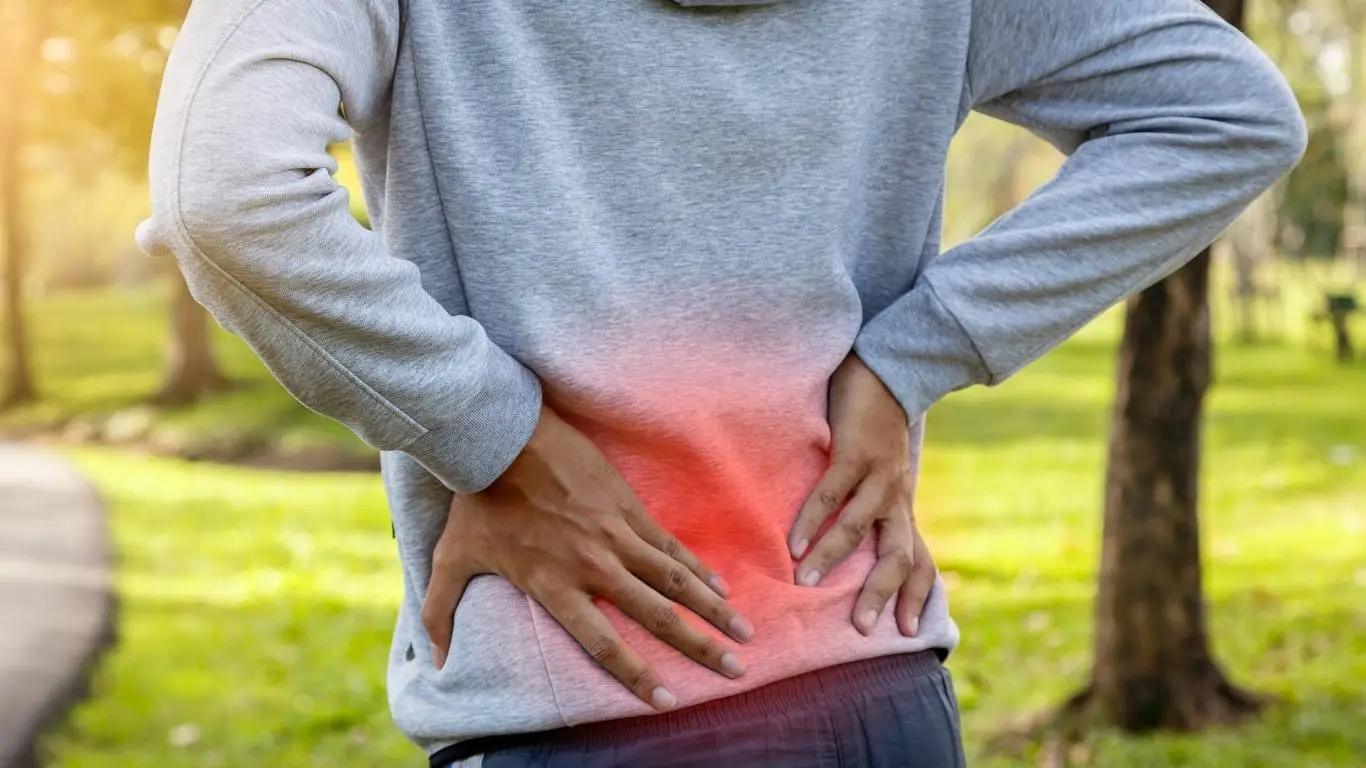
Ergonomics isn’t just a workplace buzzword—it’s survival for those of us managing POTS and chronic back pain. I learned the hard way that a poorly designed chair can trigger flare-ups. The solution? Small, deliberate adjustments.
- Lumbar Support: Adding a lumbar cushion instantly improved my posture during seated tasks.
- Desk Height: Ensuring my elbows were at a 90-degree angle helped distribute spinal pressure evenly.
- Frequent Microbreaks: Standing and stretching for 1-2 minutes every 20 minutes was a game changer.
For those navigating remote work or sedentary roles, this resource on occupational back pain is incredibly practical.
The Importance of Gentle Strength Training
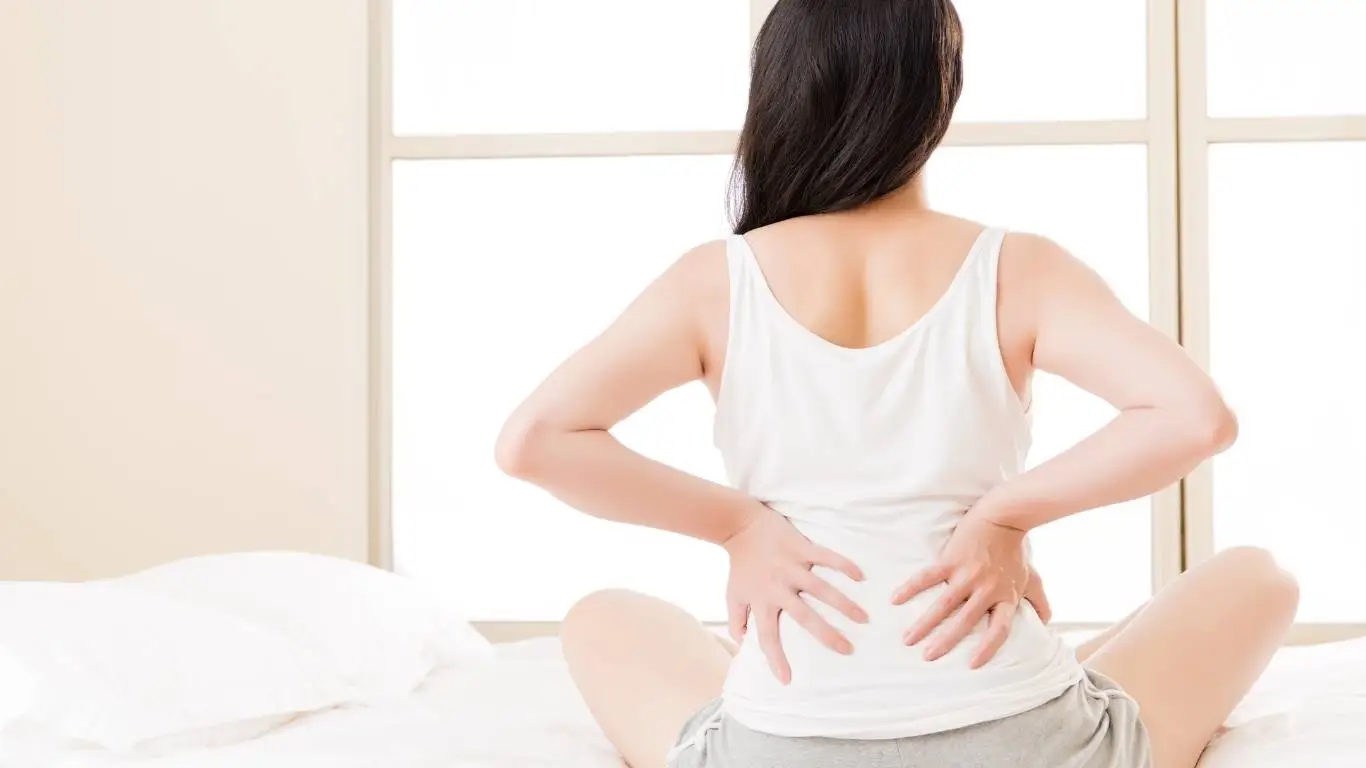
One of my biggest mistakes was avoiding strength training out of fear it would worsen my symptoms. However, with POTS, properly scaled resistance training is essential for spinal stability. It’s about building endurance, not maxing out weights.
I started with resistance bands and bodyweight exercises, focusing on muscle groups that support my spine. Safe routines like resistance band exercises helped me regain strength without triggering tachycardia episodes.
Beginner-Friendly Strengthening Exercises
- Glute bridges (with emphasis on core bracing)
- Seated banded rows to correct upper back posture
- Wall squats with a stability ball for lower body engagement
It’s not about heavy lifting—it’s about muscle activation. Small, controlled movements can restore balance to the muscle groups that protect your spine from undue stress.
Breathwork and Mind-Body Connection for Spinal Relief

I used to underestimate breathwork until I realized how much diaphragmatic breathing impacts core stability and autonomic regulation. For POTS patients, shallow chest breathing can exacerbate both symptoms and muscular tension.
Simple exercises like breathing techniques for spinal alignment helped me reconnect with my core while easing sympathetic overdrive. It’s not just relaxing—it’s functional rehab for your spine.
Breathing Drills I Swear By
- Box breathing (4-4-4-4 count) to calm the nervous system
- Diaphragmatic belly breathing lying supine to engage the deep core
- Wall-supported breathing to reinforce neutral spinal alignment
When Professional Help Becomes Essential

There came a point where self-management wasn’t enough. If your back pain is persistent, shooting, or affecting your daily function, seeking professional assessment is crucial. A thorough evaluation can reveal whether nerve involvement or structural spinal issues are compounding the problem.
One diagnostic route that provided me clarity was nerve conduction studies. It’s a bit of a game-changer, especially when differentiating between POTS-related neuropathic pain and mechanical back strain. If you’re curious, this detailed guide is a must-read.
Additionally, minimally invasive interventions are evolving. Procedures like minimally invasive spinal treatments are no longer the last resort—they’re often proactive steps towards pain management with less downtime.
Optimizing Lifestyle Habits for Long-Term Relief
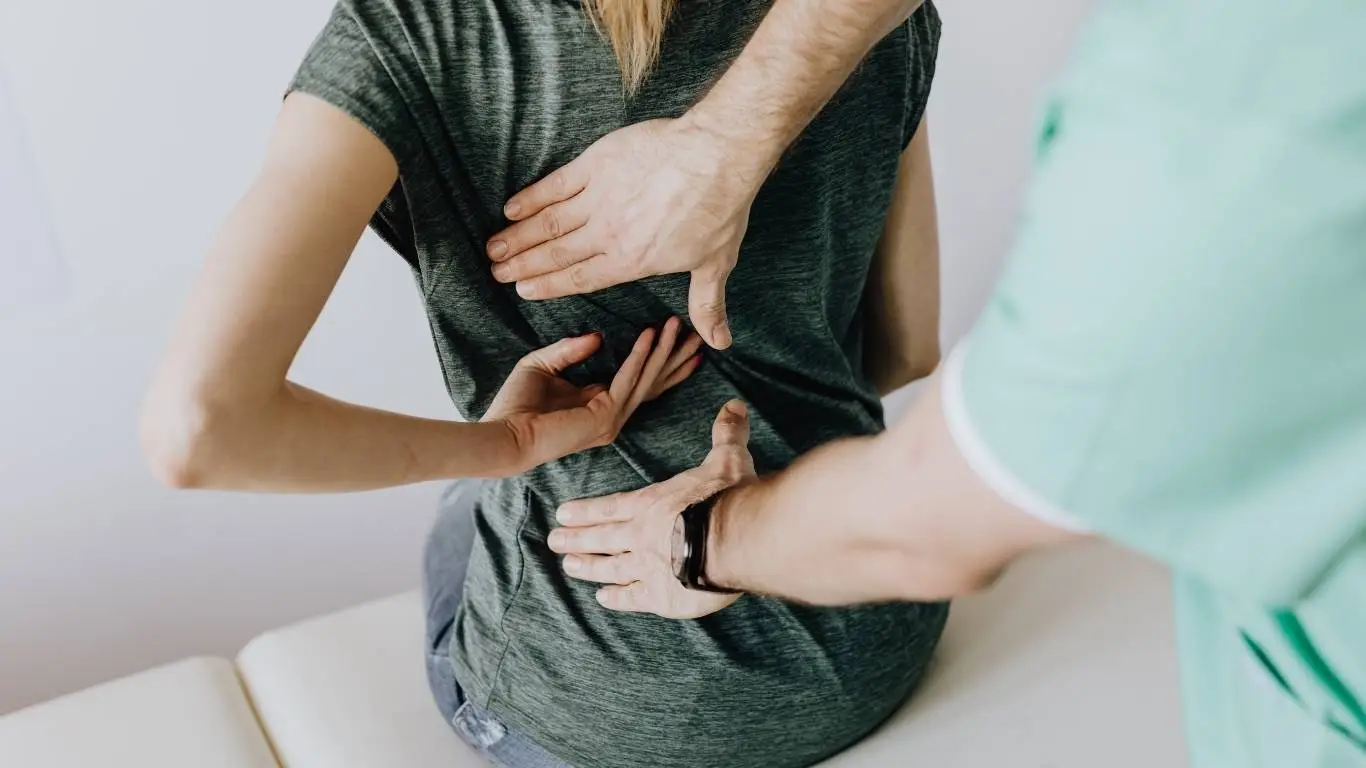
Managing POTS and back pain isn’t just about rehab sessions; it’s a lifestyle overhaul. Nutrition, hydration, stress management, and daily movement patterns all weave into the bigger picture.
- Incorporating an anti-inflammatory diet to reduce systemic pain triggers.
- Mindful stress reduction techniques to prevent tension build-up in the back.
- Daily micro-movements to counteract prolonged inactivity.
For a comprehensive approach, the Lifestyle, Diet & Natural Remedies Pillar is an invaluable resource that helped me craft a sustainable routine.
Every POTS journey is unique, but the overlapping challenge of back pain is one that can be addressed with a proactive, holistic approach. By layering functional movement, mindful habits, and personalized interventions, it’s entirely possible to regain control over both conditions. If you’re navigating this balancing act like I am, just know—progress might be slow, but it’s definitely within reach.

Camellia Wulansari is a dedicated Medical Assistant at a local clinic and a passionate health writer at Healthusias.com. With years of hands-on experience in patient care and a deep interest in preventive medicine, she bridges the gap between clinical knowledge and accessible health information. Camellia specializes in writing about digestive health, chronic conditions like GERD and hypertension, respiratory issues, and autoimmune diseases, aiming to empower readers with practical, easy-to-understand insights. When she’s not assisting patients or writing, you’ll find her enjoying quiet mornings with coffee and a medical journal in hand—or jamming to her favorite metal band, Lamb of God.