How To Sleep Better With Anxiety And Wake Up Feeling Recharged
It’s 2 AM. You’re staring at the ceiling, wide awake, with your heart racing over things that don’t even make sense. I’ve been there, countless times. Sleeping with anxiety isn’t just “difficult”—it’s an exhausting loop where the harder you try, the more your brain rebels. But here’s the thing: learning how to sleep better with anxiety is less about forcing sleep and more about setting up your mind and body to allow it. Let me walk you through the exact strategies that finally helped me—without the fluff.
Understanding Why Anxiety Hijacks Your Sleep
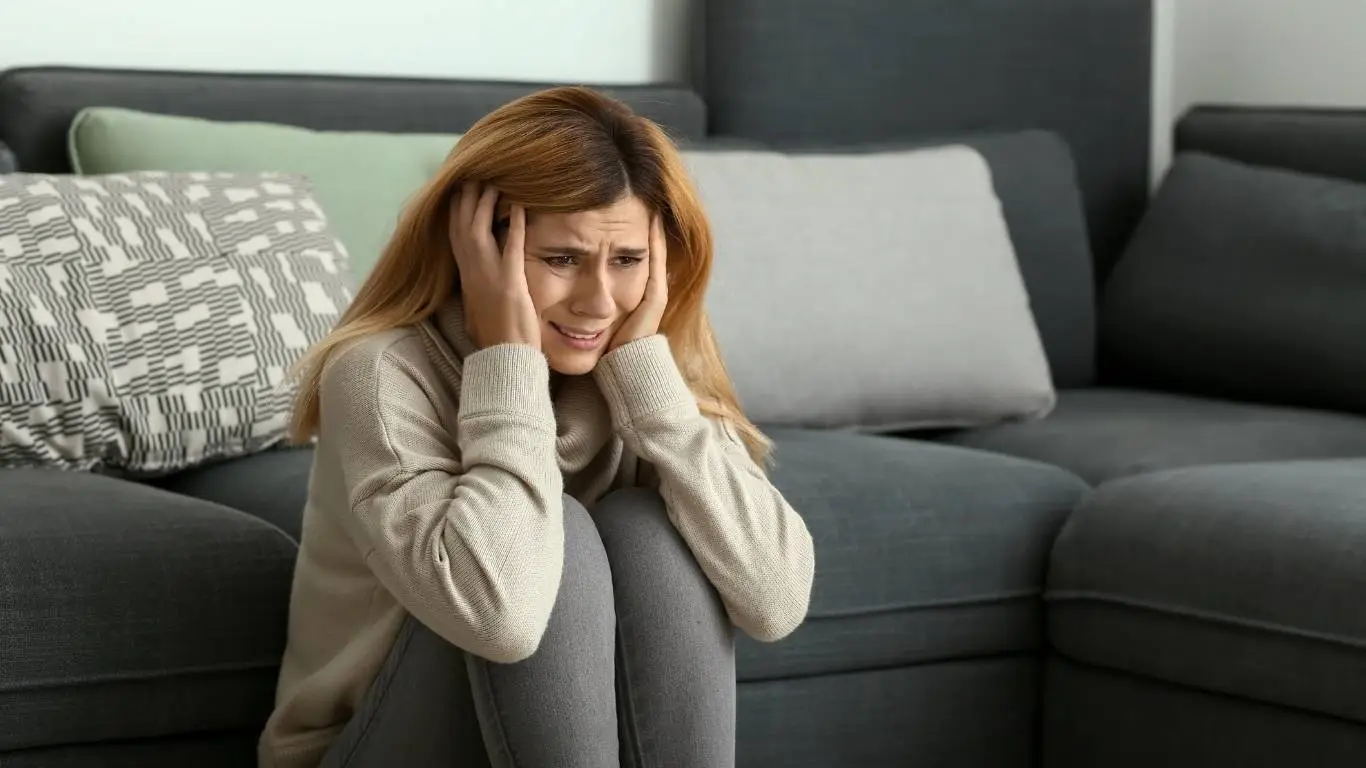
Ever wonder why your anxiety peaks the moment you hit the pillow? During the day, distractions keep you busy. But at night, it’s just you and your thoughts, and that’s when anxiety loves to take center stage. Research shows that anxiety triggers your brain’s fight-or-flight response, releasing cortisol—yep, the stress hormone—that keeps you wired instead of winding down.
The Vicious Cycle of Sleep Deprivation and Anxiety
Here’s the kicker: lack of sleep amplifies anxiety symptoms the next day. It becomes a brutal cycle—anxiety leads to insomnia, and insomnia makes anxiety worse. Studies from Sleep Foundation back this up, indicating that poor sleep quality can increase the risk of anxiety disorders over time.
Game-Changing Nighttime Rituals That Calmed My Racing Mind
1. The No-Phone-After-9 Rule
Sounds simple, but this was a huge one for me. Blue light messes with melatonin production, and doomscrolling? That’s a recipe for anxiety overload. Instead, I switched to reading a physical book. The difference in how quickly I fell asleep was shocking.
2. Progressive Muscle Relaxation (PMR)
Honestly, I used to think this technique was too “therapy-like” for me, but it works. Slowly tensing and releasing muscle groups gave my restless body something to focus on. It’s like hitting the “calm” button on your nervous system. If you’re curious, here’s a step-by-step guide on PMR that actually helps.
3. Breathing Exercises That Actually Work
I always found “just breathe” advice annoying—until I found a breathing rhythm that clicked. The 4-7-8 method (inhale 4 seconds, hold 7, exhale 8) became my go-to. It’s not magic, but it dials down anxiety spikes faster than you’d expect. Dive deeper into effective techniques here.
Diet Tweaks That Quietly Improved My Sleep Quality

Magnesium-Rich Foods Are Seriously Underrated
I used to rely on over-the-counter sleep aids, but adding magnesium-packed foods (like almonds, spinach, and pumpkin seeds) had a surprisingly natural calming effect. There’s actual science behind this too—magnesium helps regulate neurotransmitters that promote sleep. This detailed article on magnesium and anxiety relief explains it better than I can.
The Caffeine Cut-Off That Changed My Evenings
If you’re still sipping coffee after 2 PM, your sleep is paying the price. I learned this the hard way. It wasn’t easy switching to caffeine-free alternatives, but the payoff in my sleep patterns was huge. You might want to explore these anxiety-friendly drink options.
Why Mental Noise Feels Louder at Bedtime (And How to Quiet It)

Brain Dump Journaling: My Sanity Saver
One of the best habits I picked up was keeping a notepad by my bed. Every night, I’d jot down everything swirling in my mind—no structure, no filters. Just getting it out of my head onto paper reduced that overwhelming “mental clutter.” Here’s a list of journaling prompts if you’re not sure how to start.
Guided Audio for Overthinkers
Podcasts and guided meditations aren’t just for yoga enthusiasts. I found a few nighttime playlists that walk you through calming visualizations (no cheesy affirmations, I promise). It’s like having a friend guide you into sleep mode.
Small Lifestyle Adjustments That Created Big Sleep Wins
1. Dim Lights, Dim Thoughts
I swapped my glaring overhead lights for warm, dim lamps after sunset. This signals your brain it’s time to wind down. Bonus: it makes your room feel like a cozy sleep cave.
2. Keep a Consistent Sleep-Wake Time
Sounds boring, but going to bed and waking up at the same time (even on weekends) trained my body to respect a routine. It’s not perfect, but it prevents that horrible Sunday night insomnia.
3. Embrace Anxiety-Friendly Movement
Gentle yoga stretches or a short evening walk helped burn off that excess “nervous energy” that tends to spike at night. If you want a real game-changer, check this article on yoga’s calming benefits.
Helpful Resources to Deepen Your Anxiety-Sleep Knowledge

- Recognizing the subtle symptoms of anxiety can help you catch triggers early.
- For a deep dive into how anxiety infiltrates daily life, I highly recommend reading this article on how anxiety silently takes over routines.
Medical and Therapeutic Approaches That Actually Helped Me Sleep Again

When to Consider Professional Help
There came a point when my late-night anxiety wasn’t something I could manage alone. If your anxiety feels paralyzing, reaching out to a professional isn’t a sign of weakness—it’s a step towards reclaiming your nights. I started with a therapist who specialized in anxiety-related sleep disorders, and it was a game-changer.
Cognitive Behavioral Therapy for Insomnia (CBT-I)
Honestly, I was skeptical. But CBT-I isn’t just another therapy buzzword. It targets the destructive thought patterns that keep you awake. Within a few sessions, I noticed my bedtime dread fading. You can learn more about effective CBT techniques for anxiety here.
Medications: When Natural Remedies Aren’t Enough
For me, it wasn’t a first choice, but there were nights where even my best efforts fell short. Under a doctor’s supervision, I explored SSRIs and found that they not only eased my daytime anxiety but also smoothed out my sleep cycle. This guide on SSRIs for anxiety lays out what you need to know before considering medication.
Complementary Techniques That Surprised Me with Real Results
Acupuncture: Yes, I Was Skeptical Too
I never thought I’d be the type to try acupuncture. But after a few sessions, the calm that followed was undeniable. The physical relaxation it triggered made falling asleep easier. Read why acupuncture is gaining attention for anxiety relief here.
Herbal Remedies That Aren’t Just Placebo
I experimented with herbal teas—specifically chamomile and valerian root. While they’re no miracle fix, they eased the edge off my nighttime restlessness. Curious about which herbs are backed by research? Here’s a comprehensive list of anxiety-relieving herbs.
Mindfulness Meditation Without the Cliché
Mindfulness gets thrown around so much it feels like a gimmick. But when I tried short, guided mindfulness exercises right before bed, it made a significant difference. No chanting, no lotus positions—just simple awareness of my breath and body. Resources from Mindful.org helped me cut through the noise and find what actually worked.
Why Your Daily Routine Matters More Than You Think
The Domino Effect of Small Daily Wins
Improving my sleep wasn’t just about what I did at night. Small daytime habits had a huge ripple effect. Drinking enough water, stepping outside for even 10 minutes, and limiting sugary snacks surprisingly stabilized my evenings.
Managing Anxiety at Work to Protect Your Sleep
If your workplace is a stress factory, it’ll haunt you at bedtime. Implementing boundaries, managing workload expectations, and even having a candid talk with my manager helped ease the work-related anxiety loop. You might find this article on anxiety’s silent impact on workplace performance insightful.
Pro Tips That Took My Sleep from “Maybe” to “Most Nights”
- White Noise Machines: Blocking out subtle environmental sounds helped me avoid the late-night hyper-awareness that anxiety loves to feed on.
- Body Scan Techniques: A quick 5-minute body scan before bed anchored me into the present, away from spiraling thoughts.
- Limiting Naps: I realized that even a “harmless” 20-minute nap in the afternoon sabotaged my ability to fall asleep at night. Keeping naps under control was a tough but necessary adjustment.
Take Action: Build a Sleep Routine That Works for You
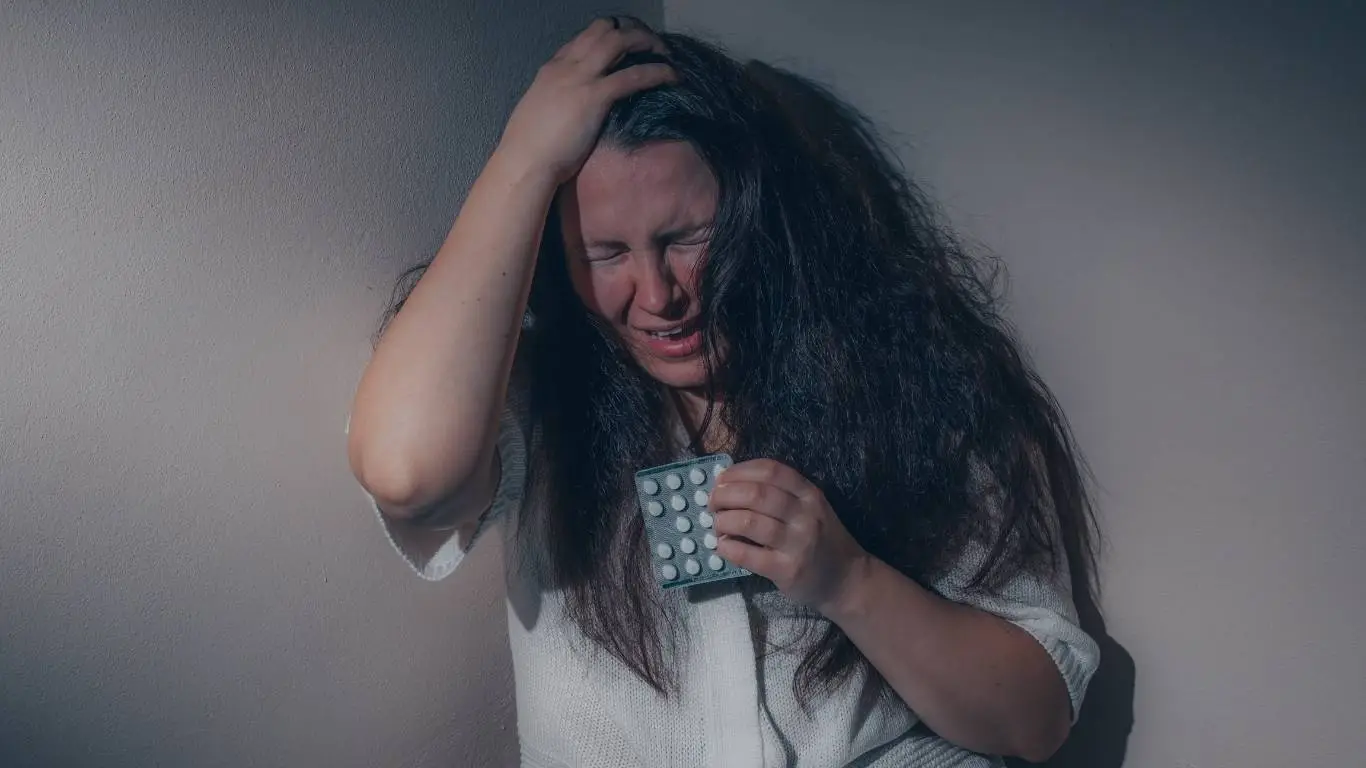
The path to sleeping better with anxiety isn’t about one grand fix. It’s about stacking small, sustainable habits that build into a routine your mind and body can trust. For a broader understanding of effective self-help strategies, I highly recommend reading this comprehensive guide on anxiety lifestyle interventions.
And if you’re still wondering why anxiety can feel like it’s quietly controlling your entire daily rhythm, this article dives deep into how it sneaks into routines—a must-read.

Camellia Wulansari is a dedicated Medical Assistant at a local clinic and a passionate health writer at Healthusias.com. With years of hands-on experience in patient care and a deep interest in preventive medicine, she bridges the gap between clinical knowledge and accessible health information. Camellia specializes in writing about digestive health, chronic conditions like GERD and hypertension, respiratory issues, and autoimmune diseases, aiming to empower readers with practical, easy-to-understand insights. When she’s not assisting patients or writing, you’ll find her enjoying quiet mornings with coffee and a medical journal in hand—or jamming to her favorite metal band, Lamb of God.