How Anxiety Can Affect Menstrual Cycle And Wreck Your Hormonal Balance
For years, I never connected the dots between my anxiety and the chaos my menstrual cycle brought every month. Mood swings? Check. Crushing fatigue? Check. Random cramps that felt worse than usual? Double check. It wasn’t until I stumbled upon a casual conversation with my gynecologist that I realized how deeply anxiety can intertwine with a woman’s hormonal health. If you’ve ever wondered why your period seems to amplify your anxious thoughts—or why your anxiety worsens right before your cycle—you’re not imagining things.
How Hormones and Anxiety Create a Vicious Cycle

Your menstrual cycle is a delicate balance of estrogen and progesterone, but when anxiety enters the mix, it can send that balance into a tailspin. Personally, I noticed that my anxiety attacks would intensify during the luteal phase—the week before menstruation—when progesterone peaks and estrogen dips.
Hormonal fluctuations can directly impact neurotransmitters like serotonin and GABA, which are crucial for mood regulation. It’s no wonder why so many women feel emotionally off-center during certain parts of their cycle. According to research from NCBI, premenstrual exacerbation of anxiety symptoms is a very real phenomenon that often goes overlooked.
The Science Behind Hormone-Anxiety Interactions
- Estrogen Drops: Low estrogen levels reduce serotonin production, leading to heightened anxiety and irritability.
- Progesterone Peaks: While progesterone is often considered calming, in some individuals it metabolizes into compounds that paradoxically trigger anxiety symptoms.
- Cortisol Sensitivity: Anxiety primes your body to overreact to stressors, and hormonal shifts amplify cortisol’s impact on your nervous system.
I used to think my “period anxiety” was just me being overly sensitive, but understanding these biological interactions changed how I approached my mental health during my cycle.
Physical Symptoms: When Anxiety Disguises as Period Problems
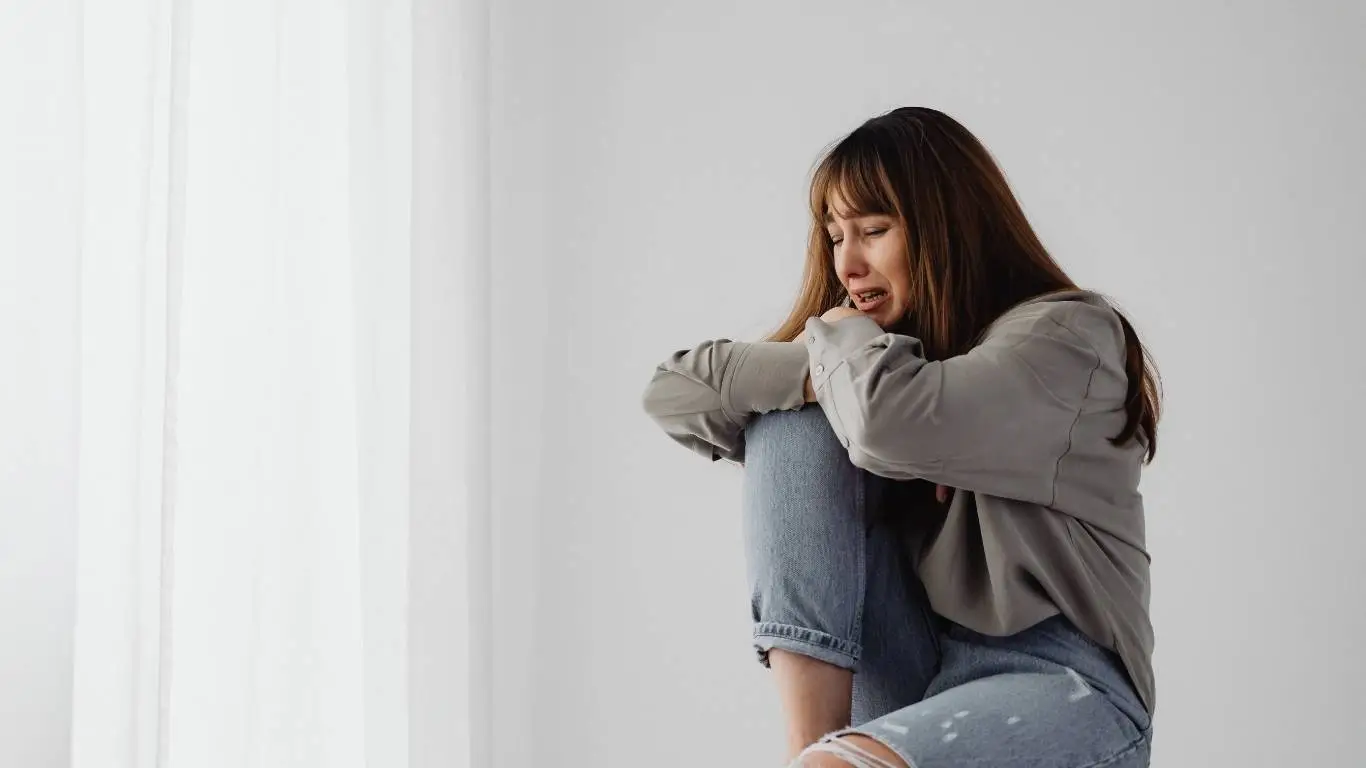
Here’s the tricky part—anxiety doesn’t just mess with your mind; it can mimic or worsen physical menstrual symptoms. I can’t tell you how many times I’ve mistaken anxiety-induced chest tightness for cramps, or thought my hormonal bloating was triggering a panic attack.
Common Overlapping Symptoms
- Increased heart rate and palpitations
- Digestive disturbances like nausea or bloating
- Heightened sensitivity to pain
- Fatigue that feels beyond the usual PMS sluggishness
- Tension headaches or migraines
It’s a frustrating cycle—anxiety worsens period symptoms, and severe period symptoms spike anxiety levels. Understanding this overlap helped me approach my monthly struggles with more empathy and less self-blame. For more on how anxiety can physically manifest, check out this guide on anxiety mimicking physical illness.
Emotional Rollercoaster: Mood Swings Amplified by Anxiety

I used to dread the emotional swings that came with my cycle. Small inconveniences would send me into teary meltdowns or irrational irritability. After speaking with a mental health specialist, I learned that for women prone to anxiety, hormonal shifts can intensify emotional dysregulation.
Why Does It Feel So Overwhelming?
- Heightened Emotional Reactivity: Fluctuating hormones lower the threshold for emotional triggers, making you more reactive.
- Anxiety-Induced Rumination: Anxious thoughts can spiral more quickly when hormonal mood shifts are in play.
- Sleep Disruptions: Hormonal changes can disrupt sleep patterns, which in turn amplify anxiety responses.
For me, understanding this connection helped me prioritize self-care strategies during these high-risk windows. If mood swings are derailing your daily routine, you might find this article on how anxiety affects workplace performance helpful—it dives into how emotional regulation struggles can seep into professional life.
How I’ve Managed Anxiety During My Cycle (And What Helped)

Through a lot of trial and error, I’ve found a few coping strategies that genuinely helped me regain control over my anxiety during my cycle. Everyone’s body responds differently, but here’s what worked for me:
Simple but Effective Tips
- Mindful Breathing Exercises: Practicing breathwork was a game-changer, especially during moments of heightened anxiety. You can check out these breathing exercises for anxiety relief.
- Magnesium-Rich Foods: Increasing my intake of magnesium through leafy greens and supplements helped soothe muscle tension and reduce irritability. This list of magnesium-rich foods for anxiety was a great resource.
- Tracking My Cycle: By understanding which phase I’m in, I could better prepare mentally for the days I knew my anxiety would spike.
- Limiting Caffeine: Cutting back on coffee in the luteal phase made a significant difference in my jitteriness and overall calm.
On tougher days, I also turned to complementary approaches like alternative therapies for anxiety disorders which, surprisingly, were more effective than I had expected.
Why This Connection Deserves More Attention
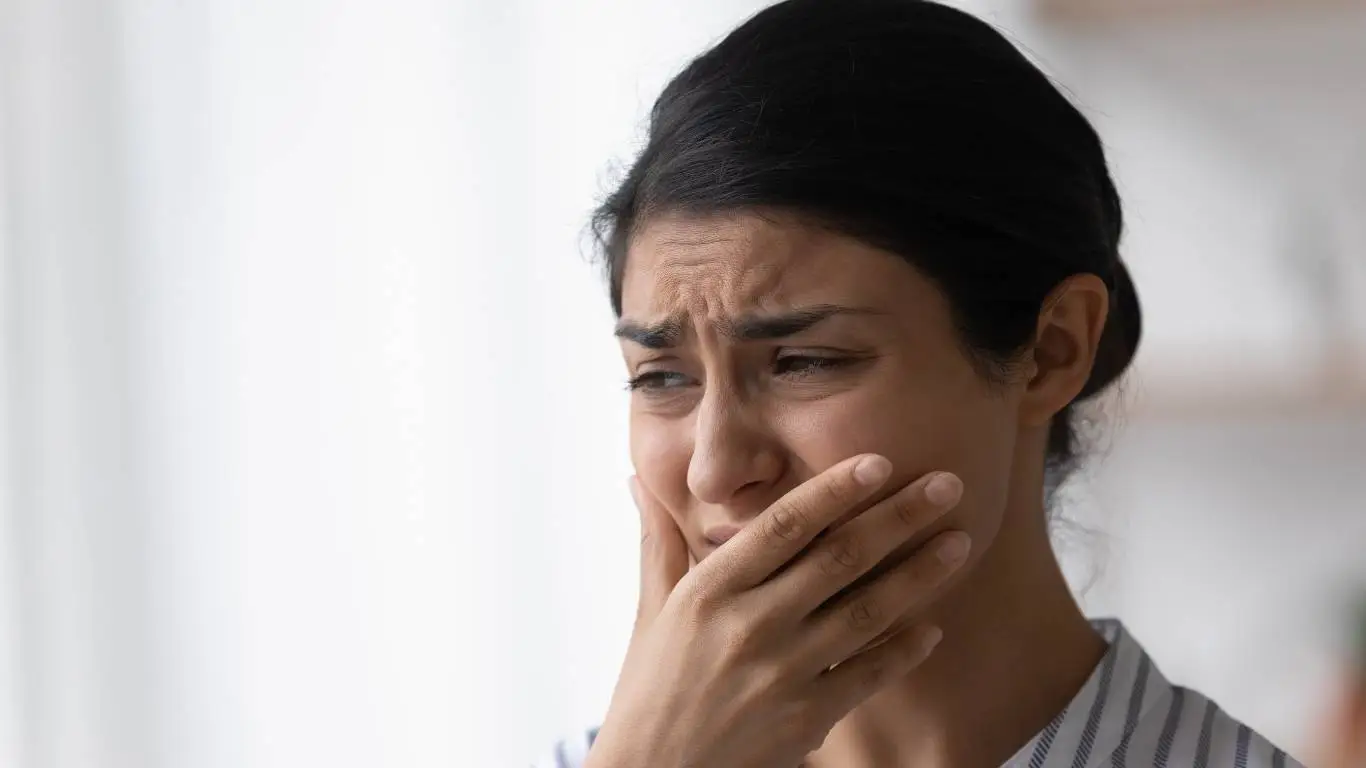
It’s frustrating how under-discussed the link between anxiety and menstrual health is. So many women silently struggle, thinking their experience is isolated or “just PMS.” But the reality is, this connection is deeply rooted in biology and deserves a more open conversation.
If this resonates with you, I highly recommend reading about hidden causes of anxiety disorders, which delves into overlooked factors that might be affecting your mental health. Also, understanding the broader impact of anxiety on daily life is crucial, and this main pillar article on how anxiety disorders control your daily life is a must-read.
When Anxiety Makes Period Symptoms Feel Worse Than They Are
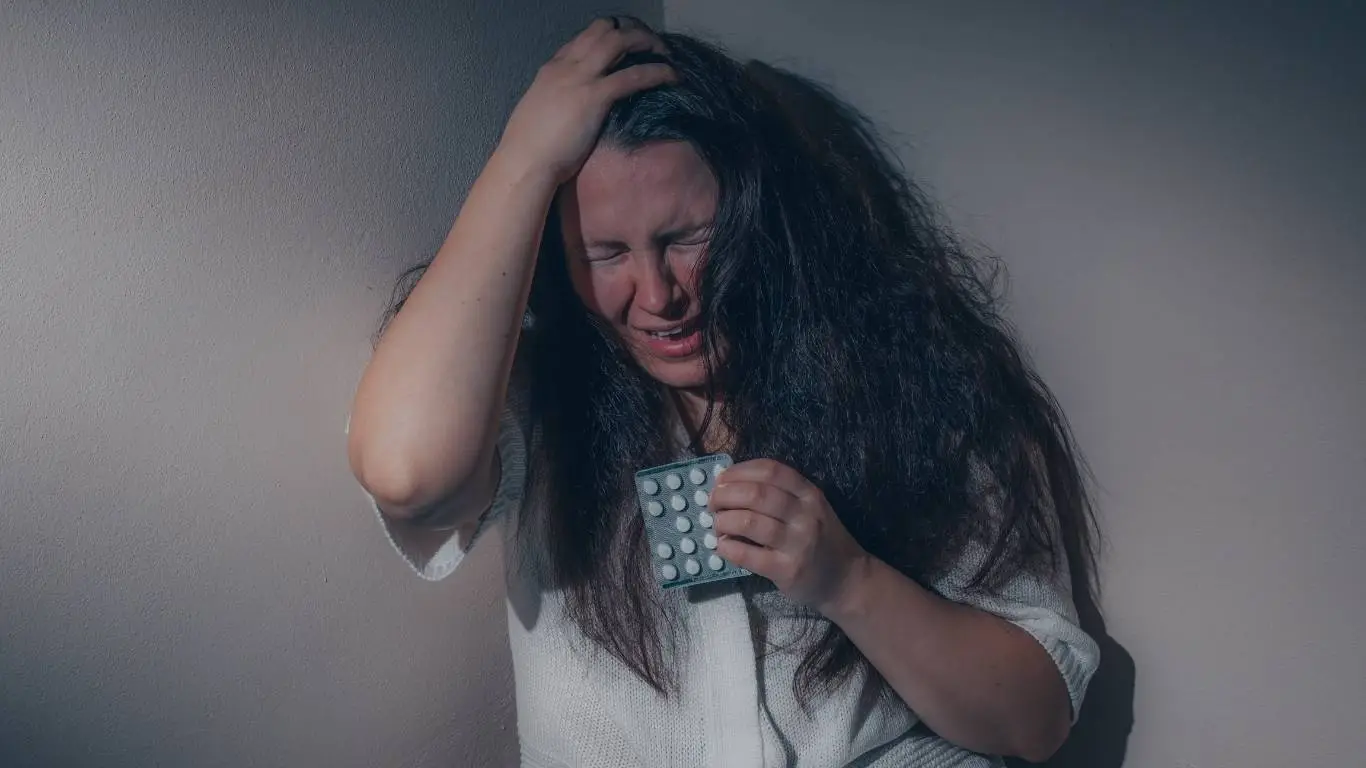
There was a time I genuinely believed my period symptoms were abnormal—crippling cramps, unexplained dizziness, and days of overwhelming exhaustion. After countless doctor visits, I started wondering if it was “all in my head.” Turns out, it wasn’t. Anxiety has a sneaky way of magnifying physical sensations, making normal period discomforts feel catastrophic.
This phenomenon, often referred to as “somatic amplification,” is when anxiety heightens your sensitivity to bodily sensations. It’s the same reason why a mild headache can spiral into a full-blown health panic. If this sounds familiar, you’ll want to read more about health anxiety symptoms and how they quietly disrupt your daily life.
How Anxiety Alters Perception of Pain
- Hypervigilance: Anxiety keeps your body in a constant state of “high alert,” making you hyper-aware of every twinge and ache.
- Catastrophic Thinking: A normal cramp becomes “something is seriously wrong.”
- Negative Feedback Loop: The more you focus on the pain, the more intense it feels, which fuels more anxiety.
One of the best strategies I’ve adopted is grounding techniques. Simple things like holding a cold glass of water or focusing on the sensation of my feet against the floor helped snap me out of anxiety spirals during my period.
Sleep Struggles: Anxiety, Hormones, and Insomnia
Sleep became a battleground for me during my cycle. I would toss and turn, mind racing with irrational fears, only to wake up exhausted and more anxious the next day. It’s a vicious cycle—anxiety disrupts sleep, poor sleep worsens anxiety, and hormonal shifts amplify both.
According to Sleep Foundation, women are more prone to insomnia due to hormonal changes, and when anxiety is part of the equation, sleep disturbances become even more severe.
Improving Sleep During Anxiety-Heavy Cycles
- Stick to a calming bedtime routine, no matter how chaotic the day feels. These calming bedtime routines for anxiety genuinely helped me.
- Limit screen time an hour before bed—blue light is not your friend during anxiety flare-ups.
- Experiment with relaxation music—it’s more effective than you’d expect for quieting an overactive mind.
- Herbal teas like chamomile or lavender were surprisingly calming, especially when anxiety-induced restlessness hit hard. This guide on herbal teas for anxiety became my evening go-to.
When Anxiety Feeds Social Withdrawal During Your Period
I remember countless social events where I RSVP’d “yes” and then canceled last minute because the thought of socializing while battling period-induced anxiety felt unbearable. Social withdrawal is a common coping mechanism, but it often backfires by increasing feelings of isolation.
Understanding that this tendency was more about managing overwhelming sensations rather than being “anti-social” was a mindset shift for me. If this resonates, this article on why social withdrawal due to anxiety quietly destroys connection will be eye-opening.
How to Ease Social Anxiety During Menstrual Cycles
- Plan Smaller Social Interactions: Opt for one-on-one meetups rather than large gatherings.
- Communicate Honestly: Let trusted friends know you’re struggling with anxiety during this time.
- Set Boundaries: Give yourself permission to leave early or step away if things feel overwhelming.
How Diet Choices Can Calm (or Fuel) Anxiety During Your Period
There was a point where I didn’t think food had much to do with my anxiety. Spoiler: I was wrong. Processed foods, high sugar snacks, and too much caffeine made my anxiety spiral out of control during my period.
Switching to a more balanced diet, especially during the second half of my cycle, had a profound impact on my mental clarity and emotional stability. If you’re curious about how your diet could be fueling anxiety, you’ll want to read this piece on processed foods and their hidden impact on anxiety.
Foods That Helped Me Most
- Omega-3 rich foods like salmon and chia seeds
- Complex carbs—whole grains helped stabilize blood sugar spikes
- Leafy greens loaded with magnesium
- Probiotic-rich foods like yogurt for gut-brain health
You can dive deeper into nutrition strategies for managing anxiety which align well with hormonal health too.
Building Resilience: Small Habits That Made a Big Difference
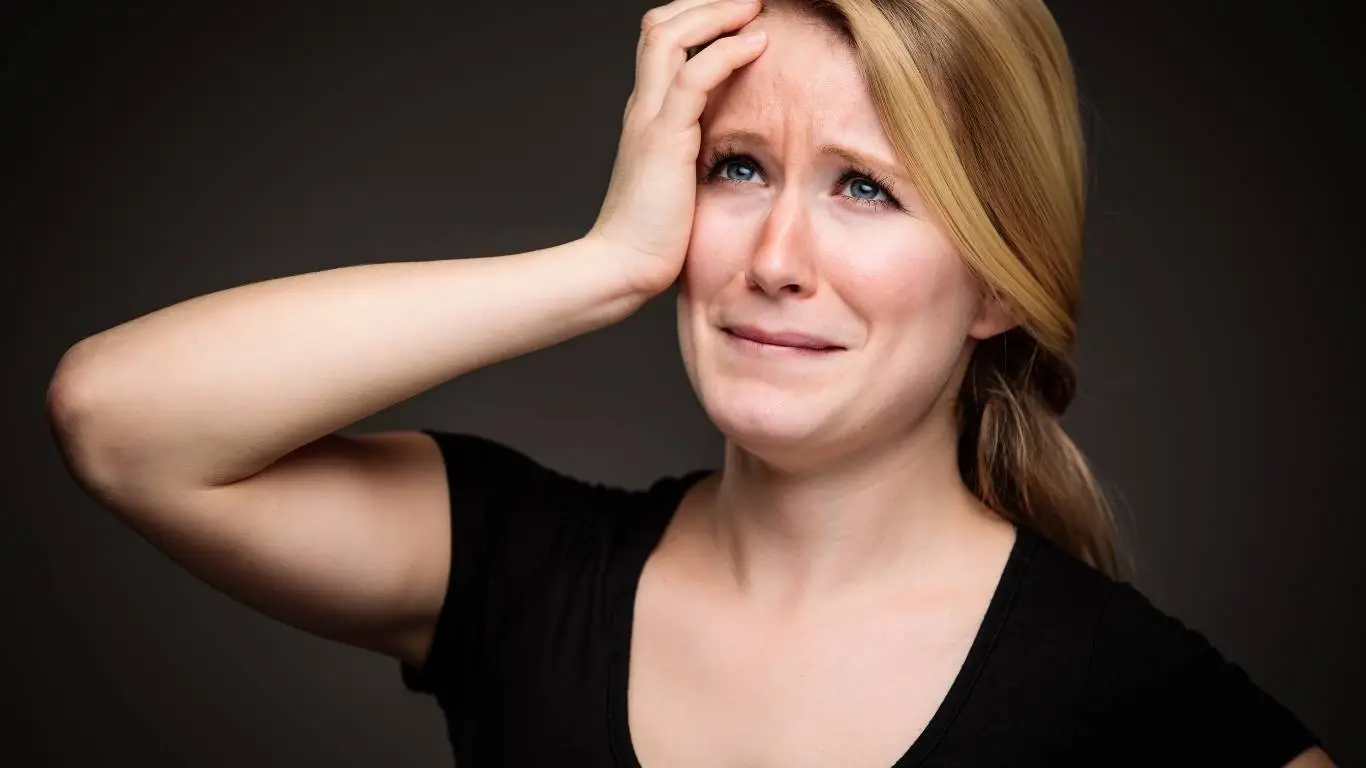
One thing I’ve learned is that managing anxiety during your menstrual cycle isn’t about finding a magic fix—it’s about building small, sustainable habits that support both your body and mind. The following daily tweaks became non-negotiables for me:
- Keeping a simple daily journal to track mood patterns and triggers.
- Sticking to a consistent hydration routine (dehydration amplifies anxiety more than people realize).
- Practicing quick grounding exercises during anxiety spikes—things like 5-4-3-2-1 sensory awareness became my lifesaver.
- Regular low-impact movement like yoga or stretching, especially when full workouts felt overwhelming.
If you’re looking to explore more lifestyle-focused approaches, this comprehensive guide on anxiety disorders lifestyle and self-help strategies is an excellent place to start.
Breaking the Stigma: You’re Not Overreacting
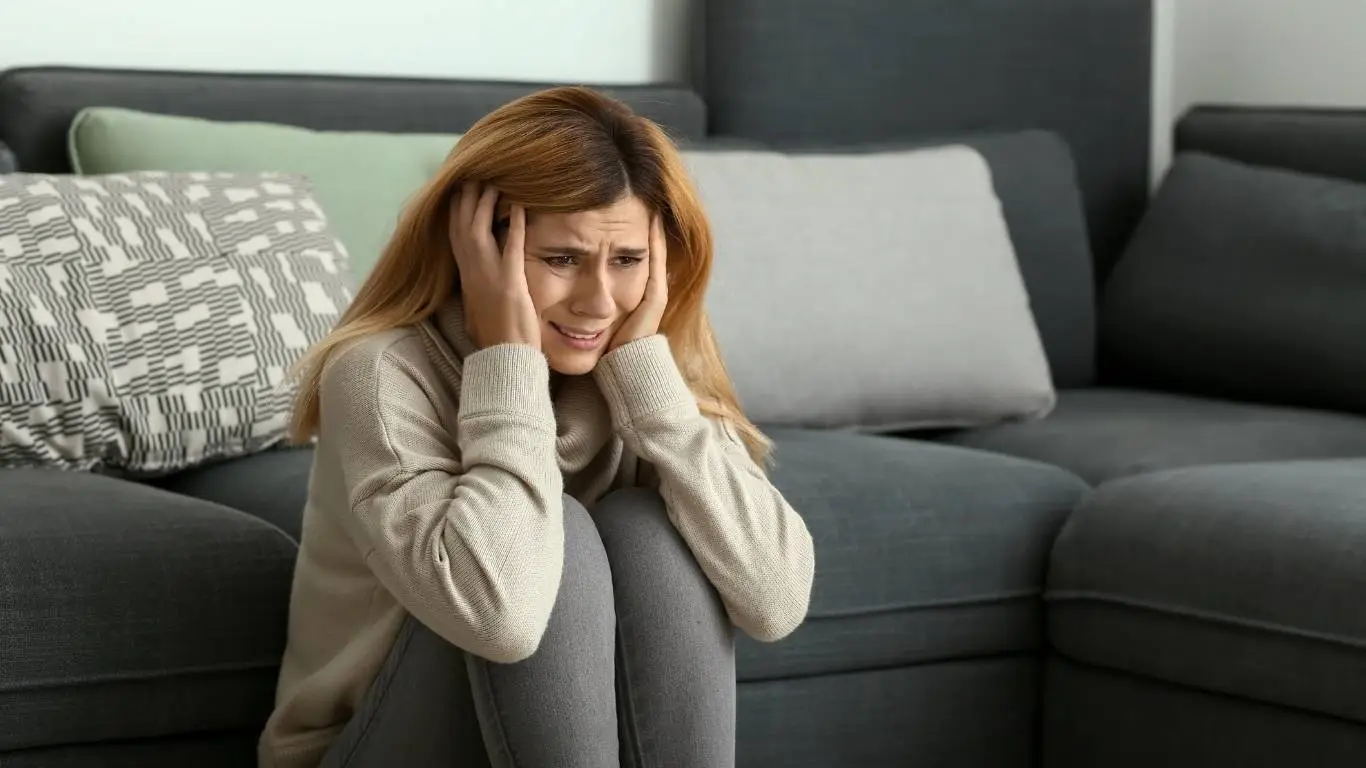
For the longest time, I internalized the narrative that I was “overreacting” or “too sensitive” when in reality, my body and mind were navigating a complex interplay of hormones and anxiety. Talking openly about these struggles with friends—and seeing how many of them experienced the same thing—was incredibly validating.
If you’ve ever been made to feel like you’re exaggerating your anxiety symptoms during your cycle, know this: you’re not. The biological, emotional, and psychological ties between anxiety and menstruation are very real. The more we acknowledge this, the better equipped we are to support ourselves and each other.
For a deeper dive into how anxiety subtly shapes daily routines, I recommend this must-read article on how anxiety in daily life quietly disrupts your routine. It connects the dots between unnoticed anxiety patterns and everyday struggles.

Camellia Wulansari is a dedicated Medical Assistant at a local clinic and a passionate health writer at Healthusias.com. With years of hands-on experience in patient care and a deep interest in preventive medicine, she bridges the gap between clinical knowledge and accessible health information. Camellia specializes in writing about digestive health, chronic conditions like GERD and hypertension, respiratory issues, and autoimmune diseases, aiming to empower readers with practical, easy-to-understand insights. When she’s not assisting patients or writing, you’ll find her enjoying quiet mornings with coffee and a medical journal in hand—or jamming to her favorite metal band, Lamb of God.