
Simple Screen Glare Correction Tips That Help Reduce Migraines
Last month, I found myself squinting at my laptop, battling a creeping headache that felt all too familiar. If you’ve ever experienced migraines from harsh screen glare, you know how a simple email reply can turn into a full-blown battle against pounding temples. After years of trial and error, I’ve discovered some screen glare correction techniques that are absolute game-changers. Let’s dive into how you can tame screen glare and prevent it from hijacking your day.
Understanding Why Screen Glare Triggers Migraines
Screen glare is more than just an annoyance. For many of us prone to migraines, it acts as a stealthy trigger. Glare forces your eyes to strain, your neck to tense, and your brain to overcompensate for poor visual clarity. Over time, this sensory overload translates into migraine attacks.
Interestingly, studies have shown that people with light sensitivity, or photophobia, are more susceptible to migraines caused by excessive screen brightness. The American Migraine Foundation highlights that adjusting your visual environment plays a crucial role in reducing migraine frequency.
Screen Settings that Can Save Your Brain
Let me tell you, fiddling with my screen settings was one of the easiest yet most effective migraine hacks. Here’s what worked wonders:
Brightness and Contrast Calibration
It might sound basic, but setting your screen’s brightness to match ambient light can drastically cut down glare-induced migraines. Cranking it up isn’t always better. Use a light meter app or simply trust your eyes—if it feels like the screen is outshining the room, it’s too bright.
Blue Light Filters
Blue light might not directly cause migraines, but it sure doesn’t help. Using built-in blue light reduction settings (like Night Shift or Eye Comfort modes) or apps like f.lux can relieve digital eye strain. Here’s a deeper dive on blue light’s impact on migraines if you’re curious.
Anti-Glare Screen Protectors
This one’s a personal favorite. After applying a matte screen protector, the reduction in reflections was immediate. It also made working near windows a lot less punishing. I found myself working longer without the nagging tension behind my eyes.
Workspace Lighting Hacks
Glare isn’t just about your screen—it’s also about what’s bouncing off it. Overhead fluorescent lights used to be my worst enemy. Here are some lighting tweaks that saved my sanity:
- Switch to Warm LED Bulbs: Soft white (2700K-3000K) bulbs create a cozy, glare-free workspace.
- Use Task Lighting: Position desk lamps to light your workspace indirectly, avoiding reflections on the screen.
- Control Natural Light: Adjustable blinds and sheer curtains are a must. I learned the hard way that sunny afternoons could derail my productivity without them.
Essential Ergonomic Adjustments
Ergonomics isn’t just about fancy chairs. It’s about positioning everything to minimize strain. A few small tweaks can create a migraine-friendly workspace:
- Monitor Position: Ensure your monitor is at eye level, about an arm’s length away. Looking down or up strains neck muscles, and you know where that leads—migraine city.
- Matte Surfaces: Glossy desks and walls bounce light back at you. I slapped on a matte desk pad, and boom—no more annoying reflections hitting my screen.
- Reduce Multi-Screen Glare: If you’re a dual monitor user, align them so the primary screen faces away from direct light sources.
Smart Device Usage Habits
Sometimes, it’s not the device—it’s how we use it. I used to binge-watch shows on my tablet in pitch darkness, wondering why I’d wake up with a migraine the next day. Here’s how I changed my habits:
- 20-20-20 Rule: Every 20 minutes, look at something 20 feet away for at least 20 seconds. This simple trick gives your eyes a much-needed break.
- Screen Time Caps: I set app limits for social media and news apps. Overstaying your welcome on screens is a silent migraine accelerator.
- Use Night Mode Themes: Dark mode isn’t just trendy—it’s functional. Switching apps and browsers to dark mode eased my evening screen time immensely.
For more in-depth migraine-friendly screen habits, you can explore this comprehensive guide on screen time overuse and migraines.
When Glare Becomes a Symptom Amplifier
Ever noticed how some days, no matter how dim the screen, the glare still feels unbearable? That’s your migraine warning system kicking in. Increased light sensitivity often signals the prodrome phase of a migraine. I can usually tell a migraine is brewing when even the soft glow of my phone feels like a spotlight.
If you’re dealing with persistent light-triggered migraines, it’s worth exploring how photophobia connects with other symptoms. I found this resource on light and sound sensitivity during migraines incredibly insightful.
On a broader note, understanding all migraine triggers can be overwhelming, but having a reliable reference like this Migraine Triggers Pillar Guide is a lifesaver. For a comprehensive starting point, I also recommend checking out the main Migraines and Headaches Hub which lays the foundation on everything migraine-related.
Tools and Devices That Help Combat Screen Glare
There came a point when software tweaks and room adjustments weren’t enough for me. That’s when I explored physical tools designed specifically to battle screen glare. Honestly, these upgrades made my digital workspace feel like a wellness retreat for my eyes.
Anti-Glare Monitor Filters
Not to be confused with basic screen protectors, these filters are designed with advanced glare-diffusion layers. I installed one on my primary monitor, and it was like flipping a switch—no more bouncing reflections from overhead lights. The added bonus? They also cut down fingerprint smudges.
If you’re curious about which devices are making waves in migraine relief technology, here’s a helpful roundup of top migraine relief devices that goes beyond just screens.
Polarized Computer Glasses
While blue-light glasses are common, polarized lenses offer another layer of protection. They minimize horizontal glare from screens and glossy surfaces. I was skeptical at first, but after a week of use, I noticed significantly fewer migraine flare-ups after long editing sessions.
Desk-Mounted Light Diffusers
Think of these as softboxes for your desk. They sit between your light source and workspace, dispersing harsh beams into a more even, eye-friendly glow. For me, this was essential in rooms where changing overhead lighting wasn’t an option.
Creating a Migraine-Safe Digital Routine
No matter how optimized your setup is, long exposure to digital screens is still risky. I learned (often the hard way) that sustainable digital habits are key. Here’s what I’ve incorporated into my daily rhythm:
- Scheduled Digital Detoxes: Taking two 10-minute off-screen breaks during my workday helped reset my visual system.
- Mindful Screen Use: I avoid using multiple screens simultaneously unless absolutely necessary. Multitasking on screens used to skyrocket my migraine triggers.
- End-of-Day Screen Curfew: I stop using non-essential devices at least an hour before bed. Scrolling through social feeds right before sleep almost guarantees a migraine hangover for me.
If you’re juggling migraines with a hectic work routine, you’ll find these workplace migraine strategies incredibly useful. Implementing even a few can transform your daily workflow.
When to Seek Professional Advice
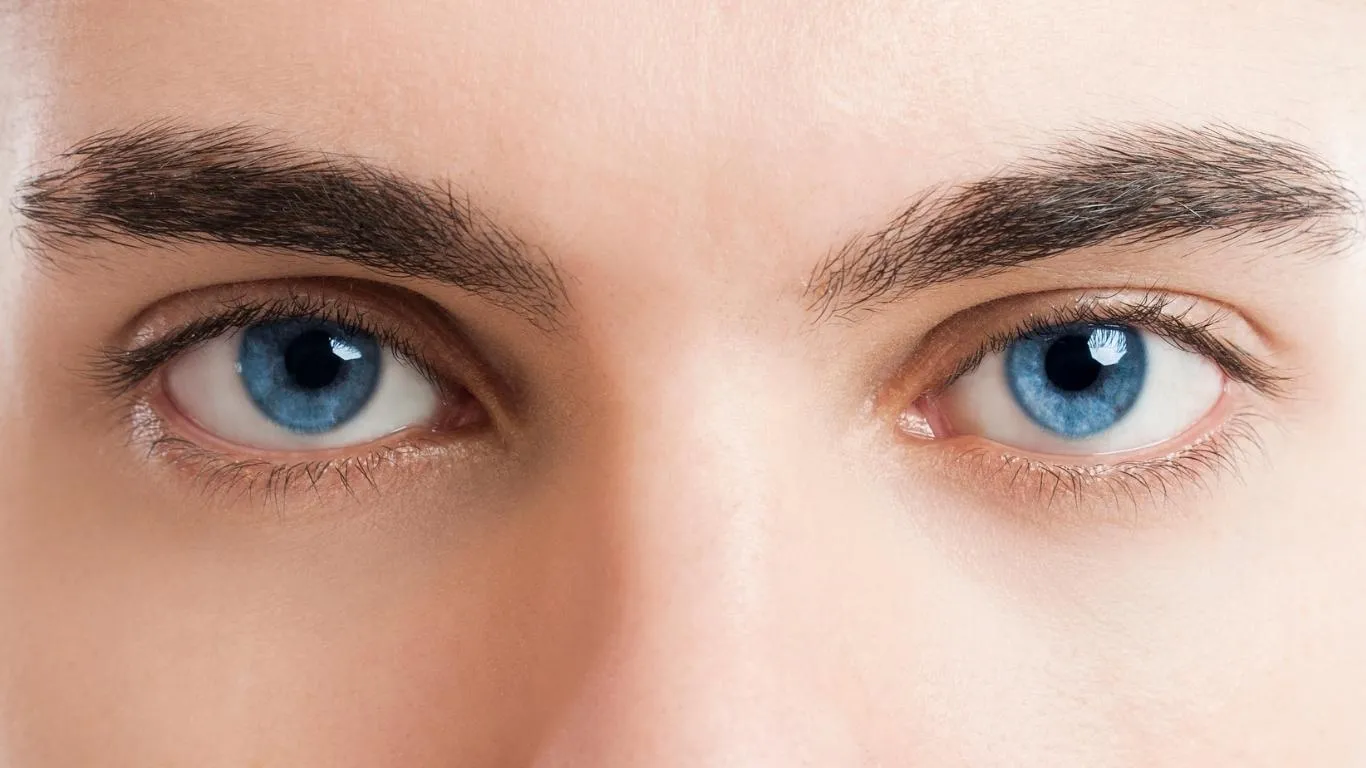
There’s a fine line between manageable discomfort and signals your body’s sending that need expert attention. If you notice that screen glare consistently leads to visual disturbances like floaters, blurred vision, or aura symptoms, it’s time to consult a specialist. I personally found visiting a neurologist who specializes in migraines was a pivotal step in managing my condition holistically.
It’s also worth exploring diagnostic strategies to understand your triggers better. This comprehensive guide on migraine diagnosis will give you a clearer picture of what steps to take next.
Complementary Therapies That Can Support Glare Correction

While hardware solutions are essential, I found that supporting my visual health through lifestyle therapies made a noticeable difference. For me, it wasn’t just about blocking the glare, but also about building my body’s resilience against visual triggers.
Yoga and Gentle Stretching
Neck and shoulder tension directly influences how light sensitivity affects me. Regular yoga sessions focusing on posture and spinal alignment helped reduce the intensity of migraines induced by poor screen ergonomics. If you’re curious about mind-body approaches, explore how yoga can assist migraine management.
Mindfulness and Guided Imagery
I used to scoff at the idea of mindfulness apps, but after a particularly brutal migraine week, I gave guided imagery a try. Visualizing calm, dim-lit spaces during short breaks significantly eased my eye strain and overall tension.
Nutritional Support
Surprisingly, magnesium supplements had a noticeable impact on my screen-triggered migraines. I wasn’t aiming for a miracle cure, but the cumulative benefits were real. For those considering dietary adjustments, here’s a solid guide on magnesium’s role in migraine prevention.
Preventive Lifestyle Habits That Make a Difference
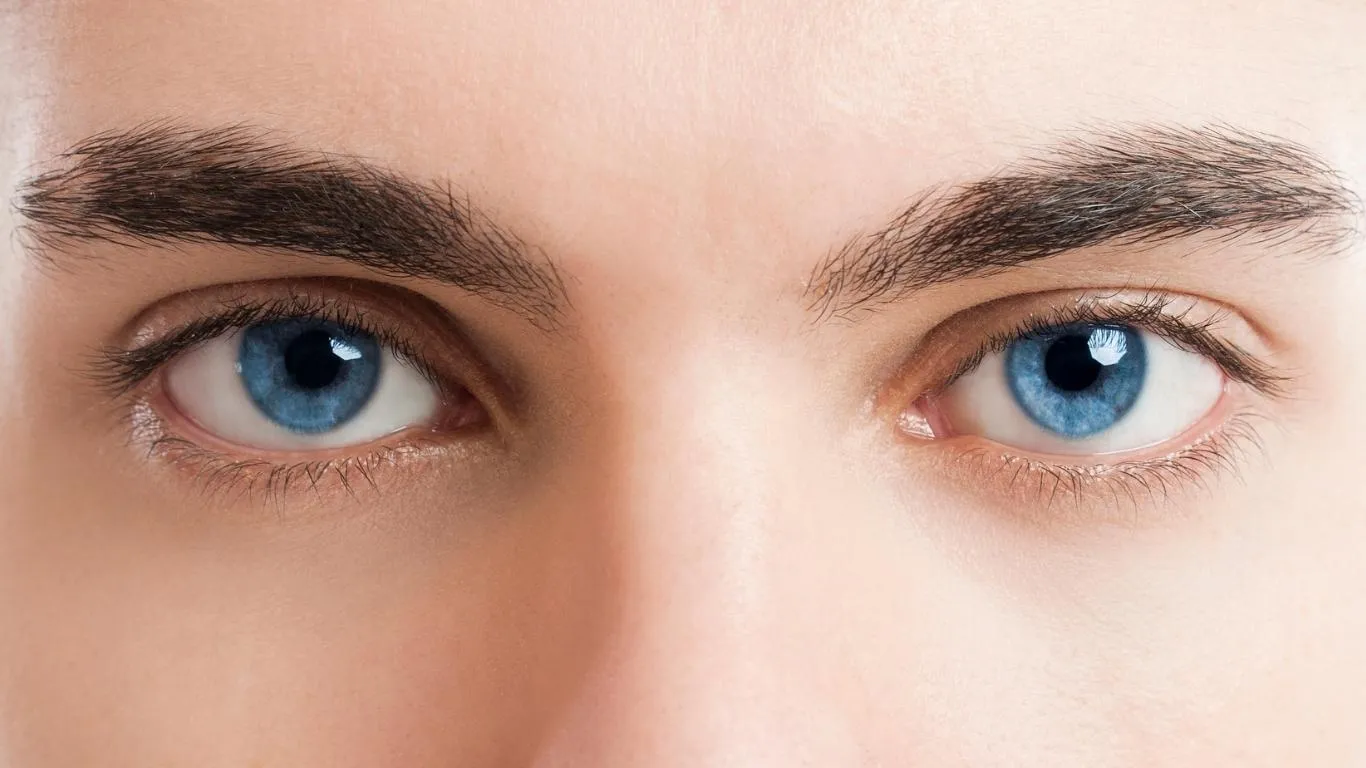
At the end of the day, managing screen glare isn’t just about the tech fixes—it’s about fostering an environment and routine that prioritizes your neurological well-being. From investing in glare-reducing setups to mindful daily practices, it’s all about layering small changes that cumulatively make a big impact.
If you want a broader understanding of proactive strategies, the in-depth guide on migraine prevention methods is an excellent resource.
For a foundational knowledge base on migraine science and management, I highly recommend visiting our Understanding Migraines pillar article. It connects the dots between triggers, symptoms, and treatment approaches in a practical way.

Bianca Nala is a compassionate Nurse Practitioner with a strong background in primary and respiratory care. As a health writer for Healthusias.com, she combines her clinical expertise with a talent for clear, relatable storytelling to help readers better understand their health. Bianca focuses on topics like asthma, COPD, chronic cough, and overall lung health, aiming to simplify complex medical topics without losing accuracy. Whether she’s treating patients or writing articles, Bianca is driven by a single goal: making quality healthcare knowledge accessible to everyone.