Why Floaters Get Worse After Being Near Diffused Lighting
Ever noticed those annoying little specs or shadowy threads drifting in your vision, especially after you’ve been sitting under diffused lighting for a while? You’re not alone. As someone who spends way too much time in cozy coffee shops with those soft pendant lights or staring at my computer under ceiling diffusers, I can tell you—floaters love to make an appearance when you’re near that kind of lighting. But why does this happen? And should you be worried? Let’s dive into the curious case of floaters after being near diffused lighting.
Understanding Eye Floaters: Why They Appear When You Least Expect
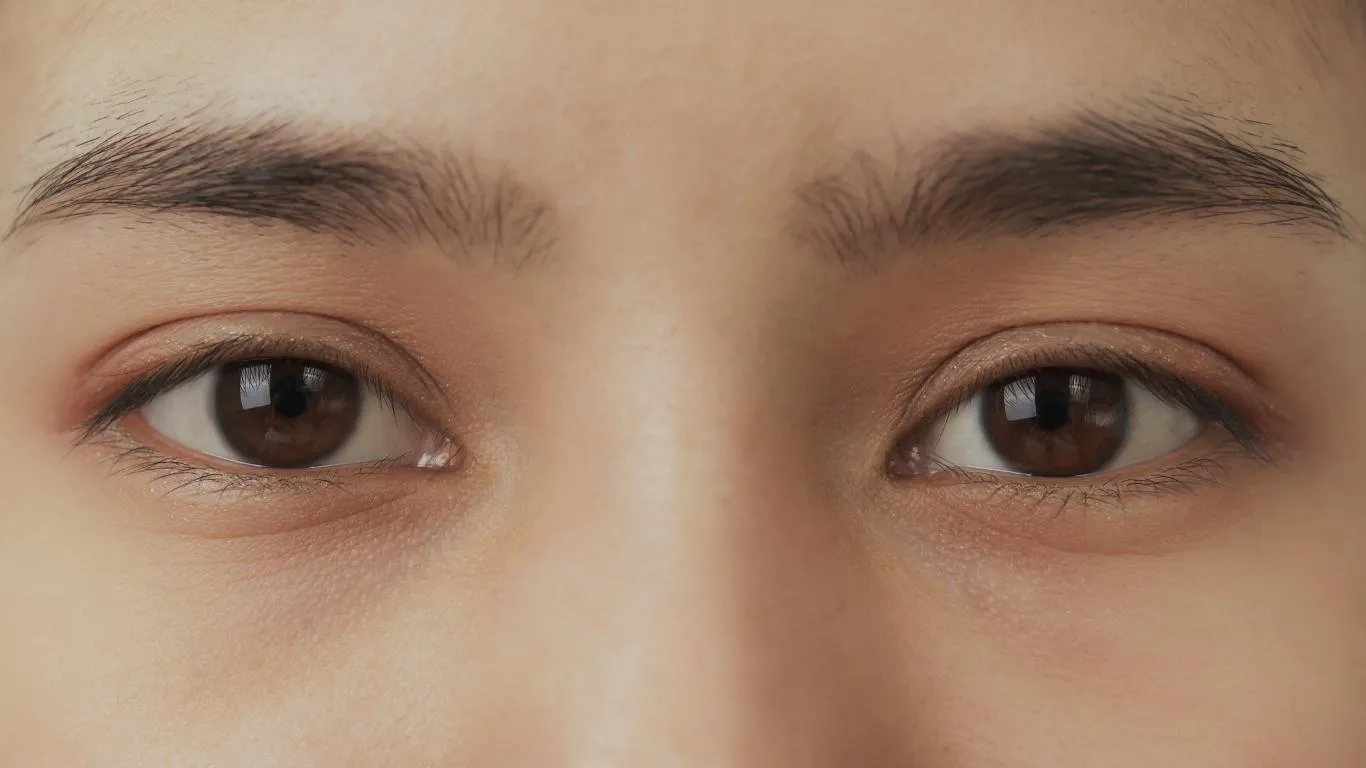
Eye floaters are those semi-transparent shapes that drift lazily across your field of vision. Most of the time, they’re harmless—just little clumps of collagen floating around in the vitreous gel inside your eye. But here’s the kicker: lighting plays a massive role in how visible these floaters are.
When you’re near diffused lighting, like in an office with soft ceiling panels or a room with sheer curtains, the light scatters more evenly across your visual field. This backlighting effect makes floaters stand out, turning an otherwise invisible nuisance into a visual distraction you can’t ignore.
My Personal Battle With Floaters in Softly Lit Spaces
I first noticed floaters becoming a problem during evening reading sessions. My favorite reading corner has this beautiful diffused lamp that bathes the entire area in a soft glow. Lovely ambiance, yes. But for my floaters? A playground. I’d move my eyes slightly, and there they were—dancing around like uninvited guests at a dinner party.
Turns out, this is a textbook example of how ambient lighting reveals what’s otherwise invisible. It’s also a reason why floaters become hyper-visible when you’re working under soft photography studio lights or those minimalist diffused fixtures in modern workspaces.
Why Diffused Lighting Amplifies Floater Visibility
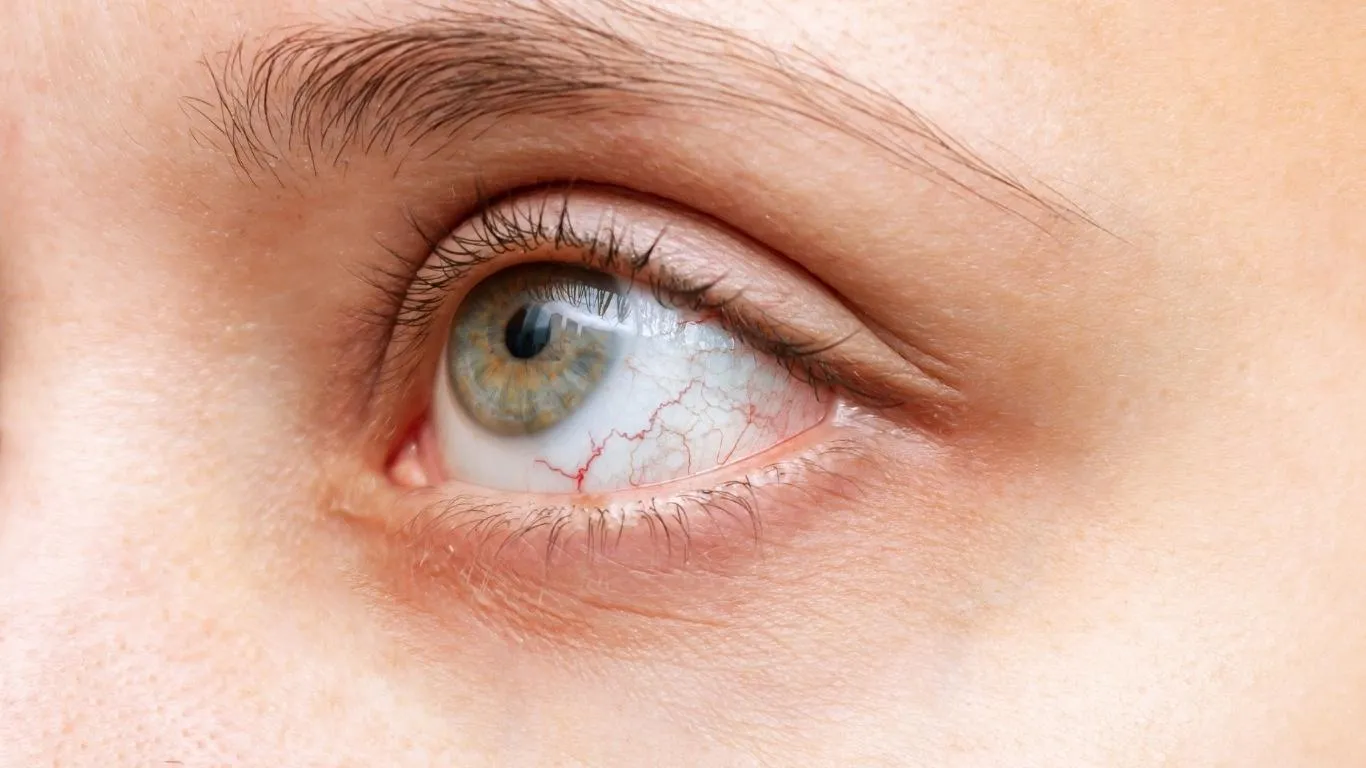
The science behind this is actually pretty straightforward. Floaters become noticeable when there’s a uniform light source that doesn’t create harsh shadows. Diffused lighting does just that—it eliminates sharp contrasts, making the vitreous floaters catch light in a way that makes them stand out more prominently.
The Role of Pupil Dilation in Soft Lighting Conditions
Another sneaky factor? Pupil dilation. In dimmer, diffused lighting, your pupils expand to let in more light. This wider aperture can increase the sharpness of floaters, making them more defined against the softly lit backdrop. If you’ve been wondering why your floaters appear out of nowhere during a dimly lit dinner or while binge-watching under soft LED ceiling lights, this could be the reason.
Are Certain People More Prone to This Phenomenon?
Absolutely. If you’re nearsighted like me, you’re already at a higher risk. Add in aging (which causes the vitreous to liquefy), or spend a lot of time under soft lighting, and you’re in prime floater-visibility territory. Also, if you’ve had recent eye surgeries, like LASIK, you might notice floaters appearing more vividly under certain lighting conditions. Here’s an in-depth look at why LASIK-triggered floaters become more annoying in soft light environments.
Could This Be a Sign of Something More Serious?
While most floaters under diffused lighting are benign, sudden increases or accompanying flashes of light should never be ignored. Conditions like posterior vitreous detachment (PVD) often manifest with these symptoms. For a thorough guide on when floaters become a medical concern, I highly recommend reading this detailed article about warning signs of eye floaters.
In my own experience, I had a phase where floaters became more intense right after a heavy workout session under soft gym lights. I brushed it off as fatigue, but it was actually a minor PVD in progress. Thankfully, it wasn’t serious, but it was a wake-up call to pay attention to my visual cues.
Can You Reduce Floater Visibility in Diffused Lighting?
Here’s the good news—you can manage floater distractions without giving up your favorite soft-lit spaces. A few tips that worked for me:
- Change your focal point often: Moving your gaze frequently can help shift floaters out of your central vision.
- Adjust ambient light intensity: Sometimes, adding a secondary sharper light source helps dilute the floater effect.
- Keep your eyes hydrated: Dry eyes exacerbate floater sensitivity under certain lighting. Artificial tears can offer quick relief.
- Consider reading up on hydration techniques that minimize floaters.
Are There Medical Solutions?
For persistent cases, treatments like laser vitreolysis or vitrectomy are available, though they are typically recommended for severe floater issues. Before you consider those, read this comprehensive guide on treatment options for eye floaters.
If you’re curious about the root causes and want a detailed breakdown, this pillar article on causes and treatments of floaters is a must-read.
Why Diffused Lighting Triggers a Floater “Magnifying Glass” Effect
You know that feeling when you walk into a softly lit boutique or a spa, and suddenly those floaters you didn’t notice all day decide to steal the spotlight? That’s what I like to call the “magnifying glass effect.” Diffused lighting scatters photons evenly, which ironically gives those microscopic clumps in your eye a better stage presence. It’s almost as if the lighting is handing them a microphone and saying, “Go ahead, perform!”
This phenomenon is even more pronounced if you’re focusing on plain backgrounds—like a white wall or a light-colored desk. In fact, during my home office renovation, I swapped my textured wallpaper for a smooth matte white wall. Huge mistake. The floaters became glaringly obvious, especially in mid-morning light through sheer blinds.
Activities That Exacerbate Floaters in Softly Lit Spaces
Here’s where it gets tricky—daily habits can unknowingly amplify floater visibility in diffused light. Some classic offenders include:
- Reading on tablets with backlit screens in dim rooms. The combination of screen glow and soft ambient light is a recipe for floaters galore.
- Working long hours under overhead diffused office lighting. If you’ve felt floaters become more frequent during late afternoon meetings, this could be why.
- Watching TV in living rooms with minimal direct light. Ambient light strips and soft ceiling fixtures bring floaters into sharp focus against bright screens.
One overlooked scenario? Post-gym sessions in wellness centers that use low-intensity diffused lighting. I learned this the hard way after a yoga class when my floaters seemed to “float” more actively than usual. You might want to check out this insight on how floaters behave after sauna and wellness sessions for a deeper dive into similar experiences.
Is There a Way to “Train” Your Eyes to Ignore Floaters?
While you can’t eliminate floaters through willpower, you can retrain your brain’s response to them. After all, our brains are masters at filtering out unnecessary noise—both audio and visual. Here’s what worked for me:
- Mindful eye tracking: Slowly moving your gaze in a circular motion can reposition floaters out of the focal zone.
- Focal shifts: Deliberately changing focus between distant and near objects helps ‘reset’ floater prominence.
- Controlled blinking patterns: I found that slow, deliberate blinking can lessen floater intrusion during tasks like reading or typing.
Additionally, I discovered some simple eye exercises that genuinely help manage floater distractions, especially in softly lit environments where they tend to pop up most.
How Your Lifestyle Choices Influence Floater Sensitivity
It’s not just lighting; lifestyle factors also determine how badly floaters will bug you in those softly illuminated spaces. Poor hydration, lack of sleep, and extended screen exposure make vitreous inconsistencies more pronounced. I once went through a phase of late-night coding marathons, and boy, those floaters took full advantage of the soft lighting in my workspace.
For anyone spending excessive hours in front of screens, you might want to explore this piece on how digital eye strain worsens floaters.
Floaters After Diffused Lighting Exposure: When to See a Specialist
Let’s get serious for a second. While floaters in diffused lighting are usually benign, there are red flags you shouldn’t ignore. Sudden floater storms, floaters accompanied by peripheral flashes, or a curtain-like shadow encroaching your vision could indicate retinal tears or detachment. That’s when you drop everything and see a specialist.
There’s a comprehensive guide on how floaters could signal retinal issues. I can’t emphasize enough how crucial it is to stay informed.
Practical Lighting Adjustments to Tame Floater Distractions
Now, if you’re like me and aren’t ready to give up your beloved diffused-light setups, there are ways to make them more floater-friendly:
- Layer your lighting: Use a combination of diffused and directional task lighting. This breaks up the uniform backlight that makes floaters pop.
- Introduce soft textures: Adding textured curtains, wall art, or patterned wallpapers can create visual depth, which distracts from floaters.
- Avoid pure white backgrounds: Opt for off-white or muted tones in workspaces to minimize floater contrast.
In my home office, simply adding a warm-toned desk lamp next to my diffused ceiling panel drastically reduced floater visibility during work sessions. For those of you in similar situations, this small tweak could work wonders.
Monitoring Floaters: When Diffused Light Becomes a Diagnostic Tool
Oddly enough, diffused lighting can act as an early detection tool. Since it highlights floaters more effectively, it can help you notice changes in frequency or shape. I often use softly lit environments to “check in” on my floaters, ensuring there’s no sudden surge that could indicate underlying issues.
For a deeper understanding of floater progression and monitoring, the tracking guide for floaters is incredibly useful.
Also, if you’re still curious about the broader landscape of floaters, their causes, symptoms, and professional treatments, this comprehensive pillar article is a must-read for getting a holistic understanding of the topic.

Camellia Wulansari is a dedicated Medical Assistant at a local clinic and a passionate health writer at Healthusias.com. With years of hands-on experience in patient care and a deep interest in preventive medicine, she bridges the gap between clinical knowledge and accessible health information. Camellia specializes in writing about digestive health, chronic conditions like GERD and hypertension, respiratory issues, and autoimmune diseases, aiming to empower readers with practical, easy-to-understand insights. When she’s not assisting patients or writing, you’ll find her enjoying quiet mornings with coffee and a medical journal in hand—or jamming to her favorite metal band, Lamb of God.