Why You Notice More Eye Floaters When Looking At Moving Water
Ever found yourself staring at a river or the ocean waves, only to notice tiny squiggly lines or transparent blobs drifting in your vision? Trust me, you’re not alone. I used to think my eyes were playing tricks on me every time I sat by the lake, but those floating specs are very real—and they’re called eye floaters. They’re harmless most of the time, but why do they become so obvious when we’re watching moving water? Let’s dive into that.
Why Moving Water Makes Floaters Stand Out
One of the biggest culprits behind floaters becoming noticeable near water is the contrast. Water surfaces, especially when reflecting sunlight, create dynamic backgrounds of light and shadow. This intense visual activity highlights the subtle opacities within the vitreous gel of your eye, making floaters pop out like never before.
Personally, I always noticed my floaters the most while fishing or just watching a fast-flowing stream. It’s like they suddenly became bold, moving along with the current—except, of course, they weren’t. They were following my eye movements, not the water’s rhythm.
The Science: How Light Interacts with Your Vitreous
The vitreous humor inside our eyes is a gel-like substance that slowly becomes more liquified with age. When we’re near water, especially in bright environments, light enters the eye in unpredictable ways due to the shimmering reflections off the surface. This interaction makes floaters stand out, a phenomenon you’ll often notice during cloud gazing or even looking at a bright computer screen.
Are Floaters When Looking at Water a Cause for Concern?
For most people, the answer is no. Floaters are incredibly common, especially if you’ve hit your 30s or 40s. They’re tiny bits of collagen that cast shadows on the retina. However, if you suddenly see a shower of floaters, flashes of light, or a dark curtain in your peripheral vision, it could indicate something more serious, like a retinal tear.
One of my friends actually experienced this after a weekend of kayaking. He thought it was just typical floater annoyance until it didn’t go away even indoors. A quick visit to his eye doctor revealed early signs of posterior vitreous detachment. Thankfully, it was managed early.
Signs You Shouldn’t Ignore
- Sudden burst of new floaters
- Floaters accompanied by light flashes
- Dark shadows or “curtain” over part of your vision
If any of these symptoms occur, don’t brush it off. Floaters after intense visual tasks like watching rippling water could be a subtle warning sign of retinal issues. You might want to read more on floaters that precede retinal tears.
Common Causes Behind Water-Enhanced Floaters
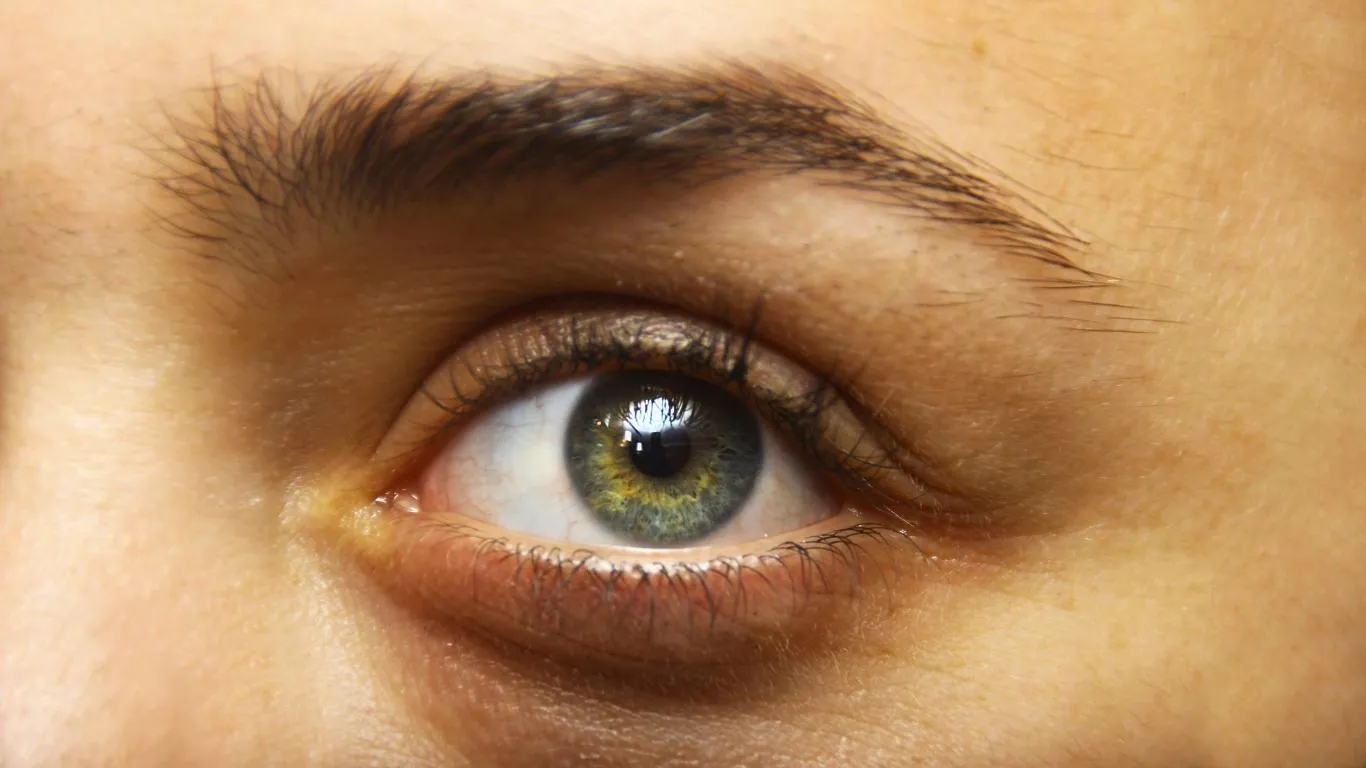
Let’s break down some of the reasons why floaters seem amplified near bodies of water:
- Vitreous Degeneration: As we age, the gel inside our eyes becomes more liquid, allowing debris to float freely.
- Hydration & Eye Health: Dehydration can make floaters more noticeable. I noticed my floaters were far worse after a beach trip where I skipped water and overdid caffeine. This is not uncommon. You might want to check this out: Does Dehydration Worsen Eye Floaters?
- High Contrast Environments: The way sunlight dances on water amplifies the shadows floaters cast on your retina.
Some conditions like lattice degeneration or minor eye traumas can also make floaters appear more prominent when you’re focusing on moving patterns like rippling water.
Is There a Way to Reduce Floaters Visibility?
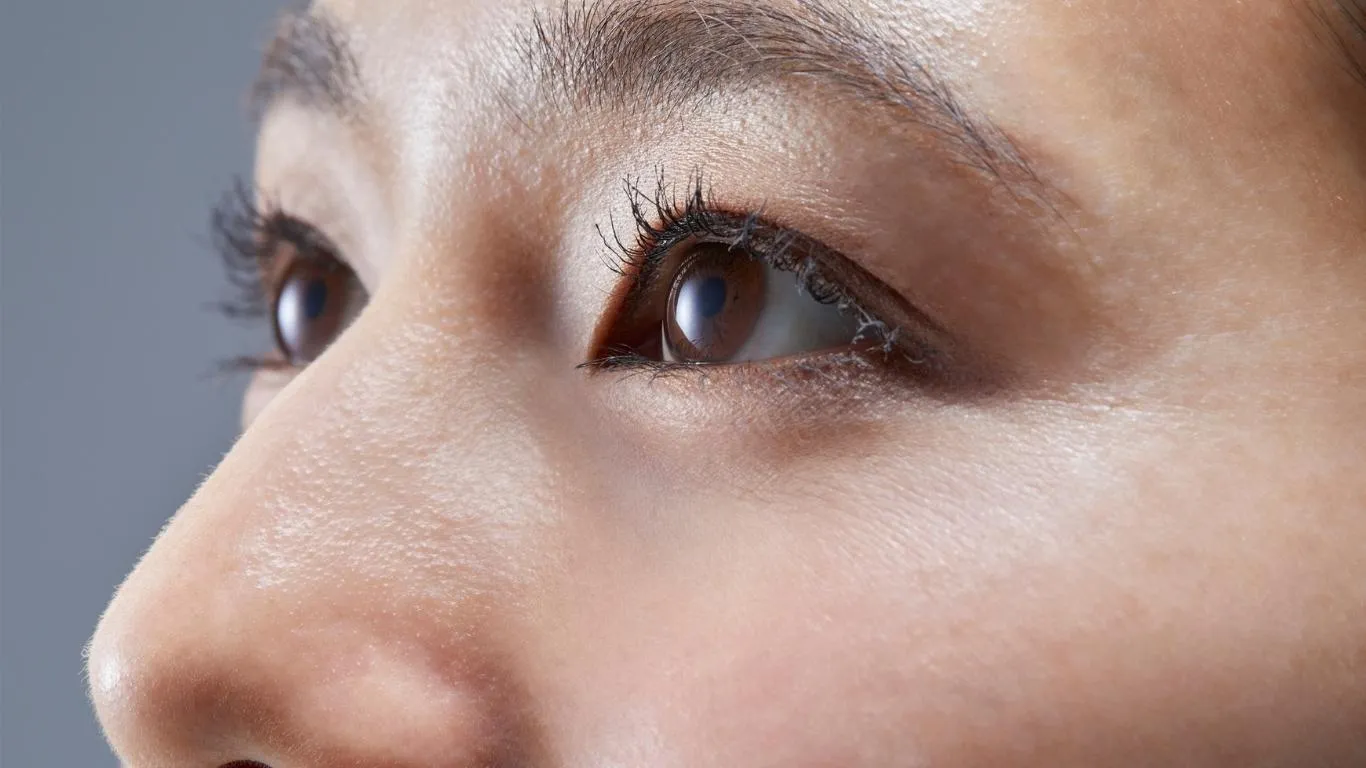
I get asked this a lot: “Can you get rid of floaters?” Well, here’s the deal. In most cases, they fade into the background of your vision over time as your brain learns to ignore them. However, I’ve found that certain lifestyle tweaks can help reduce how much they bother you.
Tips That Actually Help
- Stay Hydrated: Drinking enough water keeps the vitreous gel healthy and lessens floater movement.
- Eye Exercises: Gentle eye movements can sometimes “shift” floaters out of your central vision temporarily.
- Blue Light Glasses: Oddly enough, these glasses helped me reduce the visual distraction when I’m near water or bright backgrounds. Read how computer glasses reduce floater visibility.
For severe cases, treatments range from laser vitreolysis to surgical options, but those are reserved for extreme disruptions. For more comprehensive treatment approaches, you might want to check out this guide on Eye Floater Treatments.
If you want to understand the broader scope of what floaters are and why they happen, the article What Are Eye Floaters? Causes, Symptoms, and Treatment Options is a must-read.
When Water-Related Floaters Become Annoying: What Can You Do?
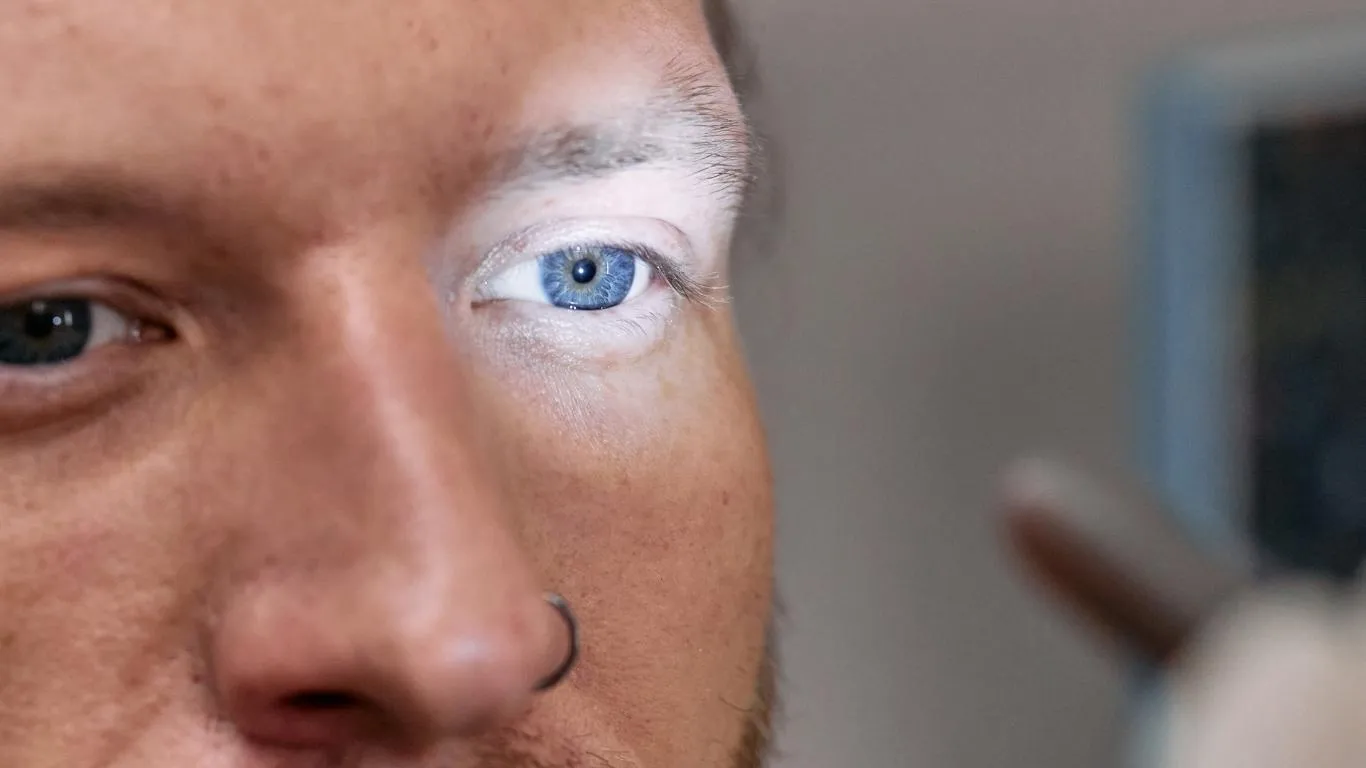
Okay, so you’re by the ocean, trying to enjoy the view, but those pesky floaters keep hijacking your attention. I’ve been there. Honestly, there were days when I considered avoiding water bodies altogether. But here’s the good news — you don’t have to let them ruin your experience.
Floaters tend to be more visible in bright, moving backgrounds, but the key lies in managing how you engage with your surroundings. Small adjustments can make a huge difference.
Practical Techniques to Minimize Floater Distractions Outdoors
- Adjust Your Focus: Instead of fixating on the water’s surface, shift your focus to objects at a different distance. For me, focusing on a distant boat or horizon helped “lose” the floaters.
- Wear Polarized Sunglasses: They reduce glare from water, cutting down the contrast that makes floaters stand out. Plus, they’re just great for eye comfort.
- Blink Frequently: It sounds basic, but blinking keeps the eye’s surface moist, reducing visual artifacts. I’ve noticed floaters calm down when I consciously blink more often.
Sometimes, floaters worsen during prolonged visual strain. If you’re someone who spends a lot of time outdoors or engages in activities like fishing or sailing, keeping these techniques handy is essential. You might find it helpful to read about how visual focus tasks can amplify floaters.
Natural Remedies and Lifestyle Tweaks That Actually Work
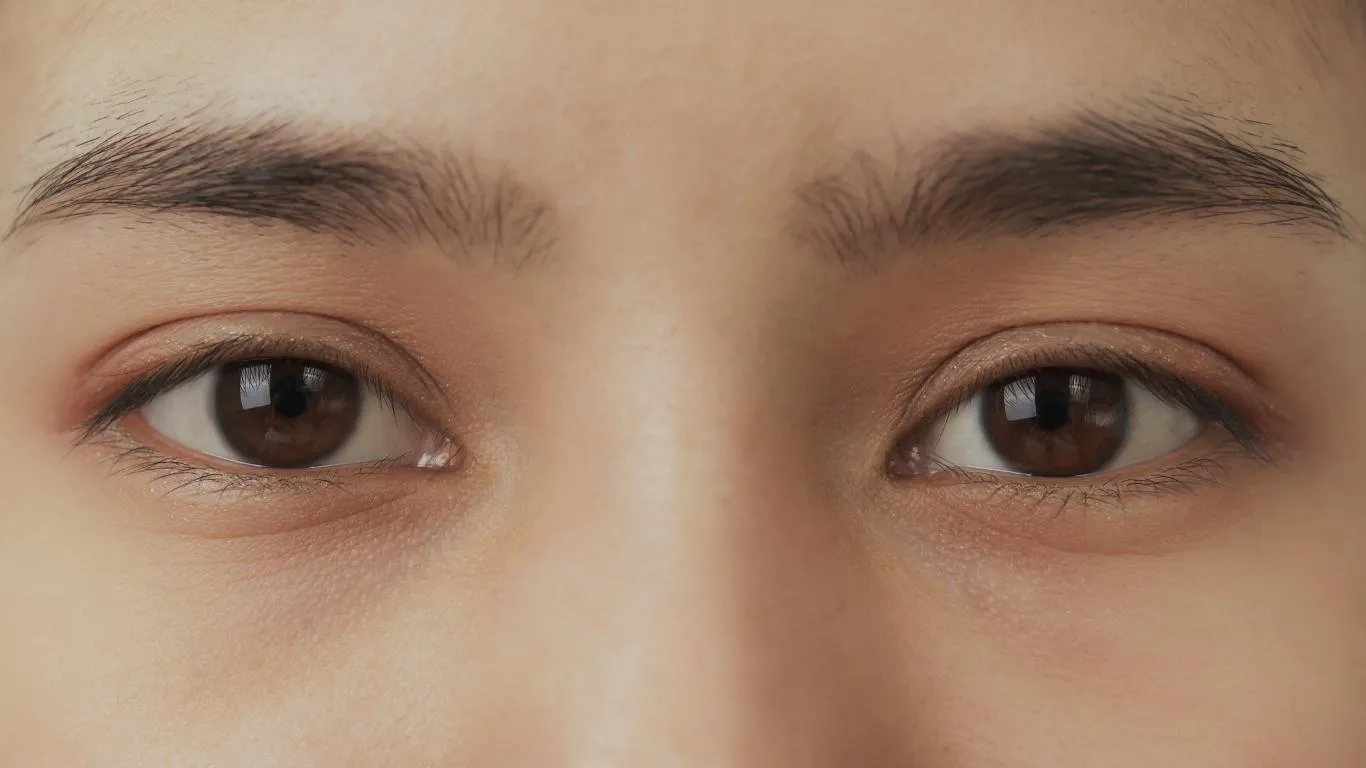
Now, while there’s no magic pill to eliminate floaters instantly, some natural remedies and lifestyle changes can improve how much they affect you.
Simple Yet Effective Solutions
- Hydration is Key: Dehydration exacerbates floater visibility. Trust me, after a long beach day with not enough water, my floaters became downright aggressive. Staying well-hydrated reduces vitreous “junk” floating freely.
- Omega-3 Rich Diet: Incorporating foods rich in Omega-3, like salmon and chia seeds, supports overall eye health. You can also explore diet changes that improve floaters naturally.
- Regular Eye Rest: Avoid staring too long at reflective surfaces without breaks. I follow the 20-20-20 rule — every 20 minutes, I look at something 20 feet away for 20 seconds.
Some also swear by specific eye exercises and supplements, although clinical evidence is mixed. However, I personally noticed a difference after incorporating more lutein-rich foods into my meals, which aligns with expert advice on eye-friendly nutrition.
When Should You Consider Medical Treatments?
For the majority, floaters are a nuisance, not a medical emergency. But there are cases where medical intervention becomes necessary.
Signs You Might Need Professional Help
- Floaters that suddenly multiply in a short period
- Persistent floaters affecting daily activities, even indoors
- Floaters combined with peripheral shadows or flashing lights
Treatments like laser vitreolysis or vitrectomy are options, but these come with risks and are usually reserved for severe cases. Always consult a retinal specialist before considering these procedures. I recommend reading this in-depth guide on Eye Floater Treatment Options for a balanced perspective.
Preventing Floaters from Ruining Outdoor Experiences

Let’s be real — floaters might never fully go away, but they don’t have to control your outdoor moments. Here are a few preventative strategies that worked wonders for me:
- Mind Your Screen Time: Excessive screen exposure can make your eyes more sensitive to floaters. Try digital detox weekends.
- Protective Eyewear: Besides polarized glasses, using wide-brim hats when you’re near water can reduce glare significantly.
- Eye Health Checkups: Regular visits to your optometrist ensure any underlying retinal issues are caught early.
One more thing — floaters can sometimes indicate underlying conditions like vitreous syneresis. If you’re noticing floaters that fluctuate with posture changes or lighting, read more on vitreous syneresis and floaters.
If you’re curious about all the possible causes behind floaters — from aging to injuries — the article on Common Causes of Eye Floaters is a deep dive you should definitely explore.

Camellia Wulansari is a dedicated Medical Assistant at a local clinic and a passionate health writer at Healthusias.com. With years of hands-on experience in patient care and a deep interest in preventive medicine, she bridges the gap between clinical knowledge and accessible health information. Camellia specializes in writing about digestive health, chronic conditions like GERD and hypertension, respiratory issues, and autoimmune diseases, aiming to empower readers with practical, easy-to-understand insights. When she’s not assisting patients or writing, you’ll find her enjoying quiet mornings with coffee and a medical journal in hand—or jamming to her favorite metal band, Lamb of God.