Stop Floaters Distracting You While Reading Motivational Quotes
Ever noticed those annoying little specks or squiggly lines floating across your vision just when you’re deeply engrossed in reading a powerful quote? Trust me, I’ve been there. Picture this: you’re scrolling through a list of uplifting motivational quotes to boost your day, and suddenly, a tiny shadow darts across your line of sight. It’s frustrating, right? These culprits are called eye floaters, and they seem to know exactly when to interrupt your most mindful moments. But don’t worry, we’re diving deep into why these floaters love to show up during your motivational reading sessions and what it really means for your eyes.
Why Do Floaters Become Noticeable When Reading Motivational Quotes?
Floaters are these tiny clumps of collagen fibers floating inside the vitreous humor of your eye. Most of the time, you won’t even notice them, but the moment you fixate on a light-colored background — like a white page or screen filled with black text — they suddenly make an appearance. Reading motivational quotes is the perfect setup for floaters to become front and center.
I remember once, while going through a series of quotes for stress relief, a cluster of floaters danced around like they were mocking my attempt at inner peace. It’s not just annoying; it’s a real distraction when you’re trying to stay motivated.
The High-Contrast Trigger
The reason you notice floaters more when reading is simple — contrast. Black text on a bright white screen or paper creates a high-contrast environment that exposes these translucent specs. Your brain, which usually filters them out, gets tricked because floaters cast subtle shadows on your retina, making them visible against a plain backdrop.
Eye Movement and Floaters While Scanning Text
As you read and your eyes move across lines of quotes, the floaters move too — but slower. They lag behind your eye movements due to the viscosity of the vitreous gel. This lag makes them appear to drift across your reading material, especially when you pause your gaze on an inspiring line. It’s like they know when you’re about to have an “aha!” moment.
Are Floaters a Sign of Eye Health Concerns?
Before you start panicking, let me assure you — for most people, floaters are just a benign sign of aging or eye strain. However, if they suddenly increase in number or come with flashes of light, that’s when it’s time to see a specialist. You might want to read up on when floaters signal something serious.
From my own experience, a sudden swarm of floaters after a heavy gym session sent me straight to my ophthalmologist. Turns out, it was nothing severe, but it’s always better to be cautious. Health authorities like American Academy of Ophthalmology also stress the importance of not ignoring sudden changes in floater patterns.
Eye Strain From Prolonged Screen Time
Many of us read motivational content on our smartphones or laptops. Extended screen time can cause eye strain, dry eyes, and yes — make floaters even more noticeable. Blinking less often while staring at the screen reduces tear film stability, which in turn makes those floaters pop up in your vision even more vividly. You can learn more about this in our detailed guide on screen time and floaters.
Can Motivational Reading Habits Make Floaters Worse?

Reading itself doesn’t worsen floaters, but certain habits might. For instance, reading in poor lighting or keeping your screen brightness too high creates glare, which enhances the visibility of floaters. I used to binge-read motivational eBooks late at night with full screen brightness — and my floaters would become the uninvited guest.
- Avoid reading in dim environments – It causes your pupils to dilate, making floaters more noticeable.
- Adjust screen brightness – Match it with your ambient light to minimize glare.
- Use anti-glare screen protectors – They can reduce visual disturbances from floaters.
Should You Be Concerned if Floaters Appear Only When Reading?
If you mostly notice floaters while reading but they’re absent during other activities, it’s often just a visual trick due to focus and contrast. However, if you notice other symptoms like blurred vision or peripheral shadows, it’s crucial to investigate further. Dive into this resource to understand floaters with blinking static.
Natural Ways to Manage Eye Floaters Without Interrupting Your Reading Flow

While there’s no miracle cure to completely get rid of floaters, some simple lifestyle adjustments can make them less intrusive. I’ve personally found these methods helpful to keep my reading sessions smooth:
- Stay Hydrated: Dehydration thickens the vitreous gel, making floaters more prominent. Always keep a water bottle handy during reading marathons.
- 20-20-20 Rule: Every 20 minutes, look at something 20 feet away for 20 seconds. It helps relax your eye muscles and reduces strain-induced floaters.
- Eye Rolling Exercises: Gentle circular eye movements can help move floaters out of your central field of vision.
There’s an ongoing debate on whether supplements and natural remedies actually help. You can explore the truth behind natural floater remedies if you’re curious.
For a comprehensive understanding of floaters — from causes to treatments — you can visit our in-depth guide on what are eye floaters.
How to Keep Floaters from Distracting You While Reading Motivational Quotes

Let’s be real — you can’t always “unsee” floaters once you notice them. I used to get frustrated mid-way through reading a great quote, only to have a shadowy floater drift into view. But I found that certain reading strategies can make a world of difference in how much they distract you.
Change Your Background Colors
One of the simplest tricks I discovered is adjusting the background color when reading on digital screens. Switching from a stark white background to a softer cream or sepia tone reduces contrast, making floaters less visible. Apps like Kindle or Apple Books have this built-in feature, and it’s a game-changer.
Font Size and Layout Tweaks
Small fonts and cramped layouts force your eyes to work harder. I used to zoom in texts just slightly, and voila — floaters became less intrusive. Increasing font size and line spacing reduces eye strain, helping you stay focused on the inspirational words without chasing floaters across the page.
- Choose sans-serif fonts – They’re easier on the eyes and reduce micro-movements that aggravate floater visibility.
- Enable dark mode – Especially for nighttime reading sessions; floaters are less noticeable on dark backgrounds.
For more on screen-related floater discomfort, you might find this guide on screen time impact on floaters helpful.
When Floaters Disrupt Your Reading: Should You See a Doctor?
It’s important to recognize when floaters are just a harmless nuisance versus a sign of something more serious. Personally, I had a phase where floaters were popping up more frequently after long reading sessions. While most were harmless, my optometrist pointed out that sudden floater bursts could indicate retinal detachment risks.
Symptoms that warrant immediate attention include:
- A sudden increase in floaters, especially if they appear as a “curtain” over part of your vision.
- Accompanying light flashes.
- Blurred or distorted central vision.
If you’re experiencing these, don’t wait — a retinal tear or detachment isn’t something you can brush off. Read this guide on floaters signaling retinal issues to stay informed.
Understanding Posterior Vitreous Detachment (PVD)
One of the most common causes of floaters, especially in people over 40, is Posterior Vitreous Detachment. It’s a natural part of aging where the vitreous gel starts to pull away from the retina. While it sounds alarming, PVD is generally harmless but can increase floater activity temporarily. More about it here.
Can Lifestyle Changes Reduce Floaters When You Read?
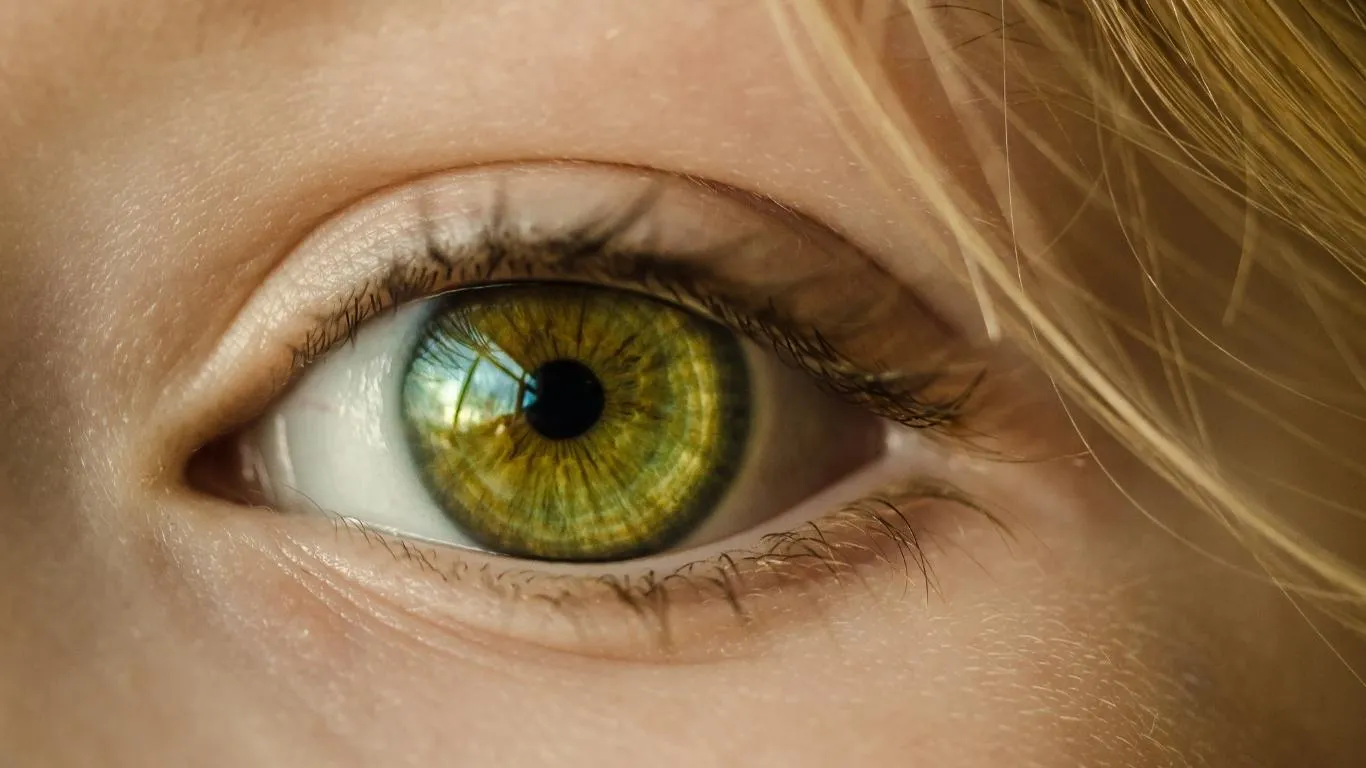
From personal experience, small lifestyle tweaks helped me manage floaters better, especially during reading-heavy days. While these methods don’t eliminate floaters, they can reduce their frequency and intensity.
Hydration and Nutrition Matter
I can’t emphasize this enough — dehydration makes floaters worse. The vitreous gel inside your eyes depends on adequate hydration to maintain clarity. On days I slack on water intake, floaters become more prominent. Incorporating foods rich in lutein and omega-3s (think leafy greens and fatty fish) supports overall eye health.
If you’re looking for more detailed insights, check out the list of dietary changes for floaters.
Regular Eye Exercises
Simple eye exercises can help shift floaters out of your central vision field. Gentle side-to-side eye movements, slow circular motions, and focusing exercises reduce the annoyance factor. I often do a few rolls before diving into a quote-reading session, and it makes a noticeable difference.
Manage Screen Time Breaks
If you’re like me, you probably consume most motivational quotes on your phone. But staring at a screen for long hours worsens floater visibility. Implementing scheduled breaks and using blue light filters has helped me minimize the strain. Here’s an in-depth resource on computer glasses and floaters.
Medical Treatments for Persistent Floaters
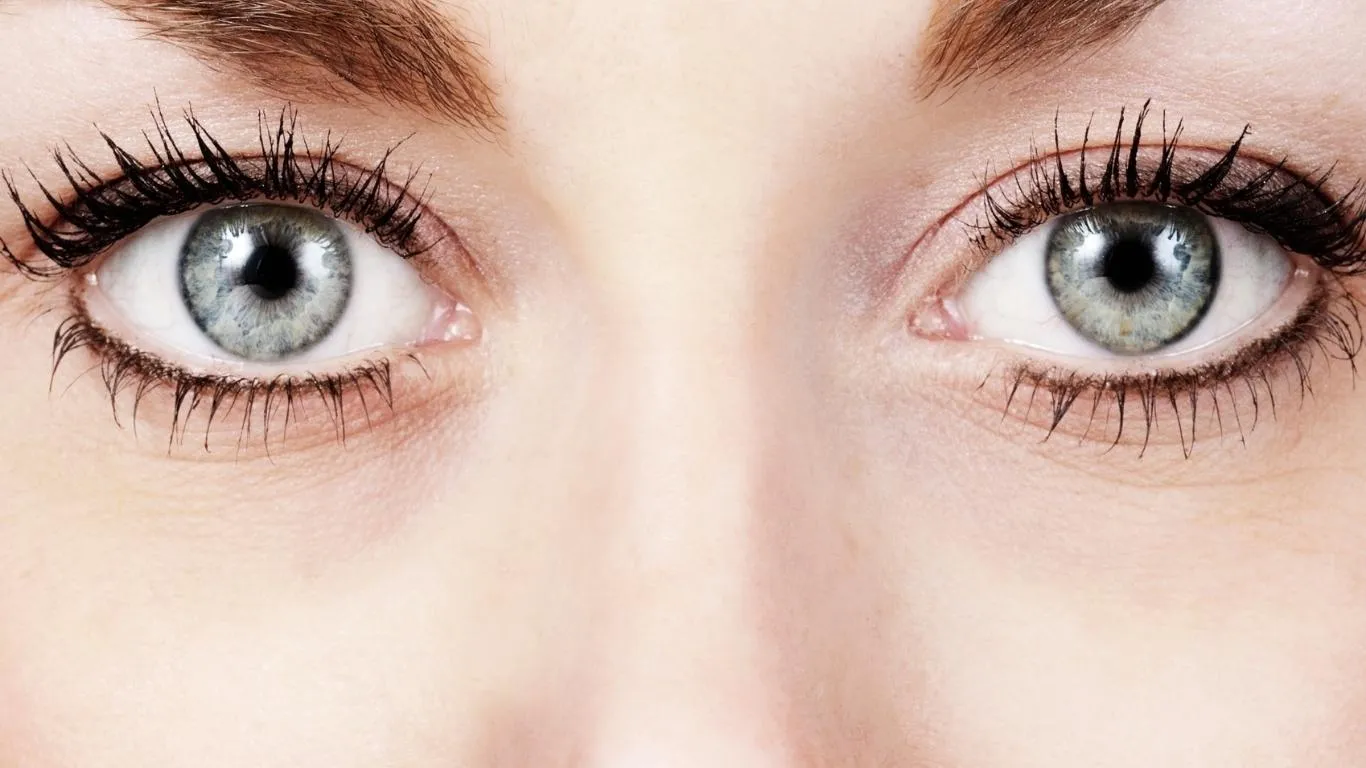
For those who feel their floaters are severely impacting their reading or daily life, medical interventions are available, though they come with risks. I haven’t personally gone down this path, but I’ve consulted specialists who outlined two primary procedures:
- Laser Vitreolysis: A non-invasive procedure where lasers are used to break up floaters into smaller, less noticeable fragments.
- Vitrectomy: A surgical option where the vitreous gel (and floaters within it) is removed and replaced. This is usually reserved for severe cases due to associated risks.
It’s essential to have an in-depth conversation with a retinal specialist before considering these treatments. You can learn more about available floater treatments in this guide on eye floater treatment options.
Are Supplements Effective for Floaters?
While not a guaranteed fix, some eye health supplements focus on improving vitreous clarity. Ingredients like Vitamin C, Lutein, and Zeaxanthin are often recommended. Personally, I noticed slight improvements after consistently taking a good Omega-3 supplement, but results may vary. Check the science behind eye floater supplements.
Reading With Floaters: Adjusting Mindset Matters
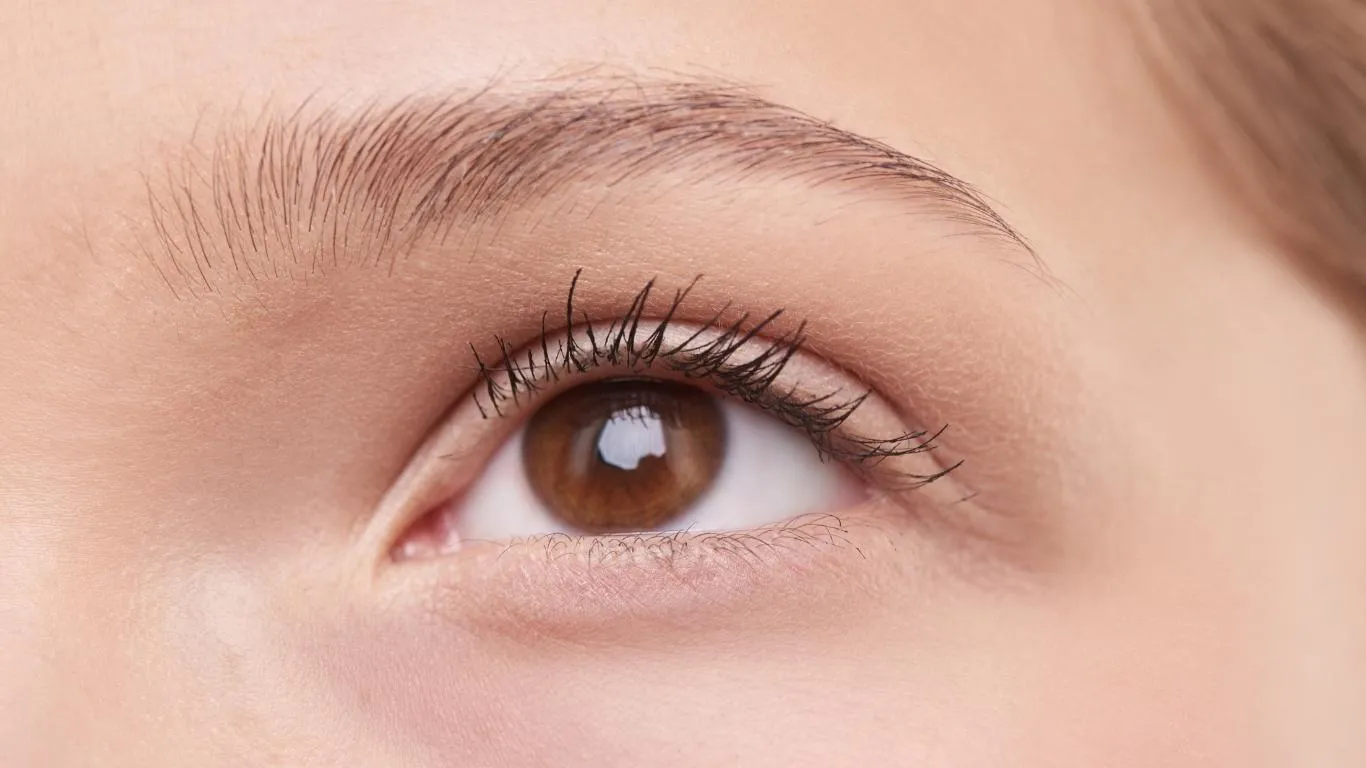
Here’s a bit of personal wisdom — the more you fixate on floaters, the more they’ll bother you. I used to get irritated every time one of those specs drifted across an inspiring quote. But once I shifted my mindset to accept them as just “background noise,” they became less intrusive.
Practicing mindfulness while reading helps. Instead of fighting floaters, I allow them to fade into the periphery of my awareness. Ironically, this helps me absorb motivational quotes even more deeply.
On days when floaters feel particularly persistent, switching to listening to audiobooks or podcasts filled with motivational content is a great alternative.
For a deeper dive into understanding the root causes of floaters, visit our comprehensive guide on what are eye floaters.

Camellia Wulansari is a dedicated Medical Assistant at a local clinic and a passionate health writer at Healthusias.com. With years of hands-on experience in patient care and a deep interest in preventive medicine, she bridges the gap between clinical knowledge and accessible health information. Camellia specializes in writing about digestive health, chronic conditions like GERD and hypertension, respiratory issues, and autoimmune diseases, aiming to empower readers with practical, easy-to-understand insights. When she’s not assisting patients or writing, you’ll find her enjoying quiet mornings with coffee and a medical journal in hand—or jamming to her favorite metal band, Lamb of God.