Why Does Anxiety Cause Frequent Urination And How You Can Regain Control
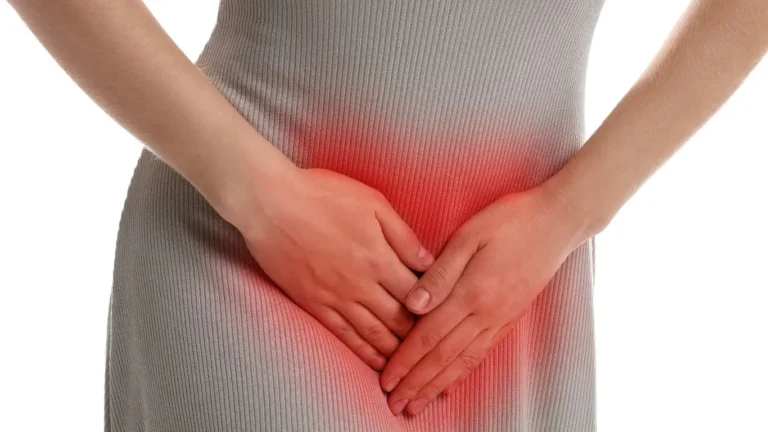
Ever noticed how your bladder seems to have a mind of its own when you’re anxious? It’s like you barely sit down to relax, and boom — another trip to the bathroom. I’ve been there. It’s frustrating, awkward, and honestly, a little alarming. But trust me, you’re not alone. The link between anxiety and frequent urination is real, and understanding why it happens can be a game-changer.
Why Does Anxiety Trigger Frequent Urination?
So, why does your bladder misbehave when your mind is racing? It all comes down to how anxiety activates your body’s fight-or-flight response. When you’re anxious, your nervous system goes on high alert, releasing a surge of stress hormones like adrenaline and cortisol. This reaction is designed to prepare your body to face danger, but it also happens to stimulate your bladder muscles, making you feel like you need to urinate — sometimes urgently, sometimes repeatedly.
From my personal (and slightly embarrassing) experience, I remember sitting in a packed meeting, laser-focused on keeping my composure, while internally mapping out the fastest route to the restroom. It’s not just “in your head”; it’s a physical response your body can’t help but obey.
The Bladder-Anxiety Feedback Loop

What makes things worse is the vicious cycle that forms. You’re anxious, so you feel the urge to pee. Then you start worrying about needing a restroom again, which, surprise — makes you more anxious. This feedback loop can be exhausting and might even lead to what’s called health anxiety, where you become hyper-focused on bodily sensations, fearing something is seriously wrong.
In fact, this cycle is why so many people with anxiety disorders experience what’s known as “overactive bladder” symptoms even in the absence of any urological condition. Your brain is simply sending false alarms to your bladder.
Physical Changes in the Body During Anxiety
It’s important to understand the physical mechanics at play. Anxiety affects your autonomic nervous system, which controls involuntary bodily functions — including urination. Here’s what happens during an anxiety spike:
- Your pelvic floor muscles tighten.
- Your bladder becomes hypersensitive to even small amounts of urine.
- Your brain misinterprets bladder fullness, urging you to pee “just in case.”
Over time, this pattern trains your bladder to signal the need to urinate more frequently, even when it’s not actually full.
Is It Anxiety or Something Else?

Of course, not every instance of frequent urination should be chalked up to anxiety. Conditions like urinary tract infections (UTIs), interstitial cystitis, diabetes, and prostate issues can also cause similar symptoms. It’s always wise to consult a healthcare professional for a proper diagnosis. That said, if tests come back clear and you’re still dealing with an unpredictable bladder, anxiety could very well be the hidden culprit.
Interestingly, doctors often overlook how anxiety can mimic urological issues, leading to frustration and endless medical tests. It’s a topic rarely discussed openly, yet it affects countless people silently. I highly recommend reading this detailed assessment guide on diagnosing anxiety disorders to understand why your symptoms might have been misunderstood.
Practical Strategies to Manage Anxiety-Induced Urination

Now, let’s get to the good stuff — what can you actually do about it? Here are some practical strategies that have helped me (and many others) regain control:
- Breathing Exercises: Slowing down your breath can quickly deactivate the fight-or-flight response. Simple breathing techniques like the 4-7-8 method are incredibly effective.
- Bladder Training: Gradually extending the time between bathroom trips helps retrain your bladder to hold urine longer. It takes patience, but it works.
- Mindfulness and CBT: Cognitive Behavioral Therapy (CBT) helps break the feedback loop of anxiety and bladder sensitivity. You can explore CBT-focused resources like these actionable steps.
- Diet Tweaks: Cutting down on caffeine and alcohol, both notorious bladder irritants, can reduce urgency. Hydrate wisely but avoid chugging large amounts at once.
Through trial and error, I discovered that a combination of mindfulness, controlled hydration, and scheduling bathroom visits (yes, it sounds silly but it helps) brought a sense of predictability back to my day.
Is It Possible to Break Free From This Cycle?
Absolutely. While it might feel like you’re stuck in an endless loop of anxiety and bathroom breaks, targeted strategies and a solid understanding of your body’s stress responses can turn things around. It’s not an overnight fix, but with persistence, you can reclaim your daily life.
For a deeper dive into the broader impact anxiety has on your daily routines, this insightful read on how anxiety disorders quietly disrupt your life is a must. You’ll be surprised how many of your “random” physical symptoms are anxiety-driven.
Lifestyle Habits That Calm Both Your Mind and Bladder

If there’s one thing my personal battle with anxiety-driven bathroom marathons taught me, it’s that small lifestyle shifts often have the biggest impact. You don’t need to overhaul your entire life overnight. Start with these realistic tweaks that genuinely help settle both your anxiety and your bladder’s rebellious streak.
- Mindful Hydration: Instead of guzzling large amounts of water at once, sip small amounts consistently throughout the day. This prevents sudden bladder “overwhelm” moments.
- Bathroom Scheduling: Try timing your bathroom visits rather than going out of sheer anxiety-driven “what if” urges. Gradually extend the intervals.
- Cut Back on Bladder Triggers: Caffeine, alcohol, and even artificial sweeteners can irritate your bladder lining, intensifying urgency. Swapping my morning coffee for herbal teas made a bigger difference than I expected. Here’s a helpful guide to herbal teas that truly calm the mind.
- Pelvic Floor Exercises: Strengthening these muscles doesn’t just help with bladder control; it also eases overall tension in your body, reducing the anxiety response loop.
I remember being skeptical of these tiny adjustments. But the cumulative effect? Game-changing. You regain a sense of control, which in itself reduces anxiety levels significantly.
When Professional Help Makes All the Difference
If self-help strategies aren’t cutting it, or if your anxiety-induced urination is disrupting work, social activities, or sleep, it’s time to consider professional interventions. Don’t wait until you’re mapping out restroom locations everywhere you go.
Cognitive Behavioral Therapy (CBT)
CBT is widely regarded as one of the most effective therapies for managing anxiety disorders. It helps you identify and reframe thought patterns that trigger your symptoms. I can’t stress enough how much CBT helped me break the “what if I need the bathroom again?” spiral. You can read more about how psychotherapy and counseling options actually work for anxiety.
Medication as a Short-Term Reset
In some cases, short-term use of medications like SSRIs or beta-blockers can help reduce the severity of anxiety symptoms, including urinary frequency. It’s important to consult with a healthcare provider who understands both anxiety and its physical manifestations. Here’s a great read on why SSRIs can be surprisingly effective for anxiety.
Complementary & Alternative Therapies
While mainstream treatments are crucial, alternative therapies like acupuncture and mindfulness meditation can provide added relief. I was initially skeptical about acupuncture, but after giving it a fair shot, I noticed a tangible drop in both my anxiety levels and bathroom visits. You can explore complementary approaches to anxiety treatment that many people (including myself) have found helpful.
The Overlooked Role of Diet & Gut Health
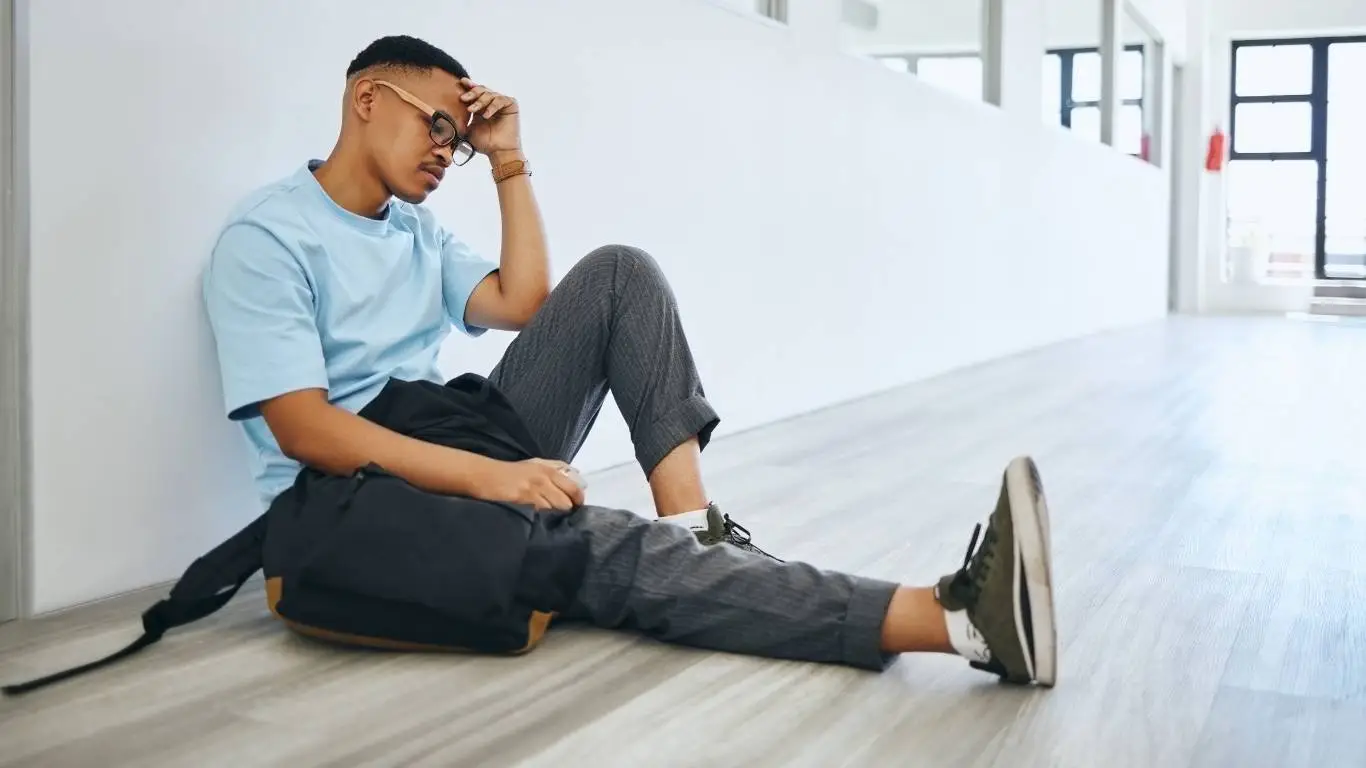
Did you know that your gut health can play a sneaky role in both anxiety and bladder sensitivity? The gut-brain connection is a two-way street — a disturbed gut microbiome can escalate anxiety, which in turn can irritate the bladder. Adding probiotic-rich foods and reducing processed sugars helped stabilize my mood (and bathroom trips) over time. For those curious, there’s a deep dive on how probiotics impact anxiety and overall calmness.
Magnesium: The Underrated Mineral
Magnesium has been a quiet hero in my anxiety management toolkit. It helps relax muscle tension, eases nerve excitability, and supports bladder muscle control. Incorporating magnesium-rich foods can be a simple yet effective step. Here’s a resource on magnesium-rich foods that help ease anxiety.
Regaining Control Is Possible — Here’s Proof
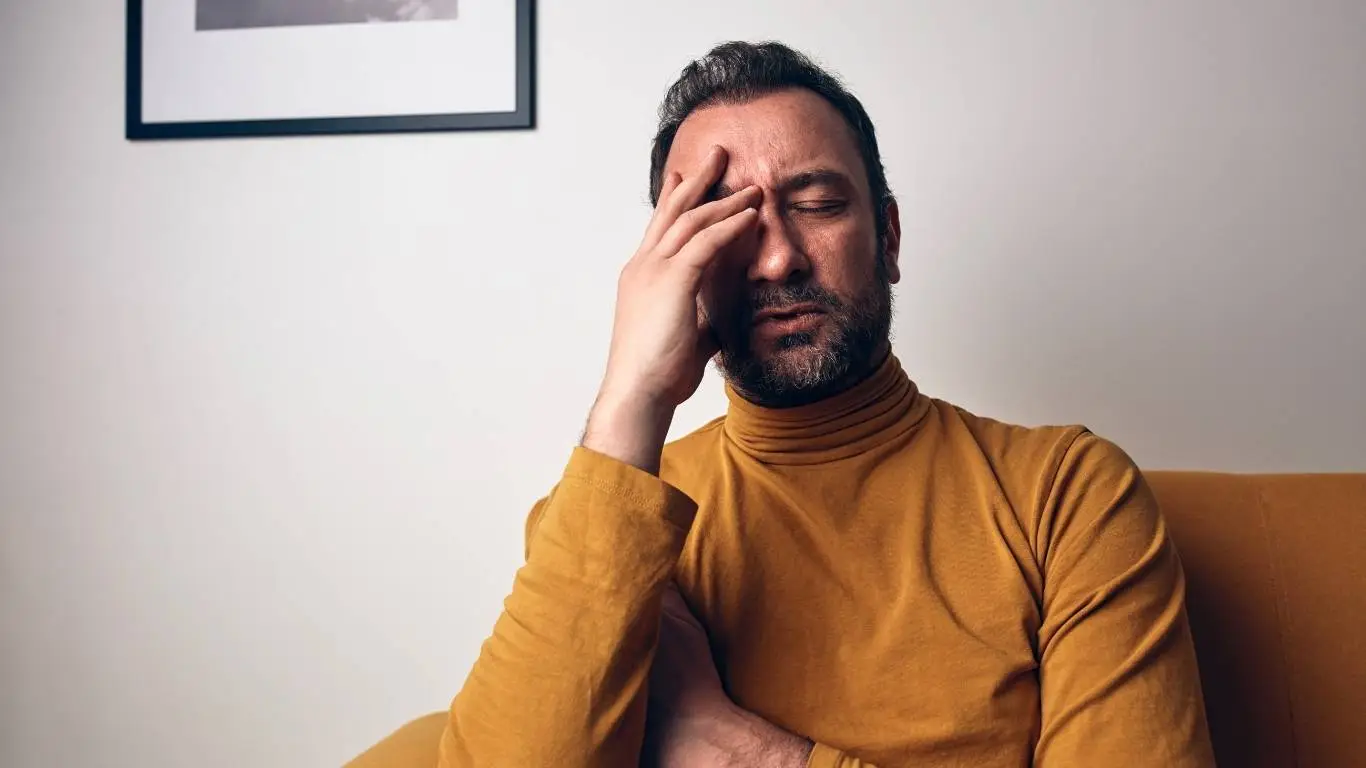
If you’re reading this and silently nodding along, please know — you are not doomed to be at the mercy of an unpredictable bladder. Anxiety-induced urination is manageable with the right mix of strategies, professional help, and yes, a little patience. It took me months of trial and error, but today, I no longer plan my life around restroom availability.
If you’re still feeling lost about why anxiety is hijacking your daily life in such subtle, frustrating ways, I recommend this essential read on the hidden causes of anxiety disorders. Sometimes, it’s not about the bladder at all, but what’s happening beneath the surface.

Camellia Wulansari is a dedicated Medical Assistant at a local clinic and a passionate health writer at Healthusias.com. With years of hands-on experience in patient care and a deep interest in preventive medicine, she bridges the gap between clinical knowledge and accessible health information. Camellia specializes in writing about digestive health, chronic conditions like GERD and hypertension, respiratory issues, and autoimmune diseases, aiming to empower readers with practical, easy-to-understand insights. When she’s not assisting patients or writing, you’ll find her enjoying quiet mornings with coffee and a medical journal in hand—or jamming to her favorite metal band, Lamb of God.