Why The PRI Method For Back Pain Relief Is A Game-Changer
When I first heard about the PRI method, I’ll admit—I was skeptical. Another fancy acronym promising to “fix” my chronic back pain? No thanks. But after months of battling stiffness every morning and feeling like a pretzel untwisting itself every time I stood up, I decided to give it a shot. Spoiler alert: It wasn’t just another quick-fix gimmick. The Postural Restoration Institute (PRI) method completely reframed how I understood my body’s alignment, breathing, and movement patterns. Let’s dig into why this approach might be the missing puzzle piece for your back health.
What is the PRI Method and Why Does It Matter?

The PRI method is not just another posture correction program. It’s a comprehensive system developed by Ron Hruska, focusing on the asymmetrical design of our bodies. Unlike generic “sit up straight” advice, PRI acknowledges that our bodies naturally favor one side, leading to chronic compensations that can trigger persistent back pain.
Most conventional back treatments ignore these asymmetries. But PRI digs deep into how your diaphragm, pelvis, and ribcage alignment influence muscle chains, breathing patterns, and joint positions. This system retrains your neuromuscular pathways to promote better postural balance from the inside out.
If you’ve tried yoga, chiropractic adjustments, or endless core workouts without long-term relief, the PRI method’s focus on internal balance might be exactly what your body needs.
Common Back Pain Patterns Addressed by PRI

Left AIC Pattern
Ever feel like your left hip constantly shifts forward? That’s the Left Anterior Interior Chain (AIC) pattern in action. It’s one of the most common asymmetries where the pelvis rotates forward on the left, affecting how you stand and walk. This creates undue strain on your lumbar spine and lower back muscles.
Right BC Pattern
The Right Brachial Chain (BC) pattern focuses on upper body imbalances. If you notice tightness around your right shoulder, limited thoracic rotation, or neck tension that seems to domino into mid-back stiffness, this might be your culprit.
PEC Pattern
The Posterior Exterior Chain (PEC) pattern is for the “chronic over-extenders”—like me. I used to live in a state of hyperextension, constantly arching my lower back. This pattern wreaks havoc on spinal alignment, leading to recurring flare-ups.
The Role of Diaphragmatic Breathing in PRI

I can’t emphasize enough how pivotal breathing is in the PRI method. And no, I’m not talking about taking a few deep breaths to “calm down.” This is about retraining your diaphragm to function as a postural muscle, not just a breathing organ.
- Zone of Apposition (ZOA) Restoration — Ensuring your diaphragm sits correctly to stabilize the spine.
- Exhaling fully to engage the obliques and transverse abdominis.
- Learning to breathe into the posterior mediastinum—the back of your ribcage.
This is where most mainstream back programs fail. They forget that if your diaphragm isn’t positioned properly, no amount of planks will give you true core stability.
Simple PRI Exercises You Can Start at Home

90-90 Hip Lift with Balloon
This is a staple PRI drill that works wonders for aligning your pelvis and ribcage. You’ll need a balloon and a wall. Lying on your back with feet on the wall, hips and knees at 90 degrees, you’ll focus on controlled exhalation while maintaining a ZOA.
Seated Reach
A game-changer for people who feel their upper backs are perpetually locked up. It gently encourages posterior expansion of the ribcage, improving thoracic mobility and spinal decompression.
Sidelying Left Hamstring Activation
This one was my personal wake-up call. It rebalances the left AIC pattern by teaching your hamstrings to anchor the pelvis correctly, easing tension off the lumbar spine.
How PRI Differs from Traditional Posture Correction

Most posture programs focus externally—shoulders back, chin tucked, core tight. But PRI flips the script. It’s not about forcing yourself into a rigid “perfect posture.” Instead, it teaches you how to unlock your body’s natural balance through respiration and muscle chain integration.
Here’s a truth I learned the hard way: forcing external alignment without addressing internal imbalances is like slapping duct tape on a cracked foundation. PRI gets to the root of those deep-set compensations.
To dive deeper into back pain patterns and anatomy, this comprehensive guide on back pain types and anatomy is a must-read. You can also explore broader strategies in our main back pain resource hub.
For those dealing with complex back issues, understanding evidence-based research on diaphragmatic function can offer profound insights into why this method works beyond the surface level.
Integrating PRI Into Daily Life: It’s Simpler Than You Think

When I first started applying PRI techniques outside of my “exercise time,” I was surprised how subtle shifts made a huge difference. Sitting at my desk? I’d practice low-level exhalation drills instead of slumping. Driving long distances? I adjusted my pelvis position and used a lumbar support cushion to maintain a neutral spine—yes, the right cushion matters more than you think.
The beauty of PRI is that it’s not about overhauling your life with rigid routines. It’s about creating micro-adjustments throughout your day that stack up to long-term change. Once I internalized the breathing and alignment cues, even standing in line at the grocery store became an opportunity to practice.
When Should You Consider Seeing a PRI Specialist?

While self-guided PRI drills are a fantastic starting point, there’s a point where professional guidance becomes invaluable. If you’re experiencing:
- Persistent asymmetrical back pain despite consistent practice
- Recurring SI joint dysfunction
- Unresolved breathing dysfunction affecting posture
— then working with a PRI-certified practitioner can help address those deep-seated compensations you might not even be aware of.
It’s worth noting that PRI practitioners often collaborate with physical therapists, chiropractors, and even dentists (yep, dental alignment impacts posture too!). Their integrated approach ensures no stone is left unturned in your back rehab journey.
Myths About Postural Correction That PRI Debunks
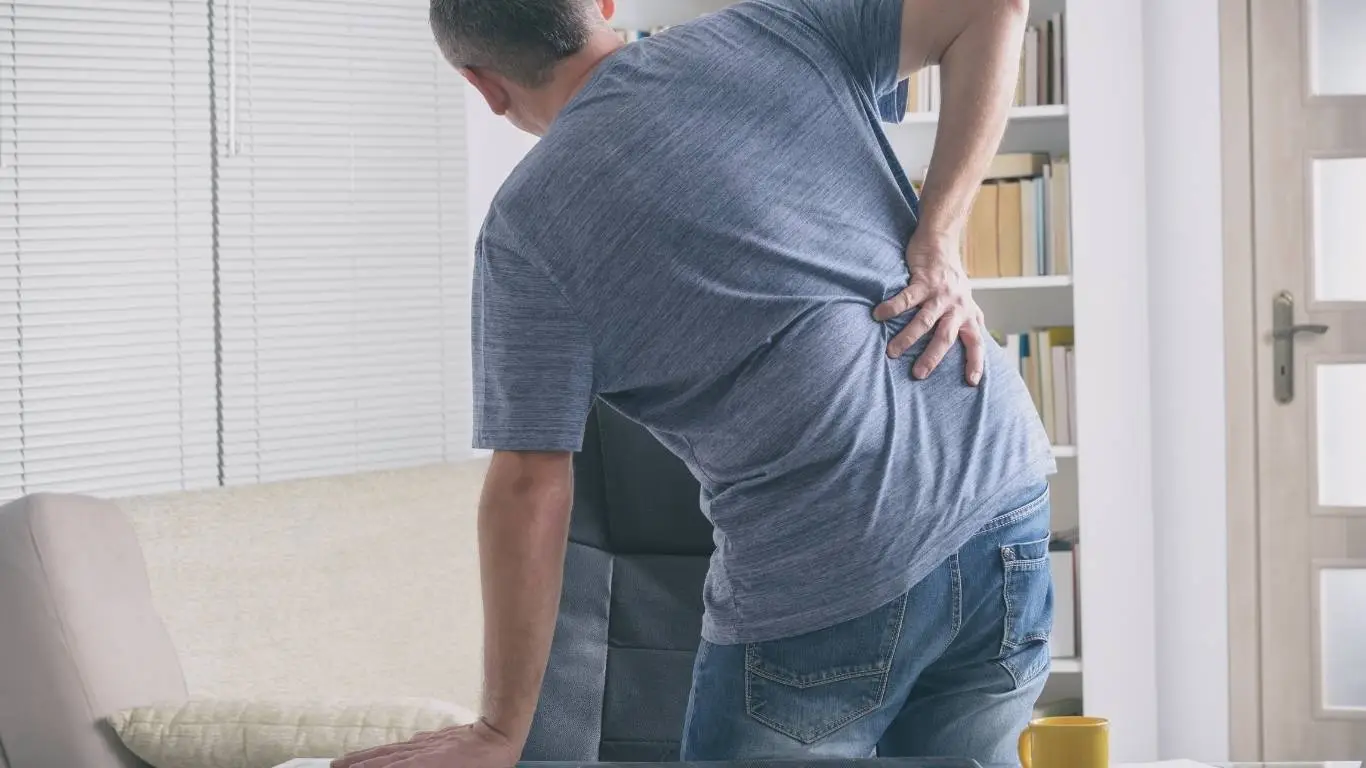
I used to believe that standing “military straight” with my shoulders pulled back was the golden standard of good posture. PRI quickly smashed that myth. Here are a few more misconceptions that the PRI method puts to rest:
- Myth 1: Good posture is about staying rigid and upright all day. Reality: Dynamic posture—allowing subtle shifts while maintaining internal balance—is key.
- Myth 2: Back pain is always caused by weak core muscles. Reality: Misaligned breathing patterns and compensatory muscle chains are often the hidden culprits.
- Myth 3: Stretching tight muscles will fix imbalances. Reality: Without repositioning and retraining, stretching is just a temporary band-aid.
If these points resonate with you, I highly recommend diving into how symptoms and diagnoses in back pain are often misunderstood.
PRI Success Stories: Not Just for Athletes

A lot of people think PRI is only for high-level athletes or rehab specialists, but that couldn’t be further from the truth. I’ve seen office workers, teachers, and even my neighbor’s 70-year-old mom find profound relief through PRI strategies.
One of my clients, a graphic designer who sat for 10+ hours daily, struggled with relentless mid-back pain. Within a few weeks of simple PRI breathing corrections and integrated desk stretches, her pain levels dropped dramatically. She no longer needed those lunchtime painkillers to get through the day.
It’s these real-world wins that reinforce the PRI method’s versatility. Whether you’re an athlete recovering from an injury or someone battling everyday back discomfort from desk jobs, PRI has an adaptable framework that meets you where you’re at.
PRI vs Other Back Pain Treatments: A Holistic Perspective

Unlike traditional rehab programs that often treat the symptom (pain) without addressing the root cause (positional asymmetries), PRI focuses on realigning the body’s foundation. Where standard physical therapy may emphasize isolated strength and mobility drills, PRI ensures your breathing mechanics, ribcage positioning, and pelvic alignment are functioning harmoniously.
For instance, if you’re dealing with recurring lumbar disc pressure, conventional treatments might offer core strengthening or spinal traction. PRI, however, will first assess whether your ribcage is stuck in an externally rotated position, throwing off your lumbar alignment in the first place.
This deeper dive into biomechanical and neurological factors makes PRI a standout in a crowded sea of “quick-fix” back pain remedies.
Next Steps: Starting Your PRI Back Health Journey

If you’re ready to move beyond temporary fixes and address the underlying dysfunctions contributing to your back pain, PRI could be your breakthrough. Here’s how to begin:
- Start with basic PRI breathing drills daily.
- Be mindful of posture during daily routines like driving, working, or even cooking.
- Consult a certified PRI specialist for personalized assessment.
- Explore ergonomic adjustments—like standing desks or proper lumbar supports.
To dive deeper into how exercise, rehabilitation, and ergonomics intertwine with back health, visit our comprehensive pillar on Back Pain Exercise & Rehabilitation. And don’t miss the foundational knowledge from our main Back Pain Resource Center.
For further reading, external resources like the PubMed library can offer clinical insights into postural restoration research and its impact on chronic musculoskeletal pain.

Camellia Wulansari is a dedicated Medical Assistant at a local clinic and a passionate health writer at Healthusias.com. With years of hands-on experience in patient care and a deep interest in preventive medicine, she bridges the gap between clinical knowledge and accessible health information. Camellia specializes in writing about digestive health, chronic conditions like GERD and hypertension, respiratory issues, and autoimmune diseases, aiming to empower readers with practical, easy-to-understand insights. When she’s not assisting patients or writing, you’ll find her enjoying quiet mornings with coffee and a medical journal in hand—or jamming to her favorite metal band, Lamb of God.