Improve Back Health with Effective Neurodynamic Mobility Techniques
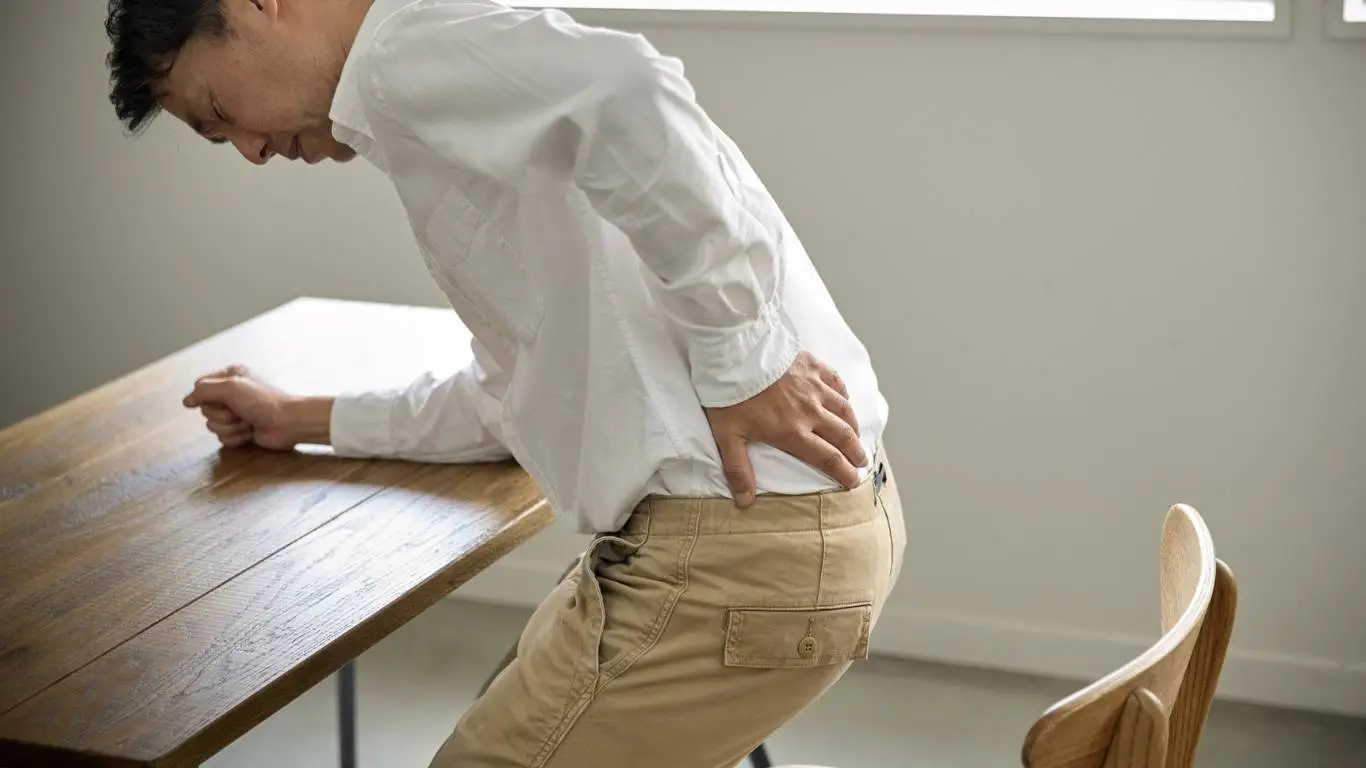
Ever woken up with that annoying stiffness in your back that refuses to go away no matter how much you stretch? Yeah, I’ve been there. What surprised me most was discovering it wasn’t just about my muscles being tight—it was my nerves needing attention. That’s where neurodynamic mobility techniques for the spine come into play. These techniques aren’t some fancy buzzwords; they’re game-changers if you’re serious about freeing up nerve tension and finally moving without that nagging back discomfort.
Understanding Neurodynamic Mobility: It’s Not Just About Stretching

Most of us think that if we stretch enough, our back pain will magically disappear. I used to think the same. But after struggling with persistent lumbar tension, I learned that neurodynamic mobility is about mobilizing the nerves, not just the muscles.
Our nerves glide and slide through tissues when we move. But bad posture, sitting too long, or past injuries can restrict this gliding, leading to what feels like muscle tightness, but is actually nerve irritation. That’s why typical hamstring or back stretches often don’t cut it.
Why Nerve Mobility Matters More Than You Think
- Reduced nerve tension = less sensitivity and pain flare-ups
- Improves flexibility by addressing nerve “sticking points”
- Enhances overall spinal health and reduces risk of chronic back pain
There’s a reason why techniques like nerve flossing are gaining so much attention. It’s not just for sciatic nerve issues; it’s essential for anyone dealing with stubborn back discomfort.
Common Signs You Need Neurodynamic Mobility Work

I didn’t even realize my nerves were involved until a physical therapist pointed out these signs:
- Back pain that feels worse during stretching rather than after
- A burning or tingling sensation down your legs when bending forward
- Persistent tight hamstrings despite daily stretching (guilty!)
- Discomfort when sitting for extended periods
If any of these hit home, neurodynamic mobility techniques could be the missing piece.
How to Incorporate Neurodynamic Mobility Techniques Safely

One of the biggest mistakes I made early on was approaching these drills like regular stretches. You don’t want to force a nerve glide. It’s more about gentle, controlled movements that encourage nerve mobility without aggravating them.
Start with Nerve Gliding, Not Tensioning
Think of nerve gliding as giving the nerve room to breathe. For example, while seated, gently extend one leg while keeping your back upright, and slowly flex your ankle. This simple motion can wake up the nervous system and reduce irritation without triggering pain.
Progress to Neural Tensioning (With Caution!)
Neural tensioning involves lightly adding tension to the nerve pathway, but only after gliding movements feel smooth. Techniques like the slump stretch should be performed under guidance. If you feel a sharp, electric jolt, you’re pushing too far.
Here’s a great resource on nerve flossing techniques that explains this progression well.
Everyday Habits That Sabotage Nerve Mobility

I used to think 10 minutes of exercise would undo 8 hours of desk work. Spoiler alert: it doesn’t. The way you move—or don’t move—throughout your day can either support or sabotage your nerve health.
- Sitting with a rounded back compresses spinal nerves and limits their mobility.
- Repetitive bending without proper spinal alignment strains nerve pathways.
- Even simple desk stretches done regularly can help reset nerve mobility during work hours.
One habit that helped me immensely was incorporating micro-movements. Small adjustments like shifting my sitting position every 20 minutes and standing up briefly to reset my posture made a surprising difference.
Best Tools & Techniques to Enhance Neurodynamic Mobility
While manual techniques are the foundation, I found certain tools incredibly helpful for consistent nerve mobilization:
Foam Rollers & Nerve Floss Bands
Foam rolling isn’t just for muscles. When done correctly, it helps release fascial restrictions around nerve pathways. Using foam rollers before nerve glides made my sessions way more effective.
Desk Ergonomics & Mobility Aids
Something as simple as a lumbar cushion can prevent hours of nerve compression. Pair that with a standing desk setup and frequent movement breaks, and you’re building a daily environment that favors nerve mobility. Here’s a useful guide on ergonomic chairs that actually support your back properly.
Want to Learn More About Back Pain Beyond Just Nerve Mobility?
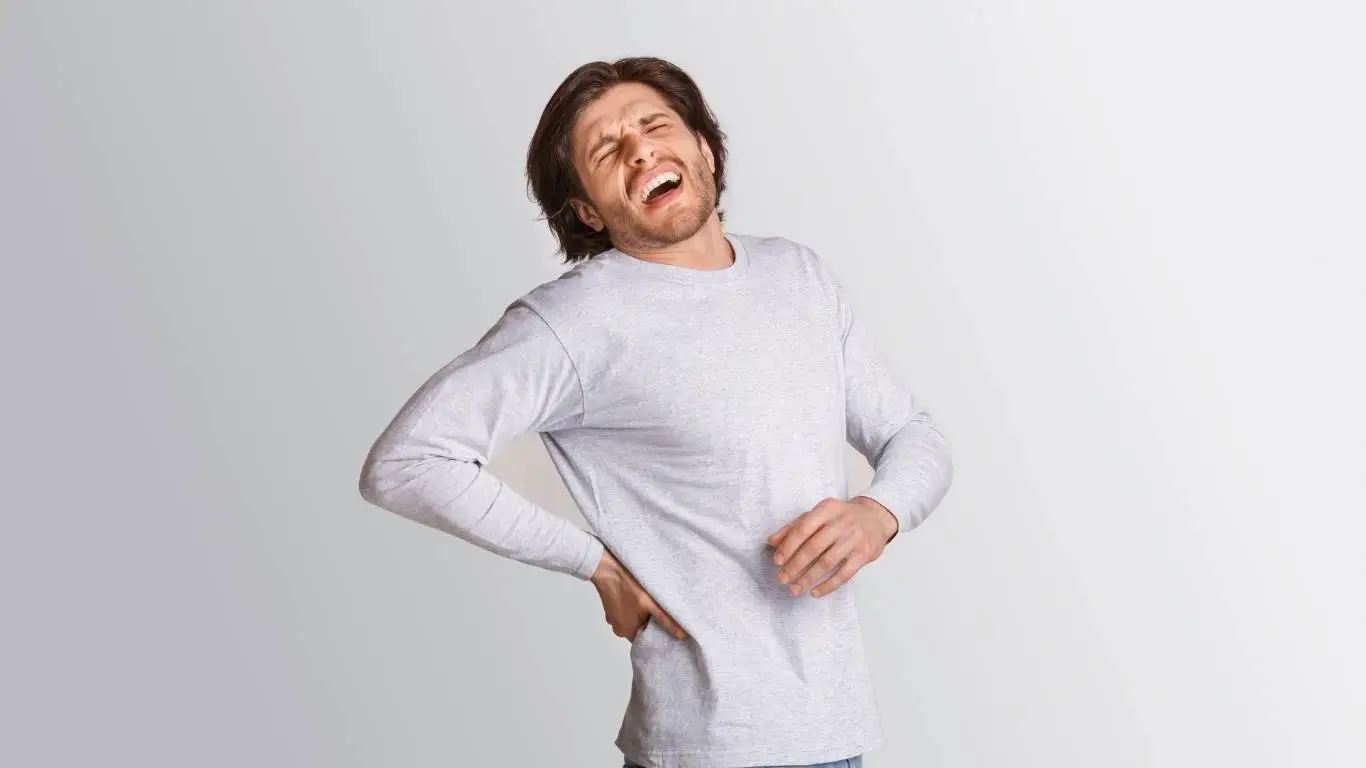
Neurodynamic mobility is just one aspect of managing back discomfort. For a deeper dive into how different types of back pain interrelate, check out the comprehensive guide on Types & Anatomy of Back Pain. If you’re looking for an all-in-one resource, don’t miss the Back Pain Main Pillar Article that covers everything from symptoms to treatment options.
Next, we’ll explore advanced techniques and real-life case studies that showcase how neurodynamic mobility transformed my daily movements and reduced my back pain for good.
Advanced Neurodynamic Mobility Techniques You Shouldn’t Skip

Once the basic nerve gliding feels smooth, it’s time to level up. I remember feeling skeptical about going deeper into nerve mobility drills. But these advanced techniques are where things really changed for me. They don’t just ease discomfort temporarily; they reprogram how your body moves and responds to tension.
Dynamic Neural Mobilizations
Unlike static stretches, these involve slow, controlled, dynamic movements that keep the nerve tissues moving while the joints are mobilized simultaneously. It’s a layered approach. For example, a dynamic “slump walk” where you combine head flexion with leg extension during each step can amplify nerve mobility in a functional, movement-based way.
Be cautious though—these movements should never trigger sharp, shooting pain. A light nerve tug is acceptable, but if you feel electric-like jolts, dial it back. Here’s a great guide on differentiating sciatic nerve pain from general mobility issues to stay safe.
Incorporating Neural Flossing into Daily Life
Neurodynamic mobility shouldn’t be limited to gym time. Small tweaks in your daily habits make a huge impact. I started integrating subtle neural flossing moves while waiting for my coffee to brew or standing in line. The key is consistency, not intensity.
- During desk work, perform seated leg extensions paired with ankle dorsiflexion to glide the sciatic nerve.
- When watching TV, gentle side bends while tilting your head in the opposite direction helps cervical nerves glide smoothly.
- Use standing micro-breaks to perform “nerve sliders” without attracting stares. Trust me, I’ve perfected the stealth version of these moves!
How Nerve Health Influences Overall Back Function
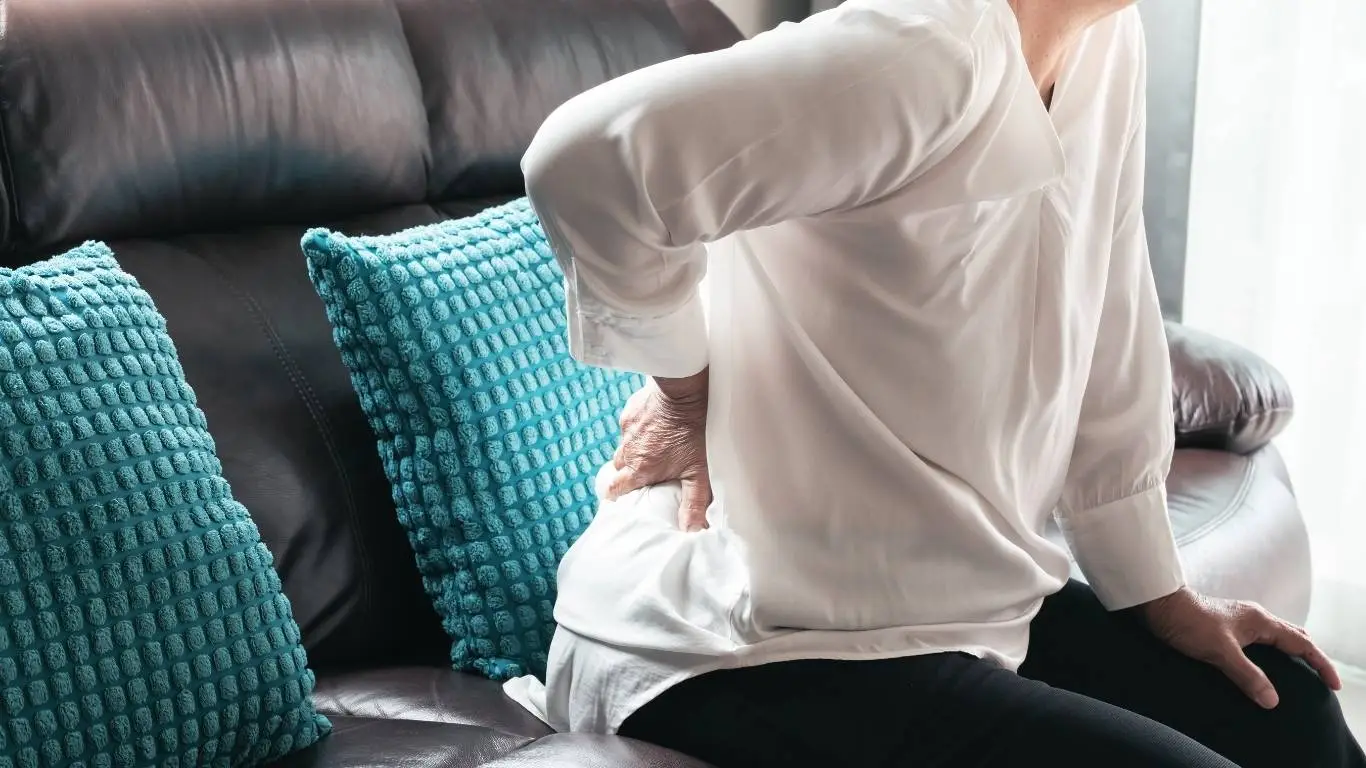
One major shift in my understanding was realizing that nerve mobility isn’t just about relieving pain—it improves how my entire back functions. When nerves glide smoothly, muscles fire correctly, posture improves, and the risk of injuries reduces significantly.
It’s fascinating how interconnected everything is. For instance, tight hamstrings often point to sciatic nerve restriction, not just muscle shortness. Addressing this through neurodynamic drills can even improve hip mobility. I noticed this especially when my forward bends became smoother after focusing on nerve glides rather than aggressive hamstring stretches.
If you’re curious about these connections, this article on muscle imbalances causing back pain is a must-read to understand how nerves and muscles team up (or fight each other) during movement.
Complementary Practices to Boost Neurodynamic Mobility

Neurodynamic mobility doesn’t live in isolation. Several complementary practices can amplify its benefits. I’m not a yoga fanatic, but incorporating targeted poses made a noticeable difference in how my spine and nerves felt.
Yoga & Pilates
While typical yoga routines focus on muscle flexibility, certain poses like “Downward Dog” or “Cat-Cow” indirectly promote nerve gliding through controlled spinal movements. The key is slow, mindful transitions, not rushing through poses. Pilates, on the other hand, enhances core stability, reducing undue strain on nerve pathways. Check out this article on Pilates for back health for practical routines you can start today.
Mind-Body Connection
One surprising discovery was how stress and anxiety can tighten up the nervous system, making mobility drills less effective. Techniques like mindfulness meditation or even simple breathing exercises can calm the nervous system, allowing better glide during mobility sessions.
Manual Therapy & Self-Release Techniques
Foam rolling and massage therapy can help release fascial restrictions that compress nerve pathways. I often use a lacrosse ball to target trigger points along my lower back and glutes, followed by gentle nerve flossing sequences.
For a step-by-step approach, this guide on foam rolling for back tension relief is pure gold if you want to combine self-release with neurodynamic work.
Common Mistakes to Avoid with Neurodynamic Mobility Training

I’ve made most of these mistakes so you don’t have to. Neurodynamic mobility is delicate work, and pushing too hard can easily backfire. Here are the pitfalls to dodge:
- Forcing the range of motion: This is not about “feeling the burn.” Nerve mobilization should be smooth, controlled, and within comfort zones.
- Ignoring nerve sensitivity signs: Tingling, numbness, or sharp zaps are warnings, not challenges to push through.
- Skipping the warm-up: A cold nervous system is more prone to irritation. Gentle dynamic warm-ups are non-negotiable.
- Neglecting ergonomics: You can’t out-mobility-drill bad posture habits. Make sure your work and home setups support spinal alignment. Here’s a practical guide on ergonomic chairs that genuinely help.
Neurodynamic Mobility is a Lifestyle, Not a One-Off Fix

What finally clicked for me was realizing that neurodynamic mobility is a daily practice. It’s about weaving small, sustainable movements into your everyday routine rather than dedicating an hour at the gym twice a week and calling it done.
It’s those small habits—adjusting how you sit, taking mobility breaks, incorporating nerve glides into warm-ups—that stack up and create long-term results. No flashy routines, no overnight fixes. Just consistent, mindful movement.
If you want to understand the broader implications of how spinal health is affected by daily movement patterns, check out the comprehensive guide on Exercise, Rehabilitation & Ergonomics for Back Pain. And for a complete overview of back pain management strategies, don’t miss the Back Pain Main Pillar Article that ties it all together with expert insights.

Camellia Wulansari is a dedicated Medical Assistant at a local clinic and a passionate health writer at Healthusias.com. With years of hands-on experience in patient care and a deep interest in preventive medicine, she bridges the gap between clinical knowledge and accessible health information. Camellia specializes in writing about digestive health, chronic conditions like GERD and hypertension, respiratory issues, and autoimmune diseases, aiming to empower readers with practical, easy-to-understand insights. When she’s not assisting patients or writing, you’ll find her enjoying quiet mornings with coffee and a medical journal in hand—or jamming to her favorite metal band, Lamb of God.