How Long After Period Does BV Flare-Up and How to Stop It Fast
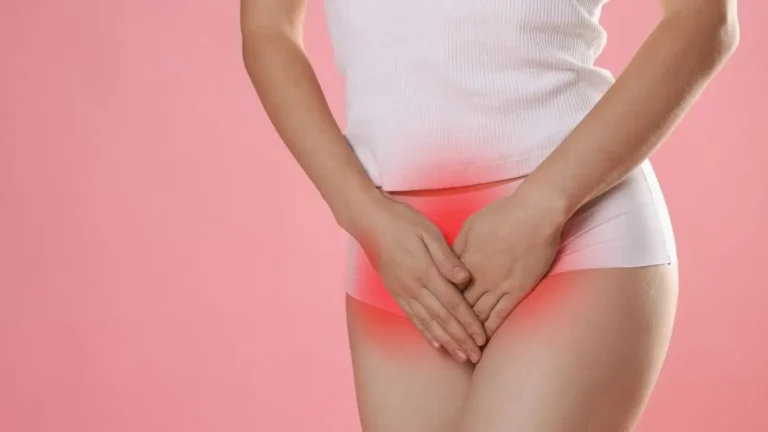
Let’s be real for a moment — dealing with Bacterial Vaginosis (BV) is frustrating enough on its own. But if you’re like me, you’ve probably noticed that things seem to flare up right after your period ends. The timing feels suspiciously consistent, doesn’t it? You go through your cycle, think you’re in the clear, and bam — that familiar discomfort sneaks back in. So, the big question is: how long after your period does BV flare-up? Well, let’s dive into it, because there’s more to it than just “bad timing.”
Why BV Loves to Flare Up After Your Period

Periods throw off your vaginal pH balance — that’s a fact. Blood has a pH of around 7.4, while your vagina prefers a more acidic environment (between 3.8 and 4.5). That shift can be the perfect opportunity for BV-causing bacteria to overgrow. I personally used to think it was something I did wrong — wrong soap, wrong underwear — but it turns out, the cycle itself sets us up for it.
Here’s what’s actually happening:
- pH Disruption: Menstrual blood raises vaginal pH, reducing the good lactobacilli that keep BV in check.
- Hormonal Shifts: Estrogen and progesterone levels fluctuate, affecting vaginal flora stability.
- Menstrual Products: Tampons, pads, and menstrual cups can introduce or trap bacteria if not handled right.
And here’s the kicker — it doesn’t happen immediately. Most women, including myself, notice BV symptoms kicking in 2-3 days after their period ends. It’s like clockwork.
Typical Timeline: When Does BV Flare After Period?

While there’s no one-size-fits-all answer, the general consensus from gynecologists (and let’s be honest, a lot of shared experiences on forums) points to a flare-up window of:
- Day 2-3 Post-Period: pH imbalance lingers, symptoms like odor and discharge start creeping in.
- Day 4-5 Post-Period: Full-blown BV flare-up in sensitive cases if not managed early.
Personally, I notice subtle changes — slight discomfort, a change in discharge texture — by day 3. If I’m not proactive, it can escalate by day 5. It’s a pattern that repeats if not addressed. You can read more about how BV can flare up after menstruation here.
Preventing Post-Period BV Flares — What Works

Through a lot of trial and error (and awkward conversations with my doctor), I’ve found that prevention is a mix of small daily habits. Here’s what truly helps reduce flare-ups after periods:
pH Rebalancing Techniques
- Using natural pH-balancing methods post-period like diluted apple cider vinegar rinses.
- Probiotic suppositories or oral probiotics specifically formulated for vaginal health.
Menstrual Hygiene Tweaks
- Switching to organic cotton tampons or pads to reduce chemical exposure.
- Avoiding scented products that further disrupt flora.
- Changing menstrual products frequently, even on light days.
Lifestyle Adjustments
- Wearing breathable underwear (goodbye, synthetic fabrics!).
- Managing stress levels, because yes — stress can mess with your vaginal microbiome.
Some women also find that certain foods trigger flare-ups post-period. You might want to be mindful of your sugar intake during this time — it’s been linked to BV recurrences for many (guilty as charged). You can explore more about how sugar affects BV here.
Why Some Women Flare Up Faster Than Others

Ever wondered why your friend never gets a BV flare after her period, but you’re on a regular cycle of discomfort? Here’s the thing — BV is extremely personal. Your body’s response can depend on factors like:
- Baseline vaginal microbiome health
- Genetic predisposition to bacterial imbalances
- Hormonal variations during your cycle
- Pre-existing conditions (like PCOS or diabetes)
For some, it’s about being more sensitive to hormonal shifts, while others might have persistent biofilm layers of BV bacteria that reactivate with pH changes. If you’re struggling with recurrent episodes, it’s crucial to understand long-term management strategies.
I’ve found that combining professional treatment with daily maintenance habits is what keeps me sane — no more chasing symptoms, but preventing them before they spiral.
Read More on Comprehensive BV Care
If you’re looking for a deep dive into managing BV across all its quirky triggers, you should check out this main BV guide. It covers everything from causes to treatments.
Also, don’t miss the detailed pillar article on BV flare-ups after periods — it’s a game-changer if you’re tired of recurring cycles.
For an overall understanding of back pain connections (which sometimes overlap with chronic BV discomfort), this special populations back pain guide is worth a read too.
How to Tell if Your BV is Flaring Up (Before It Gets Worse)

After tracking my symptoms religiously (yes, I literally made a calendar for it), I realized that BV doesn’t just “suddenly” appear after periods. There are always subtle hints before it turns into a full-blown flare-up. Recognizing these early signs can save you a lot of discomfort.
Here are the top red flags to watch for post-period:
- Slight Increase in Vaginal Discharge: It’s not the usual ovulation discharge — it feels thinner, sometimes greyish or off-white.
- Mild, Unpleasant Odor: Not overpowering yet, but different from your normal scent.
- Sensitivity or Itching: Especially noticeable after workouts or at the end of the day.
If you catch these symptoms early, you have a better chance of nipping the flare-up in the bud. Here’s a helpful resource on how to monitor your BV symptoms effectively.
Effective At-Home Remedies to Control Flare-Ups

When I first started experiencing post-period BV flare-ups, I felt helpless. Antibiotics were a quick fix but not a long-term solution. That’s when I turned to some tried-and-tested home remedies that actually worked for me and are backed by experts too.
My Go-To Natural Remedies:
- Probiotics: I swear by them. Both oral and vaginal suppositories help restore good bacteria fast.
- Apple Cider Vinegar (ACV) Baths: A diluted ACV soak can help rebalance pH post-period.
- Tea Tree Oil: Be cautious, but diluted applications can fight off bad bacteria.
Of course, these are supportive measures. If symptoms persist or worsen, professional medical advice is essential. But honestly, these small steps have saved me from countless flare-ups.
When Medical Treatment is the Best Option

Let’s not sugarcoat it — sometimes BV flare-ups demand medical attention, no matter how proactive you are. I’ve had to go through Metronidazole treatments more than once when things got out of hand.
When should you see a doctor?
- If symptoms persist beyond 7 days despite home remedies.
- If you experience severe itching, burning, or discomfort during urination.
- Recurrent BV episodes that affect your quality of life.
Don’t hesitate to ask your doctor about boric acid suppositories as a maintenance therapy. Many gynecologists now recommend them for women prone to recurring BV, especially post-menstruation.
Small Habits That Make a Big Difference

Through trial, error, and a lot of awkward “Doctor, why me?” questions, I’ve built a daily routine that keeps BV flares at bay — especially after my period. They’re simple, but trust me, they work wonders over time.
- Daily Probiotics: My non-negotiable. It’s become as routine as brushing my teeth.
- Breathable Underwear: Cotton, every single day. No exceptions.
- Post-Period pH Rebalance: I always do a light ACV rinse (never more than twice a week).
- Stress Management: Yoga and mindfulness. Sounds cliché, but stress flares are real.
If you’re wondering whether your partner could be reintroducing BV bacteria (yes, it’s a thing), here’s a detailed article on partner treatments and considerations.
How Long Does It Take to Cure BV After a Flare-Up?

On average, BV flare-ups post-period can take about 5 to 7 days to fully resolve with proper treatment. With antibiotics like Metronidazole or Clindamycin, you might see improvement in 2-3 days, but it’s crucial to complete the entire prescribed course.
For milder cases caught early, home remedies might manage symptoms within a week. However, persistent cases often need a combination approach. You can find more on treatment durations and what to expect here.
What’s important is not to self-diagnose blindly — BV can mimic yeast infections, UTIs, or even STIs. Always get a proper diagnosis if you’re unsure. Here’s a great breakdown on distinguishing BV from yeast infections.
Managing Recurring BV Flare-Ups — Long-Term Game Plan

If you’re dealing with flare-ups every single month post-period, it’s time to switch from reactive to proactive management. I’ve been there — and it’s exhausting. Here’s what’s helped me build a defense strategy that actually works:
- Consistent Vaginal Probiotics Regimen: Not just when you feel symptoms, but daily maintenance.
- Reviewing Birth Control Options: Some contraceptives mess with your flora — worth discussing with your doctor.
- Tracking Diet and Triggers: Processed sugars, certain dairy, and alcohol were my personal red flags.
- Exploring Maintenance Treatments: Boric acid, hydrogen peroxide washes (under medical supervision).
You can read an extensive guide on why BV keeps coming back even after treatment and how to break the cycle.
For a comprehensive overview of all causes, triggers, and solutions, the Bacterial Vaginosis Main Pillar article is a must-read.

Dr. Gwenna Aazee is a board-certified Internal Medicine Physician with a special focus on hypertension management, chronic disease prevention, and patient education. With years of experience in both clinical practice and medical writing, she’s passionate about turning evidence-based medicine into accessible, actionable advice. Through her work at Healthusias.com, Dr. Aazee empowers readers to take charge of their health with confidence and clarity. Off the clock, she enjoys deep dives into nutrition research, long walks with her rescue pup, and simplifying medical jargon one article at a time.