Best Yoga Poses For Calming Anxiety And Regaining Inner Peace
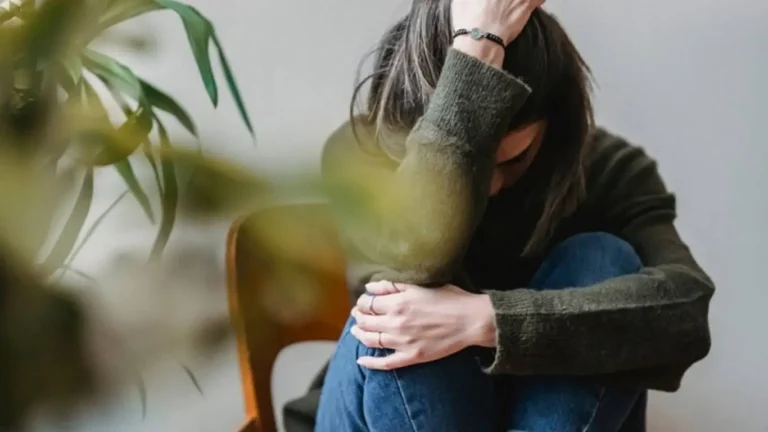
If you’ve ever felt like anxiety has you in a chokehold, you’re definitely not alone. For years, I was that person—heart racing, mind spiraling, and desperately Googling “quick fixes” that never worked. But when I discovered how the right yoga poses could actually *calm my anxiety*, it was a game-changer. Not the complicated Instagram-yoga kind, but the down-to-earth moves that made me feel human again. Let’s dive into the best yoga poses for calming anxiety and why they’re more than just a trendy workout.
Child’s Pose: The Ultimate Grounding Posture
There’s something incredibly humbling about folding yourself into a Child’s Pose. It’s like giving your nervous system permission to hit the brakes. This pose gently stretches your back while allowing your breath to deepen, signaling your body that it’s safe to relax.
Why It Works
- Activates the parasympathetic nervous system (your rest-and-digest mode)
- Encourages mindful breathing to quiet racing thoughts
- Perfect for when you feel overwhelmed and need immediate grounding
For me, this was the first pose that made me realize yoga wasn’t just physical. It was like my anxious mind finally found its “safe space.” If you’re curious about how anxiety manifests in your body, this article explains the physical sensations you should never ignore.
Legs-Up-The-Wall Pose: Instant Nervous System Reset
I used to underestimate how powerful simply flipping my legs up against a wall could be. It sounds too easy, right? But this restorative inversion works wonders when anxiety has your heart pounding and your thoughts racing.
Benefits You Can Feel
- Improves circulation and reduces that jittery, wired feeling
- Relieves tension from the lower back after a stressful day
- Signals your brain to slow down—perfect for those anxious nights when sleep feels impossible
If your anxiety often spirals before bed, you might also want to look into these sleep hygiene habits that are surprisingly effective.
Cat-Cow Pose: Moving Meditation for Anxious Minds

Cat-Cow Pose might seem basic, but don’t let its simplicity fool you. This gentle flow between arching and rounding your spine synchronizes breath with movement, making it a fantastic tool for snapping out of overthinking loops. Personally, when my anxiety hits mid-workday, a few rounds of Cat-Cow at my desk (yes, even in work clothes) is my go-to reset.
How It Helps Ease Anxiety
- Promotes mindful breathing to anchor you in the present
- Loosens up tight shoulders and neck—common stress storage zones
- Builds a rhythm that calms mental chatter
Did you know that chronic muscle tension is often a hidden cause of persistent anxiety? I stumbled upon this in an article about how muscle tension and anxiety feed off each other.
Bridge Pose: Releasing Emotional Buildup
The first time I tried Bridge Pose during an anxiety attack, I felt like my body was releasing months of bottled-up stress. Lifting your hips and opening up the chest feels like telling your anxious thoughts: “You’re not in charge right now.”
Bridge Pose Benefits
- Opens up the chest and diaphragm, making it easier to breathe deeply
- Activates the glutes and hamstrings, grounding your energy
- Counteracts the hunched-over posture that anxiety often causes
And if you’ve ever wondered why anxiety can cause chest tightness, this breakdown sheds light on it.
Seated Forward Bend: Stretching Your Stress Away
Forward folds have a way of coaxing your nervous system into a calmer state. I often use a Seated Forward Bend when my mind’s racing through “what if” scenarios that never seem to stop. It’s not about touching your toes—it’s about finding stillness in the stretch.
Why It’s a Must-Try
- Lengthens the spine and hamstrings, releasing physical tension
- Encourages diaphragmatic breathing to calm the mind
- Helps create a meditative, inward focus—perfect for mental reset
For a deeper dive into how lifestyle shifts like yoga can alleviate anxiety symptoms, check out this comprehensive guide on lifestyle and self-help strategies for anxiety.
Why Yoga Helps in Ways Medication Often Can’t
I’m not anti-medication by any means—SSRIs have their place and have helped many. But yoga taps into a different kind of healing that no pill can replicate. It gives you agency. It teaches you to regulate your breath, feel your body’s tension, and most importantly, reclaim the space between stimulus and response. According to NIMH, integrating body-based interventions like yoga significantly reduces anxiety symptoms alongside conventional treatments.
If you want a more clinical breakdown of how psychotherapy and lifestyle strategies complement medical treatments, this detailed overview on psychotherapy and counseling for anxiety is a must-read.
For a deeper understanding of how anxiety subtly infiltrates daily life and routines, this article from our main resource hub provides valuable insights: Why Anxiety Disorders Can Secretly Control Your Daily Life.
Supine Spinal Twist: Detoxing Stress from Within
If you’ve never tried lying on your back and gently twisting your body, you’re missing out on one of the easiest ways to unwind anxiety that’s lodged deep in your spine. I often use Supine Spinal Twists after long, stressful workdays when my thoughts feel like they’re on a loop.
Why It’s So Effective
- Stimulates the vagus nerve, which is critical in calming the body’s fight-or-flight response
- Helps release tension in the lower back and hips where stress often hides
- Encourages mindful, deep breathing as the body relaxes into the twist
Interestingly, many people don’t realize how anxiety and digestion are linked. I found this fascinating article that dives into how anxiety can silently disrupt your gut health — it’s a must-read if you often feel that gut-wrenching anxiety.
Standing Forward Fold: Letting Go of Overthinking
This pose has been a personal go-to, especially when my anxiety is bubbling up in social situations. There’s something about flipping your head below your heart that feels like a literal reset button for overthinking. Plus, it’s incredibly discreet—you can even sneak this one in during a bathroom break at work.
Benefits You Can Feel Right Away
- Lengthens the spine and decompresses the neck where we store “mental tension”
- Encourages fresh blood flow to the brain, enhancing mental clarity
- Gently activates the parasympathetic system, easing anxiety spirals
For anyone battling with performance anxiety, especially in high-pressure environments, this guide provides actionable strategies that helped me immensely.
Camel Pose: Opening Up When Anxiety Closes You In
I won’t lie—Camel Pose intimidated me at first. But once I eased into it (and learned it’s okay to use yoga blocks), I discovered how emotionally freeing heart-openers can be. When anxiety makes you want to curl inwards, Camel Pose is your defiant act of reclaiming space.
How It Supports Emotional Release
- Expands the chest, counteracting the body’s tendency to close off under stress
- Stimulates energy flow through the throat and heart chakras (if you’re into that—surprisingly therapeutic!)
- Encourages vulnerability and emotional openness—key when anxiety makes you isolate
For a deeper understanding of why anxiety often causes social withdrawal and emotional shutdown, I found this article insightful: how social withdrawal feeds the anxiety loop.
Corpse Pose: Mastering the Art of Doing Nothing

Ironically, the hardest pose in yoga is the one where you do absolutely nothing. Savasana (Corpse Pose) isn’t just a nap—it’s an intentional practice of surrender. For someone like me, who used to equate stillness with “wasting time,” Savasana taught me the power of *productive rest*.
Why Savasana is Non-Negotiable
- Allows your body to integrate the benefits of previous poses
- Promotes a profound state of relaxation that counteracts chronic hyper-vigilance
- Trains your mind to be okay with stillness—anxiety’s worst enemy
If you often experience racing thoughts when trying to relax, check out this resource on how intrusive thoughts silently sabotage mental peace.
Bonus: Breathing Techniques That Pair Perfectly with Yoga
Yoga without intentional breathing is like a car without fuel. Incorporating breathing exercises like Box Breathing or Alternate Nostril Breathing has significantly helped me manage anxiety spikes during the day. It’s not about “just breathe” platitudes—it’s about re-learning how to breathe in a way that calms the nervous system.
My Go-To Breathing Hacks
- Box Breathing: Inhale for 4 counts, hold for 4, exhale for 4, hold for 4—repeat until calm
- Alternate Nostril Breathing: Perfect for balancing anxious and sluggish energy
- Simple 5-Second Inhales & 7-Second Exhales: This ratio has an almost immediate calming effect
If you’re curious about other practical ways to regain calm quickly, this article on breathing exercises that actually work for anxiety relief is incredibly resourceful.
Turning Yoga Into a Daily Anxiety Toolkit
Over time, yoga has shifted from being a scheduled activity to a daily toolkit I reach for during anxious moments. It’s not about a 60-minute class or fancy yoga gear. It’s about knowing that at any moment, I can roll out my mat, breathe, and reclaim my calm. That’s something no quick-fix medication or productivity hack ever gave me.
If you’re serious about building a lifestyle that genuinely supports anxiety recovery, you need to check out this comprehensive resource: Lifestyle and Self-Help Strategies for Anxiety.
And if you ever wondered why anxiety feels like it sneaks into your daily life without you noticing, this guide will resonate deeply: Why Anxiety Disorders Can Secretly Control Your Daily Life.

Camellia Wulansari is a dedicated Medical Assistant at a local clinic and a passionate health writer at Healthusias.com. With years of hands-on experience in patient care and a deep interest in preventive medicine, she bridges the gap between clinical knowledge and accessible health information. Camellia specializes in writing about digestive health, chronic conditions like GERD and hypertension, respiratory issues, and autoimmune diseases, aiming to empower readers with practical, easy-to-understand insights. When she’s not assisting patients or writing, you’ll find her enjoying quiet mornings with coffee and a medical journal in hand—or jamming to her favorite metal band, Lamb of God.