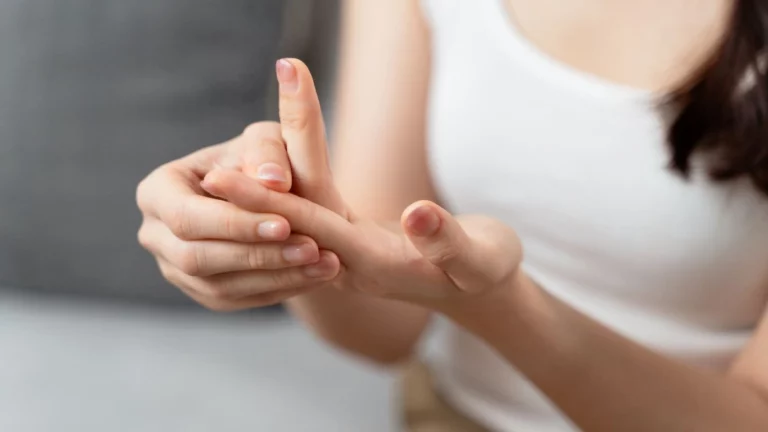
Best Massage Techniques For Headache Relief That Actually Work
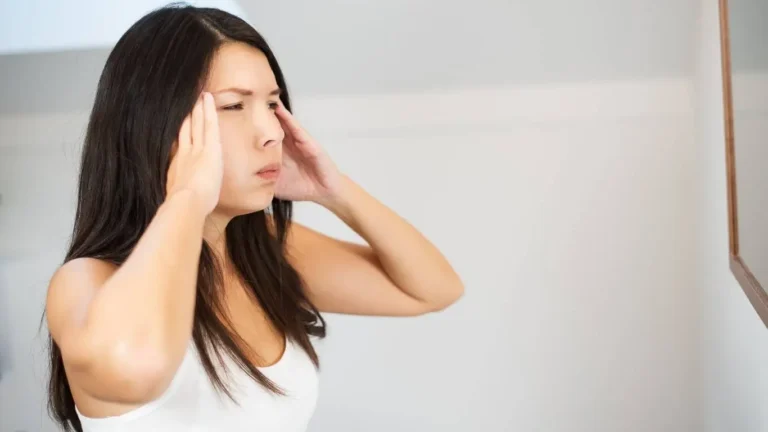
Ever had one of those days when a nagging headache just won’t quit? I’ve been there more times than I’d like to admit. It’s like a dull, throbbing reminder that your head just refuses to cooperate. Over the years, I’ve tried every remedy under the sun—medications, cold compresses, even blackout curtains. But honestly, nothing has come close to the relief I get from targeted massage techniques. And no, you don’t need to be a professional masseuse to make this work. Let’s break down how simple, effective massage techniques can be a game-changer for headache relief—whether it’s a tension headache or one of those sneaky migraines that creep up during a busy workday.
Understanding How Massage Helps with Headaches
When we think of headaches, the first thing that comes to mind is often medication. But did you know that many headaches, especially tension-type headaches, are directly linked to muscle tightness and stress buildup? Massage therapy works by loosening those tight muscle knots and improving blood circulation, which can ease that relentless pounding sensation in your head.
- Releases muscle tension around the neck and shoulders, common culprits of tension headaches.
- Boosts blood flow to the scalp and temples, reducing headache intensity.
- Triggers relaxation responses in the nervous system, combating stress-induced headaches.
For migraines, while massage may not completely eliminate an attack, it can significantly reduce the severity of symptoms when used correctly. Curious about the difference between a migraine and a tension headache? Here’s a detailed guide on migraine vs. tension headache that clears up the confusion.
Simple Massage Techniques You Can Try at Home

1. Temple Circular Motion
This is my go-to move when a headache starts brewing while I’m working. Using your index and middle fingers, gently press on your temples and move in slow circular motions. Apply steady pressure but be mindful not to overdo it.
- Close your eyes to minimize light sensitivity.
- Massage in clockwise circles for 30 seconds, then switch to counter-clockwise.
- Repeat this for 2-3 minutes.
2. Neck and Shoulder Squeeze
If you’re like me, you probably hold a lot of tension in your shoulders without even realizing it. This technique involves gently squeezing and releasing the muscles along your shoulders and at the base of your neck.
- Start by rolling your shoulders back to loosen up.
- Use your hands to gently pinch the muscles where the neck meets the shoulders.
- Hold for 5 seconds and release. Repeat for 1-2 minutes.
3. Scalp Tension Release
Ever noticed how soothing it feels when you run your fingers through your hair during a headache? That’s because the scalp is filled with pressure points that respond well to massage. A quick scalp massage can work wonders.
- Use your fingertips to apply gentle pressure across the scalp.
- Move in small circular motions starting from the back of the head towards the front.
- Focus on areas that feel sore or tight.
To understand how sensitive areas like the scalp contribute to migraine symptoms, this article on migraine numbness and weakness dives into the neurological aspects.
Massage Tools That Can Amplify Your Results
While your hands are your best tools, sometimes a little extra help can make a difference. I’ve personally found these tools super handy:
- Handheld scalp massagers – Great for releasing scalp tension without tiring your fingers.
- Foam rollers – Perfect for working out shoulder and upper back tightness that triggers headaches.
- Heated neck wraps – Combines heat therapy with gentle pressure to relieve neck stiffness.
For a deep dive into more innovative tools and devices specifically designed to assist with migraine management, check out migraine tools and devices.
When Should You Consider Professional Help?
I get it—sometimes, self-massage just isn’t enough, especially when the headache escalates into a full-blown migraine. That’s when seeking help from a certified massage therapist can be incredibly beneficial. They’re trained to identify trigger points and muscle imbalances you might miss.
But here’s a pro tip from my own trial and error: not every therapist is trained in headache-specific massage. Look for someone experienced in craniosacral therapy or trigger point therapy. Also, discuss if they’ve worked with migraine sufferers before, so you’re not just getting a general relaxation massage but something more targeted.
For persistent migraine cases, understanding the proper diagnostic steps is crucial. Here’s a resource on how migraines are diagnosed to guide you through the process.
Key Lifestyle Adjustments That Boost Massage Effectiveness
Massage techniques work best when complemented with a few lifestyle tweaks. From my own experience, these simple habits can drastically reduce the frequency and intensity of headaches:
- Stay hydrated. Dehydration is a silent trigger for both tension headaches and migraines.
- Take screen breaks. The 20-20-20 rule (every 20 minutes, look at something 20 feet away for 20 seconds) is a lifesaver.
- Maintain good posture, especially if you’re desk-bound for hours.
If screen-related headaches are your frequent enemy, read this guide on screen settings to reduce migraines for practical adjustments you can make immediately.
For a comprehensive overview of all migraine-related information, I highly recommend exploring our main resource on migraines and headaches. And if you’re interested in natural remedies beyond massage, this pillar article on natural migraine remedies is a must-read.
Advanced Massage Techniques for Chronic Headache Sufferers
If you’re someone who battles headaches on a near-daily basis, basic massage moves might not cut it. That’s where advanced techniques come into play. I learned this the hard way after weeks of persistent neck strain that led to tension headaches refusing to budge. It wasn’t until I explored trigger point therapy that I found real, lasting relief.
Trigger Point Release
Trigger points are tight “knots” in muscles that refer pain to other areas—like when a knot in your neck shoots pain up to your temple. Releasing these can dramatically decrease headache episodes.
- Locate the tender spot, often around the upper trapezius or suboccipital muscles.
- Apply steady, deep pressure using your thumb or a massage ball.
- Hold for 30-60 seconds until you feel a release or softening.
It’s a bit uncomfortable at first, but the relief afterward is worth every second. For more on how neck-related issues contribute to headaches, here’s an insightful read on migraine and neck pain.
Craniosacral Therapy at Home
This might sound fancy, but craniosacral therapy involves gentle manipulations of the skull and spine to balance the flow of cerebrospinal fluid. While professionals are trained in this, I’ve found that simply lying flat on the floor with a soft ball beneath the base of my skull mimics some of its benefits. Just 10 minutes of this can alleviate the pressure that builds up from tension headaches.
Combining Massage with Hot and Cold Therapy
One thing I swear by is pairing massage with temperature therapy. Heat helps to loosen up stiff muscles before a massage session, while cold therapy afterward numbs the pain and reduces inflammation. It’s a combo that has saved me from countless headache-induced meltdowns.
- Apply a warm compress to your neck and shoulders for 10 minutes to relax muscles.
- Perform targeted massage techniques (like the ones we covered earlier).
- Finish with a cold compress on the forehead or back of the neck to dull any lingering pain.
This method is particularly effective for migraines accompanied by light and sound sensitivity. For other creative hot and cold methods, check out hot and cold therapy for migraines.
Common Mistakes to Avoid During Headache Massage
When I first started self-massage, I made every rookie mistake possible—pressing too hard, focusing on the wrong areas, and even triggering more pain. Here are common pitfalls you should avoid:
- Over-massaging sore spots – Too much pressure can aggravate inflammation.
- Ignoring posture during massage – Slouching can cancel out your efforts.
- Massaging during an acute migraine attack – Some migraines require rest, not stimulation.
Also, always ensure you’re hydrated and have eaten a light snack before a session. Fasting or dehydration can make your body hypersensitive, worsening headaches. For deeper insights, here’s a guide on migraines and fasting.
When Massage Alone Isn’t Enough: Combining Therapies
As much as I advocate for massage, I’ve learned it works best when combined with other approaches. Techniques like mindfulness meditation, breathing exercises, and even simple stretches amplify the benefits of massage exponentially.
- Practice deep diaphragmatic breathing during massage to enhance relaxation.
- Incorporate gentle neck and shoulder stretches post-massage to maintain muscle flexibility.
- Experiment with progressive muscle relaxation for stress-induced headaches.
Want to explore more holistic approaches? Here’s a fantastic resource on CBT for migraines, which complements physical therapies like massage beautifully.
Best Times to Perform Headache Massage
Timing is everything. I used to wait until the headache was in full swing to start massaging, but I’ve found that earlier intervention is far more effective. Here’s when you should ideally aim for a massage session:
- At the first sign of headache onset – A light massage can sometimes stop it in its tracks.
- After long periods of screen time – Prevents digital eye strain from evolving into a full headache.
- Before bedtime – Helps relax tense muscles and promotes restful sleep, reducing morning headaches.
Speaking of mornings, if you often wake up with headaches, this article on morning migraines is an eye-opener (pun intended!).
Nutrition and Hydration: The Silent Allies of Massage Therapy
From personal experience, I can tell you that no amount of massage can fix a dehydration-induced headache. Staying hydrated and eating balanced meals are foundational to keeping headaches at bay. Magnesium-rich foods, in particular, are a secret weapon against headaches.
- Include leafy greens, nuts, and seeds in your daily meals.
- Avoid skipping meals—this can trigger blood sugar fluctuations that lead to headaches.
- Opt for hydrating fluids like coconut water or herbal teas.
For more on the nutritional side of headache management, this detailed piece on best foods for migraines is packed with actionable tips.
Taking Control of Your Headache Relief Routine
At the end of the day, massage techniques are one of the most accessible, non-invasive ways to manage headaches. The key is to be consistent and listen to your body. Combine the techniques we’ve discussed with small daily habits, and you’ll likely see a noticeable difference in how often and how severely headaches disrupt your life.
For a full guide on all things headaches and migraines, make sure to bookmark our comprehensive resource on migraines and headaches. And if you’re exploring natural treatments beyond massage, you’ll find immense value in this pillar on natural remedies for migraines.

Bianca Nala is a compassionate Nurse Practitioner with a strong background in primary and respiratory care. As a health writer for Healthusias.com, she combines her clinical expertise with a talent for clear, relatable storytelling to help readers better understand their health. Bianca focuses on topics like asthma, COPD, chronic cough, and overall lung health, aiming to simplify complex medical topics without losing accuracy. Whether she’s treating patients or writing articles, Bianca is driven by a single goal: making quality healthcare knowledge accessible to everyone.