How Anxiety Affects Voice And Speech And Quietly Shakes Your Confidence
Ever noticed how your voice gets shaky or your throat feels tight when you’re anxious? Yeah, I’ve been there too. It’s like your vocal cords are staging a rebellion at the worst possible time. Anxiety doesn’t just mess with your mind; it can take control of your entire vocal system, making everyday conversations feel like public speaking nightmares. Let’s dive into how anxiety quietly hijacks your voice and speech, and why understanding this is a game changer.
Why Does Anxiety Affect the Way We Speak?

It’s not just “in your head.” Anxiety triggers a physiological chain reaction. When the body senses stress, it flips into fight-or-flight mode. This response tightens muscles, including those you use to talk. The result? Your voice might sound thin, shaky, or even disappear entirely.
- Muscle tension: Tight throat and jaw muscles limit vocal control.
- Breath control: Anxiety messes with your breathing rhythm, causing shortness of breath mid-sentence.
- Dry mouth: A common symptom that makes speaking smoothly a challenge.
It’s no wonder public speaking feels like a marathon when you’re battling anxiety.
How Social Situations Amplify Speech Anxiety

For me, small group conversations used to be fine, but the moment I had to present in front of a crowd, my voice would betray me. It’s because social anxiety doesn’t care about logic; it’s wired to perceive judgment as a threat. This is why so many people experience trembling voices during public interactions.
If this sounds familiar, you might want to check out these insights on anxiety and workplace performance.
Common Voice Changes Triggered by Anxiety
- Voice cracking unexpectedly
- Speaking too fast
- Pronunciation slip-ups
- Sudden voice hoarseness
The Role of Breathwork in Calming Speech Anxiety

One technique that actually helped me survive meetings without sounding like I’m gasping for air? Simple breathing exercises. Focusing on slow, deliberate breaths before speaking helps reset your body’s stress response.
In fact, speech therapists often recommend diaphragmatic breathing to patients with anxiety-induced speech issues. This technique doesn’t just relax your body; it steadies your voice and gives you back some control.
Hidden Psychological Factors Behind Speech Anxiety
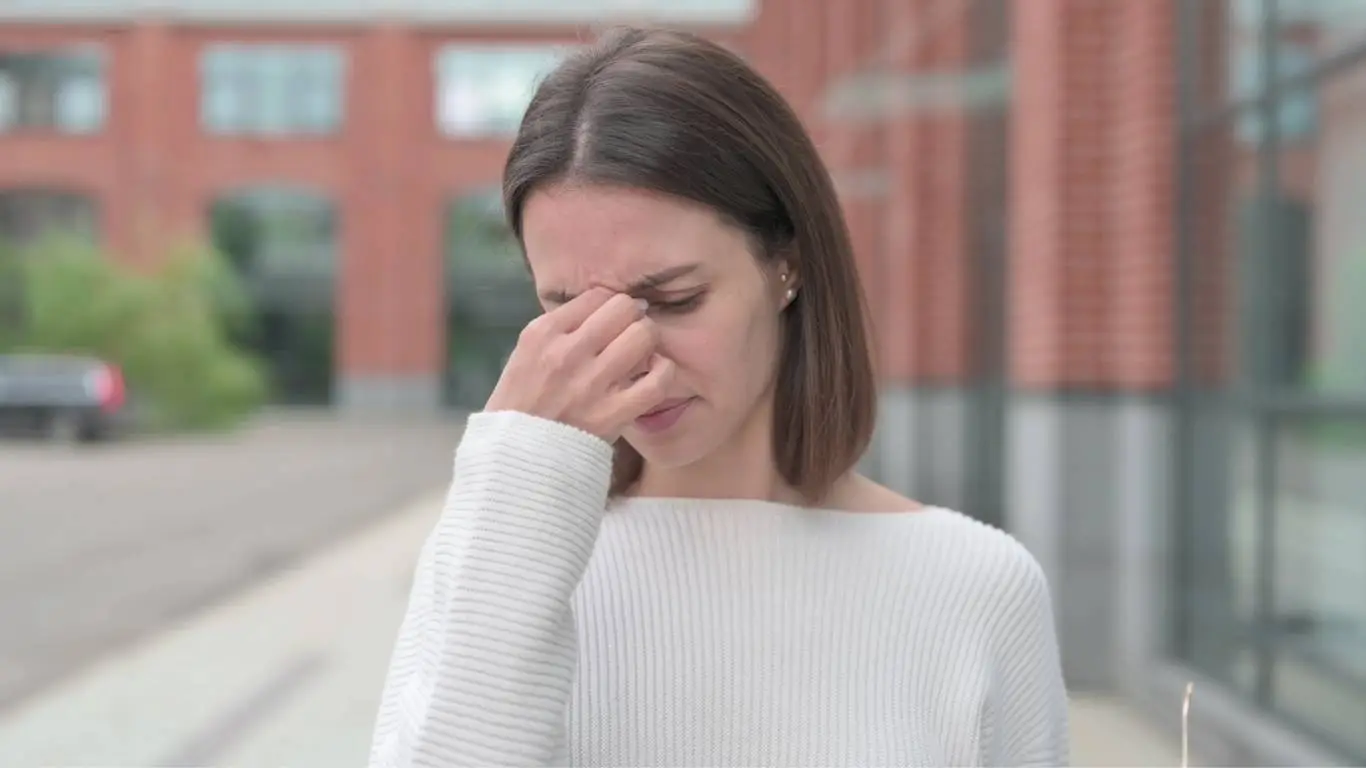
It’s not always the physical symptoms that trip you up. Cognitive distortions—like catastrophizing or mind-reading—can magnify speech anxiety. For example, thinking “I’ll definitely mess up this presentation” becomes a self-fulfilling prophecy. It’s a pattern I recognized in myself after several botched speeches.
If intrusive thoughts during anxiety attacks resonate with you, this guide on managing intrusive thoughts is worth a read.
The Link Between Voice Anxiety and Self-Esteem
Low self-esteem often acts as the perfect fuel for voice anxiety. The less confident you feel about your ability to communicate, the more your body manifests that fear vocally. Over time, this can develop into a vicious cycle where every speaking situation becomes a dreaded event.
Therapies That Address Speech-Related Anxiety

Addressing speech anxiety isn’t a one-size-fits-all journey, but certain therapies have shown remarkable results. Cognitive Behavioral Therapy (CBT) is often the first line of defense. CBT helps in identifying the thought patterns that sabotage your speaking confidence.
You can explore practical steps of CBT for anxiety here. Also, speech therapy with an anxiety-specialized therapist can work wonders in retraining your vocal delivery under stress.
Medication & Natural Remedies
- Beta-blockers: Often used situationally for performance anxiety to calm physical symptoms.
- Magnesium-rich foods: Known to aid in relaxation and reduce nervous tension. (learn more)
- Herbal teas: Chamomile or lavender teas can provide a mild calming effect.
For a comprehensive look into effective treatment methods, check out this pillar article on anxiety treatments.
Daily Habits That Quietly Influence Your Speaking Confidence

Believe it or not, small daily habits can massively influence how anxiety affects your voice. From staying hydrated to journaling anxious thought patterns, these micro-efforts build resilience over time. I personally found that cutting back on caffeine before important conversations reduced my vocal tension significantly. You might want to explore how caffeine quietly spikes anxiety.
And if you’re curious how anxiety creeps into daily routines in ways most people never notice, this main article explains it perfectly.
How Chronic Anxiety Can Permanently Affect Your Voice Quality

What many people (including myself, at first) don’t realize is that if anxiety goes unmanaged for too long, it can start leaving a lasting imprint on your voice. Chronic tension in the throat and vocal cords can lead to persistent hoarseness, vocal fatigue, and even voice disorders like functional dysphonia.
These conditions aren’t just about occasional voice cracks — they can reshape how you sound daily. If you constantly push through conversations with a tight throat, your vocal cords could develop maladaptive patterns that are hard to reverse.
For a deeper dive into anxiety’s physical effects, I highly recommend reading this pillar article on hidden causes of anxiety.
Physical Therapy Approaches for Vocal Tension
- Manual therapy: Targeted massage techniques for neck and jaw tension.
- Vocal function exercises: A series of gentle sounds designed to rebalance vocal fold function.
- Body posture correction: Addressing postural habits that strain the vocal tract.
Working with a voice-specialized physical therapist was honestly one of the best decisions I made when my vocal fatigue became unbearable after long meetings.
The Emotional Toll of Voice Anxiety in Social Relationships

Let’s get real — voice anxiety isn’t just a “me problem.” It affects how others perceive and respond to us. I’ve had moments where people mistook my vocal hesitations as disinterest or incompetence, which only fueled my anxiety further. The emotional fallout? Isolation, frustration, and a huge dent in self-confidence.
This cyclical relationship between voice anxiety and social withdrawal is more common than you think. If you feel this resonates, I’d recommend this piece on how social anxiety quietly stifles potential.
Breaking the Cycle with Exposure Therapy
One thing that genuinely helped me was gradual exposure. Starting with low-stakes conversations and progressively challenging myself with bigger speaking engagements rewired my anxiety responses. Exposure therapy, when done systematically, can retrain your brain to stop associating speech with danger.
If you’re curious how exposure therapy works in anxiety treatment, here’s a great resource: how exposure therapy helps rebuild confidence.
Nutrition’s Quiet Influence on Voice Anxiety

Your diet plays a bigger role in how your body reacts to stress than you might think. When I swapped out processed foods for nutrient-dense meals rich in magnesium and omega-3, the difference in my anxiety levels — and in turn, my vocal control — was noticeable. I was less tense, more hydrated, and my vocal cords didn’t feel like rubber bands anymore.
For practical dietary strategies, you can check out this helpful guide on anxiety-focused nutrition tips.
The Gut-Brain-Voice Connection
The gut-brain axis doesn’t just affect mood; it influences vocal performance too. When your gut is inflamed due to stress or poor diet, it amplifies the body’s anxiety response, tightening muscles you rely on for speaking. This is why probiotics and gut-friendly foods are often suggested as part of a holistic anxiety management plan.
Self-Help Strategies to Strengthen Vocal Confidence
From my personal experience, tackling voice anxiety isn’t about fixing it overnight but building habits that reinforce confidence slowly. Here are a few strategies that have genuinely helped me:
- Daily affirmations: Reframing negative beliefs about my speaking abilities.
- Voice journaling: Recording short audio logs daily to monitor improvements.
- Hydration rituals: Keeping water intake consistent to support vocal health.
And for a more holistic approach, explore these lifestyle self-help methods for anxiety.
When Professional Help Becomes Essential
While self-help strategies are valuable, there comes a point where professional intervention is key. Speech therapists who specialize in anxiety-induced voice disorders can craft personalized exercises that address both psychological and physiological triggers. Pairing this with cognitive behavioral therapy offers a powerful combo that can transform how you use your voice under stress.
How Anxiety’s Impact on Speech Is Often Overlooked

Here’s the thing — anxiety’s grip on speech often flies under the radar. Most people think of racing thoughts and panic attacks but miss how these mental states physically lock up their voice. This oversight can delay effective treatment and perpetuate unnecessary struggles in both professional and personal life.
If you’ve ever felt like your anxiety is subtly disrupting your daily routine in ways no one talks about, this comprehensive article on daily anxiety disruptions is a must-read.
Raising Awareness Through Open Conversations
Breaking the stigma around voice anxiety starts with talking about it. Sharing my own experiences with close friends and colleagues not only eased my burden but also uncovered how common this issue really is. The more we acknowledge it, the less power it holds over us.
For a broader understanding of why anxiety can silently take control of various aspects of life, this main pillar article is incredibly insightful: How Anxiety Disorders Control Daily Life.

Camellia Wulansari is a dedicated Medical Assistant at a local clinic and a passionate health writer at Healthusias.com. With years of hands-on experience in patient care and a deep interest in preventive medicine, she bridges the gap between clinical knowledge and accessible health information. Camellia specializes in writing about digestive health, chronic conditions like GERD and hypertension, respiratory issues, and autoimmune diseases, aiming to empower readers with practical, easy-to-understand insights. When she’s not assisting patients or writing, you’ll find her enjoying quiet mornings with coffee and a medical journal in hand—or jamming to her favorite metal band, Lamb of God.