
Why Floaters After Experiencing Strong Nostalgia Can Be So Distracting
Have you ever been hit by a wave of nostalgia so powerful that it feels like you’re physically pulled into a memory? I had one of those moments recently while flipping through an old photo album. But what caught my attention wasn’t just the faded pictures—it was the sudden burst of floaters dancing across my vision. At first, I thought it was just a trick of light, but it turns out, floaters after experiencing strong nostalgia are more common than we realize.
Why Does Nostalgia Trigger Eye Floaters?
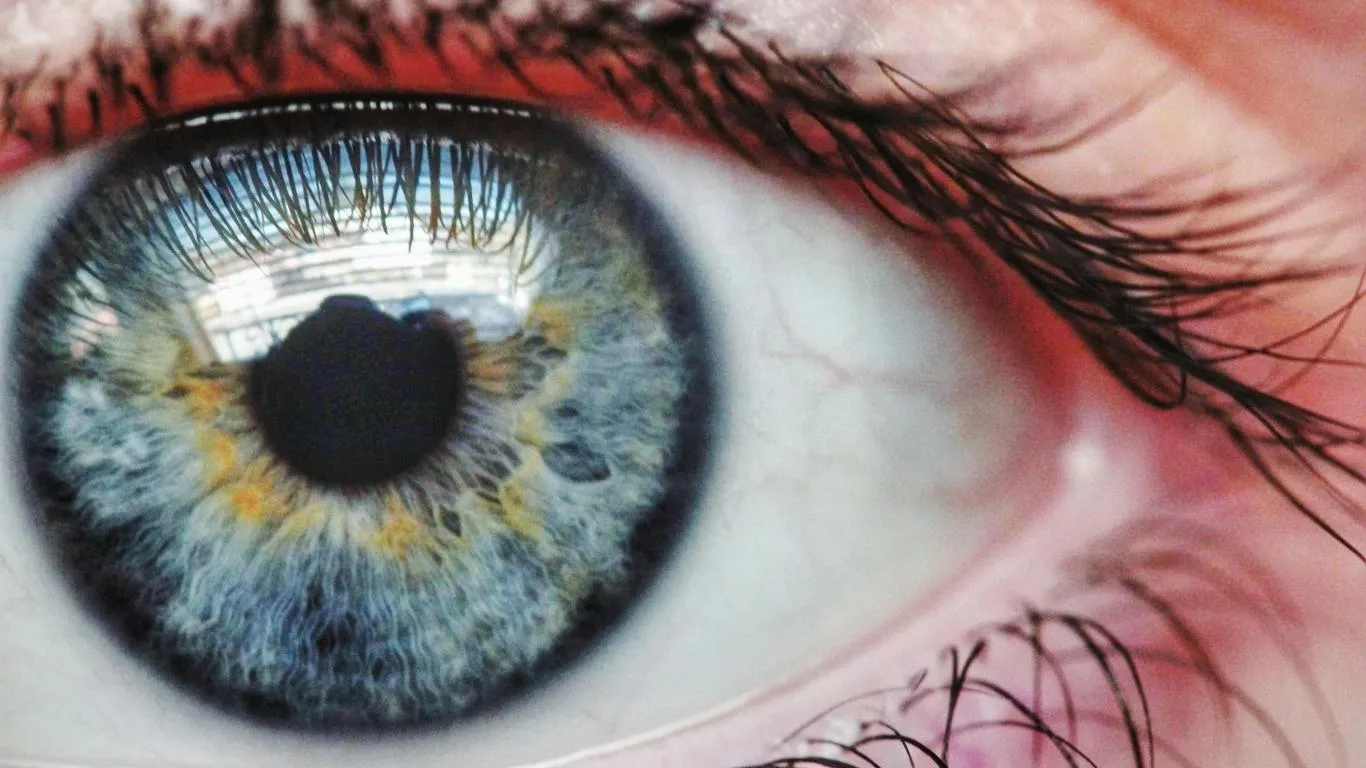
It sounds like something out of a sci-fi novel, but there’s a real connection between emotional surges and visual disturbances like floaters. Nostalgia is a powerful emotional response, often flooding our brains with dopamine and adrenaline. These chemicals can momentarily alter blood flow and increase tension in the ocular muscles, making pre-existing floaters more noticeable.
From my personal experience, it’s like the brain’s spotlight accidentally shines on those tiny bits of vitreous debris when we’re lost in a sentimental moment. According to vision experts, emotional stimuli can heighten visual sensitivity, making floaters pop into our awareness more intensely than usual.
Understanding What Floaters Actually Are
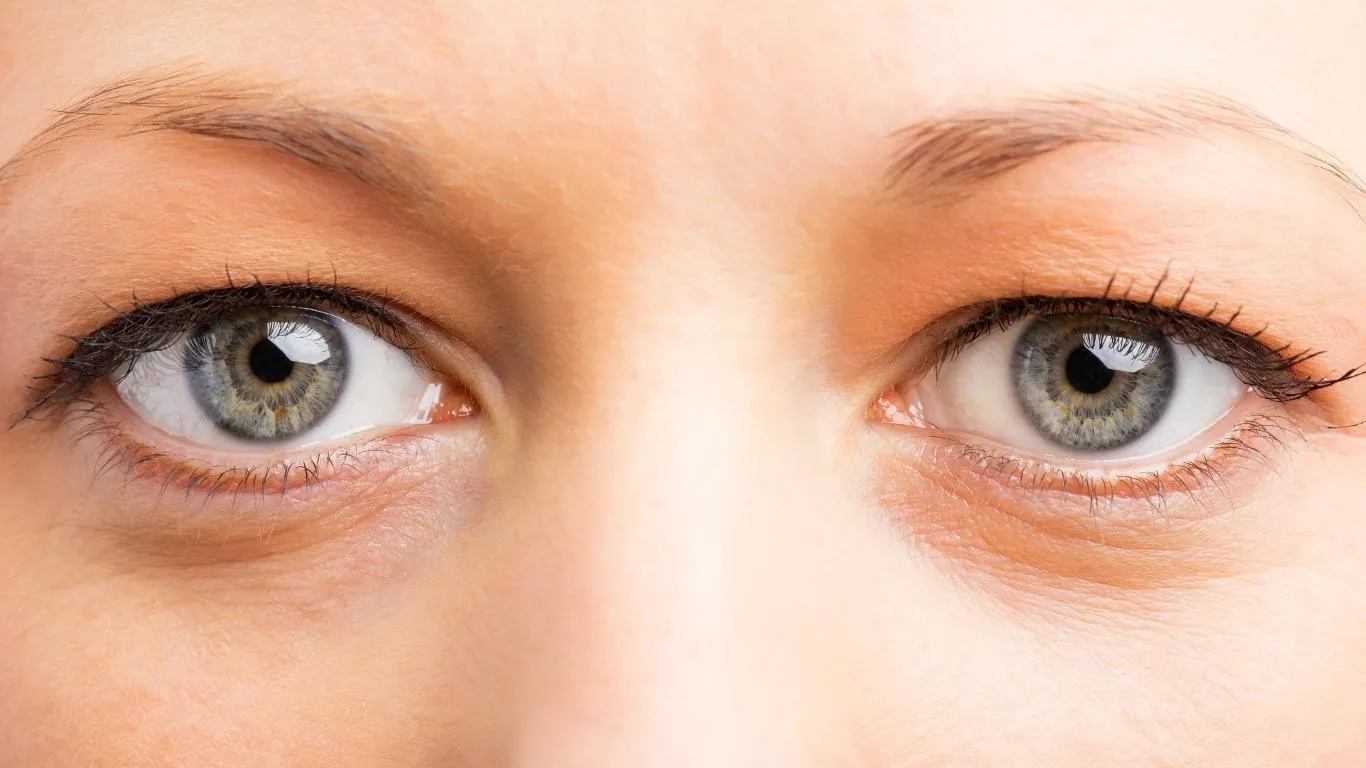
Let’s demystify floaters for a second. They’re not optical illusions or signs you’re “seeing ghosts,” as my grandmother used to say. Floaters are tiny clumps of collagen inside the vitreous humor, the gel-like substance that fills your eyeballs. When light passes through, these specks cast shadows on the retina, appearing as squiggly lines or translucent dots floating in your field of vision.
Most of us start noticing floaters in our 30s or 40s, but emotional triggers like nostalgia can bring them into sharp focus even earlier. Here’s a fun (or not-so-fun) fact: once you see them, it’s nearly impossible to “unsee” them. They tend to drift along with your eye movements, making them seem like they’re dancing just out of reach.
Common Shapes Floaters Take
- Transparent cobweb-like strands
- Black or gray dots
- Squiggly or thread-like lines
- Ring-shaped circles (like bubbles)
Is This Sudden Nostalgia-Floater Phenomenon a Warning Sign?
The good news? In most cases, floaters appearing after a deep emotional moment are harmless. But—and this is important—if you notice a sudden explosion of floaters accompanied by light flashes or a curtain-like shadow across your vision, it’s time to call your eye doctor immediately.
These could be signs of more serious issues like a retinal tear or detachment. For a deeper dive into warning signs, check out our guide on when floaters become dangerous.
Why Do Floaters Feel More Intense When We’re Emotional?
Think of your eye as a calm pond. Normally, floaters settle quietly at the bottom. But when we’re emotionally charged—whether from nostalgia, stress, or even sudden happiness—it’s like tossing a rock into that pond. The turbulence stirs up the vitreous gel, causing floaters to drift into our central vision.
Scientific literature also supports this theory. The increased neural activity during emotional highs can amplify sensory perceptions, including sight. This might explain why after a deeply emotional song or revisiting an old memory, you suddenly notice floaters that seemed invisible moments before.
Interestingly, stress-induced floaters are a well-documented phenomenon, and nostalgia—though often a pleasant emotion—can trigger similar physiological reactions.
Can Floaters from Nostalgia Episodes Become Permanent?
This is a question I asked my ophthalmologist after my own nostalgic-floater episode. The short answer is: not really, but they can become more noticeable. Floaters themselves are a result of vitreous degeneration, a natural aging process. Emotional triggers don’t create new floaters; they simply make the existing ones more visible to you.
However, if floaters suddenly increase in size or number after an emotional surge, it’s essential to get a professional assessment. Persistent floaters might signal underlying vitreous syneresis or posterior vitreous detachment (PVD). If you’re curious about how these processes work, the full explanation on PVD is a must-read.
Should You Be Concerned If You Experience Floaters After Sentimental Flashbacks?
If you’re like me, you probably shrugged off your first floater sighting as no big deal. But here’s the thing: while occasional floaters during emotional spikes are common, a sudden, noticeable increase should be on your radar.
Sometimes, floaters are the eye’s way of signaling subtle changes. They might not always point to severe problems, but they shouldn’t be dismissed entirely either. For instance, age-related vitreous changes can quietly progress without obvious symptoms until a floater-filled moment brings them to light.
Managing and Minimizing Floaters Visibility During Emotional Moments
There’s no magic pill to make floaters vanish instantly (I wish there were), but some strategies can help reduce their impact, especially when you’re emotionally charged:
- Shift your gaze: Moving your eyes up and down can help floaters drift out of your central vision.
- Improve lighting conditions: Floaters are less noticeable in dimmer settings.
- Relax your visual focus: During nostalgic moments, consciously soften your focus to minimize floater prominence.
For those who experience persistent issues, exploring medical treatment options might be beneficial. Also, don’t underestimate lifestyle tweaks—proper hydration, nutrition, and reducing screen time can make a visible difference, as explained in our comprehensive guide on eye floaters causes and solutions.
Are Certain People More Prone to Floaters After Emotional Surges?
Absolutely. While anyone can experience floaters during a rush of nostalgia, some people seem more “floaters-sensitive” than others. For instance, individuals with high myopia (nearsightedness) often have a more liquefied vitreous, making them prime candidates for floater flare-ups during emotional or physical stress. I can vouch for this—being nearsighted myself, those pesky specks appear far more often than I’d like.
Moreover, people who’ve had previous eye surgeries like LASIK or cataract removal may find their floaters become more prominent in emotionally charged scenarios. This happens because the vitreous humor becomes less stable post-procedure. Curious if this applies to you? Our article on floaters after cataract surgery goes deeper into this link.
Can Floaters After Nostalgia Episodes Be a Symptom of Eye Fatigue?
This is a nuance many overlook. Emotional flashbacks often coincide with long periods of introspection—staring at old photographs, reading journals, or simply gazing into the distance lost in thought. These activities may lead to eye strain or fatigue, making floaters seem more intrusive.
Especially after extended screen time, floaters become more visible due to contrast and visual overstimulation. You might want to explore how screen time aggravates floaters for practical tips on managing this overlap between emotional nostalgia and visual stress.
Debunking Myths: Floaters & Emotional States
Let’s clear the air on some common myths:
- Myth: “Floaters mean you’re going blind.”
- Reality: Floaters are a normal part of aging and vitreous changes. While annoying, they’re not a direct sign of vision loss unless accompanied by flashes or shadow curtains.
- Myth: “Emotional floaters are psychological, not physical.”
- Reality: Emotions don’t create floaters, but they can heighten your sensory perception, making you more aware of them.
For more insights on distinguishing floaters from other eye conditions, visit this detailed comparison guide.
When Should You See a Doctor?
I know it’s tempting to brush off a floater sighting as just “one of those things,” especially if it pops up after an emotional trip down memory lane. But here’s my general rule of thumb (advice passed on by my own ophthalmologist):
- If floaters come with sudden flashes of light, call your eye doctor.
- If you notice a “curtain” effect across your vision, it could be a retinal detachment—seek urgent care.
- Gradual increase in floaters over weeks? Still worth a check-up, especially if you’re over 40.
Being proactive beats being sorry later, trust me.
Practical Tips for Reducing the Impact of Floaters During Nostalgic Episodes
Let’s face it, floaters are stubborn. But through trial and error (and a few conversations with eye care pros), I’ve found some hacks that actually help:
- Controlled blinking: Rapid, gentle blinking can “reset” floater positioning.
- Ambient lighting: Soft, diffused lighting reduces contrast, making floaters less intrusive.
- Eye exercises: Slowly moving your gaze side-to-side or in circular motions helps disperse floaters from your central vision.
In cases where floaters significantly interfere with daily activities, advanced treatment options like YAG laser vitreolysis or vitrectomy might be considered. These are discussed in-depth in our article on eye floater treatments.
Long-term Eye Health Habits to Keep Floaters at Bay
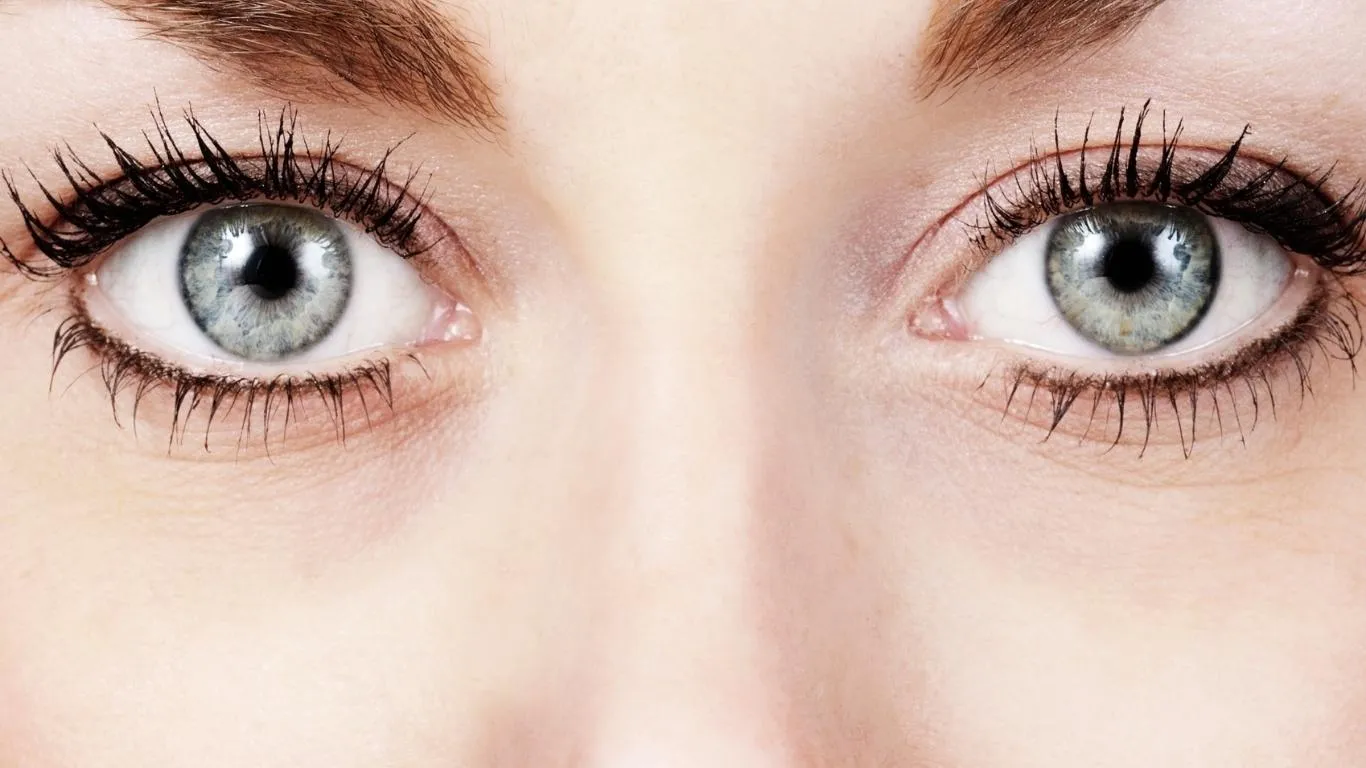
While floaters can’t be entirely prevented, nurturing your overall eye health can minimize their severity. Here’s what’s worked for me (and recommended by my ophthalmologist too):
- Staying hydrated—dehydration tends to worsen floater visibility.
- Adopting an eye-friendly diet rich in lutein, zeaxanthin, and omega-3 fatty acids.
- Regular eye check-ups to monitor vitreous health.
- Limiting screen time, especially in high-contrast settings.
More practical tips are detailed in our article on natural ways to manage eye floaters.
Personal Reflection: Why I’m No Longer Bothered By Nostalgia-Induced Floaters
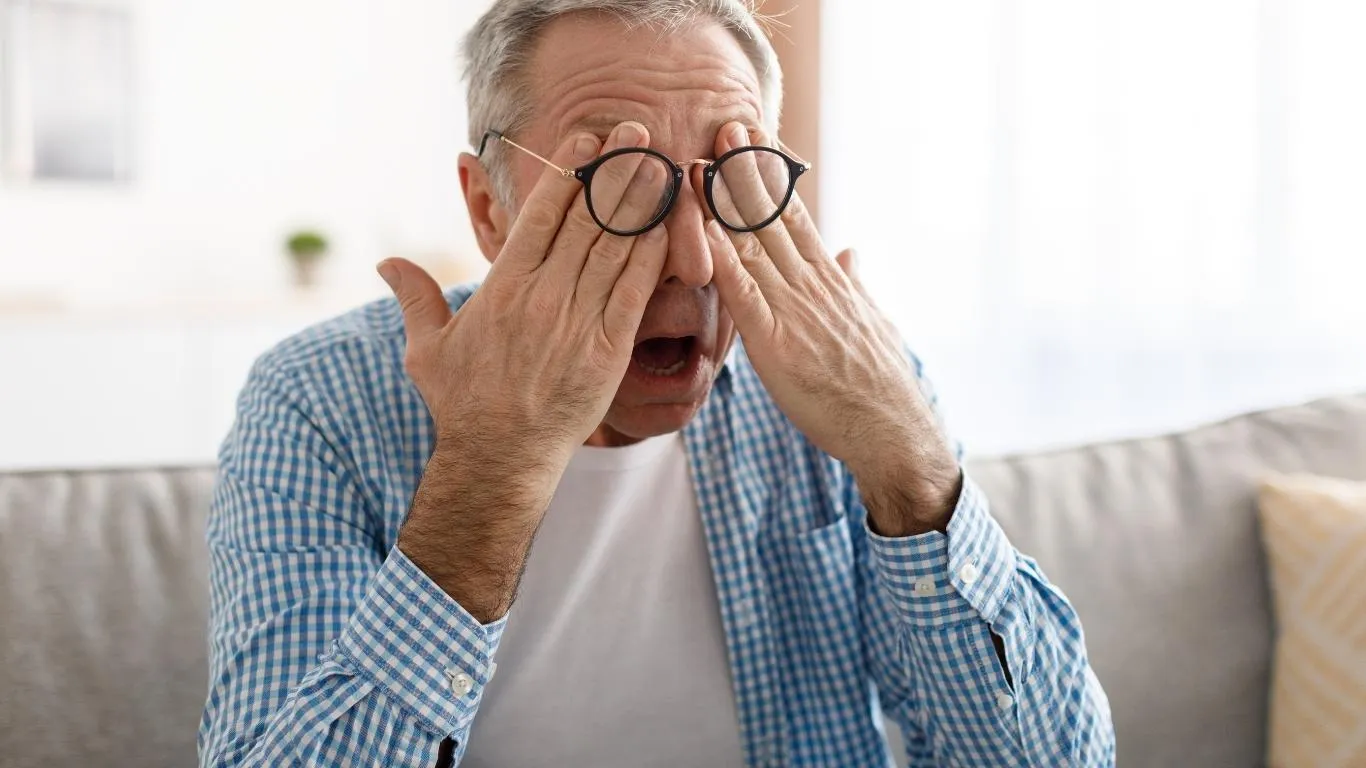
Here’s the truth: floaters used to annoy the life out of me. But after learning how they behave, understanding my triggers, and adjusting my habits, they’ve become less of a nuisance. Emotional episodes, like nostalgia, no longer amplify their presence as much.
It’s not about eliminating them—because, frankly, you can’t—but rather about controlling how much attention you give them. Floaters thrive on your focus. Shift that, and you regain control. And if you’re curious about the science of why floaters persist during emotional stress, I highly recommend reading through our comprehensive guide on floaters causes and solutions.

Camellia Wulansari is a dedicated Medical Assistant at a local clinic and a passionate health writer at Healthusias.com. With years of hands-on experience in patient care and a deep interest in preventive medicine, she bridges the gap between clinical knowledge and accessible health information. Camellia specializes in writing about digestive health, chronic conditions like GERD and hypertension, respiratory issues, and autoimmune diseases, aiming to empower readers with practical, easy-to-understand insights. When she’s not assisting patients or writing, you’ll find her enjoying quiet mornings with coffee and a medical journal in hand—or jamming to her favorite metal band, Lamb of God.