How To Talk About BV With Your OB-GYN Without Feeling Embarrassed
Bringing up bacterial vaginosis (BV) with your OB-GYN can feel awkward. I’ve been there, sitting in that sterile white room, shifting uncomfortably, wondering how to bring up a “down-there” issue without feeling embarrassed. But here’s the thing — your doctor has heard it all before. BV is common, and talking about it openly is the first step towards getting rid of it for good. Let’s walk through how you can approach the conversation confidently, so you don’t leave the clinic with lingering questions or untreated symptoms.
Why Discussing BV with Your OB-GYN Matters

BV isn’t just about discomfort or odor — it’s about your overall vaginal health. Ignoring it can lead to complications like fertility issues or recurring infections that can seriously disrupt your daily life. Your OB-GYN is your ally here. They can differentiate between BV and other conditions like yeast infections or trichomoniasis, which often get confused because of overlapping symptoms.
Preparing for Your Appointment: What You Should Know

Recognizing Your Symptoms
If you’re noticing a persistent fishy odor, thin grayish discharge, or discomfort, it’s time to speak up. I remember thinking I could handle it with over-the-counter remedies, but it kept coming back. Understanding the classic BV symptoms helps frame the conversation with your doctor.
Documenting Your Experience
Before you even step into the doctor’s office, jot down your symptoms — when they started, how often they occur, and anything that seems to trigger flare-ups. This can include:
- Changes in discharge color or texture
- Odor intensity (especially after intimacy)
- Discomfort levels (burning, itching, or pain)
Bringing Up Sensitive Topics
It’s natural to feel shy about discussing sexual activity or hygiene habits, but these details matter. BV can be linked to sexual behaviors or practices like douching. Mention if you’ve been using any feminine hygiene products that might disrupt your vaginal pH balance, like scented soaps or wipes. I used to think those products kept me “clean,” but they were actually making things worse. Here’s why douching myths need to be debunked.
What to Expect During the Conversation

Your OB-GYN’s Approach
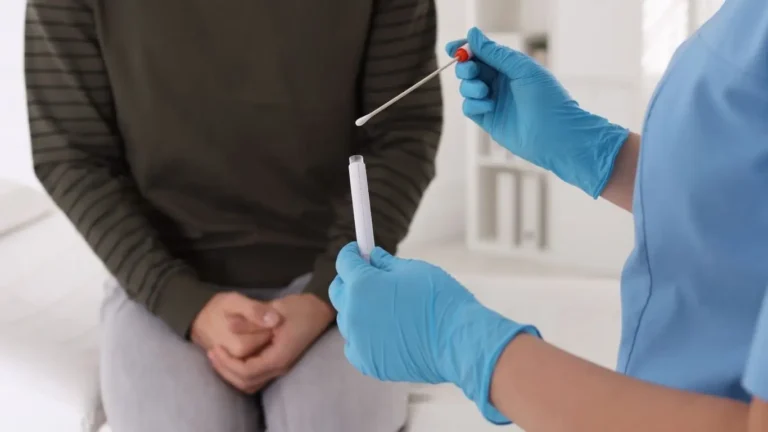
Your OB-GYN will likely ask you some targeted questions about your sexual history, menstrual cycle, and hygiene habits. They might perform a pelvic exam to collect a sample for lab analysis. Don’t hesitate to ask them about the difference between BV and yeast infections. It’s a common confusion, and your doctor can explain how to distinguish between them based on discharge characteristics and odor. This guide can give you a head start on understanding the differences.
Discussing Treatment Options
If diagnosed with BV, treatment might involve antibiotics like metronidazole or clindamycin. But if you’re someone who prefers natural remedies, now is the time to ask about alternatives. Your doctor might discuss probiotics or other natural BV treatments that can help balance your vaginal flora.
Common Concerns to Address with Your OB-GYN

Will BV Affect My Pregnancy?
If you’re planning to conceive or already pregnant, it’s crucial to discuss how BV can impact pregnancy. Untreated BV has been linked to preterm labor and miscarriage risks. Make sure your OB-GYN explains how to manage BV safely during pregnancy.
Should My Partner Be Treated?
BV isn’t technically classified as a sexually transmitted infection, but sexual partners can influence recurrence. Some doctors recommend treating partners in specific cases. You can read more about this here and discuss with your OB-GYN whether it applies to your situation.
How Can I Prevent Recurrence?
One of my biggest frustrations was BV coming back after I thought it was gone. Prevention strategies like adjusting your diet, switching to cotton underwear, and maintaining pH balance are essential points to cover with your OB-GYN. This resource on recurring BV prevention is a must-read before your visit.
Helpful Resources to Deepen Your Understanding

- Learn more about the main BV pillar article that covers everything from symptoms to advanced treatments.
- Explore deeper insights on BV symptoms with or without pain for a clearer understanding of what you might be experiencing.
- External Resource: Check out ACOG for guidelines on vaginal health and patient care recommendations.
- External Resource: Visit Mayo Clinic for a medical overview of bacterial vaginosis and treatment protocols.
Questions You Shouldn’t Hesitate to Ask Your OB-GYN About BV

“Can BV Clear Up Without Treatment?”
I used to think BV might just “go away on its own,” but that’s not always the case. While some mild cases may resolve, BV often needs medical intervention. Your OB-GYN can explain whether watchful waiting is an option or if immediate treatment is necessary. This is especially important if you’re prone to recurring BV, which doesn’t usually fix itself.
“Is Boric Acid Safe for Me?”
Boric acid suppositories get a lot of attention online as a natural BV remedy. But before you DIY anything, talk to your doctor about it. They can guide you on safe usage, frequency, and whether it’s suitable based on your medical history. Here’s a helpful reference on boric acid for BV treatment.
“Can Lifestyle Changes Really Help Prevent BV?”
Diet, stress management, and hygiene habits play a bigger role than you think. I had no idea that wearing synthetic underwear or using scented products was sabotaging my efforts. Your OB-GYN can give you a realistic plan to maintain vaginal health. Learn more about effective lifestyle adjustments for BV prevention.
Post-Treatment Care: What Your OB-GYN Wants You to Know

The Importance of Finishing Medication
Even if symptoms subside halfway through treatment, stopping antibiotics early can lead to resistance and recurrence. Make sure to follow through with the full course. It’s also worth asking your OB-GYN about potential side effects so you’re not caught off-guard.
Monitoring for Recurrence
One of the most frustrating experiences I had was thinking BV was gone, only for it to flare up again after antibiotics. Your OB-GYN might suggest follow-up visits or recommend over-the-counter probiotics to help maintain a healthy balance. This resource on why BV keeps recurring is worth bringing up in conversation.
Sexual Activity After Treatment
Many women wonder how soon after treatment it’s safe to resume intimacy. It’s best to wait until symptoms are fully resolved and your doctor gives the green light. Discussing this openly with your OB-GYN can also address whether your partner needs treatment or preventive measures. Here’s a guide on sex during BV treatment you can check beforehand.
Breaking Down the Stigma: Making BV Conversations Normal

One of the biggest hurdles isn’t BV itself, but the awkwardness surrounding it. I used to dodge questions at my appointments, but now I realize that openness is key. BV isn’t a reflection of hygiene or promiscuity—it’s a bacterial imbalance that happens to countless women. Your OB-GYN sees these cases daily; for them, it’s clinical, not personal.
Bringing a list of questions, being honest about your symptoms, and asking for clarification shows that you’re proactive about your health. Your doctor will appreciate your engagement and provide you with more targeted care. Don’t shy away from topics like alternative treatments, diet influences, or recurring episodes. The more you discuss, the better the outcome.
Resources for Staying Informed Beyond Your Appointment

- Stay updated with comprehensive guides like this BV anatomy and types resource to understand how BV affects different women differently.
- For a broader look at back-to-basics on BV, check out this pillar article on BV.
- External Resource: Visit Women’s Health for evidence-based information on vaginal health and BV care tips.
- External Resource: The CDC also provides clinical guidelines and FAQs on bacterial vaginosis treatment protocols.
Empowering Yourself for Future Appointments

Walking into your OB-GYN appointment armed with knowledge, confidence, and questions makes a world of difference. It took me a few uncomfortable visits to realize that these conversations are empowering, not embarrassing. The more informed you are, the more control you have over your vaginal health journey.
Your OB-GYN is your go-to expert, but being proactive bridges the gap between doctor’s visits and daily health habits. Use every appointment as an opportunity to dig deeper, clarify doubts, and establish a prevention strategy that fits your lifestyle. From discussing probiotics to understanding when to schedule a follow-up, it’s all about making BV conversations a normal part of your healthcare routine.

Dr. Gwenna Aazee is a board-certified Internal Medicine Physician with a special focus on hypertension management, chronic disease prevention, and patient education. With years of experience in both clinical practice and medical writing, she’s passionate about turning evidence-based medicine into accessible, actionable advice. Through her work at Healthusias.com, Dr. Aazee empowers readers to take charge of their health with confidence and clarity. Off the clock, she enjoys deep dives into nutrition research, long walks with her rescue pup, and simplifying medical jargon one article at a time.