How Iron Deficiency Can Worsen BV and Trigger Recurring Infections
If you’ve been dealing with the relentless cycle of bacterial vaginosis (BV), you’re probably familiar with the frustration of it coming back even after treatment. Trust me, I’ve been there. But one thing that often gets overlooked is how deficiencies in certain nutrients—especially iron—can quietly make BV worse, or even harder to treat. You wouldn’t immediately think of a connection between iron and vaginal health, but it’s more intertwined than you’d expect.
How Iron Deficiency Sneaks Into the BV Equation

Iron plays a crucial role in keeping your immune system sharp. When you’re iron deficient, your body’s defenses weaken, making you more prone to infections—including recurrent BV. I noticed during my own low-iron episodes, BV flare-ups became stubbornly frequent. This wasn’t just coincidence; studies suggest that iron deficiency can impair mucosal immunity, giving harmful bacteria like Gardnerella vaginalis an open field.
But Why Iron? Isn’t BV Just a Bacterial Imbalance?
That’s the common assumption, but it’s only half the story. BV is indeed an overgrowth of bad bacteria, but your body’s ability to control this depends heavily on your immune function. Iron deficiency anemia weakens the epithelial barrier and alters vaginal pH, creating a more hospitable environment for BV to thrive.
One research-backed insight highlights how anemia-related immune dysfunction can worsen chronic infections. So if you’re constantly treating BV with antibiotics but ignoring underlying iron deficiency, it’s like bailing water out of a sinking boat without fixing the leak.
Symptoms That Hint Iron Deficiency Might Be Fueling Your BV

- Unusual fatigue even after restful sleep
- Pale skin or inside lower eyelids
- Persistent BV odor or discharge that returns shortly after treatment (here’s why)
- Craving ice (a weird but common sign of iron deficiency anemia)
- Increased susceptibility to other infections
When I experienced these symptoms, my OB-GYN wasn’t surprised to find my ferritin levels scraping the bottom. She explained that low iron diminishes the production of neutrophils—your body’s infection-fighting cells. So the more deficient you are, the easier it becomes for BV to stage a comeback.
How BV Recurrence After Antibiotics Can Be a Sign of Iron Imbalance

Ever wondered why BV seems to come back right after finishing a round of antibiotics? While many jump to conclusions about sexual activity or hygiene habits, it could be your body’s compromised healing capacity due to low iron reserves.
Even after eradicating the bacteria, your vaginal flora needs to re-establish a protective layer of good bacteria. Iron deficiency stalls this recovery. Without enough iron, the mucosal lining remains fragile, leaving you prone to BV recurrence. Learn more about the mechanisms of BV relapse post-antibiotics.
The Link Between Heavy Menstrual Bleeding and Persistent BV
If you suffer from heavy periods, the risk of iron deficiency doubles. This chronic depletion silently undermines your efforts to manage BV. It’s a vicious cycle—heavy periods lead to iron deficiency, which weakens vaginal immunity, causing more frequent BV episodes, which can further disrupt menstrual health.
It’s important to check whether your BV struggles correlate with your menstrual cycle. Here’s a detailed guide on how menstrual changes influence BV.
What You Can Do: Practical Steps to Balance Iron and Combat BV

- Get your iron levels tested. Ferritin, hemoglobin, and transferrin saturation tests are more informative than a basic CBC.
- Adjust your diet. Focus on iron-rich foods like lean meats, leafy greens, and lentils. If you’re vegan, pairing plant-based iron with vitamin C sources boosts absorption significantly. You can find more detailed dietary guidelines in our BV-friendly diet guide.
- Consider iron supplements, but only under medical supervision. Too much iron can be harmful.
- Focus on vaginal pH balance through probiotics and topical care. This can provide symptomatic relief while you address internal imbalances. Here’s an excellent resource on restoring vaginal pH after BV.
Iron Supplementation: Proceed with Caution
Iron supplements can help, but they’re not a quick fix. It took me nearly three months to get my iron stores back to normal, and only then did I notice a significant reduction in BV flare-ups. Always consult a healthcare professional for proper dosage because iron overload comes with its own set of problems.
Connecting the Dots: BV Management is Holistic

Managing BV isn’t just about treating symptoms with antibiotics or home remedies. It’s about supporting your body’s immune resilience from within. Nutritional deficiencies like low iron can quietly sabotage your efforts, making BV an ongoing battle. If this resonates with your experience, you might want to explore more about long-term strategies to manage recurring BV.
For a broader understanding of bacterial vaginosis, including causes, treatments, and prevention methods, check out the comprehensive BV Types and Anatomy guide. You may also find valuable insights on our main Bacterial Vaginosis Hub.
Hidden Factors That Link Iron Deficiency to Persistent BV

One of the most frustrating things about battling BV is feeling like you’re doing everything “right”—hygiene, probiotics, treatments—but it keeps coming back. For me, it wasn’t until I addressed less obvious factors like nutrient deficiencies that things started to improve. Iron deficiency doesn’t just impact immune function; it also alters how your body metabolizes hormones, which in turn affects vaginal health.
Hormonal Imbalances, Iron, and BV—A Tricky Triangle
When your iron levels are low, your body’s estrogen metabolism can become disrupted. Estrogen plays a protective role in maintaining vaginal flora balance. This is why many women notice BV flare-ups worsen during phases of hormonal fluctuation, such as perimenopause or postpartum periods.
There’s a deep dive on this connection in our article about how BV symptoms interact with hormonal changes. The relationship is more complex than just “bad bacteria overgrowth.” Your body’s ability to maintain a healthy vaginal environment is a holistic process influenced by hormones, immunity, and nutrient status—iron being a key player.
How Stress and Iron Deficiency Amplify BV Symptoms

Here’s a personal insight: during periods of extreme work stress, not only did my iron levels plummet, but my BV symptoms flared aggressively. Stress induces cortisol spikes that further deplete your body’s iron reserves. This combination is a recipe for recurrent BV.
Iron deficiency coupled with stress-induced inflammation reduces the efficacy of natural remedies and antibiotics alike. I wish someone had told me earlier that managing stress is just as critical as taking probiotics when dealing with BV. For actionable tips on this, visit our section on how stress can trigger BV flare-ups.
The Iron–Microbiome Connection
Another underappreciated link is how iron levels influence gut and vaginal microbiomes. Low iron affects the diversity of beneficial bacteria not just in the gut but also in the vaginal ecosystem. If you’ve been ignoring gut health while battling BV, you might be missing a huge piece of the puzzle.
Some experts believe that gut dysbiosis can mirror and even fuel vaginal dysbiosis. There’s mounting evidence suggesting that balancing gut bacteria through prebiotics and iron-rich diets can indirectly support vaginal health. A practical resource on gut health’s impact on BV is worth exploring.
Smart Iron Intake: Foods That Boost Iron Without Worsening BV

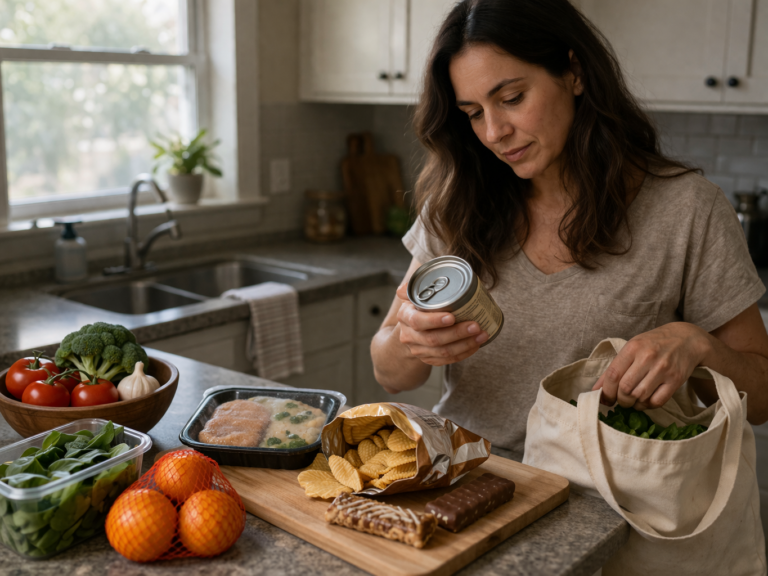
One mistake I made early on was grabbing iron-fortified foods loaded with sugars and additives—two things that can worsen BV. Choosing the right iron sources is crucial. Here are some iron-rich foods that are BV-safe and gut-friendly:
- Lean red meats (in moderation)
- Spinach and kale paired with vitamin C (think lemon-dressed salads)
- Lentils and chickpeas
- Pumpkin seeds and sunflower seeds
- Beets—great for iron and anti-inflammatory benefits
Pro tip: Avoid pairing iron-rich meals with dairy products or coffee, as they hinder iron absorption. There’s a complete guide on what foods to skip when managing BV that’ll help fine-tune your meal plans.
Supplements vs. Food: Which Works Better?
While supplements can fast-track iron recovery, they often come with digestive side effects like constipation and bloating. Personally, I found a food-first approach combined with gentle iron bisglycinate supplements (as prescribed by my doctor) to be a sustainable solution. This route allowed my body to adjust naturally, reducing both BV flare-ups and supplement side effects.
Here’s a clinical perspective from CDC’s nutritional guidelines emphasizing food-based nutrient recovery before turning to high-dose supplements.
Probiotics and Iron: The Balancing Act

It’s tempting to think probiotics alone can “fix” BV, but without addressing underlying deficiencies like iron, you’re only masking the problem. I started noticing real changes when I incorporated iron replenishment with targeted probiotic strains like Lactobacillus crispatus.
The key is timing—take iron and probiotics several hours apart. Iron can inhibit the growth of beneficial bacteria if consumed together. For a practical step-by-step guide, check out our article on how to use probiotics effectively for BV.
Hydration and Iron Absorption
Hydration plays an underrated role in iron absorption. Drinking adequate water enhances nutrient transport across cells. During my iron-replenishing journey, I made it a point to stay consistently hydrated, which also eased BV symptoms like dryness and irritation.
You can combine hydration with natural pH-balancing strategies, which are explained in depth in this practical hygiene guide.
When to See a Specialist: BV, Iron, and Beyond

If BV has become a chronic issue despite all self-care efforts, it might be time to see a specialist. An integrative approach that evaluates hormonal panels, micronutrient deficiencies, gut health, and stress levels can uncover root causes that standard gynecological evaluations might miss.
Specialized care can provide personalized strategies for iron replenishment and immune support, especially if you’re dealing with complicating factors like autoimmune conditions or chronic anemia. For a comprehensive look into how diet and micronutrients influence BV recurrence, don’t miss this guide.
For a full framework on managing BV holistically, I highly recommend diving into our BV Causes Pillar Article. If you’re seeking an overarching view on all aspects of back pain and related health imbalances, explore our comprehensive Back Pain Main Pillar resource.

Dr. Gwenna Aazee is a board-certified Internal Medicine Physician with a special focus on hypertension management, chronic disease prevention, and patient education. With years of experience in both clinical practice and medical writing, she’s passionate about turning evidence-based medicine into accessible, actionable advice. Through her work at Healthusias.com, Dr. Aazee empowers readers to take charge of their health with confidence and clarity. Off the clock, she enjoys deep dives into nutrition research, long walks with her rescue pup, and simplifying medical jargon one article at a time.