Why Floaters Get Worse During Extended Social Media Scrolling
Scrolling endlessly through social media has become second nature for most of us, but have you ever noticed those annoying little floaters darting across your vision after a long session? It’s like they sneak up when you’re deep into Instagram Reels or TikTok marathons. As someone who spends a fair share of time curating content and doom-scrolling (guilty!), I’ve been ambushed by these pesky floaters more times than I can count. Let’s talk about why floaters seem to show up during extended social media scrolling and what’s actually going on inside our eyes.
What Exactly Are Eye Floaters?
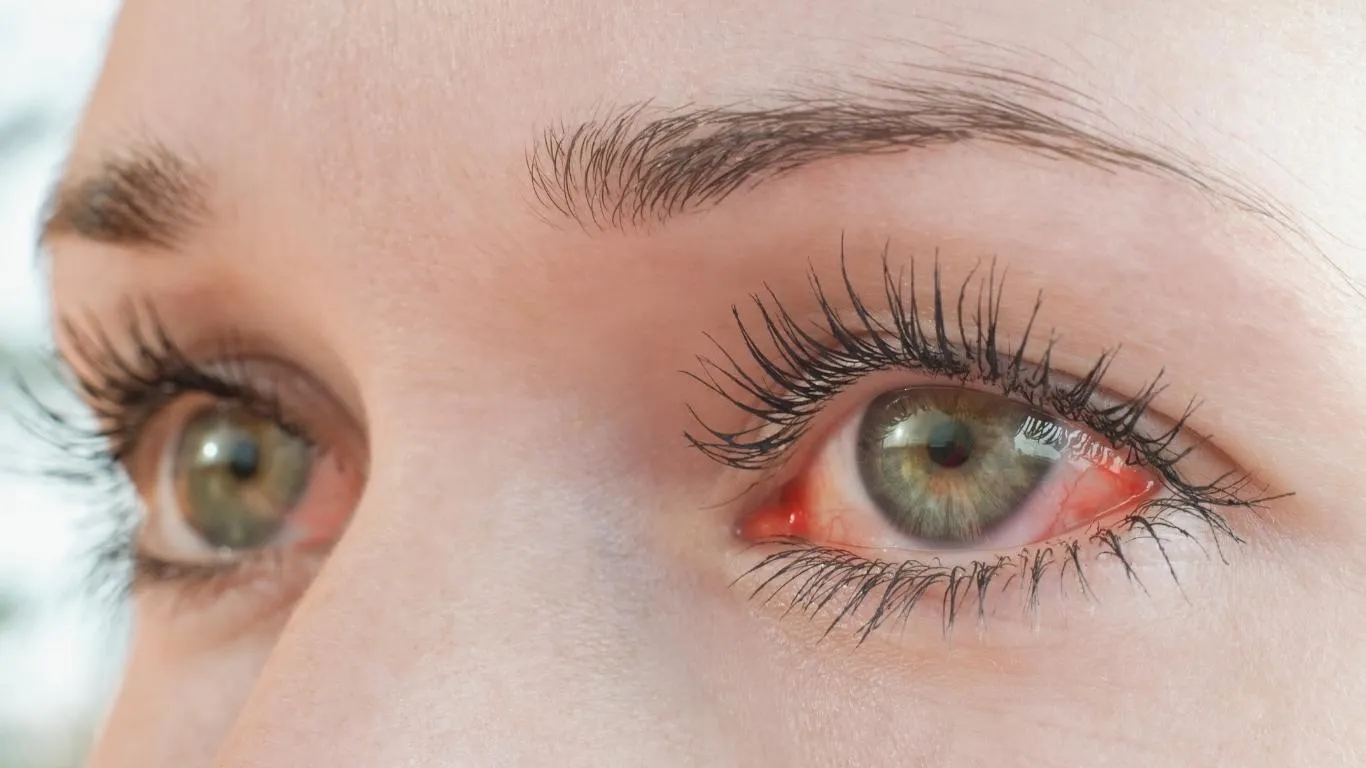
Eye floaters are those tiny specks, threads, or cobweb-like shapes that drift across your vision. They’re actually small clumps of collagen or cells floating within the vitreous—the gel-like substance inside your eyeball. Normally, these floaters are harmless, but they sure can get annoying, especially after prolonged screen time.
According to the American Academy of Ophthalmology, floaters are more noticeable when you’re staring at a bright, blank surface—like your phone screen with a white background. That’s why, after scrolling through endless memes or reading tweets on a bright interface, floaters suddenly seem to ‘appear’ out of nowhere.
Why Do Floaters Become More Noticeable During Social Media Scrolling?
Let me tell you, there’s nothing worse than trying to read a juicy Instagram caption while floaters are photobombing your screen. But why does this happen during extended scrolling?
1. Digital Eye Strain Amplifies Floaters
When you’re glued to your phone for hours, your blink rate drops dramatically. Fewer blinks mean less lubrication, leading to dry eyes and a heightened awareness of any imperfections in your vision—including floaters. This is commonly known as Computer Vision Syndrome (CVS), and it doesn’t just apply to computers.
Extended focus on digital screens narrows your visual attention, making those floating shadows more prominent. In fact, screen time is notorious for making floaters more noticeable.
2. High Contrast Displays Highlight Floaters
Social media apps often use stark white backgrounds, which create the perfect “backlight” for floaters to make their grand appearance. When I switch from dark mode to light mode on my apps, I instantly see a swarm of floaters dancing across my vision.
3. Eye Fatigue Makes You Hyper-Aware
Long periods of scrolling can cause subtle eye fatigue, which might not feel like pain but shows up as visual disturbances. You might not even notice how tired your eyes are until you suddenly become hyper-aware of those pesky floaters.
Are Floaters After Scrolling a Sign of Something Serious?
Most of the time, floaters that pop up during social media scrolling are harmless and simply a result of prolonged screen exposure. However, if you notice a sudden increase in floaters, flashing lights, or a shadow in your peripheral vision, it’s time to see an eye specialist. These could be warning signs of a retinal tear or detachment.
There’s a fine line between common floaters and floaters that could indicate underlying eye issues. You can check out our article on dangerous signs of eye floaters to know when to get concerned.
Can Prolonged Scrolling Cause New Floaters to Form?
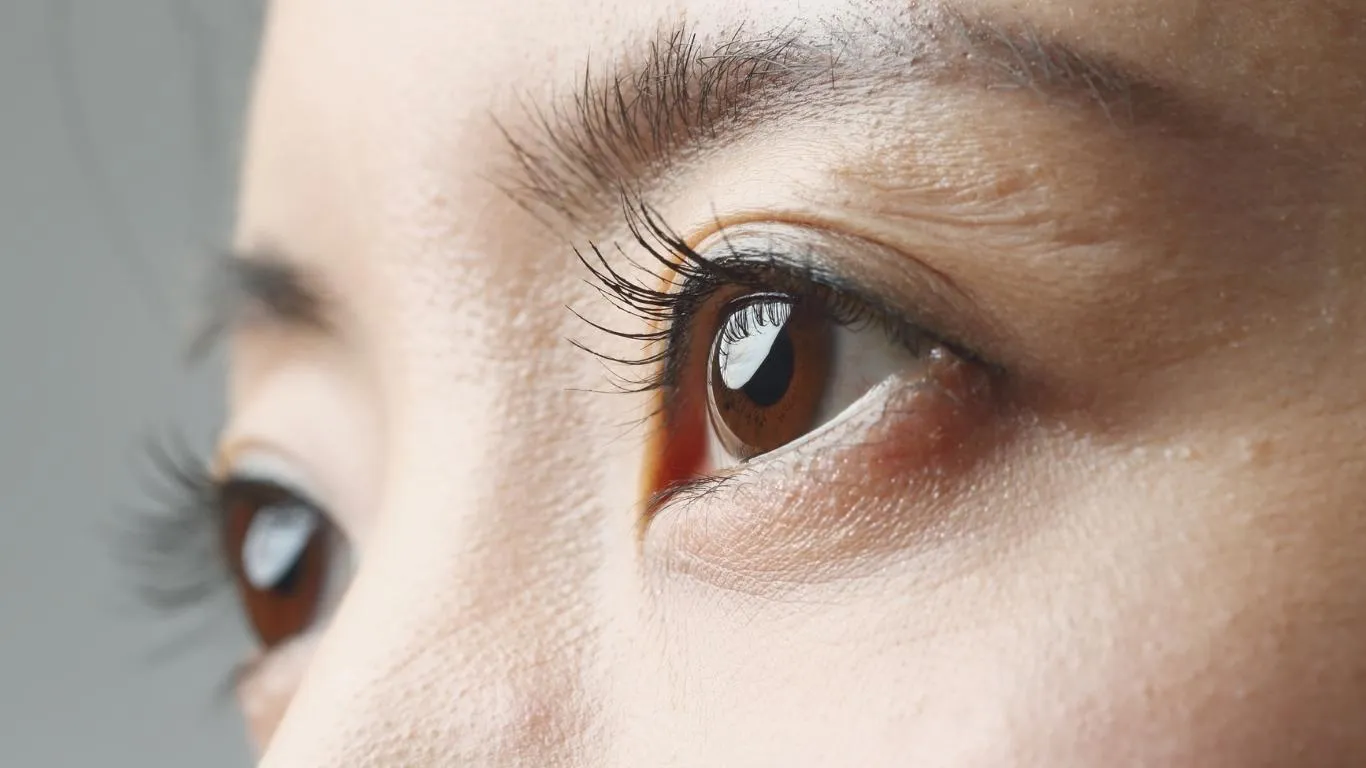
This is a common worry among people who spend a lot of time on screens (guilty again). While scrolling itself doesn’t directly “cause” new floaters, it can aggravate existing conditions that lead to floaters. For example:
- Vitreous Syneresis: The natural aging process where the vitreous gel becomes more liquid and clumps form.
- Dehydration: Lack of hydration can make floaters more noticeable. Funny enough, I once noticed more floaters after binge-scrolling through TikTok for hours and realized I hadn’t sipped water all day.
- Neck and Posture Strain: Looking down at your phone for extended periods can indirectly contribute to visual fatigue and worsen floaters.
There’s a well-documented link between eye floaters and age-related vitreous changes, which can be accelerated by lifestyle factors such as poor screen habits.
Tips to Reduce Floater Annoyance During Scrolling
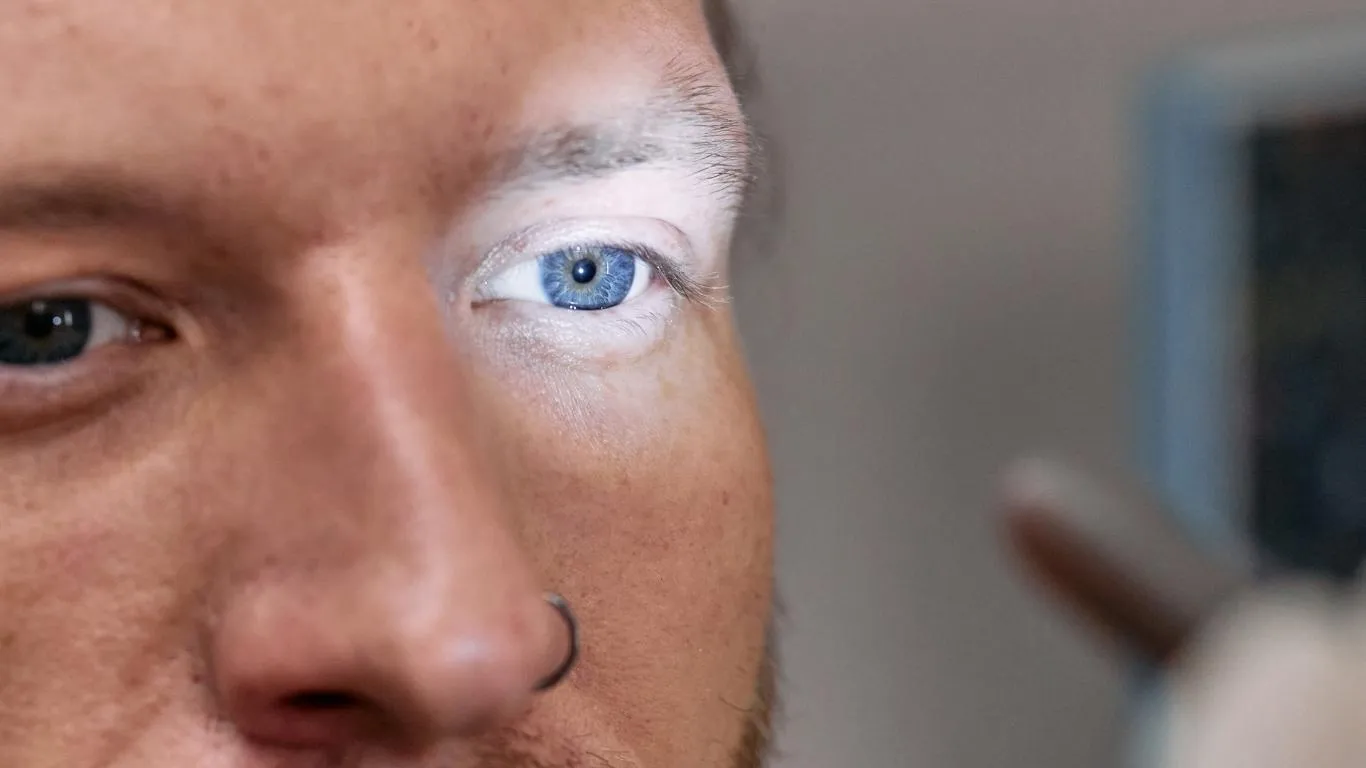
While you can’t magically eliminate floaters, there are a few tricks I’ve picked up to minimize their annoyance during screen time:
- Blink More Often: Train yourself to blink intentionally every few seconds, especially when scrolling.
- Use Dark Mode: Switch to dark mode on your apps to reduce the bright background that makes floaters stand out.
- Follow the 20-20-20 Rule: Every 20 minutes, look at something 20 feet away for at least 20 seconds.
- Hydrate: Simple but underrated. Staying hydrated reduces the stickiness of the vitreous gel, making floaters less prominent.
- Adjust Screen Brightness: Lowering brightness to a comfortable level can reduce visual strain significantly.
These are small changes, but they’ve made a noticeable difference for me. There are also some simple eye exercises that can help manage floater annoyance if done consistently.
Could Eye Floaters Be Mistaken for Digital Eye Spots?

One of the most frequent confusions I had early on was mistaking floaters for digital eye spots or even smudges on my glasses (only to realize I wasn’t wearing any!). Digital eye spots often appear after staring at high contrast images or bright elements, whereas floaters “float” and move as you shift your gaze.
Still unsure? You might find this guide helpful on distinguishing floaters from other eye issues.
For a deep dive into everything about floaters, from causes to treatments, make sure to visit our comprehensive guide on what are eye floaters.
Are There Long-Term Solutions for Managing Floaters During Screen Time?
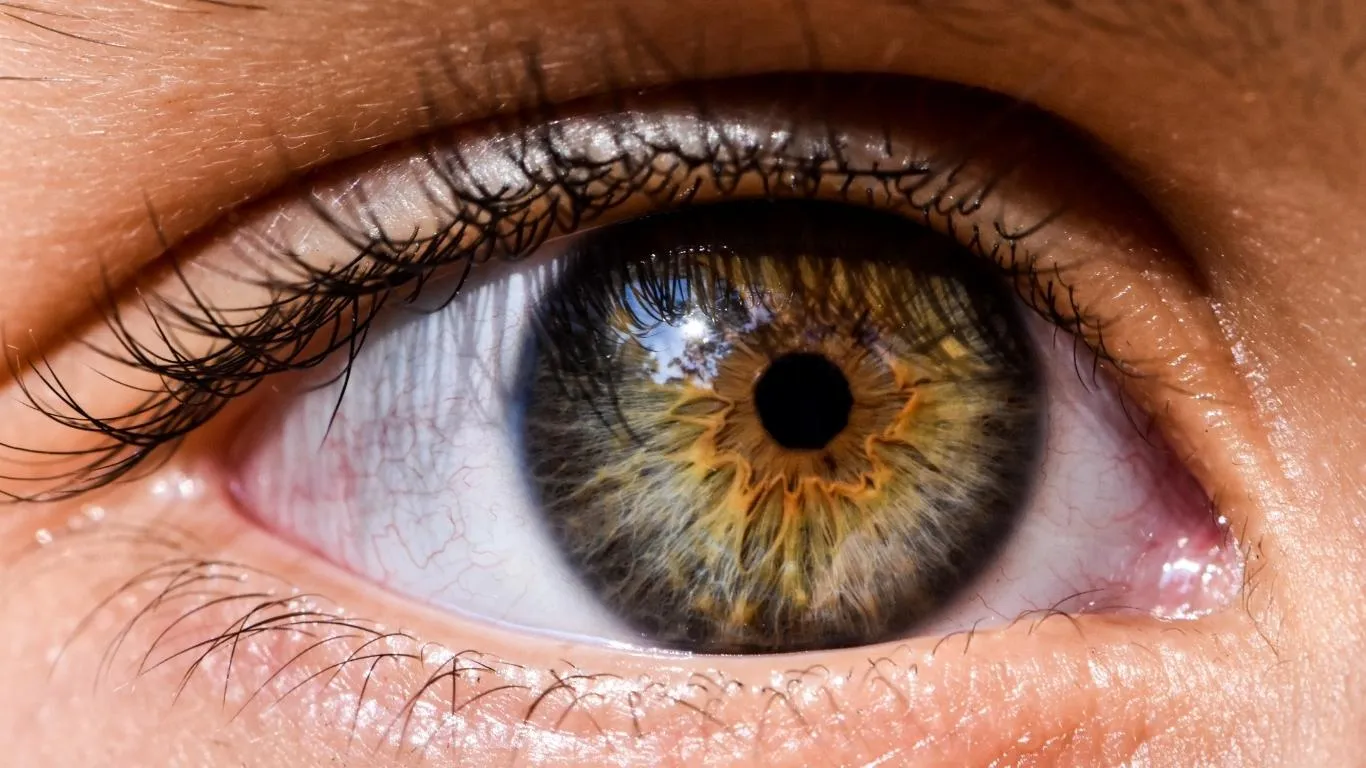
Honestly, I used to think I was stuck with floaters forever—until I learned there are ways to manage them long-term. While floaters caused by natural vitreous changes can’t be “cured” with eye drops, there are treatment options and daily habits that make a massive difference in how much they impact your life.
1. Vitreolysis (Laser Treatment)
If floaters are seriously interfering with your daily activities, you might consider discussing laser treatment options for floaters with your ophthalmologist. Vitreolysis uses a laser to vaporize floaters, making them less noticeable. It’s not always recommended for minor cases, but it’s something to keep in mind for persistent issues.
2. Vitrectomy: A Last-Resort Solution
For severe, vision-disrupting floaters, a surgical option called vitrectomy exists, where the vitreous gel is removed and replaced with a saline solution. However, it’s invasive and generally reserved for extreme cases because of potential complications like retinal detachment.
3. Lifestyle Adjustments That Actually Help
In my experience, simple lifestyle tweaks can often be more effective (and safer) than medical procedures, especially if your floaters are mild but annoying during screen use:
- Posture Matters: Keeping your screen at eye level reduces neck strain and visual stress, which minimizes floater visibility during scrolling.
- Blue Light Filters: Using a good blue light filter on your devices can reduce digital eye strain significantly.
- Hydration & Nutrition: Consuming foods rich in lutein, omega-3, and antioxidants can promote overall eye health. You might want to check out supplements that actually support floaters management.
Natural Remedies: Myth or Real Help?
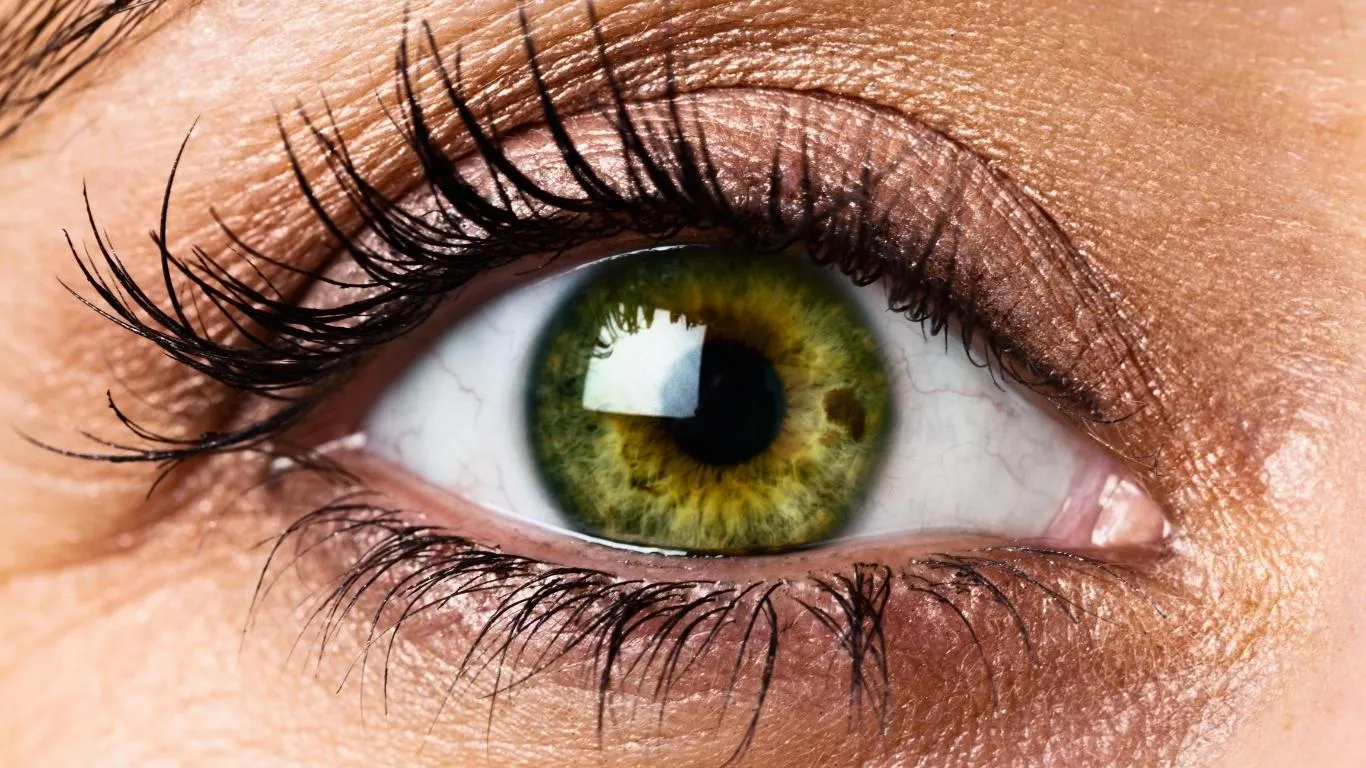
I’ll be honest—I’ve tried my share of “natural remedies” for floaters, some out of desperation, some out of curiosity. From eye exercises to herbal supplements, the internet is full of suggestions. But what actually works?
While there’s no miracle cure, certain approaches have helped me reduce floater intensity during screen-heavy days:
- Eye Exercises: Gentle eye movement routines can improve vitreous fluid circulation, making floaters less intrusive. Here’s a guide on effective floater-reducing exercises.
- Antioxidant-Rich Diet: Including leafy greens, berries, and omega-3-rich fish can support vitreous health over time.
- Hydration: Drinking adequate water daily is surprisingly effective at reducing floater prominence during screen time. Dehydration can make floaters more noticeable.
Be cautious with overhyped “detox drops” or unproven eye-clearing supplements. Stick to advice grounded in research and consult an eye care professional before trying alternative treatments. You can read more on which natural remedies are fact and which are fiction.
When Should You See a Doctor About Your Floaters?
If you’ve been noticing floaters for a while, especially after marathon scrolling sessions, it’s probably harmless. But here’s the deal—certain symptoms should never be ignored:
- Sudden increase in number of floaters.
- Flashes of light (like camera flashes) in your peripheral vision.
- Dark shadow or curtain-like effect covering part of your vision.
- Floaters accompanied by eye pain or redness.
These could indicate retinal tears, detachment, or even infections that need immediate attention. You can read in detail about how floaters can be a warning sign for retinal tears.
Small Habits to Make Floaters Less Intrusive in Daily Life
Over time, I’ve developed a few small but mighty habits that keep floaters from ruining my scrolling sessions:
- Take Micro Breaks: Every 10-15 minutes, I look away from the screen for 10 seconds. It resets the visual strain.
- Glance Around: Moving your eyes left and right can shift the floaters out of your central line of sight, giving temporary relief.
- Digital Minimalism: Reducing unnecessary screen time is not just trendy, it’s practical. You can learn more about this approach here.
Also, adjusting lighting in your workspace makes a difference. Floaters are less visible under softer, warmer lighting compared to harsh white LEDs.
Floaters Are Annoying, But You’re Not Alone
If there’s one thing I’ve learned, it’s that floaters aren’t a personal curse—they’re a universal annoyance. Whether you’re a digital creator like me or just love a good social media scroll, floaters during extended screen use are a shared frustration.
Learning to manage them is a mix of awareness, small habit changes, and knowing when to seek professional advice. If floaters are disrupting your daily life, don’t hesitate to consult an ophthalmologist.
For a deeper understanding of floaters and how to differentiate them from other vision problems, check out this article on eye floaters vs other eye issues. And of course, for the full lowdown on causes, symptoms, and treatment options, visit our main guide on what are eye floaters.

Camellia Wulansari is a dedicated Medical Assistant at a local clinic and a passionate health writer at Healthusias.com. With years of hands-on experience in patient care and a deep interest in preventive medicine, she bridges the gap between clinical knowledge and accessible health information. Camellia specializes in writing about digestive health, chronic conditions like GERD and hypertension, respiratory issues, and autoimmune diseases, aiming to empower readers with practical, easy-to-understand insights. When she’s not assisting patients or writing, you’ll find her enjoying quiet mornings with coffee and a medical journal in hand—or jamming to her favorite metal band, Lamb of God.