Why Floaters When Looking Through Wine Glasses Are So Annoying
You know that oddly frustrating moment when you’re enjoying a glass of wine, holding it up to the light, and suddenly these tiny specks or squiggly threads start floating around in your vision? Yep, those are eye floaters. Trust me, I’ve been there — thinking it was dust on my glass, only to realize, nope, it’s my eyes playing tricks. For many, “floaters when looking through wine glasses” isn’t just an occasional annoyance; it becomes a frequent, almost ritualistic reminder that our eyes are more complex than we give them credit for.
What Exactly Are These Wine Glass Floaters?
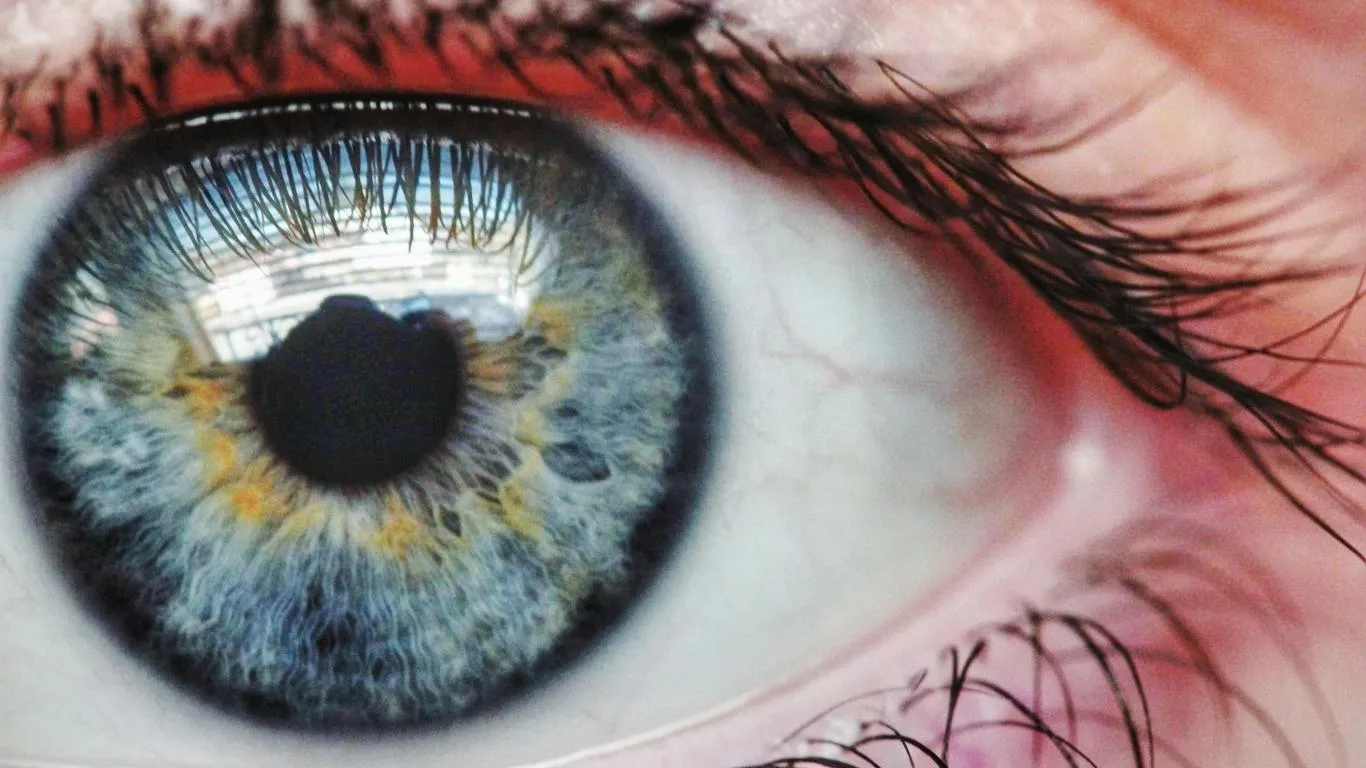
In simple terms, eye floaters are tiny clumps of collagen fibers that cast shadows on the retina. When you tilt your head back to admire that deep red merlot or a crisp white chardonnay, the light refracts through the curved glass, making these floaters far more visible. It’s not the wine, it’s your vitreous humor — that gel-like substance inside your eyeballs — gently reminding you it’s aging, just like that vintage bottle.
For me, floaters became noticeable during quiet evening tastings, especially under warm, dimmed lights. At first, I chalked it up to the mood lighting, but over time, it was clear these “dancing shadows” were more than just a lighting trick.
Why Are Floaters More Noticeable When Drinking Wine?
The Science of Light Refraction & Curved Surfaces
Wine glasses are designed to enhance aroma and flavor by their shape. But optically, they’re a nightmare for anyone sensitive to floaters. The curved glass bends light in a way that amplifies any debris inside your vitreous. That’s why, when you’re casually swirling your wine and tilting it to check the legs, floaters become your uninvited guests.
Eye Strain and Visual Fatigue
Let’s not ignore that wine tasting often happens after a long day of screen time. Digital eye strain already worsens floaters. Combine that with focusing on translucent liquid in a refractive vessel, and voilà — your floaters throw a party. I’ve experienced this on countless Friday nights; it’s like my eyes know when I’m trying to relax.
Here’s a deeper dive on how screen time might be making your eye floaters worse if you’re curious.
Is It Just Me? Or Do Floaters Get Worse With Certain Wines?
Alcohol’s Impact on Eye Hydration
Alcohol, even in moderate amounts, dehydrates the body — and yes, that includes your eyes. Dehydration reduces the volume of the vitreous gel, making existing floaters more prominent. You may notice this more with lighter wines like a crisp Sauvignon Blanc under daylight because the floaters have a brighter backdrop to perform their annoying little dance.
I used to wonder why floaters appeared more aggressively during brunches with a glass of rosé. Turns out, dehydration and harsh midday light are a perfect recipe for a floater frenzy.
You can read more about how dehydration makes eye floaters worse — it’s an eye-opener.
Higher Sugar Content and Eye Floaters
Sweeter wines can spike blood sugar levels, which indirectly affects your eye health over time. While a glass or two won’t suddenly spawn new floaters, frequent indulgence may worsen pre-existing ones, especially if you’re prone to diabetic symptoms.
When Should You Worry About Floaters While Wine Tasting?
Most floaters are harmless, albeit annoying. However, if you suddenly notice a dramatic increase in floaters while enjoying your wine — say, a “snow globe effect” — it’s time to pause and pay attention. Sudden bursts of floaters, especially accompanied by flashes of light, could signal a retinal tear.
Here’s a helpful guide on when floaters are dangerous and need immediate attention. It’s always better to be safe.
Can You Reduce Floaters When Wine Tasting?
Smart Adjustments You Can Make
- Adjust Lighting: Opt for softer, diffused lighting rather than harsh spotlights.
- Hydrate, Hydrate, Hydrate: For every glass of wine, drink a glass of water to keep your eyes hydrated.
- Change Your Angle: Instead of tilting the wine glass straight toward your line of sight, try a side angle to reduce light refraction.
- Take Visual Breaks: Look away from close objects every 20 minutes, especially if you’re wine tasting after a workday.
If you’re interested in natural strategies, this article on natural ways to manage eye floaters offers some useful (and debunked) tips.
Consider Professional Treatments If Floaters Persist
If your floaters are significantly affecting your wine tasting enjoyment or daily vision, treatments like laser vitreolysis might be an option. Though it’s not something to rush into, understanding available treatments from observation to surgery is essential for long-term clarity.
For a comprehensive overview of eye floaters, from causes to treatments, check out our main eye floater pillar article here.
Practical Tips to Enjoy Wine Without Being Distracted by Floaters
So, what can you actually *do* about floaters ruining your wine-tasting experience? Over the years, I’ve picked up some sneaky little tricks that genuinely help. They’re not miracle cures, but they can make your evening ritual way more enjoyable.
1. Ambient Lighting is Everything
Floaters love high-contrast environments. That beautiful spotlight above your wine glass? It’s their stage. Switch to softer, ambient lighting or place a light source behind you, not in front of your glass. This simple tweak made a huge difference during my weekend wine sessions. I found floaters less intrusive when sitting near a window with natural backlighting.
2. Use Wine Glasses with Subtle Curves
Believe it or not, the design of the glass plays a role. Glasses with exaggerated bowls tend to magnify floaters. I swapped mine for simpler, less curved glasses — the ones sommeliers often dismiss as “too basic” — and saw an instant improvement. Function over form, right?
3. Hydration: The Unsung Hero
It sounds repetitive, but staying hydrated is non-negotiable. Floaters become painfully noticeable when your vitreous is dehydrated. My little rule? For every glass of wine, I sip a full glass of water. It’s boring, I know, but my eyes thank me for it.
4. Mind Your Posture
Leaning back while observing your wine against the light may look elegant, but it’s also when floaters make their grand entrance. I’ve noticed that adjusting my head position — keeping a slightly downward tilt — minimizes floater interference. There’s even an article diving into how head position affects floater visibility. Worth a glance.
When Floaters Are a Sign of Something More Serious
For most of us, floaters are just an irritating quirk of aging. But — and it’s a big but — if you ever experience a sudden flurry of floaters (think of it like someone shook a snow globe in your eye), it could be a warning. Especially if it’s accompanied by light flashes or peripheral vision loss. That’s when you need to stop blaming your wine glass and book an appointment immediately.
This isn’t fearmongering; it’s from my own scare a year ago when I suddenly noticed floaters with light streaks. Luckily, it was just a posterior vitreous detachment (PVD), but it taught me to never ignore abrupt changes. If you’re curious, here’s a detailed piece on posterior vitreous detachment and floaters.
Advanced Options: From Eye Exercises to Clinical Treatments
Eye Exercises That Actually Work
While there’s no magic movement to dissolve floaters instantly, certain eye exercises can help improve ocular fluid circulation. Gentle side-to-side glances and figure-8 eye movements can sometimes shift floaters out of your direct line of sight. I like to do these while waiting for my wine to breathe — it’s subtle and effective.
For more structured routines, check out this guide on eye exercises to reduce floaters. It’s practical, no fluff.
When to Consider Medical Treatments
If floaters consistently ruin your visual comfort — not just when drinking wine — medical treatments like laser vitreolysis or vitrectomy might be discussed with your ophthalmologist. It’s a personal decision; one I haven’t taken yet, but knowing the options helped me feel in control.
Small Lifestyle Tweaks That Pay Off
- Reduce Screen Time: Give your eyes a break before wine tastings to minimize digital eye strain.
- Improve Diet: Lutein-rich foods like spinach and kale support overall eye health. Here’s a handy resource on diet changes to improve floaters.
- Get Regular Eye Checks: Especially if you have a family history of retinal issues.
And remember, your environment plays a huge role. One weekend, I experimented with different wine bar setups — from dim rustic taverns to sleek modern lounges. The floaters? They were most visible under spotlight-lit tables with glossy white surfaces. So now, I choose cozy, softly-lit spots whenever possible.
Don’t Let Floaters Ruin The Ritual
At the end of the day, floaters when looking through wine glasses are a common experience. They might be annoying, sure, but with a few conscious tweaks, they don’t have to steal the spotlight from your favorite Syrah. It’s all about managing expectations, keeping an eye (pun intended) on changes, and creating an environment where they stay in the background.
If you’re serious about understanding the full spectrum of causes, treatments, and prevention strategies, I highly recommend starting with this guide on common causes of eye floaters. It’s an essential read for anyone navigating this floaty visual world.

Camellia Wulansari is a dedicated Medical Assistant at a local clinic and a passionate health writer at Healthusias.com. With years of hands-on experience in patient care and a deep interest in preventive medicine, she bridges the gap between clinical knowledge and accessible health information. Camellia specializes in writing about digestive health, chronic conditions like GERD and hypertension, respiratory issues, and autoimmune diseases, aiming to empower readers with practical, easy-to-understand insights. When she’s not assisting patients or writing, you’ll find her enjoying quiet mornings with coffee and a medical journal in hand—or jamming to her favorite metal band, Lamb of God.